On 24/2, Soffian Abu Bakar, director of the Sabah Wildlife Department (SWD), announced that a multi-agency "Ops Khazanah" raid was conducted at a resort in Semporna district, Sabah state, Malaysia. The operation involved local law enforcement and police, following reports that the establishment was possessing and processing protected animal species.
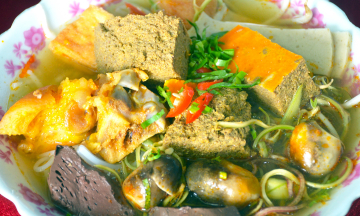
At the scene, police found a live pangolin and several pots of herbal soup, in the process of being cooked, containing pangolin meat. Three individuals were arrested for investigation under the Sabah Wildlife Conservation Enactment 1997.
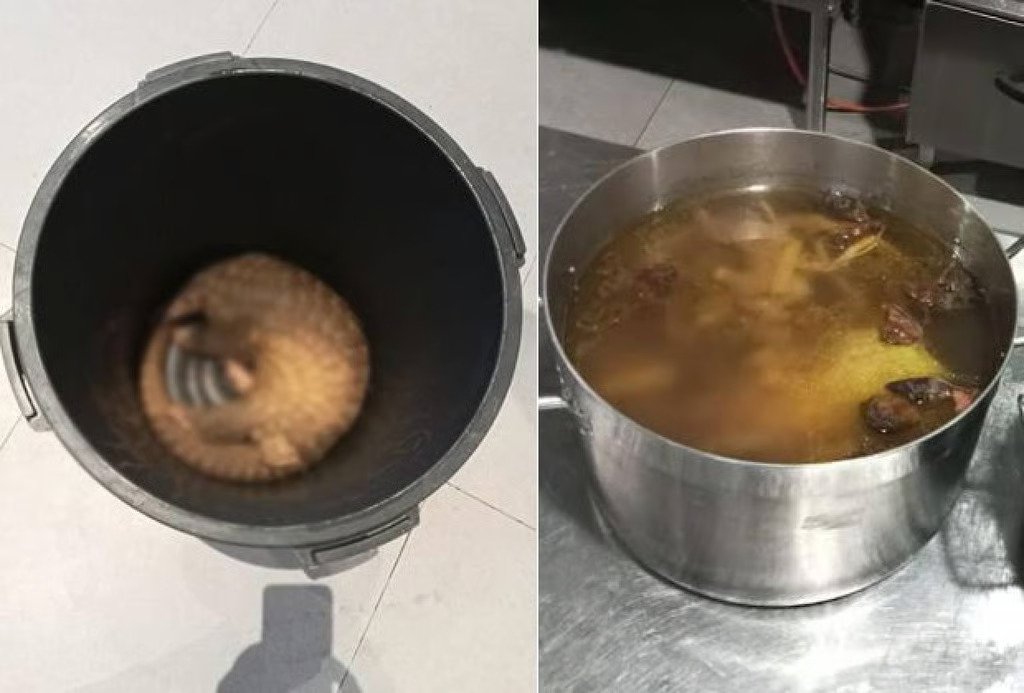 |
Pots of pangolin soup discovered at the resort. Photo: The Star |
Pangolins are a strictly protected species in Sabah. All acts of possession, keeping, trading, or processing them for food are prohibited.
"We are treating this matter seriously; any act of processing rare wildlife into a 'delicacy' for tourists will be severely punished," Soffian said.
A representative of the authorities stated that these irresponsible actions not only violate the law and undermine environmental conservation efforts but also tarnish Sabah's image, which is striving to build its reputation as a sustainable and responsible nature tourism destination.
If convicted, those involved could face fines ranging from 50,000 MYR to 250,000 MYR (approximately 280 million to 1.4 billion VND) and one to five years in prison.
Currently, Sabah state authorities are intensifying patrols and tightening controls at tourist establishments to completely prevent acts of harming wildlife.
 |
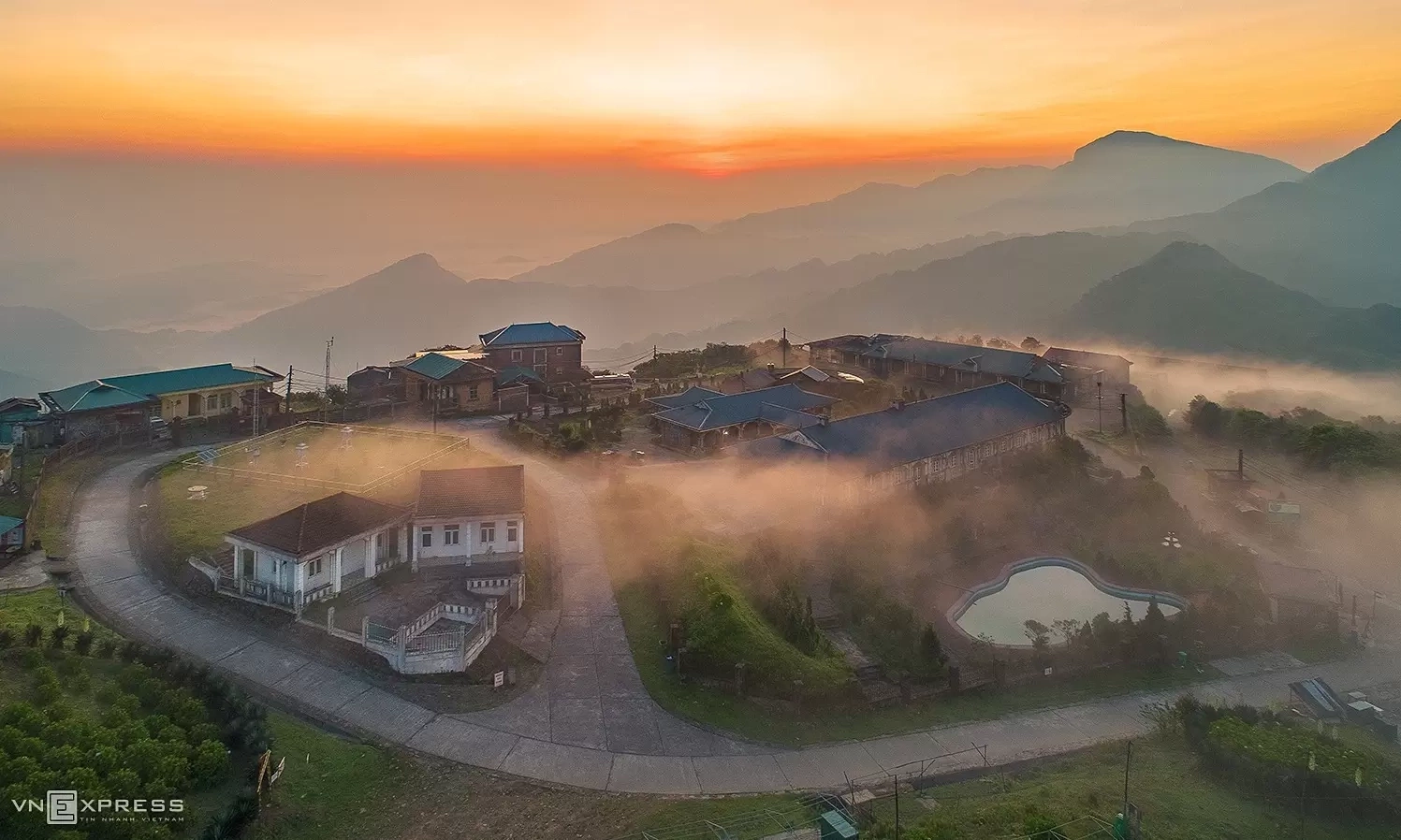
Coastal scenery in Sabah. Photo: Malaysia Travel |
Sabah, known as the "green lung" of Borneo island, is famous for its rare animal ecosystem, including Pygmy elephants and Sunda pangolins. It has also become a hotspot for illegal hunting, providing "exotic experiences" for wealthy tourists.
Previously, Sabah authorities dismantled many large-scale wildlife trafficking cases. In 2019, Malaysian police seized nearly 30 tons of frozen pangolins, along with pangolin scales and live specimens, in the Kota Kinabalu and Tamparuli areas. This was considered the largest pangolin seizure in the country's history. In 1/2026, two people were arrested in Kunak district after authorities discovered two live pangolins being illegally transported by car.
Conservationists stated that Sabah has become an important transit point in the international pangolin scale smuggling network, as the demand for bushmeat and traditional medicine derived from wildlife remains the primary driver of illegal hunting.
Mai Phuong (According to SCMP, Daily Express)