 |
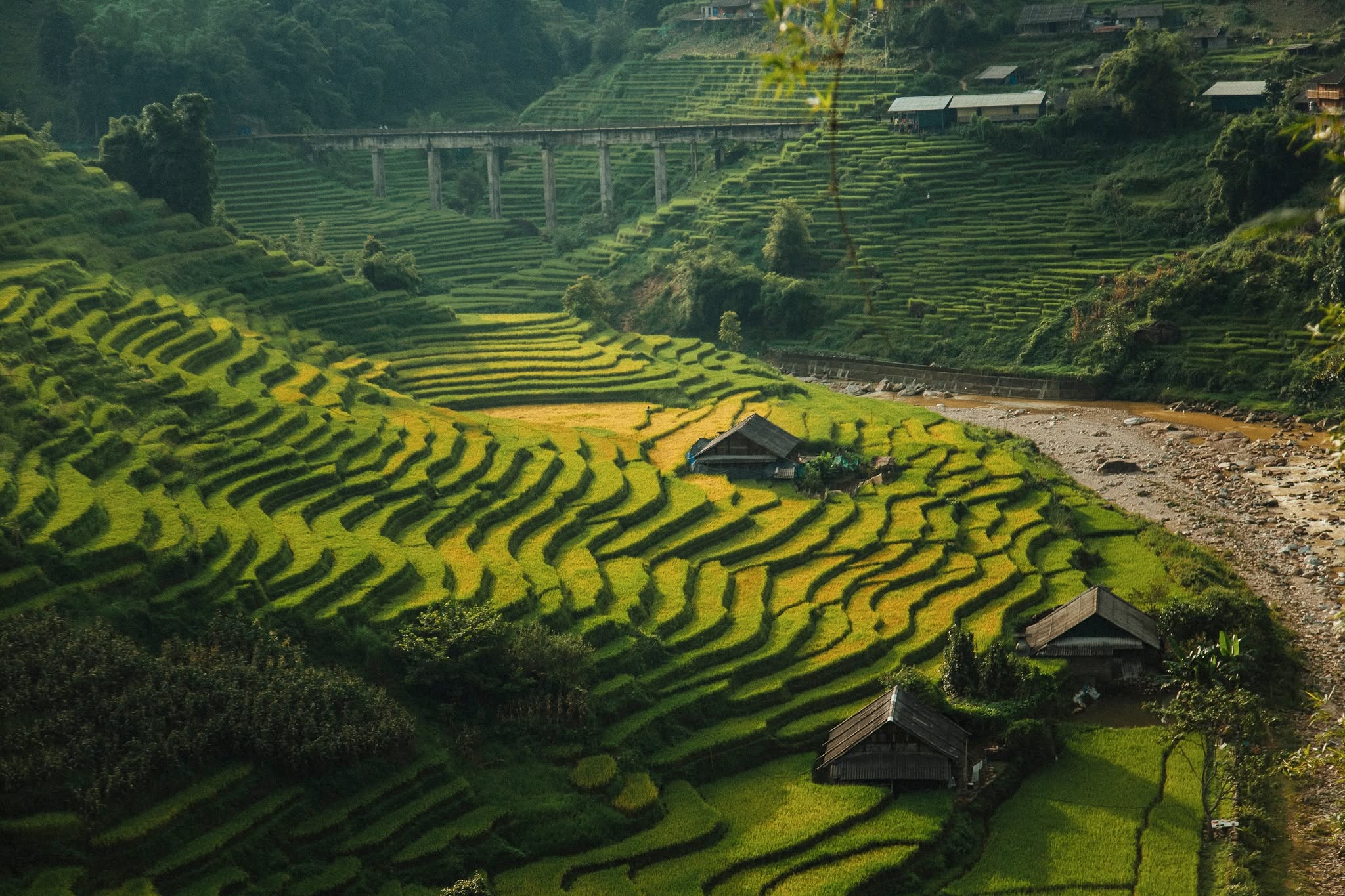
In early august, An Ninh from Hanoi spent 4 days and 3 nights exploring Ta Van and Nam Cang, Lao Cai. The weather was pleasant, with mornings often featuring clouds, mist, and light rain. Most of the rice in Ta Van's terraced fields was still green.
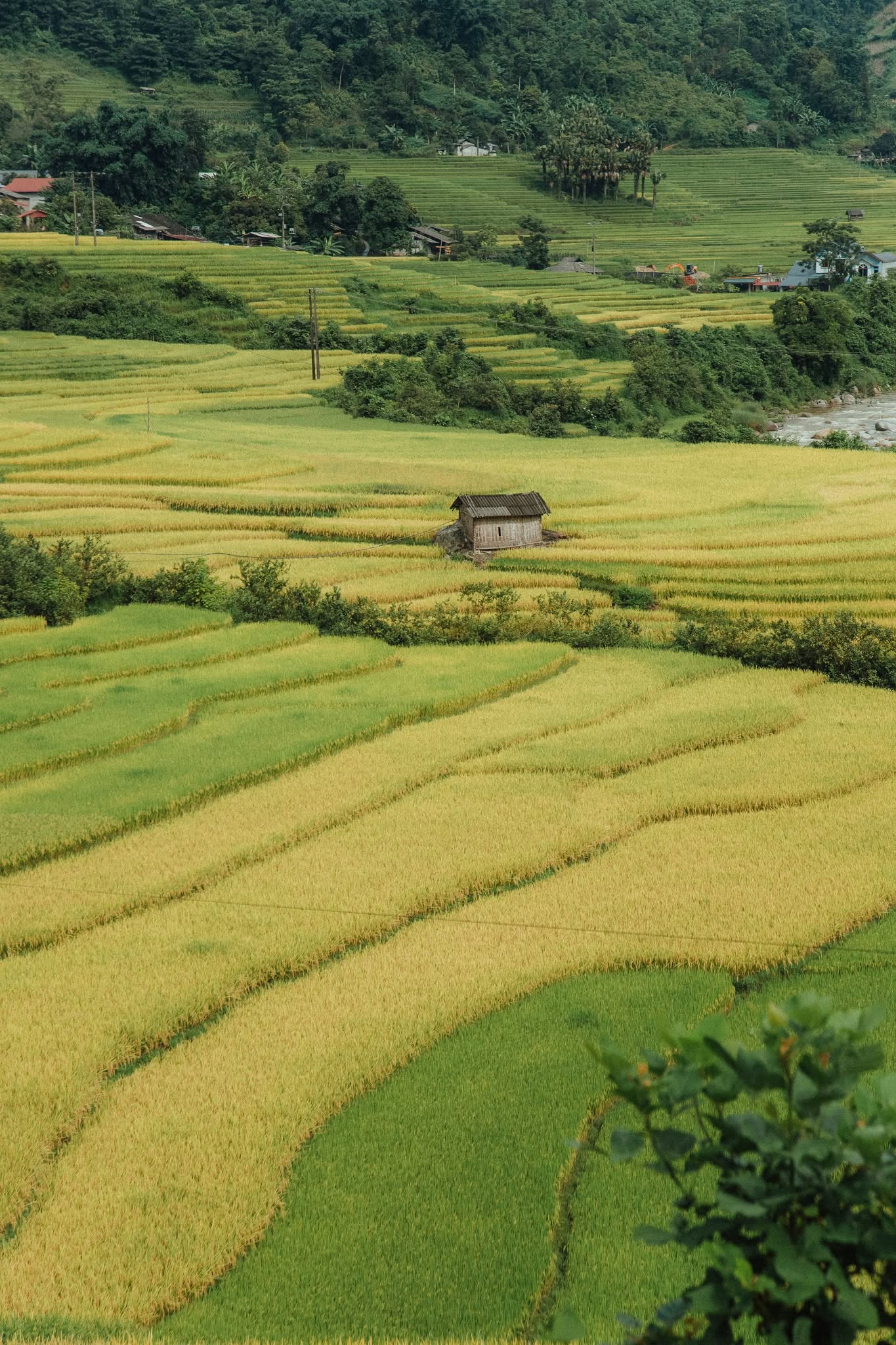 |
Nam Cang, 36 km from Sa Pa, is a secluded valley gaining recognition among tourists for its green and yellow terraced rice fields during harvest season, along with the cultural life of the H'Mong and Dao people.
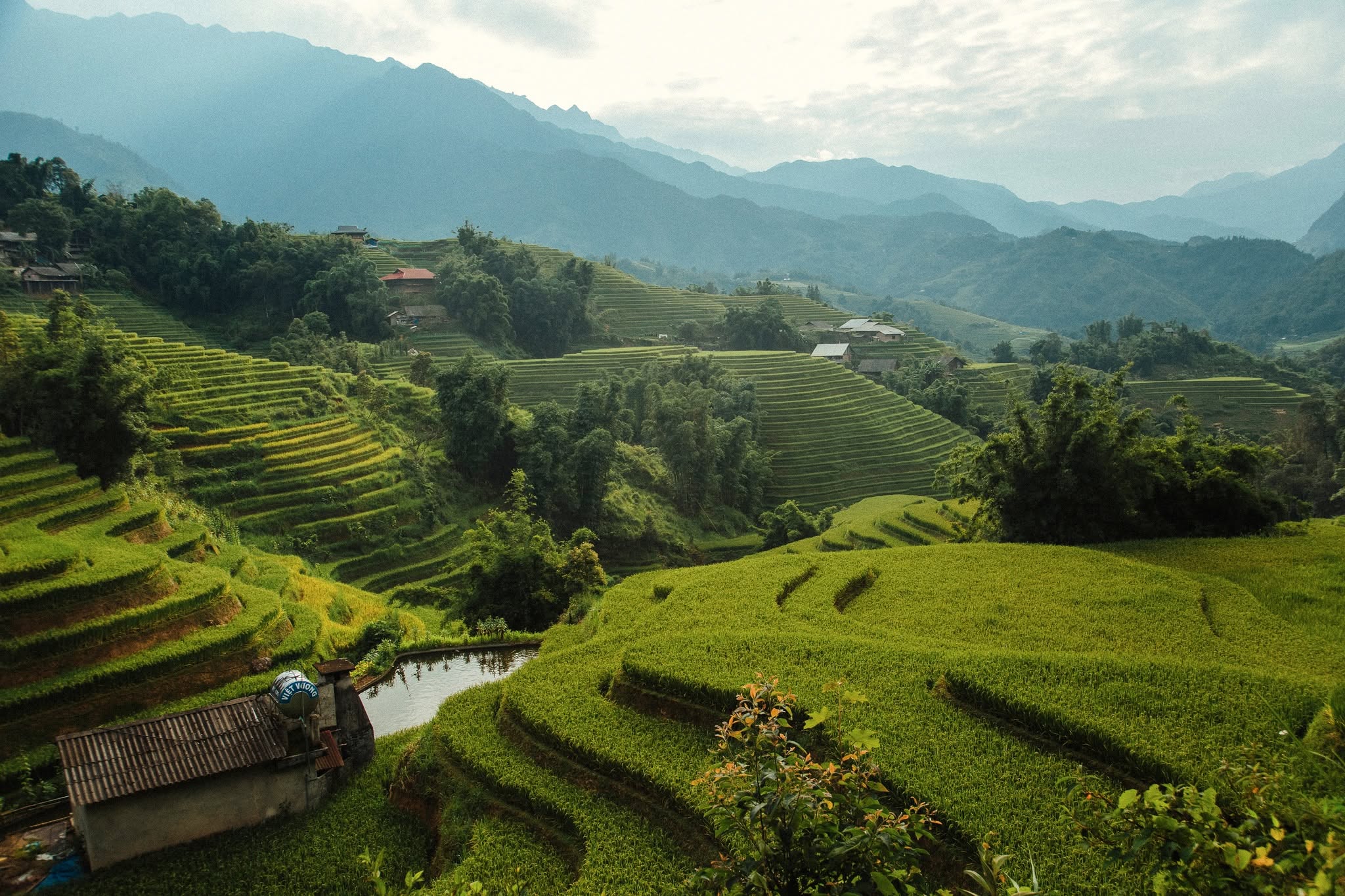 |
Although he had visited the Lao Cai highlands many times, this was Ninh's first trip to Ta Van. This time, he spent more time walking through the village, admiring the terraced fields, drinking coffee, and staying at a homestay, rather than constantly moving between locations.
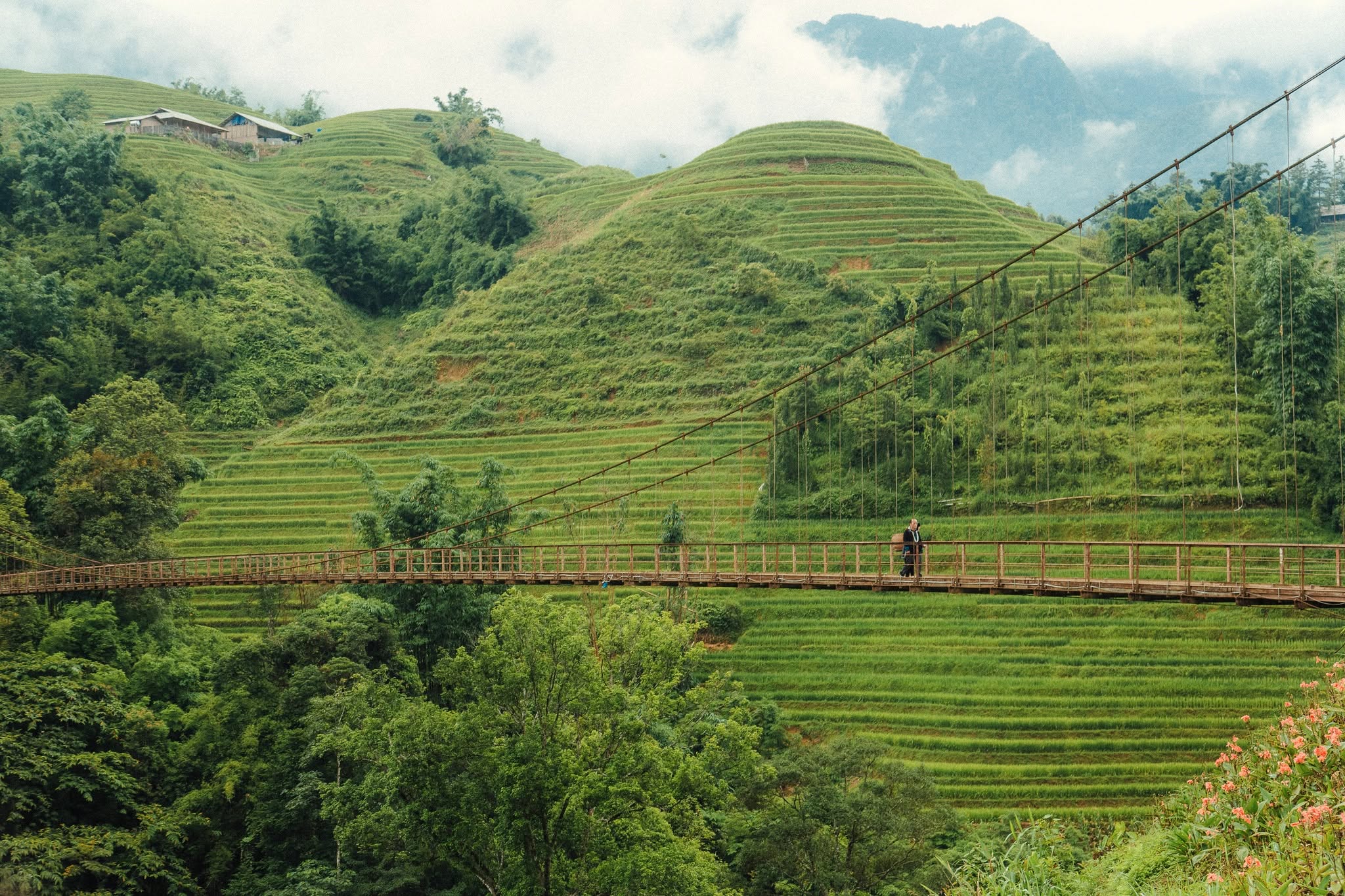 |
From Ta Van, visitors can trek to Lao Chai, a distance of about 5-6 km, passing through the stilt houses of the Giay people, Muong Hoa suspension bridge (pictured), waterfalls, and bamboo forests. "This area is most beautiful when the rice turns golden", Ninh said.
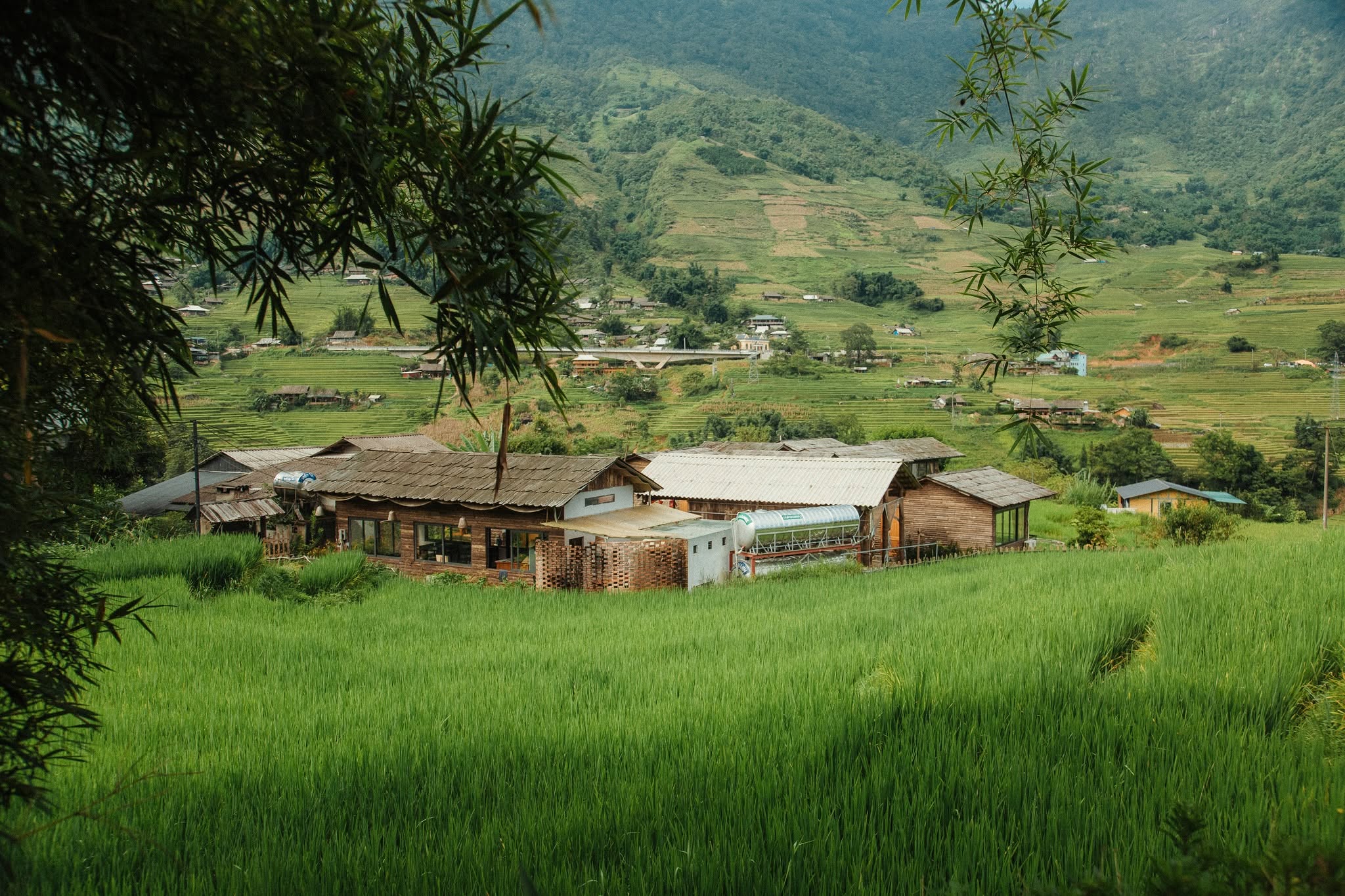 |
Ta Van is about 12 km from Sa Pa town center, located in Muong Hoa valley, known for its Giay ethnic village and wooden houses.
 |
Ninh rode his motorbike 30 km from Ta Van to Nam Cang to see the early ripening rice. According to local residents, the harvest season begins in early august, with the rice looking its best in late august and early september.
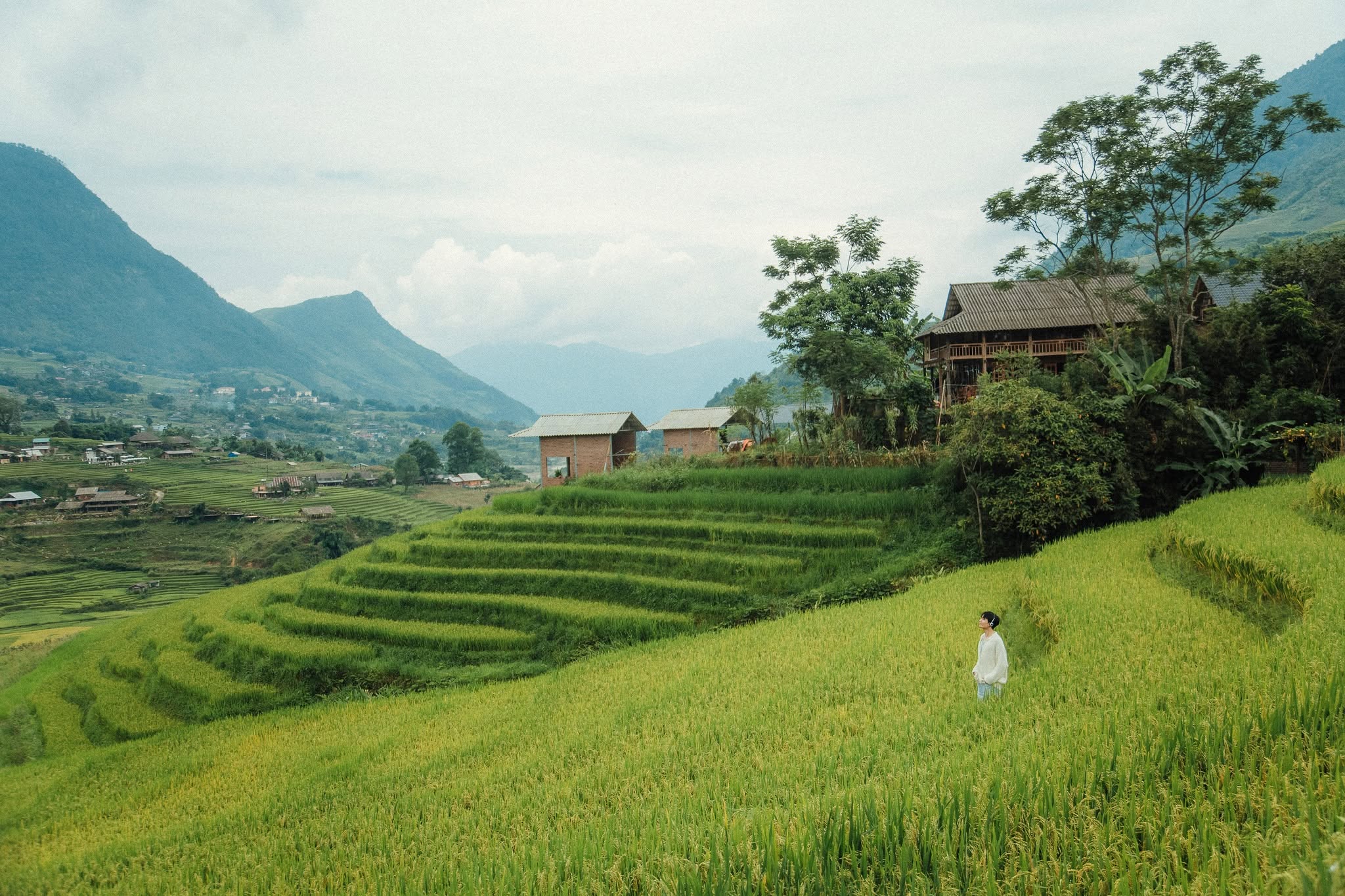 |
Ninh noted that the rice viewing areas are scattered, not concentrated in one spot. The roads into the villages have many narrow, steep, and winding sections, so motorbike riders should drive slowly, especially when it rains.
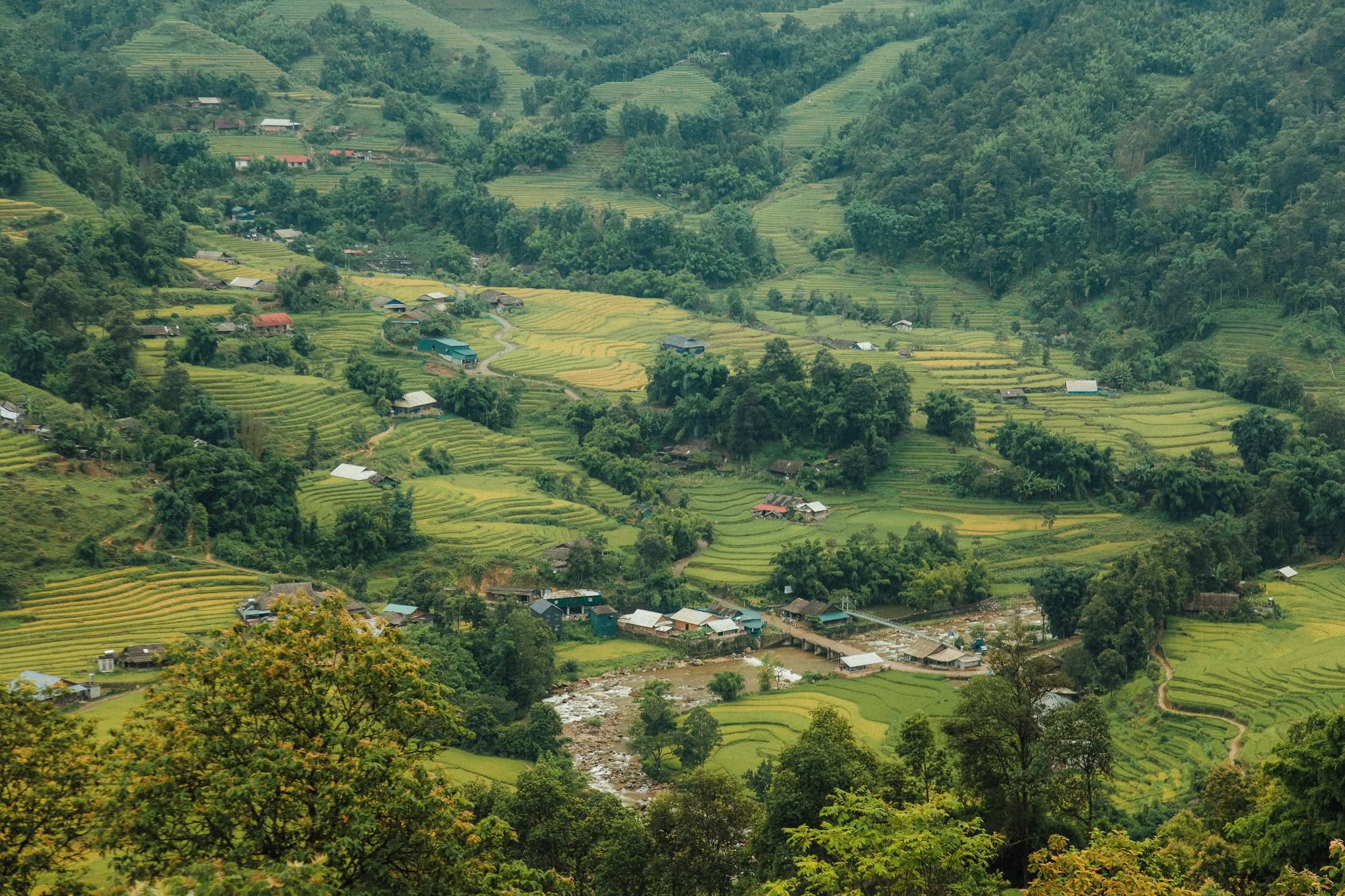 |
A survey indicates that rice in Sa Pa and its surrounding areas is expected to turn golden around 2/9, lasting until mid-september. As ripening times can vary between regions, visitors should check the actual situation before their trip.
Mai Phuong
Photos: OntheMars