On his first night in a hotel, Robinson Leoni, a business director at a technology company who travels one or two times each month, struggles to fall asleep, wakes up multiple times during the night, and gets less overall sleep. At home, he typically sleeps about 7 hours, but in a different environment, regardless of earplugs or bed quality, his smartwatch shows he only sleeps around 5 hours.
Leoni is experiencing what sleep experts call the "first-night effect". This phenomenon has been confirmed by dozens of studies and is believed to have an evolutionary origin, according to Anna Wick, a senior sleep researcher at the University of Freiburg, Switzerland.
Ahmad Mayeli, a professor of psychiatry and sleep researcher at the University of Pittsburgh, United States, states that most people experience this phenomenon, though many may not realize it. On average, people sleep about 20-30 minutes less in a new environment. His research indicates that the frontal lobe, the area associated with deep sleep, is more active when a person sleeps in an unfamiliar place. This suggests the brain maintains a state of vigilance: not only do people sleep less, but their sleep is also less deep.
According to Mayeli, this phenomenon may be linked to evolution. In the past, unfamiliar places posed many dangers, so the brain developed a vigilance mechanism. "Whether it is a luxurious hotel or a prairie, your brain has not yet received the message that this place is entirely safe", he says.
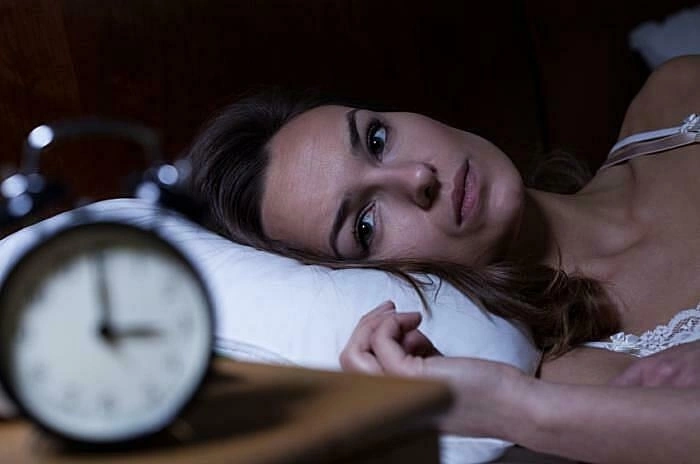 |
Difficulty sleeping in a hotel usually subsides after the first night. Photo: Medical News Today |
Age also influences the extent of this effect. Children, adolescents, and older adults are often more noticeably affected, with the trend increasing with age; those in their 20s are least impacted.
Travel can affect sleep even without a time zone change, according to Lisa Strauss, a psychologist in Boston, United States. Hotel environments can also have discomforting factors like flickering lights from smoke detectors, or relational stress, such as when visiting distant relatives.
Conversely, some people sleep better on the first night if they are excessively tired after a day of travel or feel detached from daily pressures. Individuals who typically struggle with sleep at home sometimes sleep well in hotels because they do not carry memories of previous sleepless nights. Conversely, anxiety about not sleeping makes it even harder to sleep - a vicious cycle particularly common for those prone to worry.
Strauss recommends maintaining good sleep hygiene principles: sleeping in a cool, dark room, going to bed at the same time each night, keeping a pre-sleep routine, and turning off electronic devices early. These practices should ideally begin a few days or weeks before a significant trip. She also suggests making the unfamiliar space feel familiar, such as reading in bed or bringing comforting items like a favorite pillow or blanket.
According to Wick, this effect typically diminishes after the first night. Mayeli states that this is not a major concern because the body can fully compensate for one or two hours of lost sleep. However, if an important event is scheduled for the next day, his advice is simple: "If tomorrow is important, arrive one night early - so you can sleep like yourself when it matters most."
Tam Anh (according to SCMP)