When traveling, passengers often focus on ticket prices, airlines, and departure times, rarely delving into the intricate process of flight creation. The flight planning director, supported by a team of experts, makes crucial decisions regarding takeoff times, aircraft types, and routes.
Amid rising fuel prices due to the Middle East conflict, which has forced many airlines to cut services, the role of this individual has become even more critical. In most commercial airlines, the flight planning director is a pivotal figure, overseeing the most complex aspects of aviation.
Tony Stanton, an expert from Strategic Air Australia, describes this as one of the most challenging and vital roles in an airline. At British Airways, Neil Chernoff holds this position.
 |
Neil Chernoff, British Airways' director of flight planning. *CNN* |
Neil Chernoff, who oversees network and scheduling at British Airways, likens running an airline to solving a complex jigsaw puzzle. He constantly makes trade-offs to ensure every piece fits together.
Months before passengers depart, Chernoff and his team convene to determine logistics, from the number of seats to the class of service offered. Monthly, the team evaluates the performance of various routes to decide whether to maintain or discontinue them, with the core objective of optimizing profitability.
"Our responsibility is to make money from the aircraft or maximize profits", said Chernoff, who worked in investment banking before joining the aviation industry.
When demand surges, the team responds swiftly. For instance, British Airways doubled its daily flight frequency from London to San Diego and Austin after these two routes showed high performance. Conversely, for underperforming routes, the team analyzes data and customer behavior to identify the root causes.
Tony Stanton notes that this job is challenging because theory often diverges from reality. Planning directors must collaborate closely with sales departments to anticipate constantly changing travel trends. Depending on a destination's sustainability, the airline adjusts frequencies or swaps aircraft types to provide more seats. Chernoff's team also monitors social changes to reallocate resources from traditional destinations to new, potential markets.
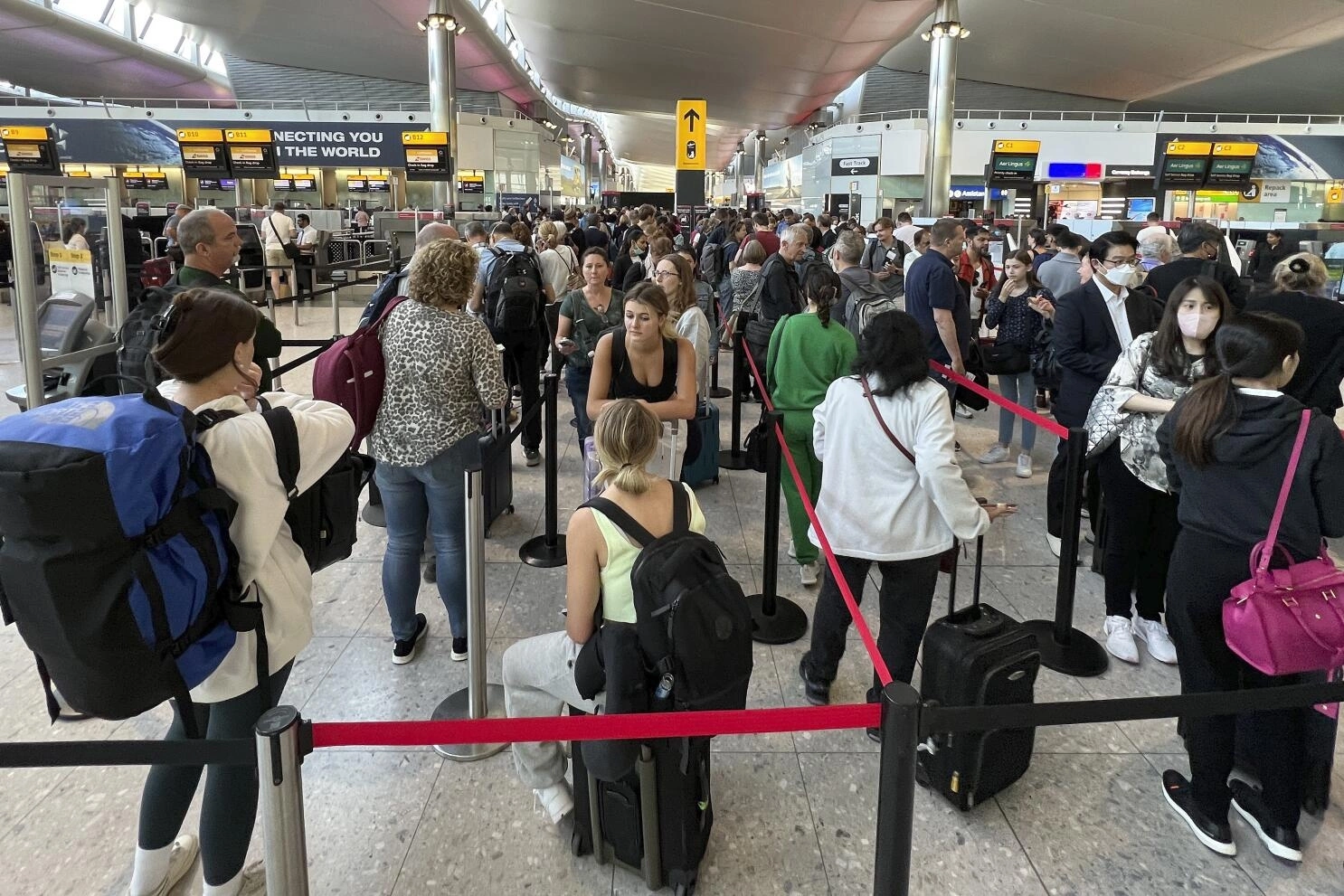 |
Passengers await check-in at Heathrow Airport, England. *LA Times* |
The precise moment pilots take off is crucial in airline operations. The planning team not only selects destinations but also determines specific flight times. At busy airports, airlines cannot freely choose departure times; they must compete for "slots"—specific takeoff and landing windows. Flights with favorable departure times often generate significant revenue.
Passengers experiencing flight time changes from morning to afternoon often result from slot limitations, especially at major airports like Heathrow. To establish a new route, planners must prepare years in advance, carefully calculating runway capacity, lounge availability, departure gates, and ground staff.
Neil Chernoff, British Airways' (BA) director of planning, regularly coordinates schedules with alliance partners like American Airlines. "We calculate the number of seats offered by both parties on the Miami - London route", Chernoff stated.
Weather also impacts planning; strong tailwinds can help aircraft arrive early but create pressure on parking positions at the airport.
The choice of aircraft for each route is a result of meticulous calculation, not randomness. Tony Stanton believes that selecting the right aircraft type can determine the success or failure of a route. Chernoff's team must balance the available aircraft fleet with actual demand. For superjumbo models like the A380, the airline typically prioritizes long-haul routes with high demand.
However, aircraft deployment also depends on pilot availability, as each specific aircraft type requires different flight certifications. A flight to Boston might only need two pilots, but a long-haul journey to Singapore requires four.
The airline must balance the ratio of business class to economy seats to optimize business efficiency. Despite accurate forecast data, planners must constantly address unforeseen situations to ensure smooth operations.
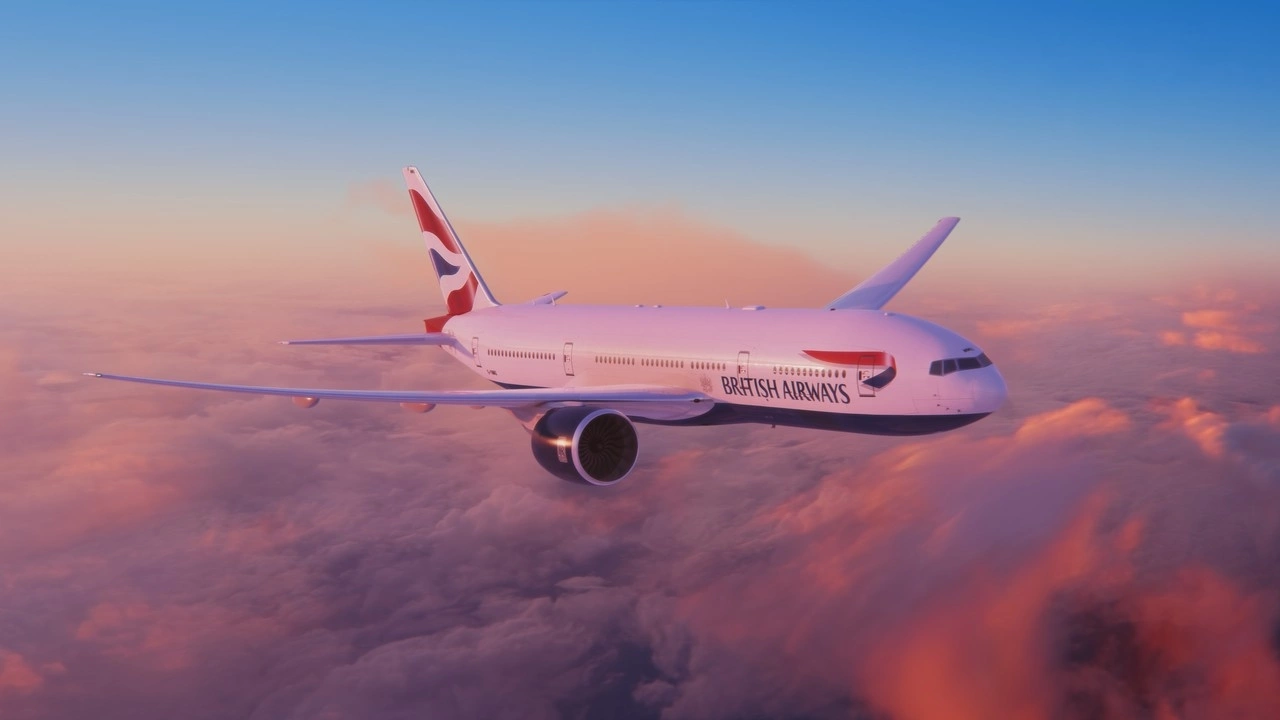 |
A British Airways aircraft. *BA* |
Geopolitical tensions force airlines to divert or change schedules on short notice, rapidly altering the global flight map.
In such cases, Chernoff and his team must immediately adjust the months-long planning. According to Stanton, major airlines do not wait for incidents to occur before finding solutions; they proactively forecast and manage risks.
The Middle East conflict currently has a widespread impact on the aviation industry. Chernoff stated that his team is continuously responding to the rapidly evolving situation. Like many other airlines, British Airways canceled flights and organized unscheduled repatriation journeys during the initial phase of the conflict.
However, not all variables are negative. When the English national football team reached the Euro 2024 final, Chernoff's team arranged additional flights to accommodate fans.
Crisis management is only one part of the job; annually, Chernoff also participates in outlining a 5-year strategic plan, reviewing growth prospects and airline changes. He likens his work to an engaging game, constantly opening boxes, mixing, and reassembling new puzzle pieces.