A 33-year-old tourist from Chennai died after being trampled by an elephant during an incident on 18/5 at Dubare Elephant Camp in Kodagu district, Karnataka, Southern India. The victim was observing elephants bathing by the Cauvery river with her husband, child, and other tourists when the tragic event unfolded.
According to the camp management, two domesticated elephants, Kanchan and Marthanda, unexpectedly began fighting. During the altercation, Marthanda fell into shallow water, crushing the female tourist.
Footage from the scene showed the victim trapped underwater, repeatedly trampled as the elephant struggled to stand, while the other elephant continued its attack. Mahouts were unable to intervene. The victim's husband and child managed to escape the chaotic scene.
Eshwar B Khandre, Karnataka's Minister of Forests, Ecology, and Environment, described the incident as "shocking." He called for an investigation and measures to prevent similar occurrences.
Following the incident, the Karnataka state government implemented new safety regulations. Tourists are now required to observe elephant bathing activities from a minimum distance of 30 meters at all state elephant camps. Officials strictly forbid visitors from touching trunks, feeding elephants, bathing with them, or taking selfies nearby.
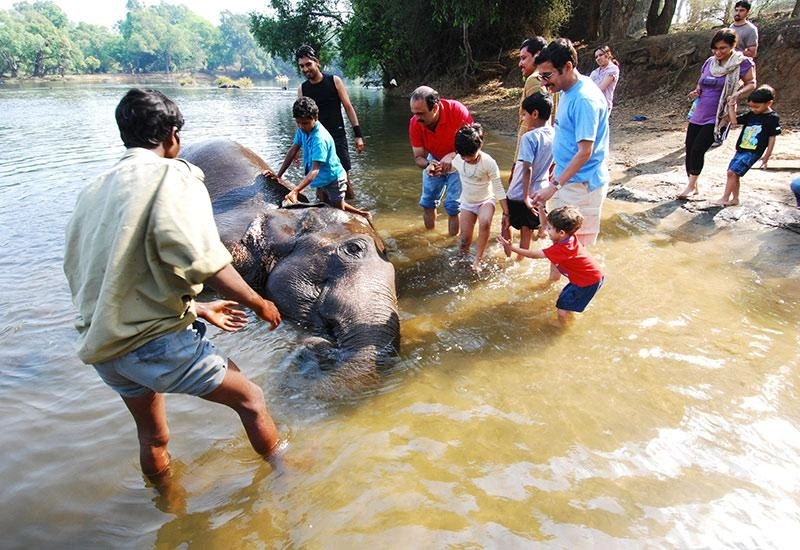 |
Elephants being taken down to bathe in the Cauvery river at Dubare Elephant Camp. Photo: Dubare Elephant Camp |
Dubare Camp houses the largest number of elephants in Karnataka and is known for its model allowing close tourist interaction with the animals.
A local forestry official indicated that elephant conflicts in captive camps are not uncommon. However, Dubare is particularly susceptible to incidents due to its large elephant population and tourists' proximity.
"Elephants can be playful but also prone to aggression and losing control. In the past, mahouts and caretakers have died here," the official stated.
In 2019, the camp temporarily closed after an elephant named Gopi escaped during its mating season, requiring forest rangers to relocate the herd and cordon off the area. Despite this, the camp reopened later due to pressure from stakeholders and political figures.
Conservation organizations have long warned against the commercial exploitation of elephants in India for tourism, festivals, and temple rituals. While hunting, trading, or harming elephants is illegal under Indian law, captive elephants are common in Kerala, Karnataka, and Rajasthan.
In Defence of Animals USA reports that India is home to approximately 60% of the Asian elephant population, with about 3,500 living in captivity. Wildlife SOS highlights that many captive elephants endure stressful environments, constant crowd noise, prolonged work, and severe physical and psychological trauma from violent training.
Last April, a similar incident occurred at a temple in Ernakulam district, Kerala. A captive elephant suddenly became agitated, attacking vehicles and tossing several cars, resulting in one driver's death and a mahout's injury.
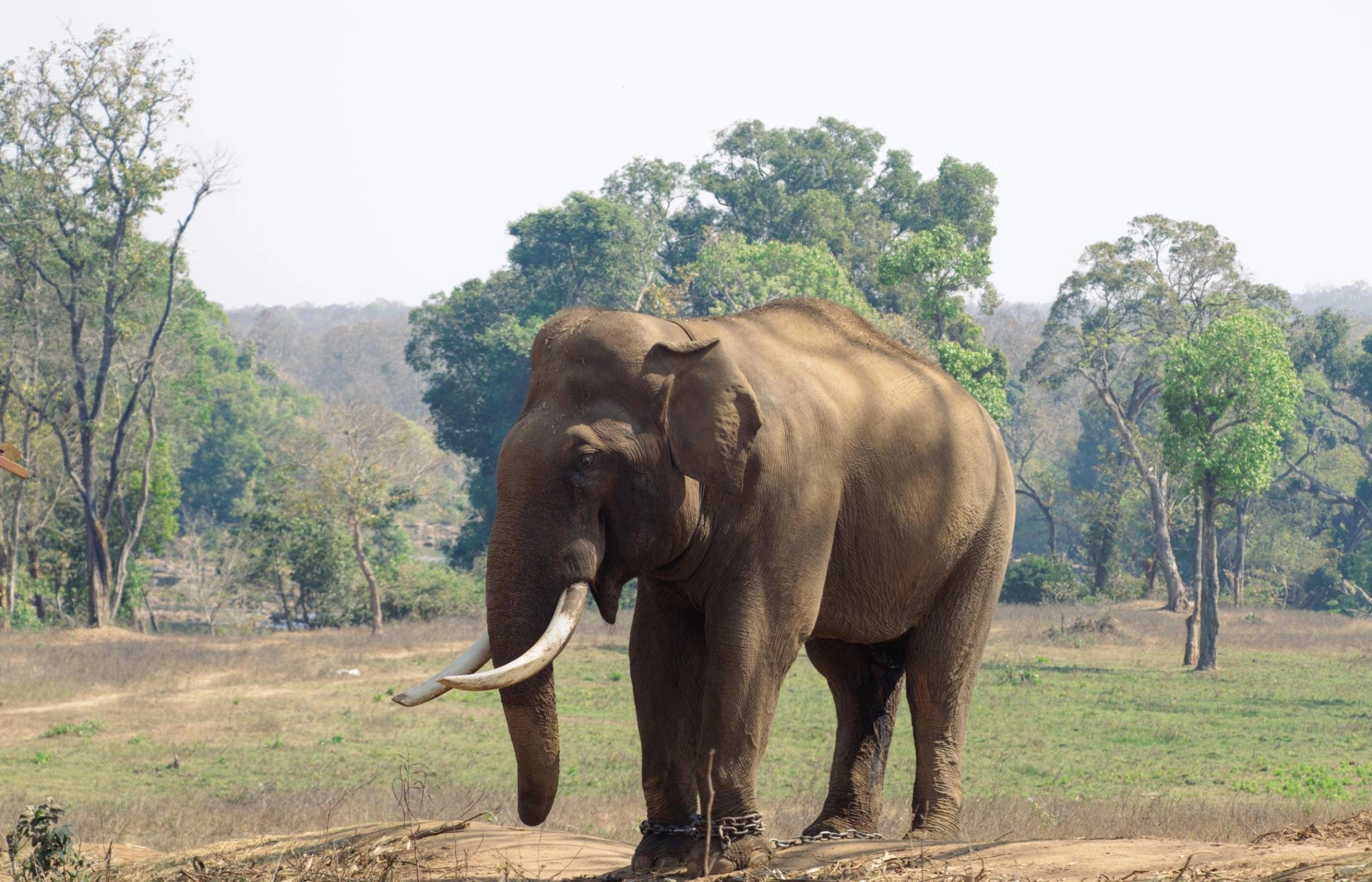 |
Elephants at Dubare Elephant Camp eco-tourism site. Photo: Dubare Elephant Camp |
Dubare Elephant Camp, situated by the Cauvery river about 250 km from Bangalore, was once a training center for elephants participating in the Mysore Dasara festival. For years, its close-contact eco-tourism model has drawn controversy, raising concerns about animal welfare and potential safety risks for visitors.
An Thien (According to The Independent)