Ashley King embarked on a dream journey in 2011, at the age of 18, during her gap year before university. She had just completed a one-month holiday in Bali, Indonesia, and was preparing to travel to New Zealand. Everything was so perfect that Ashley even considered postponing university for another year to work abroad.
On her last night in Bali, the Canadian tourist and some newly acquainted travelers went to a bar in the Kuta area for entertainment. There, they were served cocktails in plastic bottles.
The next morning, she flew to Auckland feeling utterly exhausted and unable to move, believing it was the aftermath of the previous night's heavy drinking. In her hostel room, she touched her iPod screen but it didn't light up. The room's lighting also seemed so dim that she struggled to see anything. Her headache intensified, and she experienced difficulty breathing.
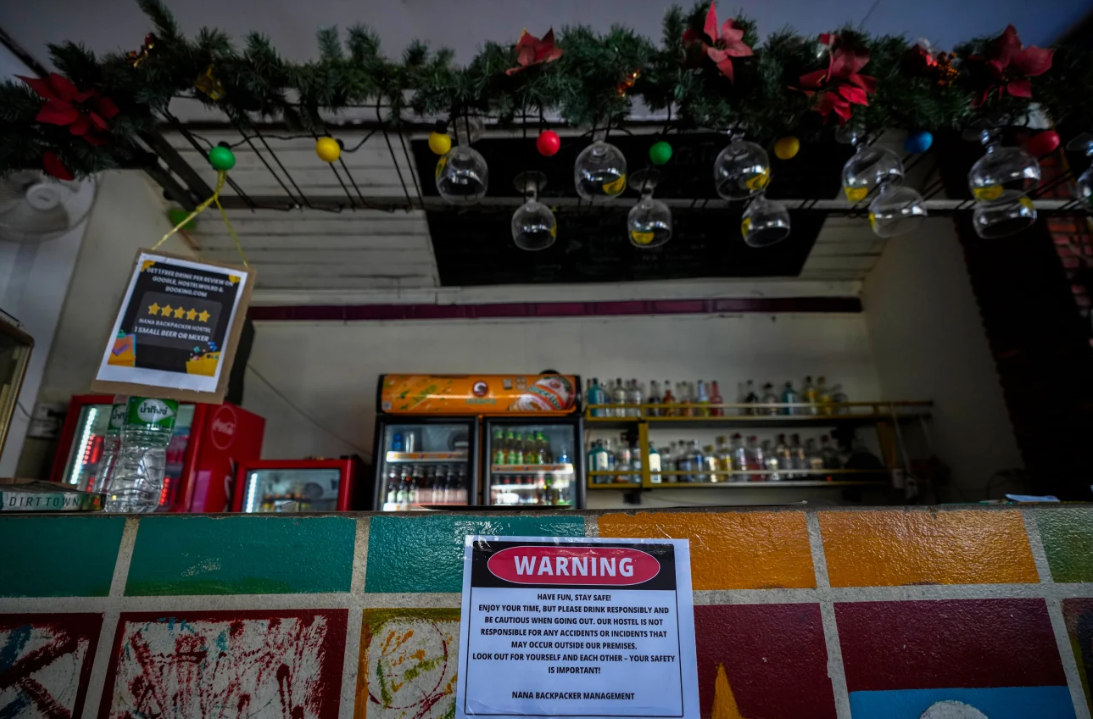 |
A warning about alcohol posted at the bar of Nana Backpack hostel, Vang Vieng, Laos. *Photo: AP*
Eventually, Ashley realized she wasn't merely drunk. She had methanol poisoning and suspected the cocktails she drank in Kuta were likely mixed with this solvent instead of pure alcohol. In reality, her iPod screen was fine and lit up normally. The problem was with Ashley's eyes – she had gone blind, a consequence of methanol poisoning.
Before this, she had heard anecdotal stories about adulterated alcohol. However, she believed she had been careful enough, assuming the risk only existed in "street" drinking establishments.
Ashley had thoroughly researched Bali and its travel advisories before her trip. Consequently, she had thought the likelihood of a shark attack was higher than going blind.
Methanol, an odorless, colorless liquid, naturally occurs during alcohol distillation but can cause fatal side effects.
In November 2024, six tourists died in the popular backpacker town of Vang Vieng, Laos, after consuming methanol-laced alcohol. Among the victims were two Australian teenagers on a gap year in Southeast Asia and a British doctor.
Asta Man, a senior communications officer for the medical organization Doctors Without Borders (MSF), stated that most methanol poisoning cases occur in impoverished areas where a market for substandard alcohol thrives.
According to her, it is rare for anyone to intentionally poison many people in this manner. Methanol is a natural byproduct of distillation, but not everyone possesses the technical knowledge or equipment to completely remove this substance during production.
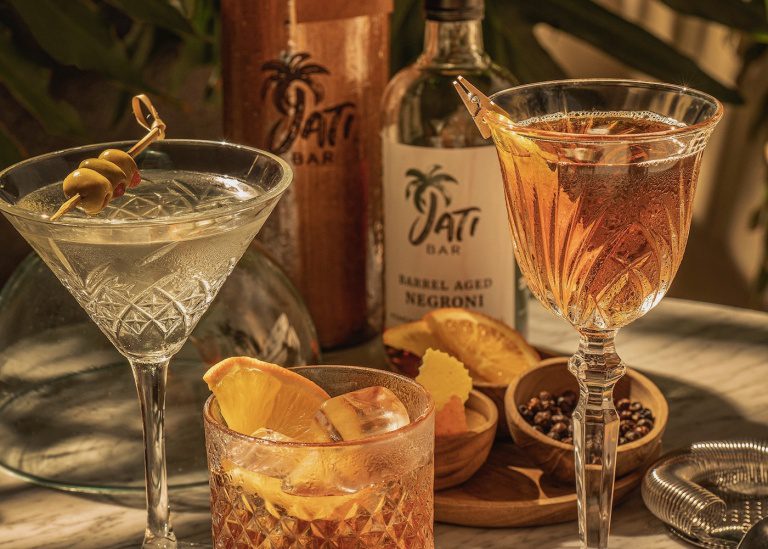 |
Cocktails are a popular drink choice for many tourists at bars. *Photo: City Nomads*
Incidents of international tourists being poisoned during their holidays often garner significant attention, but most methanol poisoning cases happen at parties, weddings, or large gatherings – particularly in countries with alcohol bans or limited supply, leading to unregulated distillation. Alcohol testing can be expensive, causing many to accept the risk and still drink.
"In some places, people almost accept this as a risk when drinking spirits. They may not know exactly what methanol is," Man said.
MSF advises tourists to drink beer or pre-packaged spirits directly from cans or sealed bottles. They also recommend checking that spirits are poured from bottles with intact labels. The organization encourages learning the symptoms of methanol poisoning, such as blurred vision or vision loss, to avoid confusing them with typical drunkenness.
Despite her blindness, King is considered one of the fortunate ones – at least she survived. However, methanol exposure can lead to long-term health problems, including liver disease and a significantly increased risk of certain cancers.
Before losing her sight, Ashley King planned to major in drama. She later wrote a play inspired by her personal experience, which was adapted into a 4-part podcast titled "Static: A Party Girl's Memoir".
However, publicly sharing her personal story came with difficulties and stigma. Many on social media blamed her for drinking alcohol in the first place, suggesting her blindness was solely a consequence of her own poor choices.
For Stephanie Boyle, stories like Ashley King's are essential in raising public awareness about a danger that can be hidden in plain sight.
Boyle works at the Safer Tourism Foundation, an organization dedicated to making tourism safer. The foundation was established 10 years ago by a British woman after her two young children died in Greece from carbon monoxide poisoning in a rented holiday home.
The fund's activities later expanded to warn about other potential risks tourists might encounter while traveling, including raising awareness about the danger of methanol exposure.
However, the biggest obstacle is not a lack of information, but a lack of interest – as few people want to hear scary warnings before a trip.
Boyle believes the most effective way to spread the message is to recount true stories like Ashley King's. Community messages linked to specific individuals tend to resonate more with others.
Asta Man suggests a two-pronged approach is needed. MSF not only issues warning information to the public but also goes directly to high-risk areas for methanol poisoning to train doctors on how to recognize and treat symptoms.
Currently, the UK Foreign Office website lists countries with methanol poisoning risks, including: Cambodia, Costa Rica, Ecuador, Fiji, Indonesia, Kenya, Laos, Mexico, Nigeria, Peru, Thailand, Turkey.
In reality, 99% of the time, trips go smoothly. People enjoy their holidays. Many tourists visit Laos, Cambodia, or Thailand without any problems. But sometimes, terrible things still happen, according to Asta.
Boyle believes that small changes over time can create a significant impact. She cites examples of safety habits that most tourists today take for granted: buckling seatbelts, using phone navigation apps, or applying sunscreen.
"I want everyone to fully enjoy their trip; when you have considered safety measures, you can immerse yourself even more in your travels," Asta Man said.
Anh Minh (According to CNN)