 |
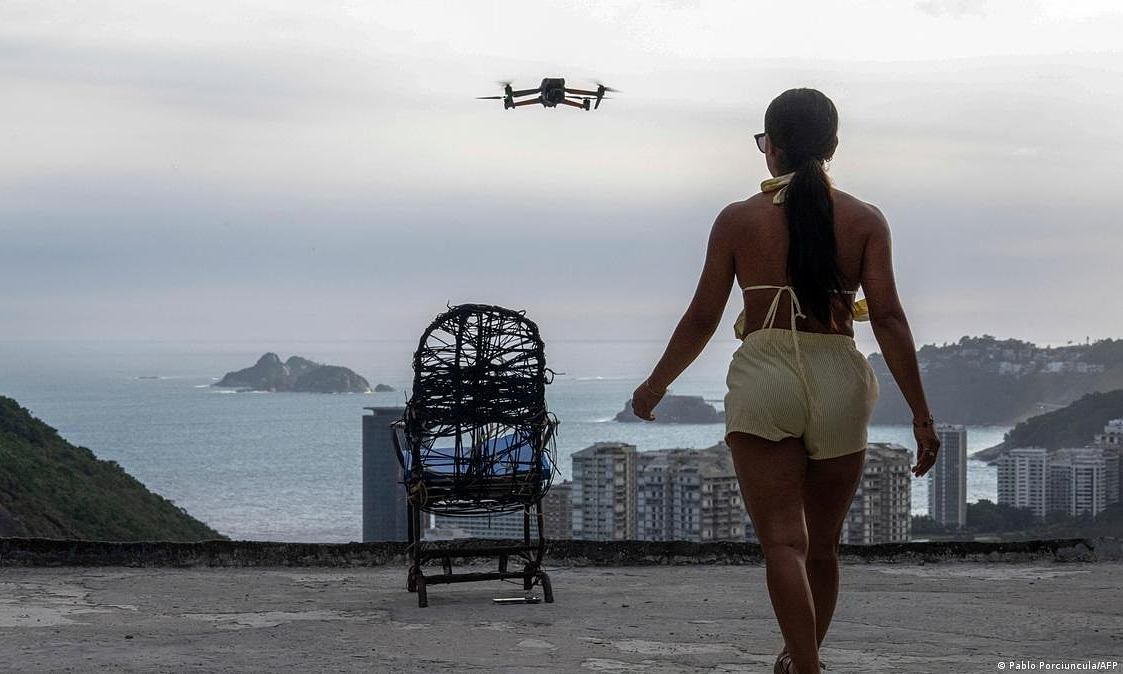
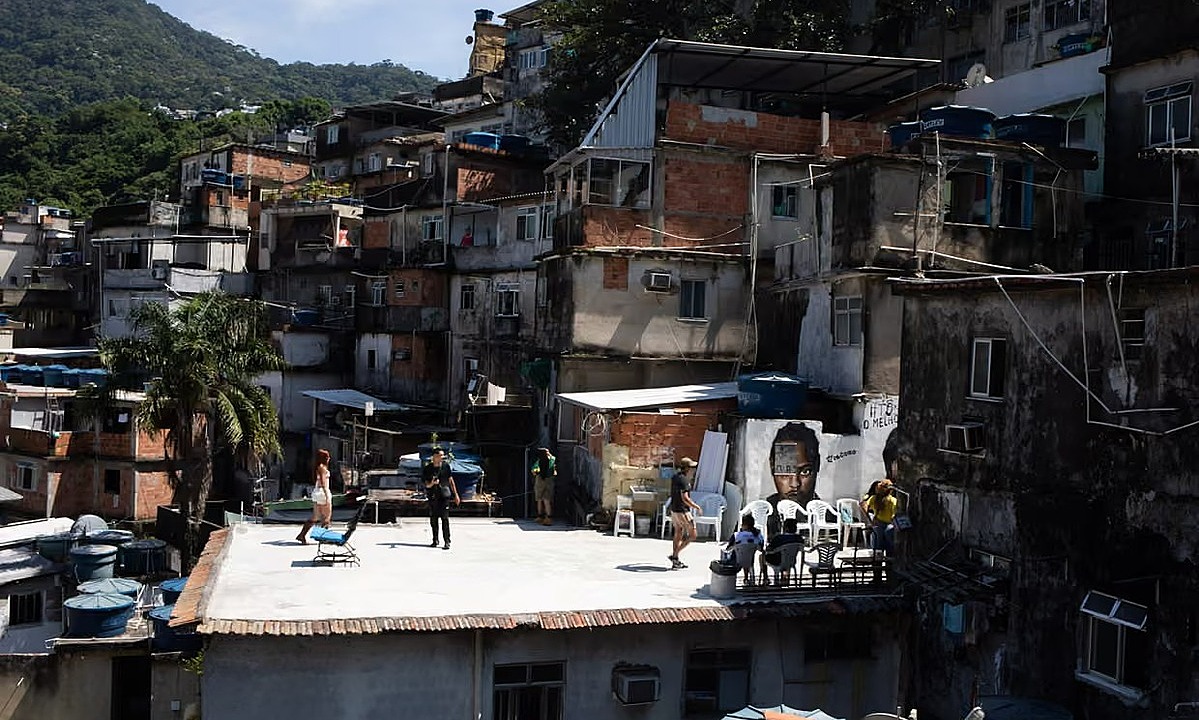
Long lines of visitors queue for photos at the "sky gate" rooftop in Rocinha, Rio de Janeiro's favela.
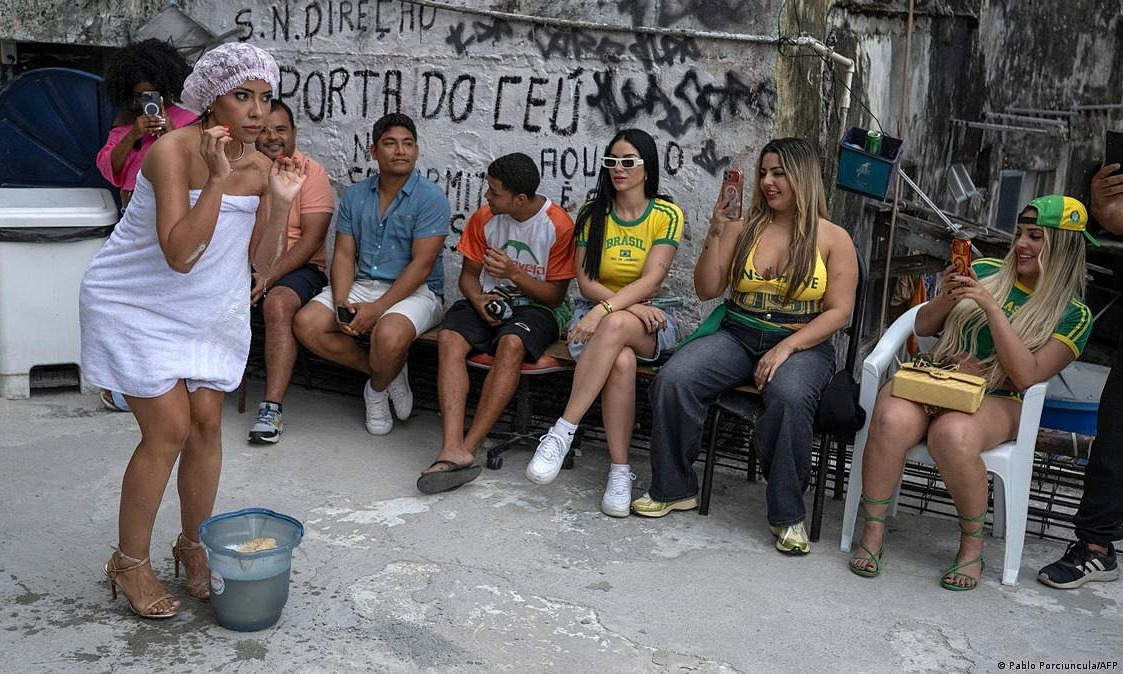
Brazilian influencer Ingrid Ohara, with 12 million followers, walked onto the rooftop wearing a swimming cap and towel. She then shed them to reveal a short dress, spinning as a drone filmed. Ohara is among many flocking to this favela after social media videos transformed it into a tourist phenomenon.
During peak hours, visitors wait up to two hours for their turn.
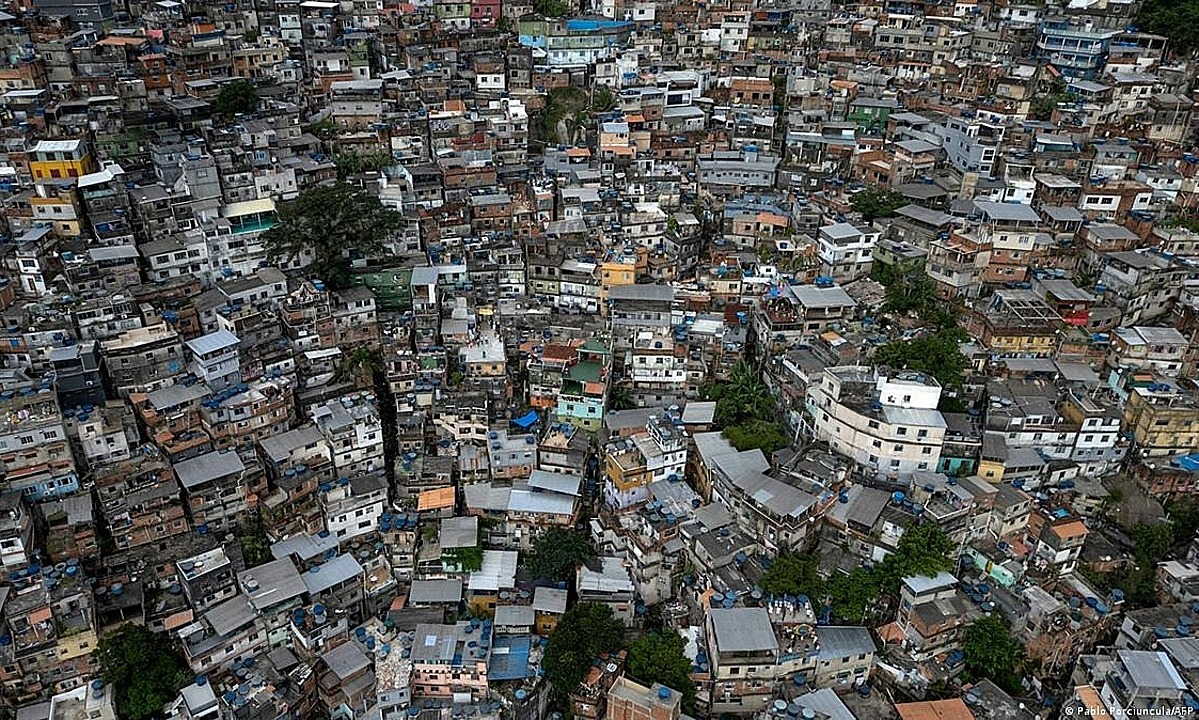 |
Rocinha, Rio de Janeiro's largest favela, now allows visitors to pay 23-70 USD to walk its rooftops and record "sky gate" videos.
The name Rocinha, meaning "small garden", originated in the 1920s when the area supplied vegetables to nearby regions. By the 1950s, migration from Northeast Brazil transformed it into an informal settlement.
Rocinha operates under a parallel governance system. State agencies provide health and education services, while criminal gangs, primarily the Comando Vermelho, maintain control. These gangs often enforce internal order and resolve civil disputes within their territories.
 |
In the past, Rocinha attracted "poverty safari" tours, where visitors observed residents' hardships from open-top vehicles. This controversial tourism ceased after a 2017 incident where a Spanish tourist died in a shootout between police and drug traffickers.
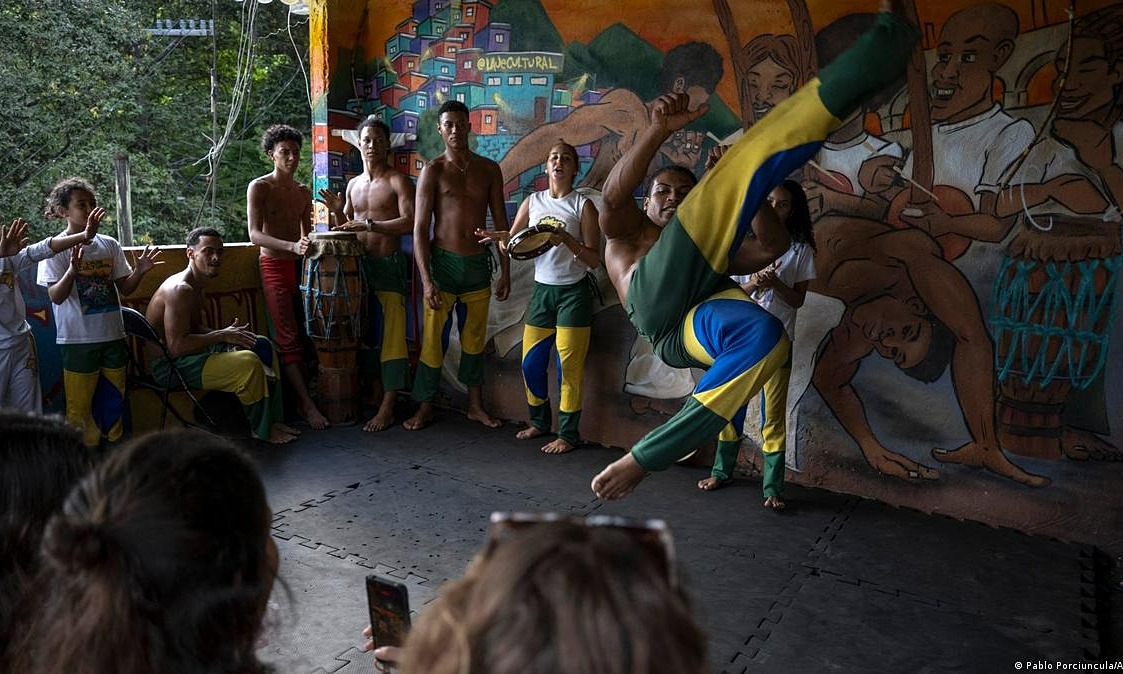
The image shows favela residents performing "capoeira," a traditional Brazilian martial art combining combat, dance, and acrobatics, for visiting tourists.
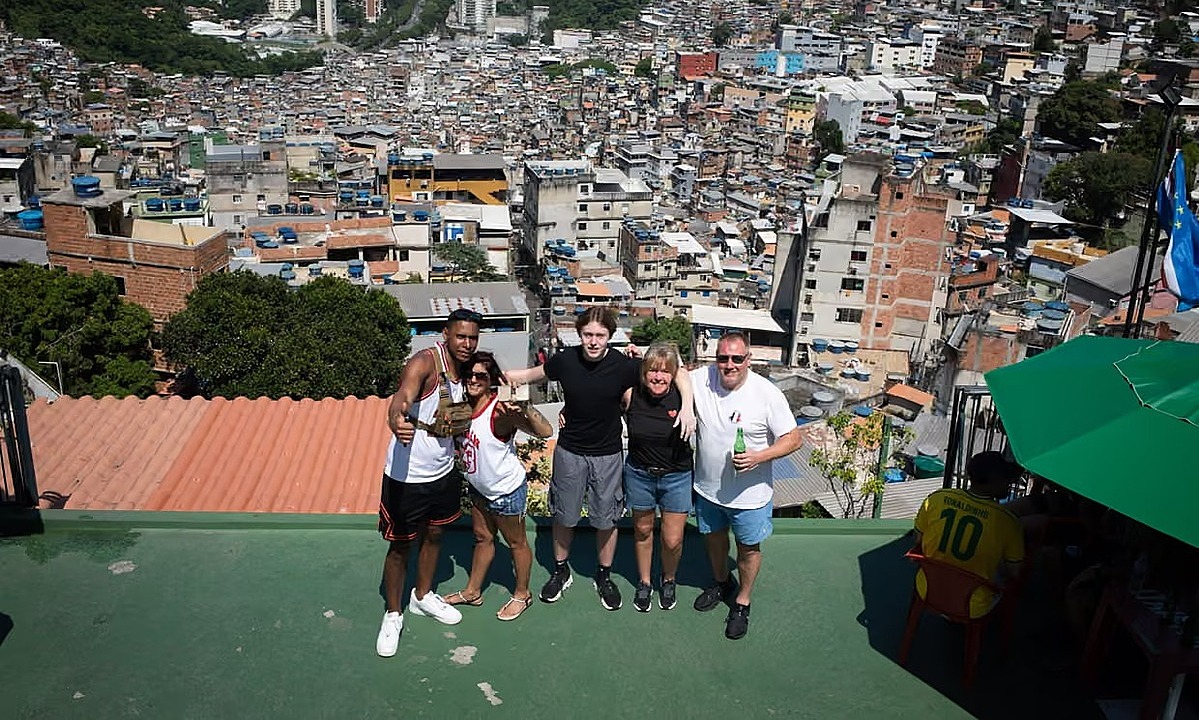 |
Nearly 10 years later, tourism has returned to the favela, but critics argue it risks repeating past mistakes due to a lack of government oversight. Many tourist activities, including high-tech equipment use, are criticized for "glamorizing poverty and crime."
 |
Monteiro, a Rocinha native, remembers being viewed as a "safari" by tourists a decade ago. To prevent a repeat, he developed safe tour routes with community leaders, ensuring local supervision.
He also developed an app to track guides and manage visitor flow. If police conduct drug trafficking operations, guides use the app to cancel tours.
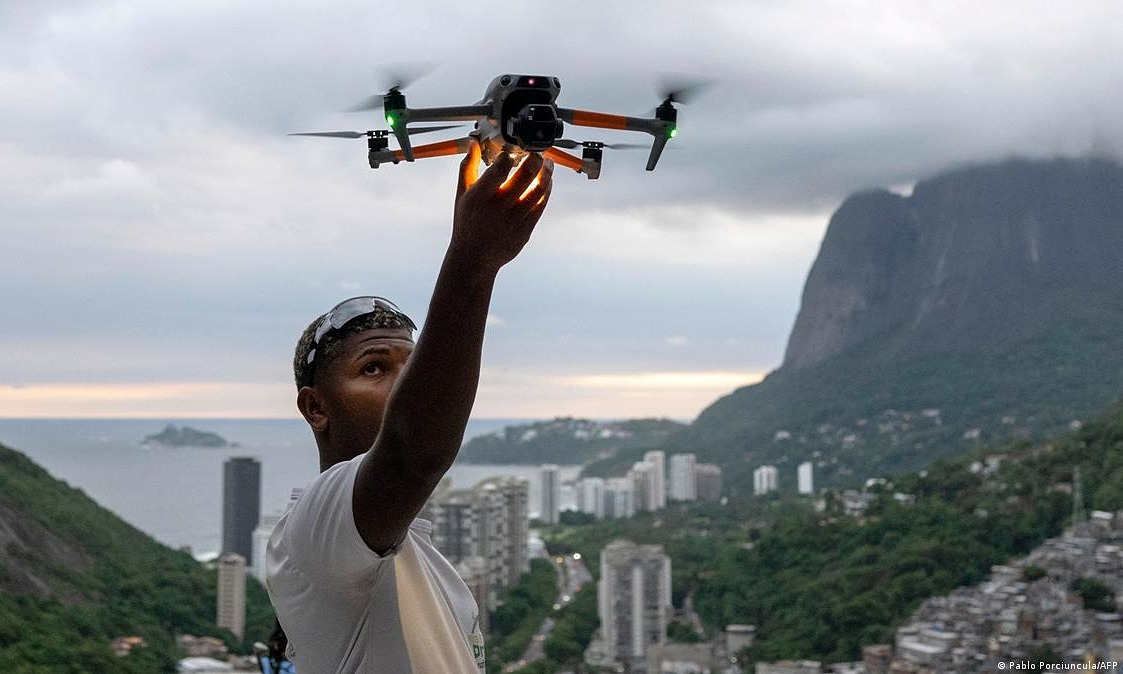 |
Victor Hugo de Jesus Ferreira, 19, a drone photographer, creates about 100 videos for tourists daily. He states the favela is now a main Rio attraction, mentioned even more than the Christ the Redeemer statue.
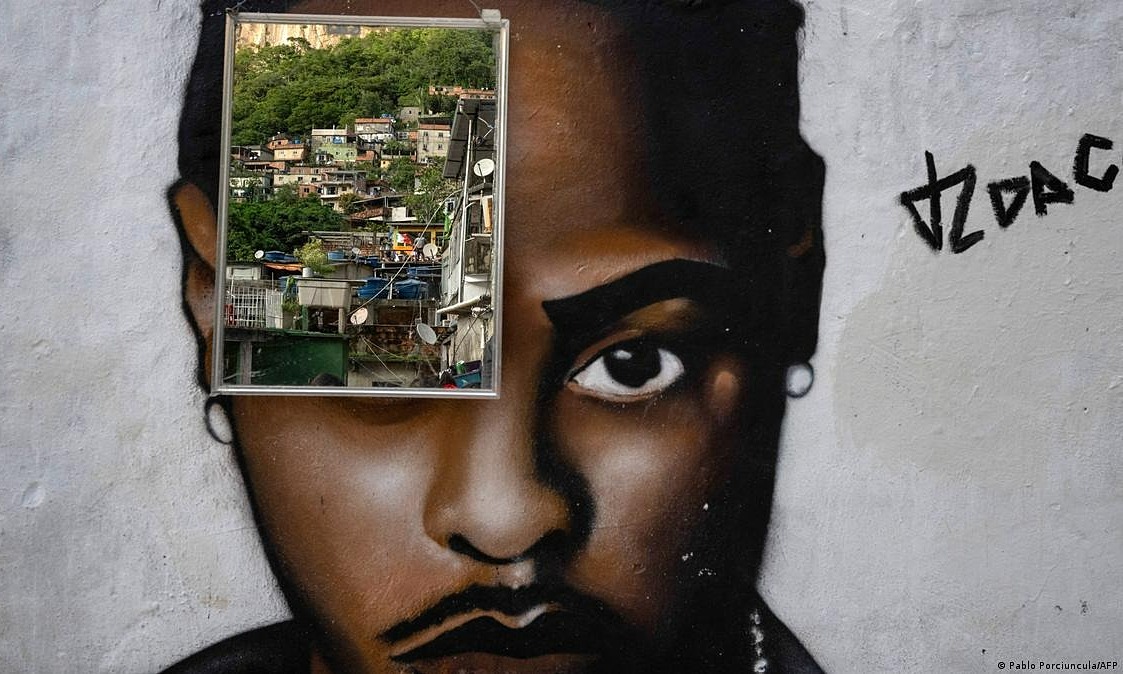 |
A wall mirror allows tourists to adjust their appearance before photos.
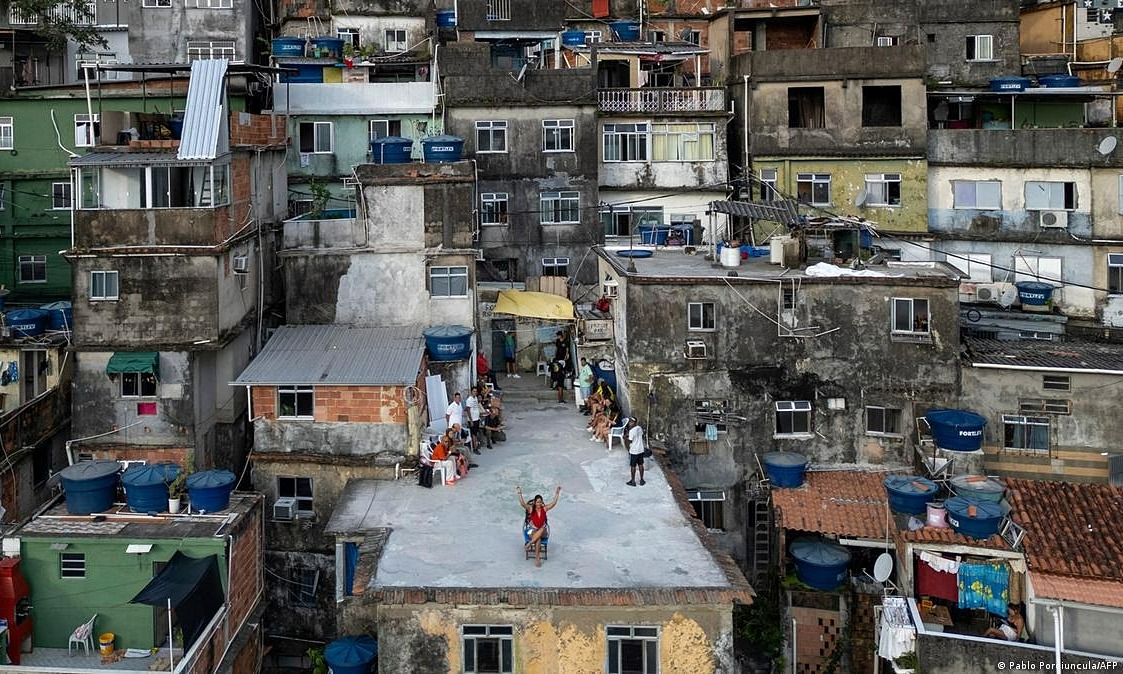 |
This is a favorite photo spot for visitors to the favela.
Marcelo Freixo, President of the Brazilian Tourism Board, visited and filmed at this popular photo spot. Following his trip, he pledged support for tourism development in the area.
 |
The favela's tourism boom mirrors Brazil's overall industry growth. Last year, the country welcomed a record 9 million international visitors, up from 6,7 million in 2024. This surge is driven by global demand for authentic experiences.
By Hoai Anh (Source: Guardian, AFP)