MICE, an acronym for Meetings, Incentives, Conferences, and Exhibitions, refers to a form of tourism that combines travel with business events. MICE travelers typically journey in groups, utilizing multiple services concurrently, including air travel, accommodation, transportation, conference facilities, dining, and entertainment.
Data from the Events Industry Council (EIC) and the Pacific Asia Travel Association (PATA) indicates that approximately 1.65 billion people participate in business events worldwide, generating USD 1,300 billion in direct spending. The trade exhibition segment alone contributes around USD 180 billion.
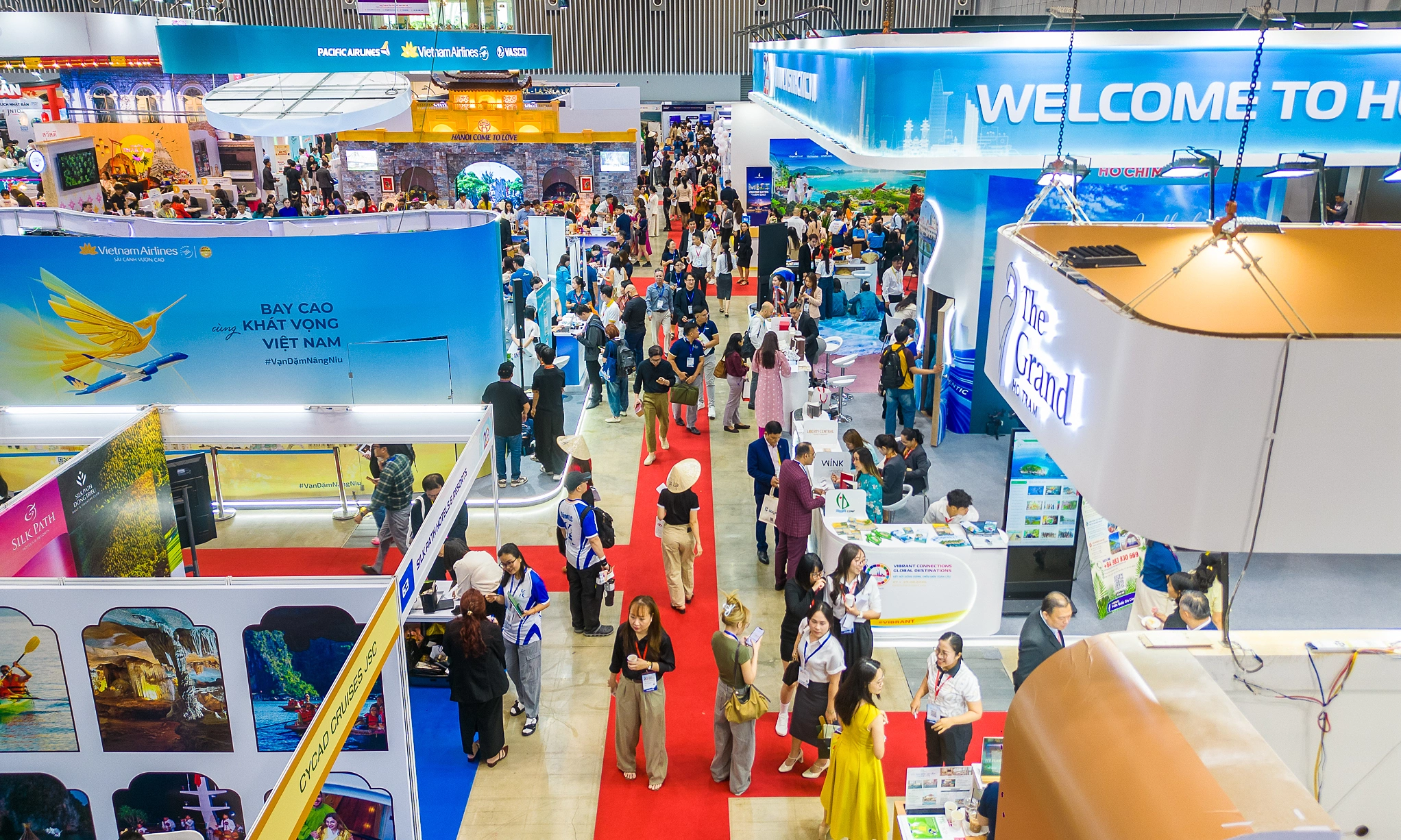 |
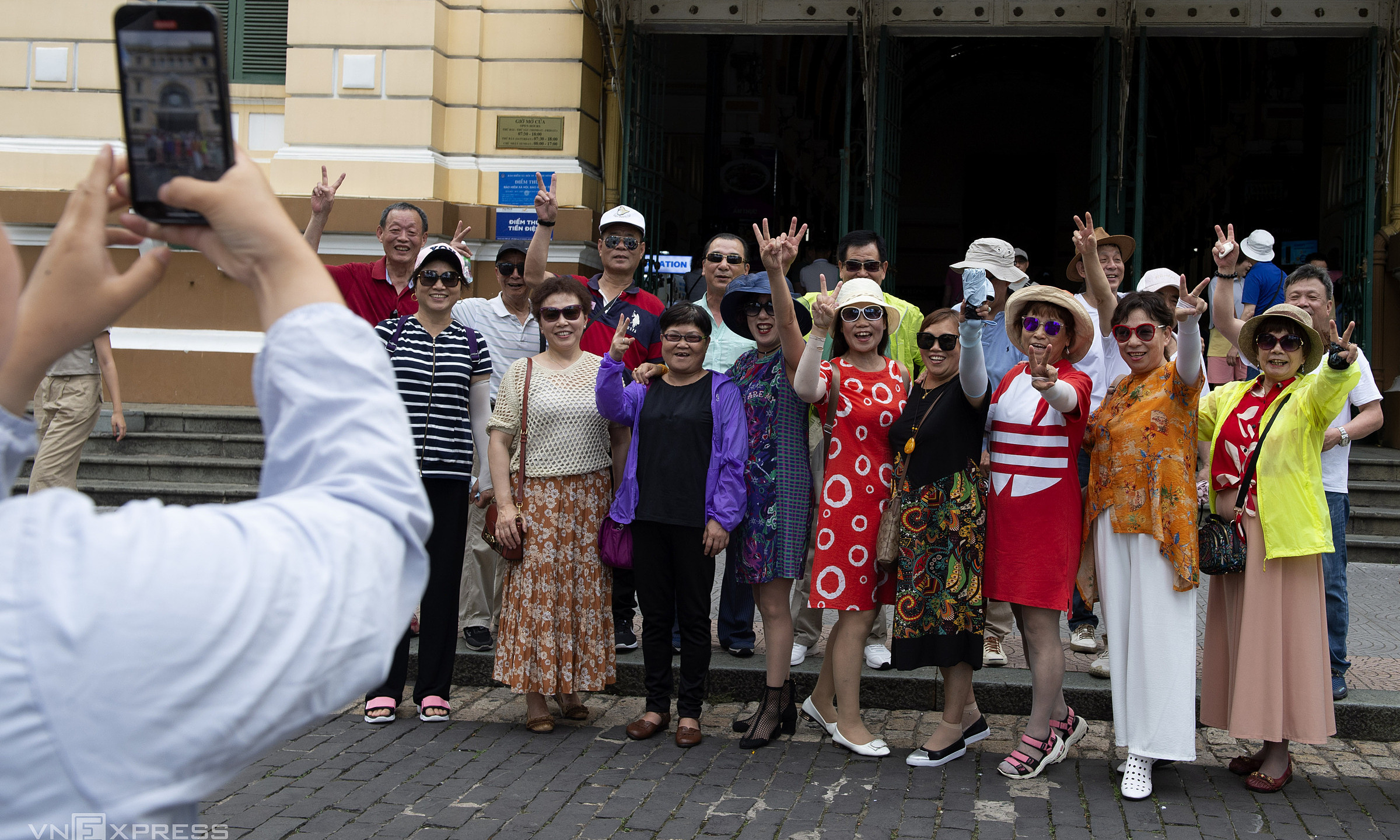
The Ho Chi Minh City International Travel Expo 2026 saw business representatives from over 40 countries and territories participating. Photo: Organizing Committee |
The Ho Chi Minh City International Travel Expo 2026 saw business representatives from over 40 countries and territories participating. Photo: Organizing Committee
MICE tourists spend three to six times more than regular tourists, stay longer, and impact a broader range of services. Noor Ahmad Hamid, CEO of PATA, stated that this high average spending, at USD 85 per trip, makes MICE a segment many developing economies are eager to leverage.
At the High-level Tourism Forum, held within the 20th Ho Chi Minh City International Travel Expo (ITE HCMC 2026) on 27/8, Deputy Prime Minister Pham Thi Thanh Tra emphasized that MICE should be positioned as a strategic product for Vietnam's tourism. This approach targets high-quality travelers, driving trade and investment, and solidifying tourism's role as a key economic sector.
Domestic travel agencies and hotels recognize the value of MICE in its ability to generate revenue across multiple services simultaneously. Tran Thi Bao Thu, Marketing and Communications Director at Vietluxtour, highlighted MICE as a comprehensive solution that integrates communication, events, and budget optimization for businesses.
"Businesses identify MICE as a strategic core, a benchmark for organizational capacity, financial potential, and brand reputation", she said, noting that South Korea and India currently contribute a significant and impressively growing number of MICE visitors to her company.
For hotels, the benefits of MICE extend beyond room revenue. Mandy Tran, Sales Director at Vinpearl Landmark 81, Autograph Collection in TP HCM, explained that MICE groups help fill rooms during international low seasons, such as large Indian groups often arriving from May-August. These groups also generate income from events, conferences, dining, space rental, equipment, spa services, and transportation.
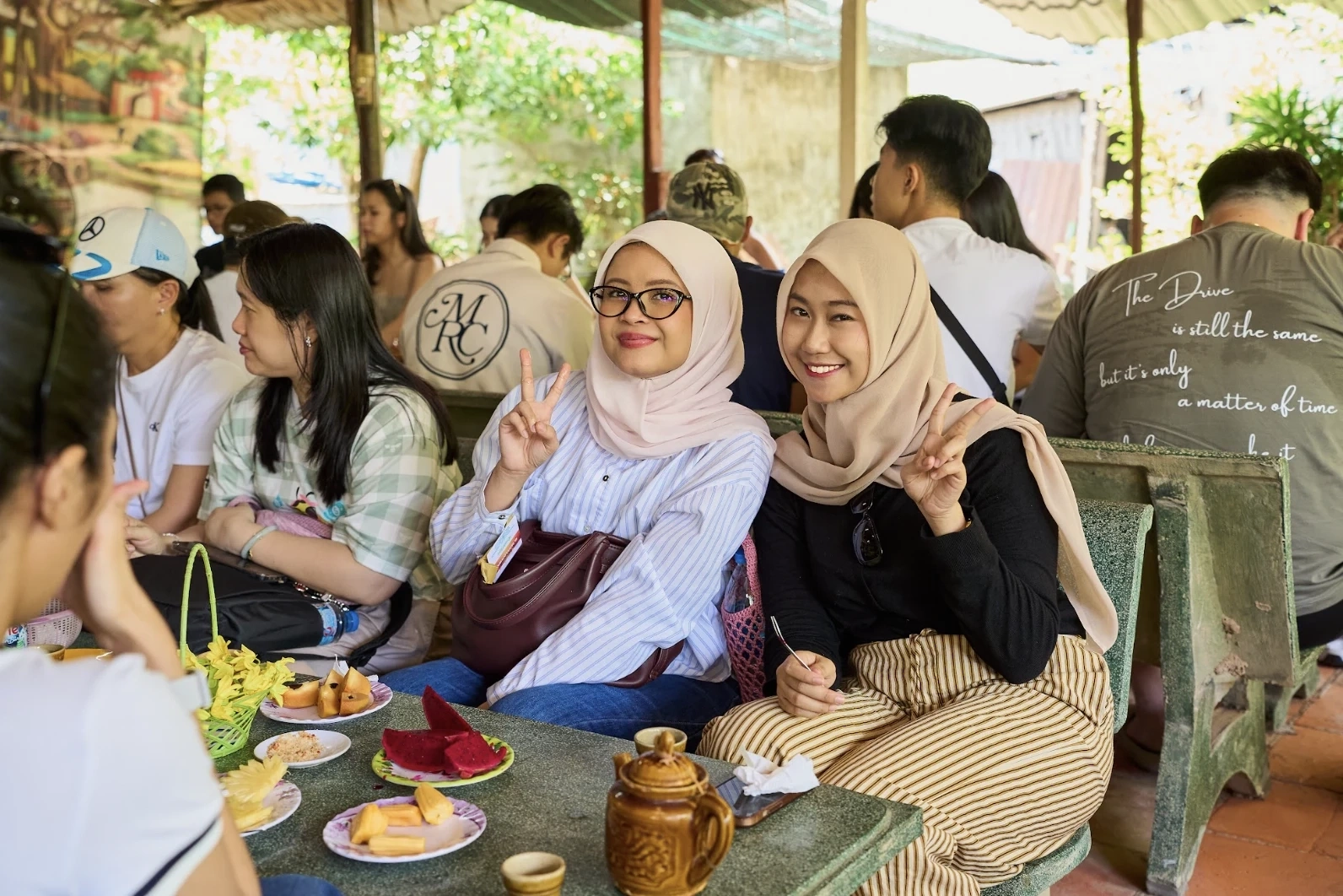 |
Indonesian tourists in a MICE group of nearly 1,000 people arrived in TP HCM in May. Photo: L.N |
Indonesian tourists in a MICE group of nearly 1,000 people arrived in TP HCM in May. Photo: L.N
Vietnam's 90-day e-visa policy and expanding international direct flight routes are providing additional impetus for this segment. However, Vietnam faces competition from regional destinations with developed MICE ecosystems, such as Thailand. According to the Thailand Convention and Exhibition Bureau (TCEB), Thailand's MICE industry is projected to generate an estimated 338 billion baht (USD 10 billion) in total economic impact by 2025.
Tran Thi Bao Thu pointed out that the biggest challenges in hosting MICE groups include inconsistent infrastructure, a scarcity of convention centers capable of accommodating 2,000-3,000 guests simultaneously, traffic congestion, and a lack of high-caliber nightlife entertainment options. David Mann, Chief Economist for Asia-Pacific at Mastercard, added that the advantage of leading MICE destinations like Singapore and Hong Kong lies not only in the scale of their infrastructure but also in their connectivity and convenience for travelers.
Noor Ahmad Hamid emphasized that infrastructure must be coupled with effective destination organization and positioning. Thailand, for example, has the specialized agency TCEB, which implements the "Change That Matters" strategy and consistently hosts global-scale events. The IMF/World Bank Group Annual Meetings 2026 in Bangkok are expected to draw 18,000 delegates from 200 countries. In Melbourne, the MICE ecosystem is integrated with innovation and biomedical hubs like the University of Melbourne, the Walter and Eliza Hall Institute of Medical Research, and the Royal Melbourne Hospital, helping MICE events contribute over AUD 10 billion annually to Victoria state.
A common characteristic among these successful destinations is the presence of a dedicated convention promotion agency. These agencies act as a central point for bidding to host events and connecting the supply chain. Noor Ahmad Hamid suggested that Vietnam should establish a specialized Convention Promotion Department or Committee to lead infrastructure planning and international brand building.
Vietluxtour representatives proposed three solutions: simplifying and digitizing visa procedures while prioritizing entry for large MICE groups; implementing a "one-stop shop" mechanism for event licensing; and establishing a national or local MICE bidding support fund to enhance Vietnam's competitive advantage in securing international events.
"This will be a strategic boost to re-plan infrastructure, build an international brand, and position Vietnam as a leading MICE hub in Asia within the next decade", she concluded.
Bich Phuong