RR stands for "Random Review." This unique code has been increasingly appearing on boarding passes, particularly at major Indian airports such as Indira Gandhi International (Delhi) and Chhatrapati Shivaji Maharaj (Mumbai), causing confusion for many passengers.
According to travel expert Katy Nastro, if passengers have previously undergone additional security checks with the "SSSS" (Secondary Security Screening Selection) symbol in the US, then "RR" is a similar version implemented in India. If this symbol is present, passengers are required to complete an extra screening step before boarding.
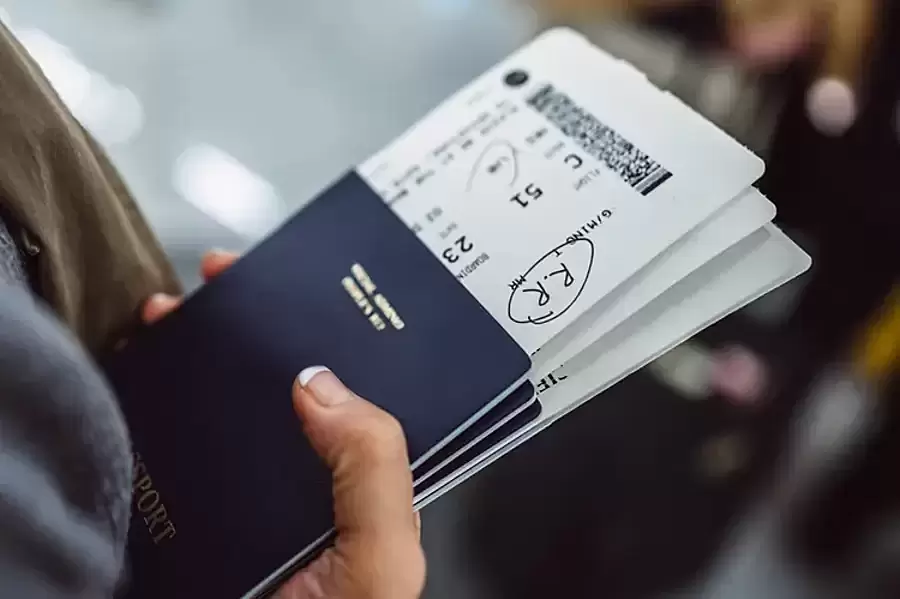 |
RR symbol on a boarding pass. Photo: Tang Minh Tung |
The "RR" screening process varies by airport and airline but is typically conducted directly at the boarding gate. Security personnel re-check identification documents and passports. In some instances, passengers must open their carry-on luggage, undergo specialized swab tests for explosive traces on electronic devices, or answer brief interview questions about their residence and travel plans.
This process is part of India's multi-layered aviation security system. Passengers pass through document verification checkpoints before entering the terminal, followed by baggage screening and additional checks near the departure gate. India's Civil Aviation Security Bureau (BCAS) strictly monitors this system.
Gary Leff, an aviation expert and author of The View from the Wing blog, stated that despite being called "random," this process can sometimes be intentional. Leff explained, "Passengers may be flagged based on intelligence alerts, baggage profiles, or other operational factors. The percentage of passengers who undergo this step is about 1-2%."
While the screening process is usually swift, there is a risk of delayed boarding. Therefore, experts recommend that passengers with an "RR" code on their ticket proactively arrive at the departure gate early, especially during peak travel periods.
Tam Anh (according to T+L)