Many travelers may not have noticed that everyone boards an aircraft from the left side. Most commercial flights use the left-side door for passenger boarding and disembarking. This practice originates from maritime tradition combined with practical operational efficiency in the aviation industry.
Michael Oakley, editor-in-chief of The Aviation Historian magazine, which specializes in aviation history, explains that many aviation terms derive from the maritime sector, such as "rudder", "cockpit", "cabin", "bulkhead", and "knots".
When the aviation industry emerged in the early 20th century, many concepts and practices from seafaring were adopted, including boarding aircraft from the left. Early aircraft, especially seaplanes, still used docks and gangways like ships, so this custom was maintained.
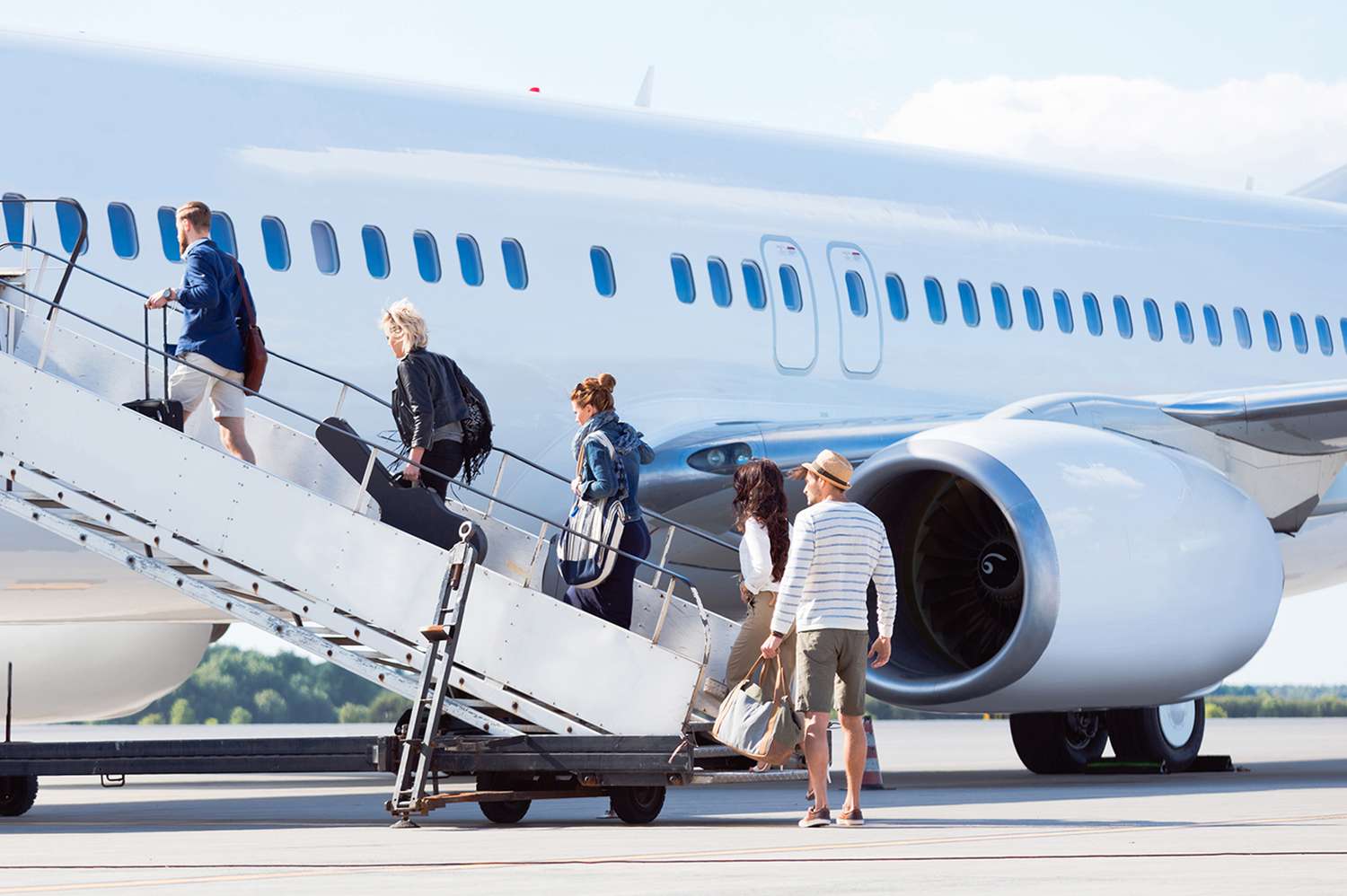 |
Passengers boarding an aircraft from the left. Photo: Travel + Leisure |
In maritime history, the right side of a ship is called "starboard" (from "steerboard", meaning the steering side). This is because the rudder or steering oar was typically placed on the right for easier control by the right hand, which is dominant for most people. If a ship docked with its right side to the shore, the rudder could easily collide and be damaged. Therefore, ships always docked and handled cargo and passengers from the left side, known as the "port side", to avoid such risks.
Today, the standardized practice of boarding aircraft from the left offers several practical benefits in modern aviation. Primarily, it helps separate passengers from ground staff. The right side of the aircraft is typically reserved for logistical operations such as refueling, loading baggage, catering, and waste disposal.
If passengers were to move on the right side, they could easily encounter ground operations, causing safety hazards and slowing down procedures. When passengers move only on the left side, operations become safer and quicker.
Second, this arrangement provides pilots with easier observation. The main pilot always sits in the left seat in the cockpit. When the aircraft approaches the airport gate with its left side facing the terminal, the pilot has a better view to dock the aircraft precisely, especially at airports without detailed ground guidance.
Third, using a common side globally standardizes operations. Airports across the planet design their gates, jet bridges, support equipment, and procedures around left-side boarding. This allows aircraft to fly anywhere, preventing chaos when changing countries or airlines.
Hoai Anh (According to Daily Mail)