The U.S. Navy announced on 16/3 that a third sailor was evacuated from the USS Gerald R. Ford aircraft carrier for onshore treatment due to injuries sustained in a laundry room fire last week. The fire, which originated from a dryer vent in a laundry room aboard the USS Gerald R. Ford on 12/3, took the crew over 30 hours to bring under control, according to the NYTimes, citing unnamed sailors and U.S. military officials.
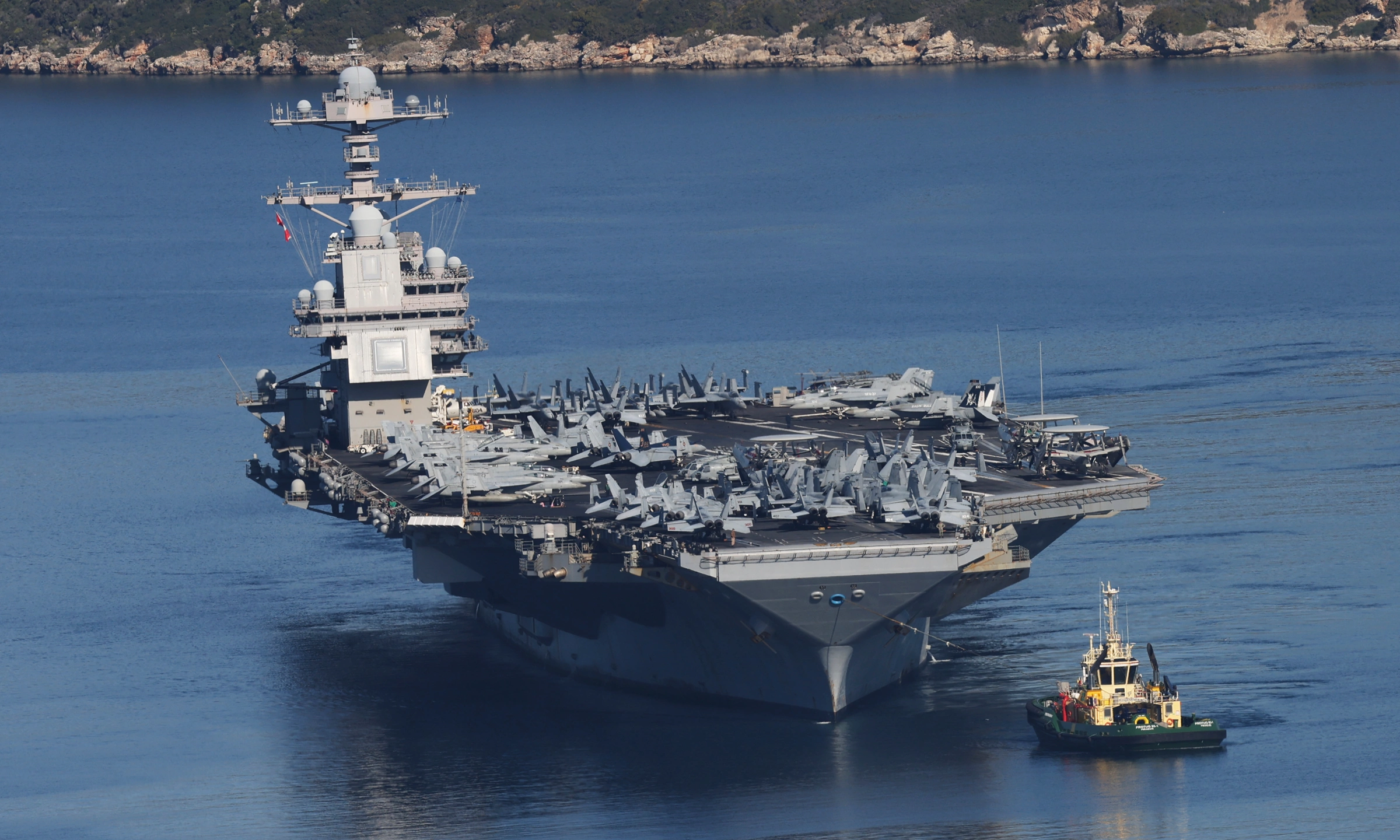 |
The supercarrier USS Gerald R. Ford departing Souda naval base on the island of Crete, Greece, on 26/2. Photo: AFP
The fire displaced over 600 sailors, forcing them to sleep on floors and tabletops. Additionally, many crew members have been unable to do their laundry in recent days. The USS Gerald R. Ford carries a total of 4,500 sailors and aviators, most of whom sleep in cramped bunk beds within shared living quarters. The U.S. Navy has not yet commented on the information. The U.S. Central Command (CENTCOM) reported that dozens of personnel on board suffered smoke inhalation, but the fire did not impact the engine system or nuclear reactors.
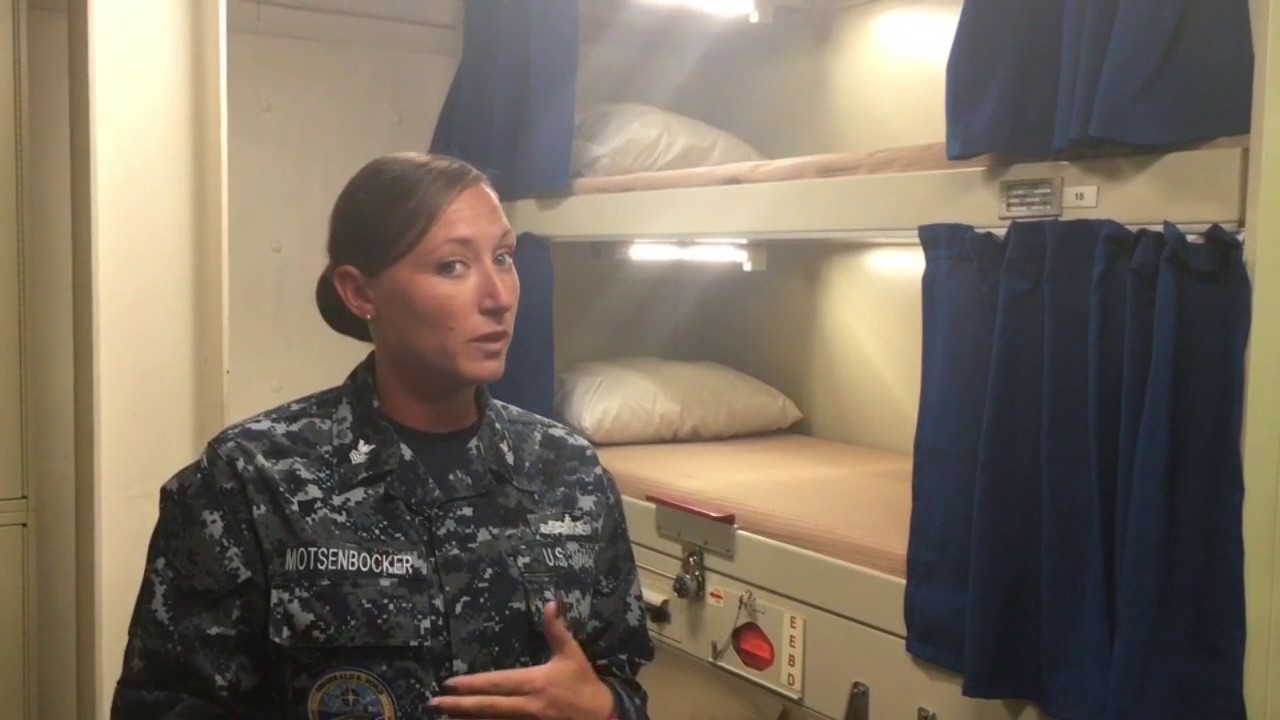 |
Bunk beds for sailors on the USS Gerald R. Ford aircraft carrier. Photo: 13News
Measuring 337 m long and 78 m wide, the USS Gerald R. Ford is currently the world's largest aircraft carrier. The vessel is now in its 10th consecutive month of deployment, having been redirected from the Caribbean to the Middle East to participate in airstrike operations against Iran. If the carrier continues operations at sea until mid-april, this will mark the longest U.S. aircraft carrier deployment since 1975. Crew members on the Ford have been informed that the deployment will likely extend until may, potentially meaning a full year at sea, double the typical deployment duration for an aircraft carrier.
The Ford is also the most expensive warship in U.S. naval history, with a delivery cost of nearly 13 billion USD. However, the warship encountered numerous issues during construction, leading to delays and cost overruns, and has experienced various malfunctions during its missions at sea.
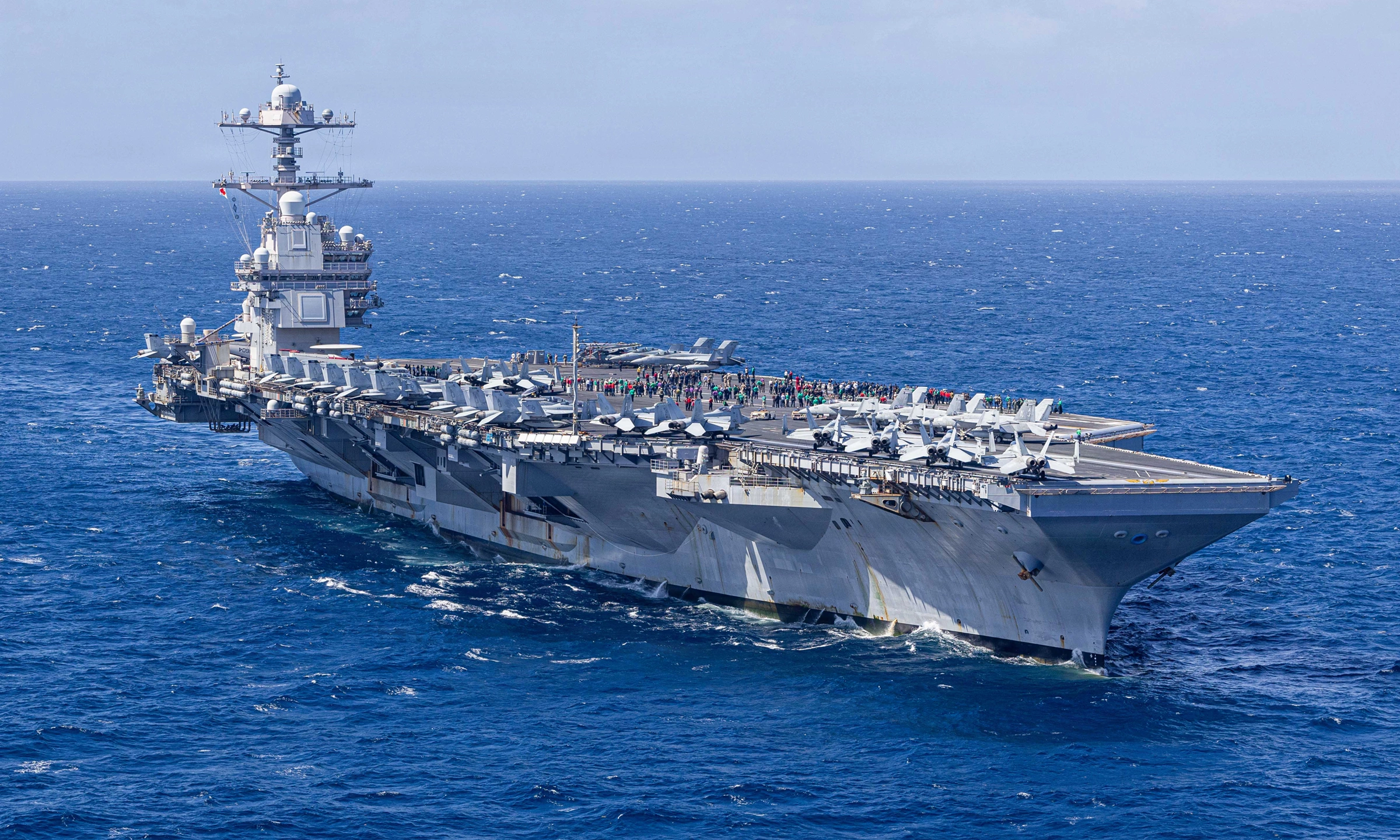 |
The USS Gerald R. Ford aircraft carrier in the Caribbean Sea on 19/1. Photo: US Navy
The recent fire is the latest in a series of issues for the Ford. Last month, U.S. media reported that the ship's system of 650 toilets frequently clogs due to design flaws, a problem so common it has been dubbed a "toilet crisis". To clear the blockages, the Navy must use special chemicals, costing 400,000 USD per application.
Observers believe the Ford's extended deployment will pose challenges for both the warship and its crew. John F. Kirby, a former Pentagon spokesperson, explained, "wear and tear increases during long voyages. You cannot operate a ship at high intensity for extended periods and still expect it and its crew to maintain peak performance."
Military officials also stated that a major maintenance and upgrade period scheduled for the USS Gerald R. Ford at the Newport News shipyard in Virginia earlier this year was postponed. One official noted that the Pentagon recognizes the Ford is "reaching its limit," adding that the USS George H.W. Bush is preparing to deploy to the Middle East and will likely replace the Ford, allowing it to return to its homeport.
Duc Trung (According to Washington Post, AP, CNN)