"No one, not even the most seasoned experts, could have anticipated them attacking," US President Donald Trump told reporters at the White House on 16/3. "Those countries are not close allies, but they are not adversaries either. They have lived alongside each other for many years."
The US president made the statement when asked if he was caught off guard and had not received prior warning about the risk of Iran attacking neighboring countries should conflict erupt.
He admitted he "was shocked" by Iran's aggressive response. "The United Arab Emirates (UAE) is like Iran's bank. Qatar is a neighbor and once had relatively stable relations. There are also Saudi Arabia, Kuwait, and Bahrain. No expert predicted this scenario," he stated.
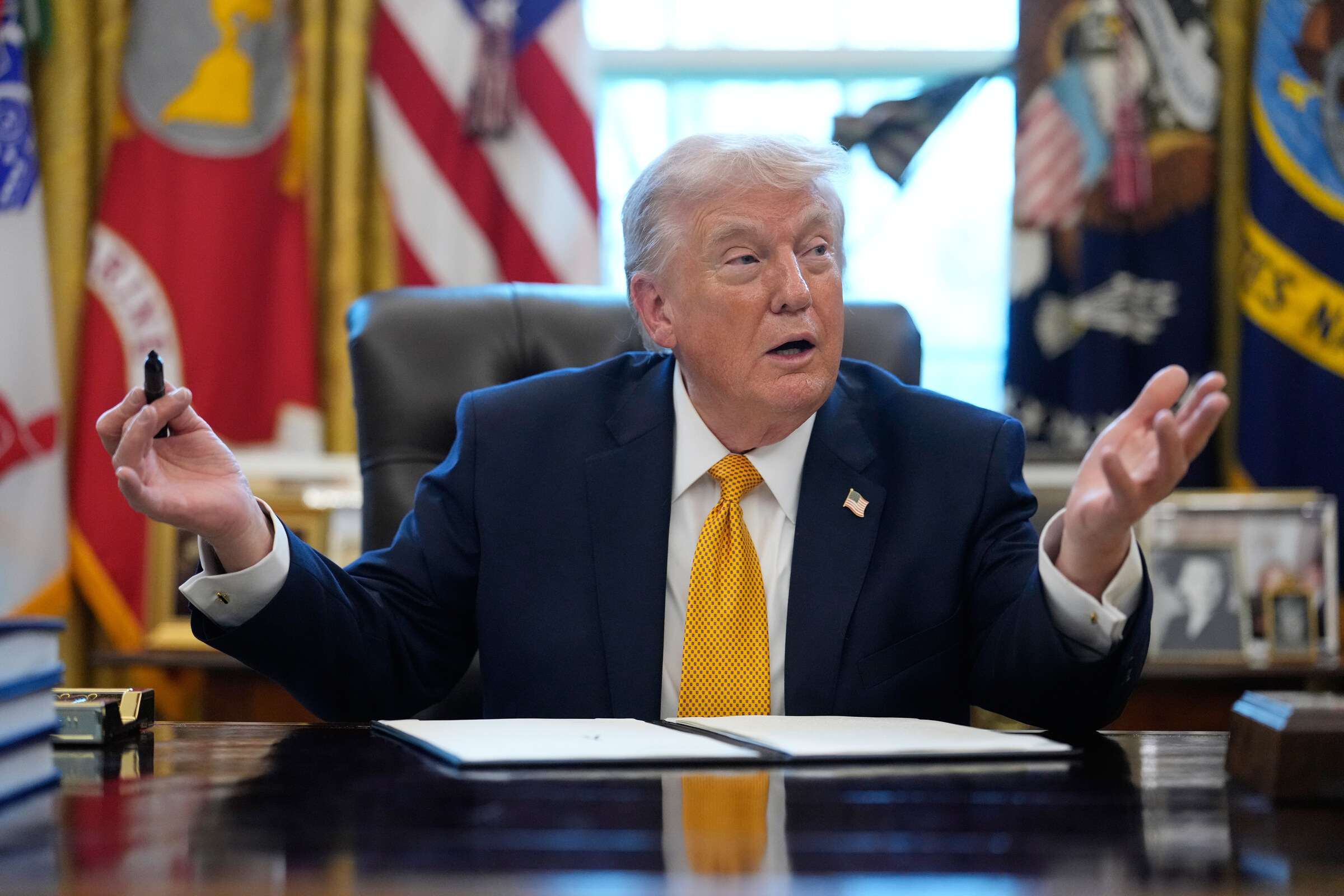 |
President Donald Trump speaks at the White House on 16/3. Photo: AP |
However, a US official and two sources familiar with intelligence told Reuters that President Trump had been warned well in advance about Iran launching retaliatory strikes across the Gulf. They stated that multiple pre-conflict intelligence assessments had listed this scenario as a probable outcome.
According to the two sources, Trump was also briefed on the risk of Iran blockading the Strait of Hormuz after the US and Israel launched an air strike campaign.
CNN, that same day, citing informed sources, revealed that American, European, and Asian diplomats were increasingly frustrated by the Trump administration's failure to engage in dialogue to de-escalate the conflict.
They believe Washington failed to fully utilize traditional diplomatic channels, even in efforts to garner international support to reopen the Strait of Hormuz. No US official has emerged in a leading role in diplomatic efforts to restore the strategic shipping lane.
Secretary of State Marco Rubio was reportedly involved in related activities, primarily as acting US national security advisor. Despite this, dialogues between the US and its partners have yet to yield results. "The US could achieve more positive outcomes if it increased diplomatic engagement," a European diplomat noted.
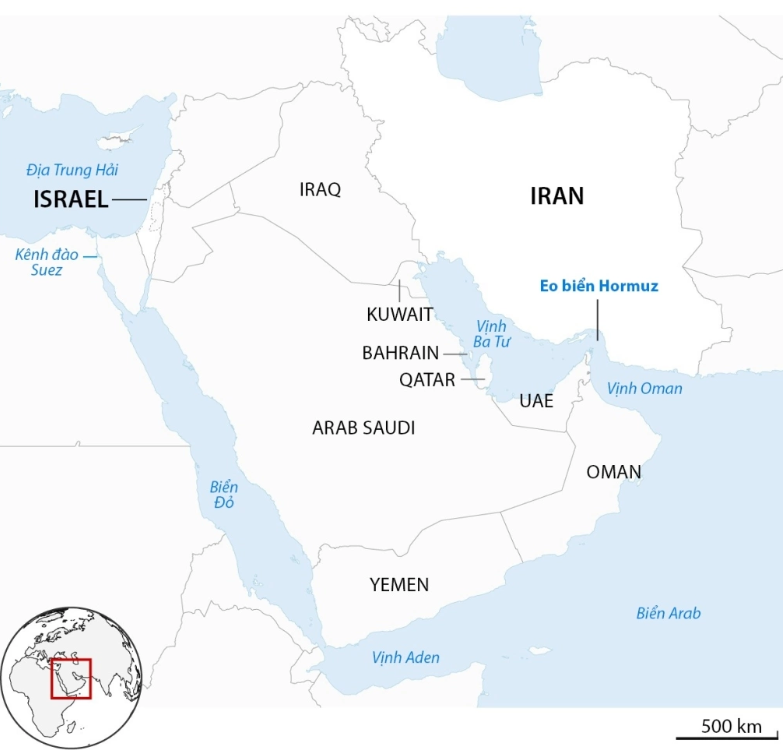 |
Iran, the Strait of Hormuz, and Middle Eastern countries. Graphics: Guardian |
After the US-Israel attack campaign launched on 28/2, Iran retaliated by launching missiles and unmanned aerial vehicles (UAVs) into Israeli territory, US bases in the Middle East, and key energy infrastructure in several Gulf countries.
The Strait of Hormuz, which transports 20% of the world's oil and liquefied natural gas, remains almost entirely blockaded, leading to escalating energy prices and raising concerns about inflation.
Many experts had long warned that Iran was prepared to attack regional nations, particularly those hosting US bases, should conflict erupt. Tehran had also repeatedly stated that any Middle Eastern country associated with Washington could be targeted.
Thanh Danh (According to CNN, Haaretz)