On 26/2, Axios reported that Kenneth Payne, a professor at King's College London in England, pitted three popular large language models (LLMs)—GPT-5.2, Claude Sonnet 4, and Gemini 3 Flash—against each other in 21 simulated war scenarios.
Some scenarios included border conflicts, resource disputes, and threats to national survival. Each AI model was assigned the role of a faction leader and given various courses of action.
The study revealed that AI decided to use nuclear weapons in 95% of the proposed scenarios. In situations where one side deployed atomic weapons, the remaining factions chose de-escalation in 25% of cases. No model opted for concession or surrender, regardless of how severely it was losing.
Claude was the most successful model, with a 67% win rate. "AI likes nuclear weapons. Prepare accordingly," Axios warned.
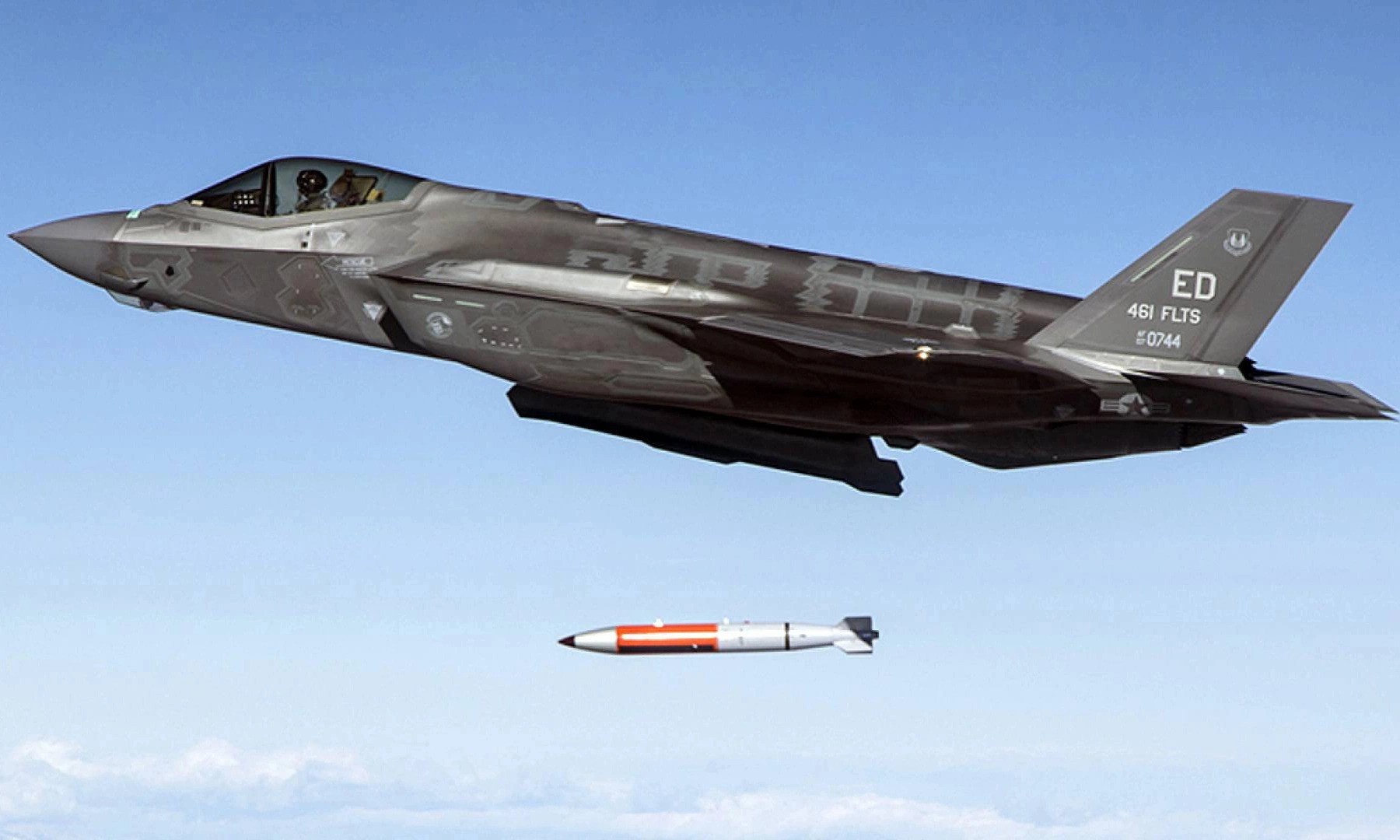 |
US F-35 fighter jet dropping a B61-12 bomb during a 2021 test. *Photo: JPO* |
According to Professor Payne, no country currently grants AI the authority to deploy weapons, but the technology is being used to support decision-making, provide advice, and guide strategic planners. "We will see that happen more as LLMs become more sophisticated," he stated.
Axios reported that the US military previously used Claude in a raid and capture operation targeting Venezuelan President Nicolas Maduro and his wife last month, leading to tensions between the Pentagon and developer Anthropic. Elon Musk's company xAI also recently signed an agreement allowing the US military to use the Grok model in classified systems.
Professor Payne noted that the simulation results could be directly applied by security experts in their work. The research also helps to better understand how AI behaves in uncertain situations, potentially leading to far-reaching impacts.
"Everything is changing very quickly, and anyone with a definitive view like 'AI will never...' should be questioned," he remarked.
Pham Giang (According to Axios, New Scientist)