In a statement today at the national assembly, Japanese prime minister Sanae Takaichi declared her respect for a 2021 expert panel's conclusion that "limiting succession rights to male descendants of the imperial lineage is appropriate."
"The government also respects this report," she stated.
This is prime minister Takaichi's clearest statement on a topic of growing debate amid fears of a succession crisis.
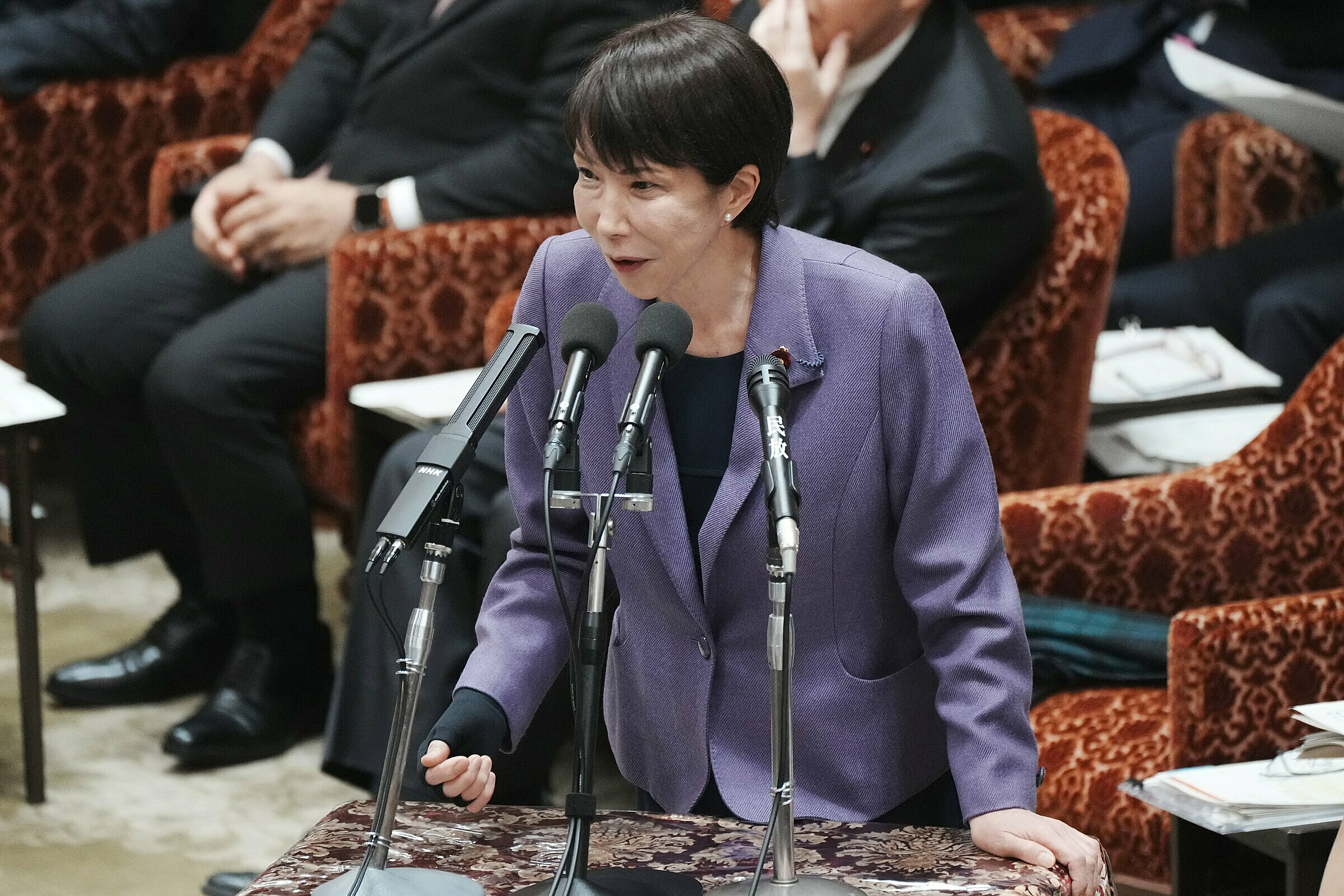 |
Japanese prime minister Sanae Takaichi speaks before the national assembly on 27/2. Photo: AFP |
The Japanese imperial family has a history spanning 2,600 years, with a rule that only males can inherit the throne. However, polls show public support for female imperial succession is growing. Emperor Naruhito has one daughter, princess Aiko.
Japan has debated succession for decades. In 2005, a key government panel recommended granting succession rights to the eldest child, regardless of gender. This recommendation seemed to pave the way for the emperor's daughter to succeed, but the birth of prince Hisahito, the emperor's nephew, the following year quieted the debate.
Prince Hisahito, son of crown prince Fumihito and princess Kiko, is second in line to the throne. Prince Hisahito is the only male member of the younger generation on the succession list, raising concerns about a potential succession crisis. If the rules remain unchanged, the future of the Japanese imperial family will depend entirely on prince Hisahito having a son.
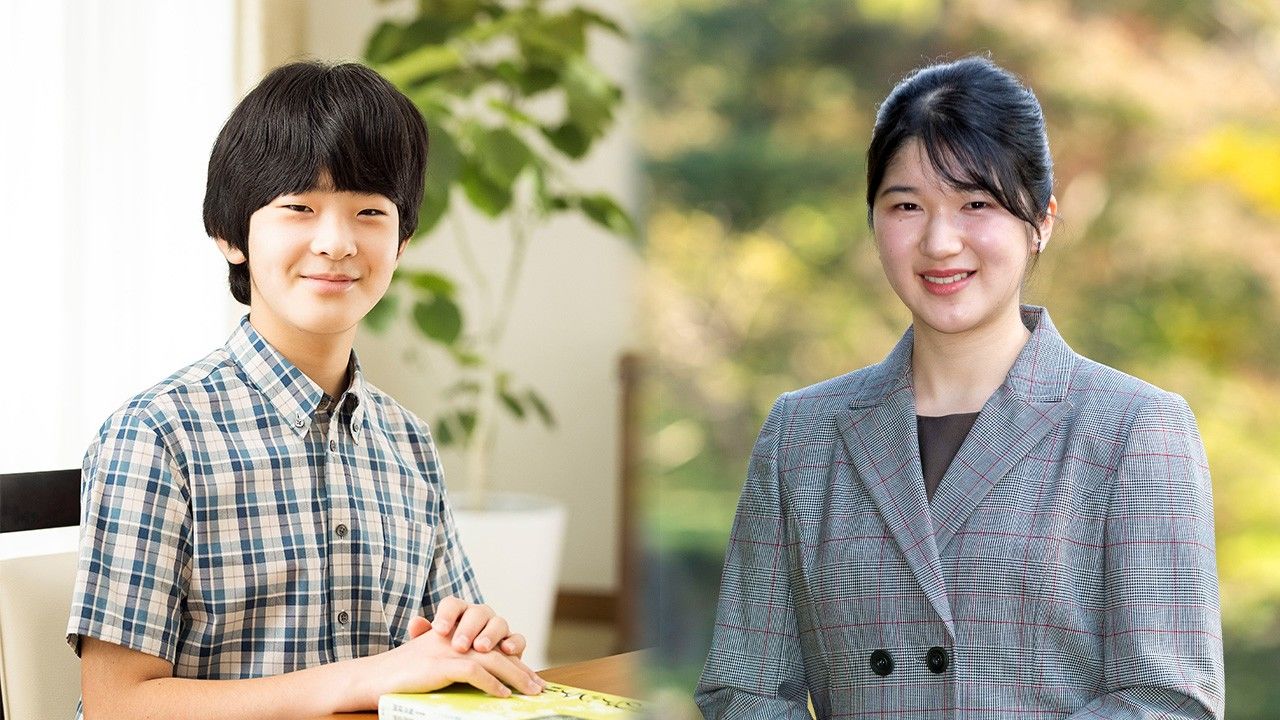 |
Prince Hisahito, son of crown prince Fumihito, and princess Aiko, daughter of emperor Naruhito. Photo: Nippon |
In 2021, a government-appointed expert panel proposed considering allowing the imperial family to "adopt" additional male members, meaning men from distant collateral branches could be reintegrated into the imperial family. However, it remains unclear whether those men would be willing to relinquish their careers and private lives to take on such responsibilities.
The panel also suggested that princesses, currently required to leave the imperial family upon marriage, could be allowed to continue public duties after their weddings.
Traditionalists assert that an unbroken imperial lineage through the male line is a foundation of Japan, and any major changes could cause social division. Under the post-war constitution, the imperial family holds no political power but is purely symbolic.
Historically, women marrying into the imperial family faced immense pressure to bear a son, and some imperial family members frequently became subjects of discussion in media and on social media.
Empress Masako, a talented former diplomat, struggled for years with a stress-related illness after joining the imperial family. Some suggest this stemmed from the pressure to produce a male heir. Empress dowager Michiko, emperor Naruhito's mother, also suffered from stress-induced illnesses.
Huyen Le (According to AFP)