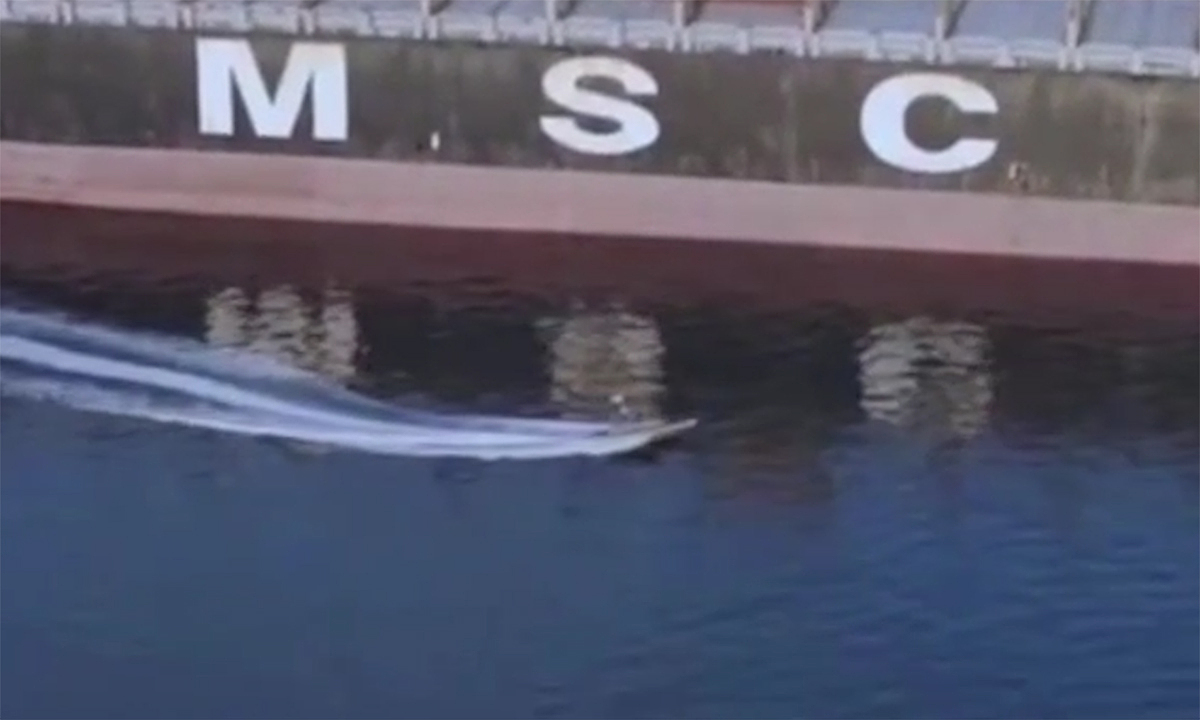
The UK Ministry of Defense announced on 22/4 that military divers are being prepared to participate in mine-clearing operations in the Strait of Hormuz. These divers are professional Royal Navy frogmen, extensively trained in neutralizing and clearing underwater mines.
This is considered a supporting option, alongside the use of unmanned equipment for mine clearance. The UK also confirmed it will provide unmanned mine-sweeping vessels as part of a multinational mission to reopen the Strait of Hormuz.
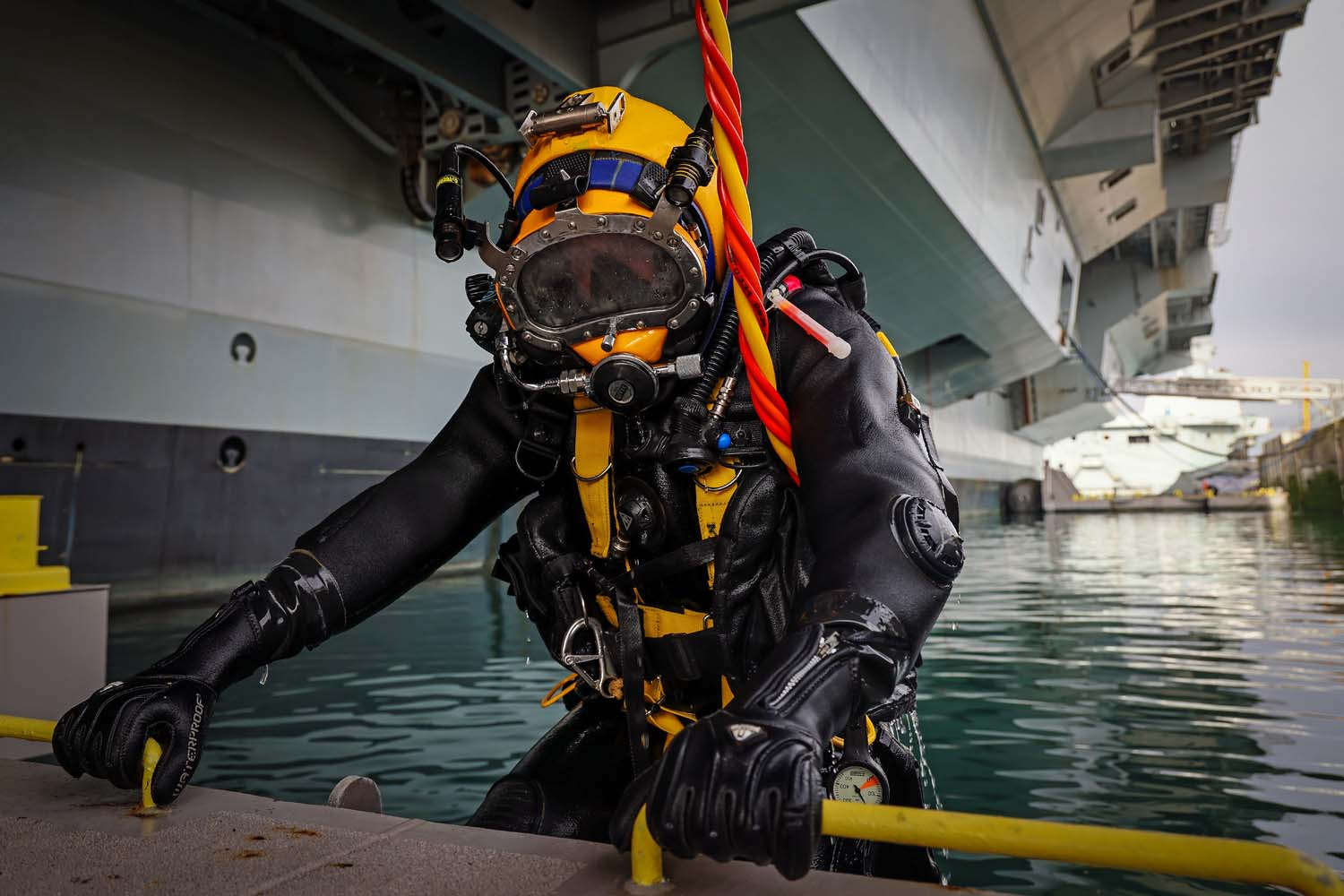 |
A Royal Navy frogman. Photo: Royal Navy |
According to Politico, the UK's move appears to be part of an effort to demonstrate to the US its serious commitment to ensuring the safety of the critical waterway through Hormuz. The UK had previously angered President Donald Trump by not participating in the US-Israel attack campaign in Iran, nor responding to calls to send warships to the strait.
The White House recently stated it did not need any assistance from Europe. President Trump even mocked the assets of the British navy as "toys".
It is currently unclear how the Royal Navy will coordinate with the US in mine-clearing efforts in the Strait of Hormuz. The Pentagon has not commented on the information.
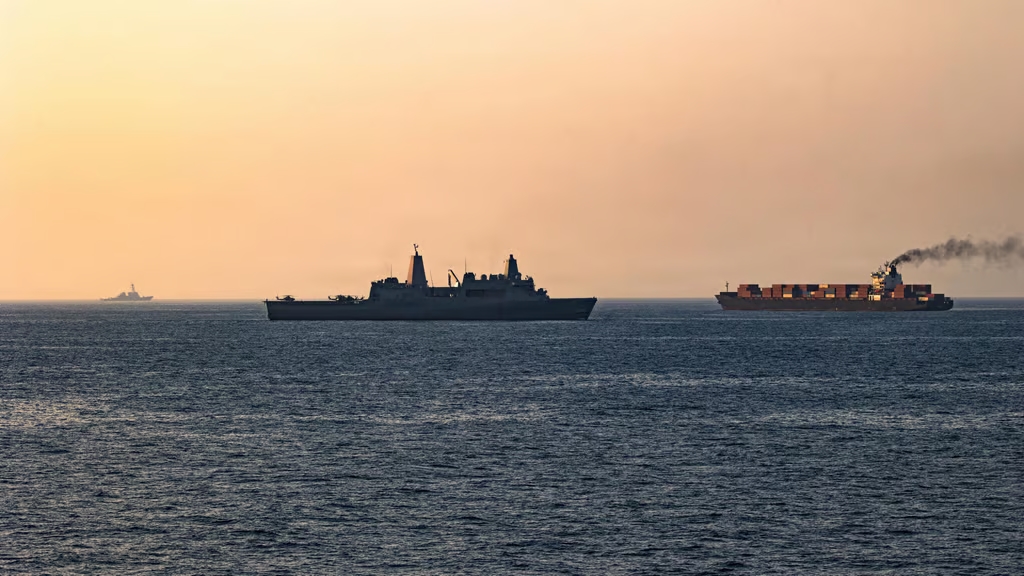 |
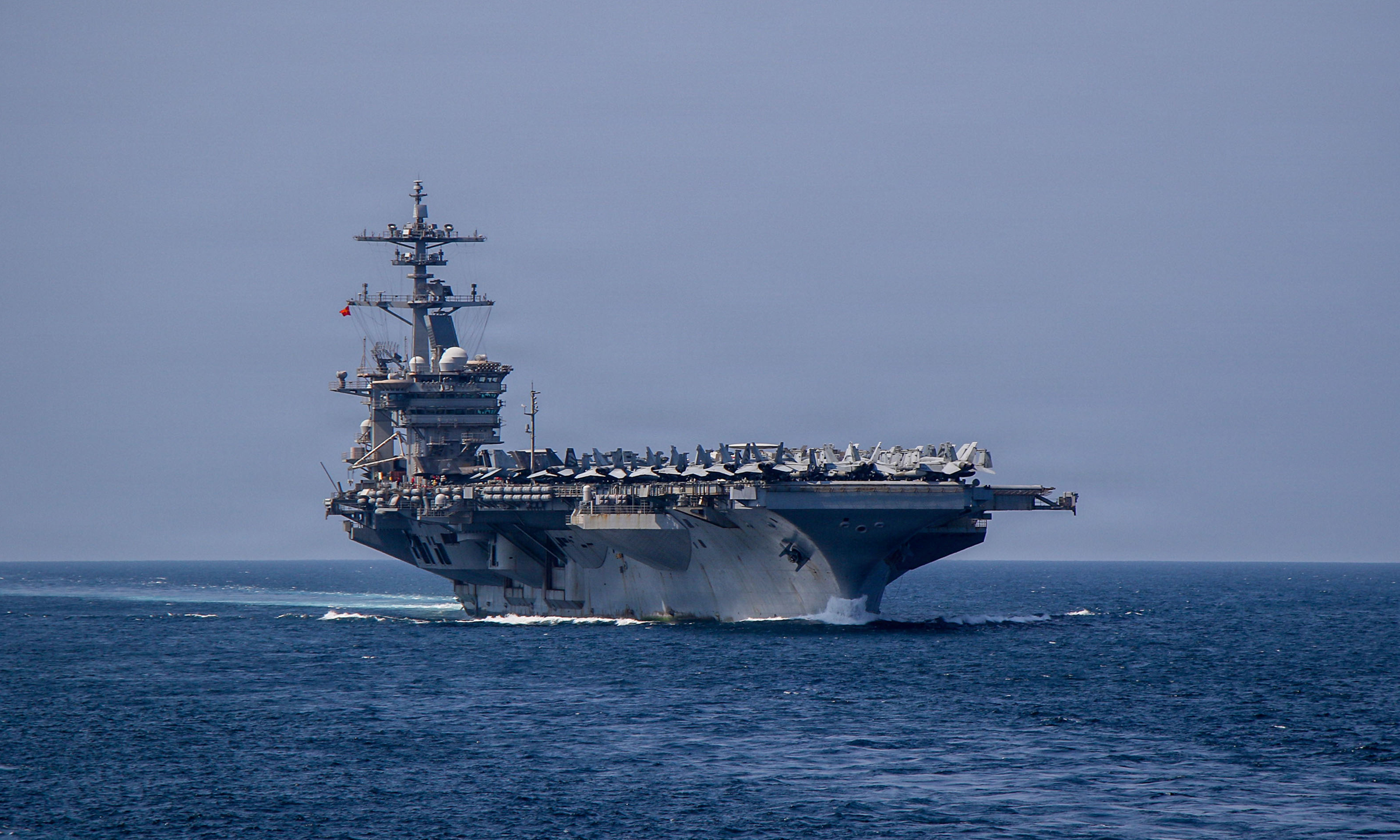
A US vessel patrols near the M/V Touska in the Arabian Sea near the Strait of Hormuz on 20/4. Photo: US Navy |
AP reported on 22/4, citing informed sources, that the Pentagon notified US lawmakers this week that it could take 6 months to clear all mines in the Strait of Hormuz area.
The Islamic Revolutionary Guard Corps (IRGC) is believed to have laid numerous mines in the Strait of Hormuz since hostilities with the US-Israel erupted on 28/2. NYTimes cited sources indicating Iran may have lost track of some mines and requested vessels to navigate close to its territorial waters for safety.
However, Iran on 18/4 announced it was re-imposing control over the Strait of Hormuz, reversing its previous announcement of a full reopening for commercial vessels made the day before.
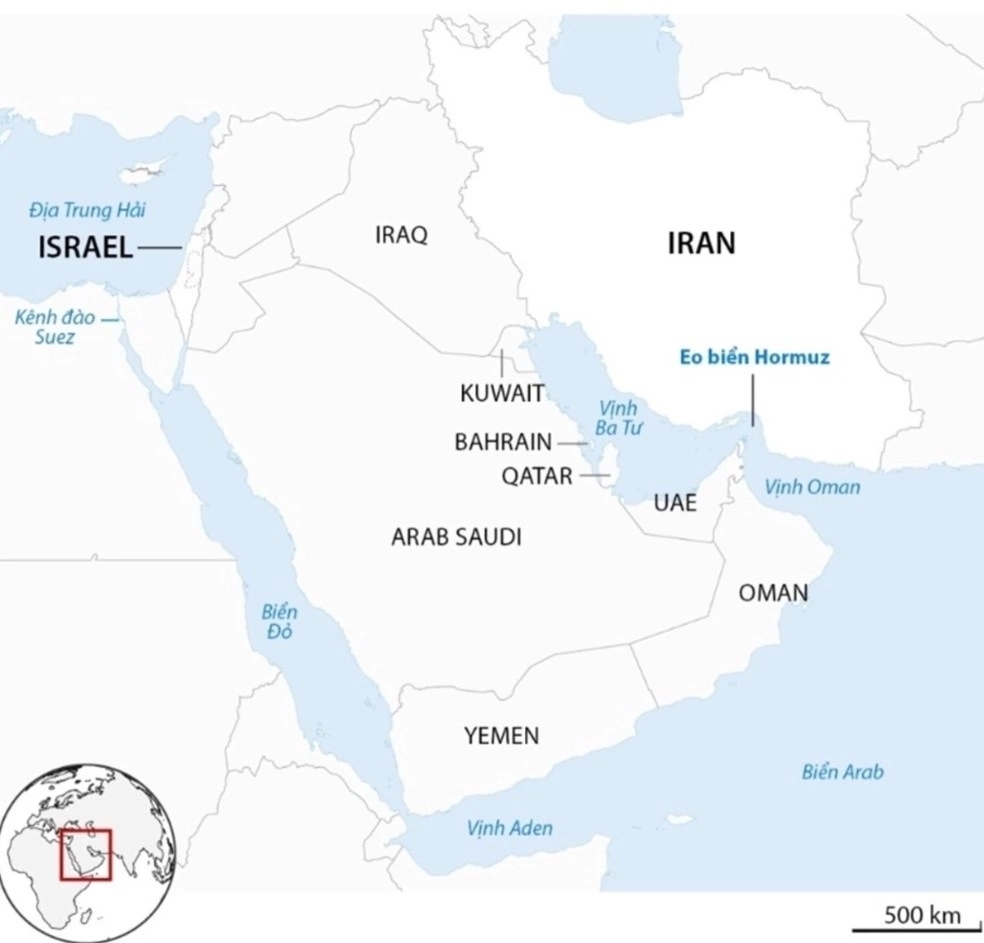 |
Location of the Strait of Hormuz. Graphic: Guardian |
Meanwhile, the US Navy is enforcing a blockade outside the Gulf of Oman, warning it will seize any vessel arriving at or departing from Iranian ports, as well as those that have paid fees to Tehran.
This situation leaves commercial vessels facing a "double blockade" when operating in the Strait of Hormuz. Tensions in this critical shipping lane remain high, despite the US extending a ceasefire on 21/4 to facilitate negotiation efforts.
Ngoc Anh (According to Politico, Times of Israel, CNN)