 |
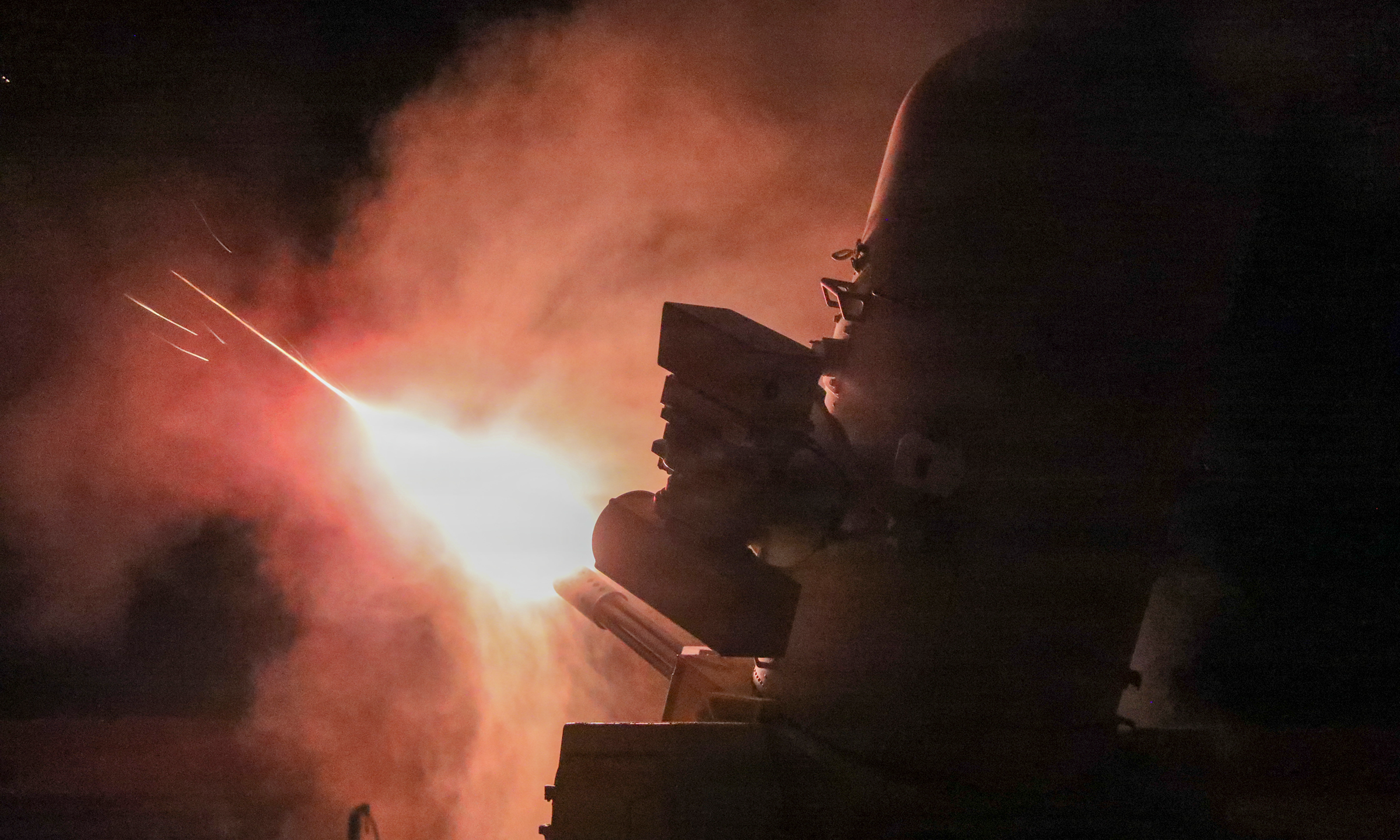
Reuters, citing Iraqi security sources, reported that the US embassy in Baghdad was attacked with rockets and at least 5 unmanned aerial vehicles (UAVs) on the morning of 17/3. A video released by CNN showed the C-RAM air defense system firing continuously, intercepting at least one target.
The counter-rocket, artillery, and mortar (C-RAM) system is deployed by the US in many parts of the Middle East. Its mission is to intercept unguided weapons and inexpensive unmanned aerial vehicles, thereby limiting the need to deploy costly air defense missile systems like the Patriot.
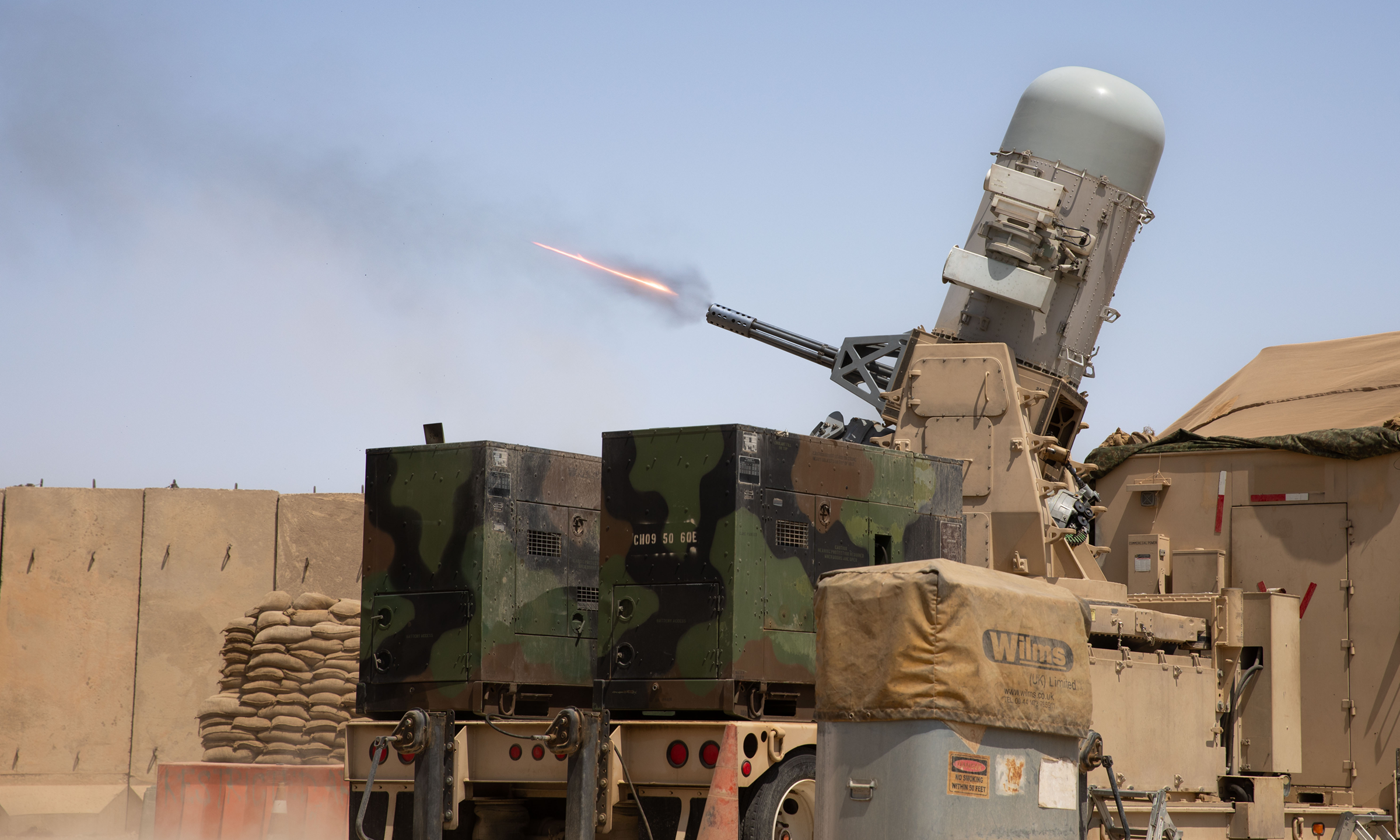
The image shows a C-RAM system firing during a test in the Middle East in 10/2025.
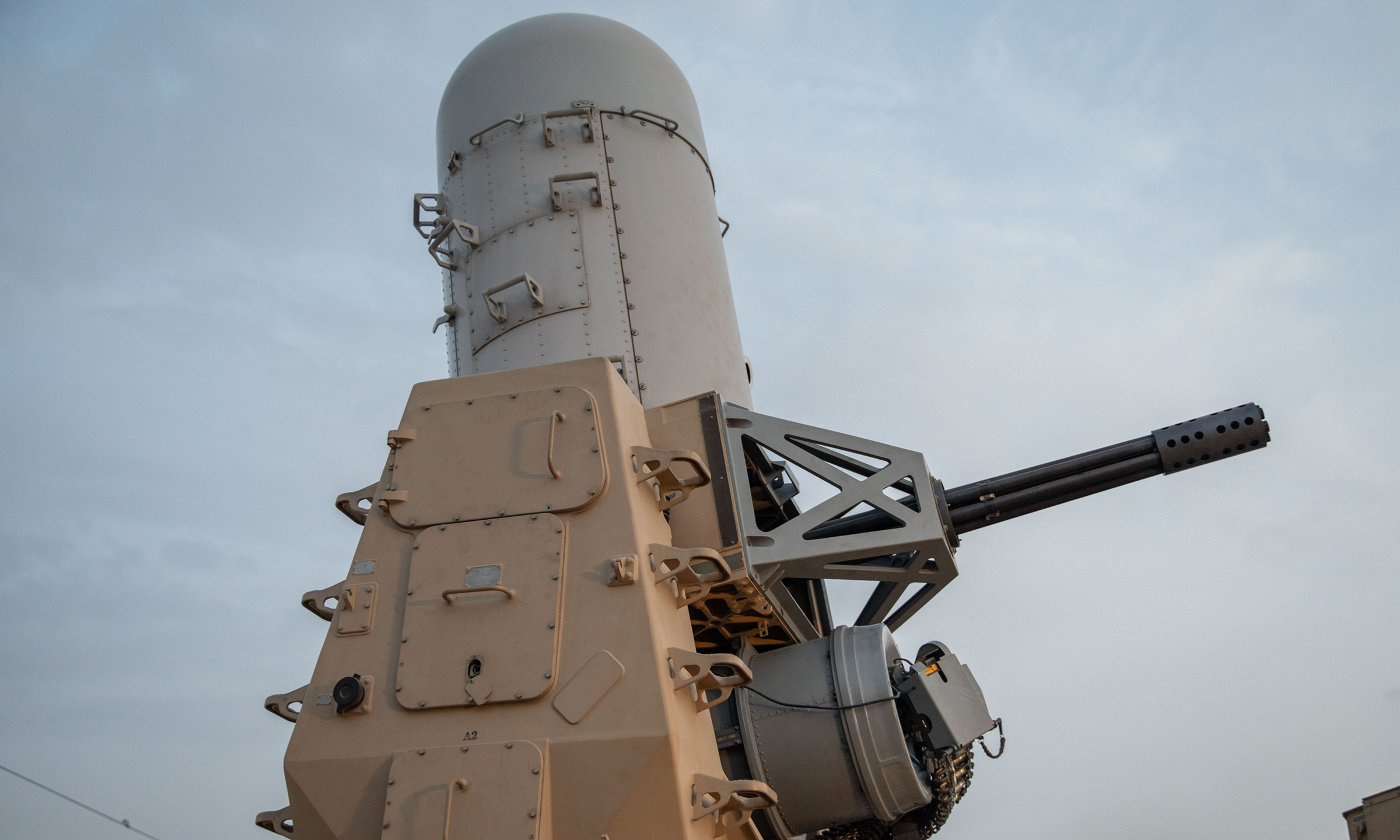 |
A C-RAM system positioned at Union III base in Iraq in 4/2025.
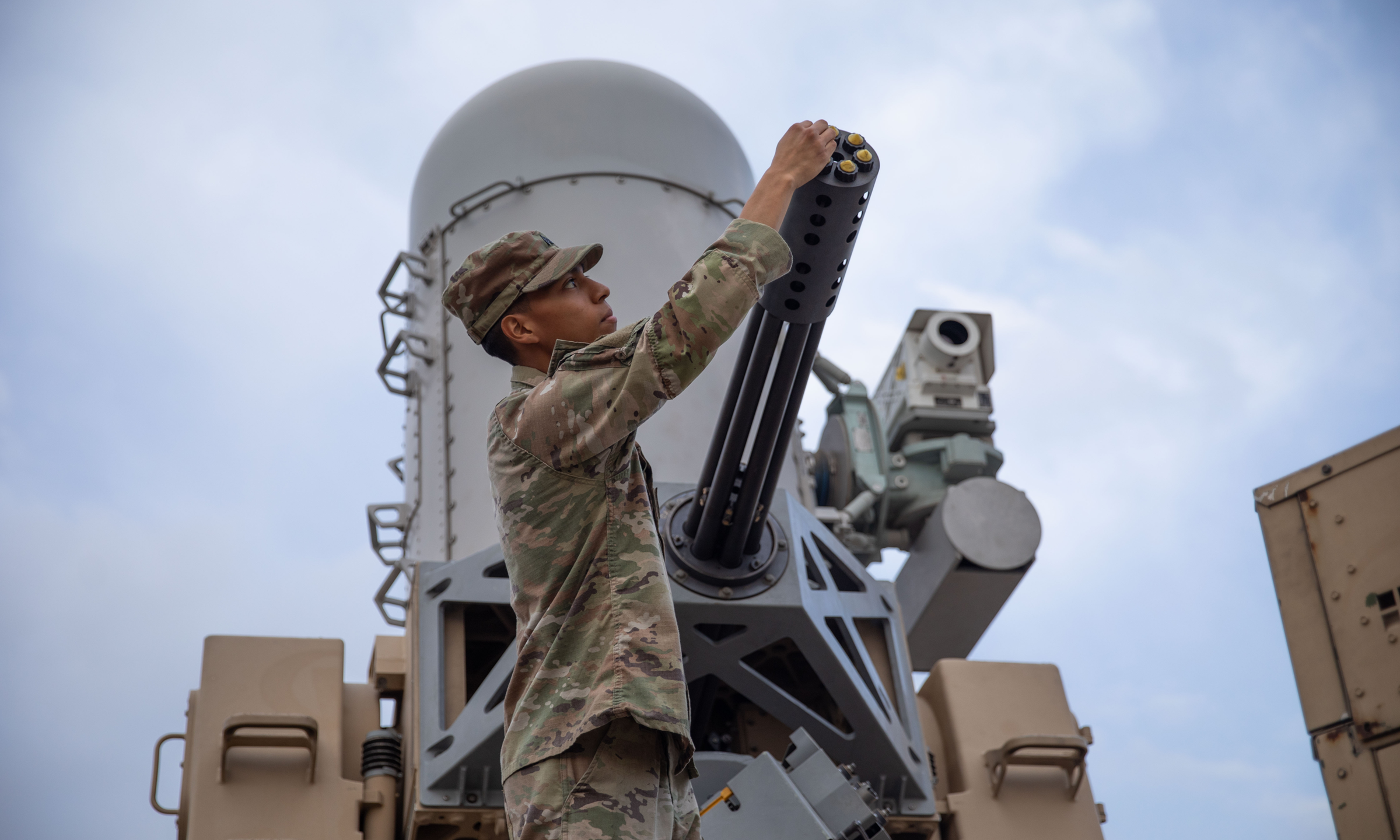
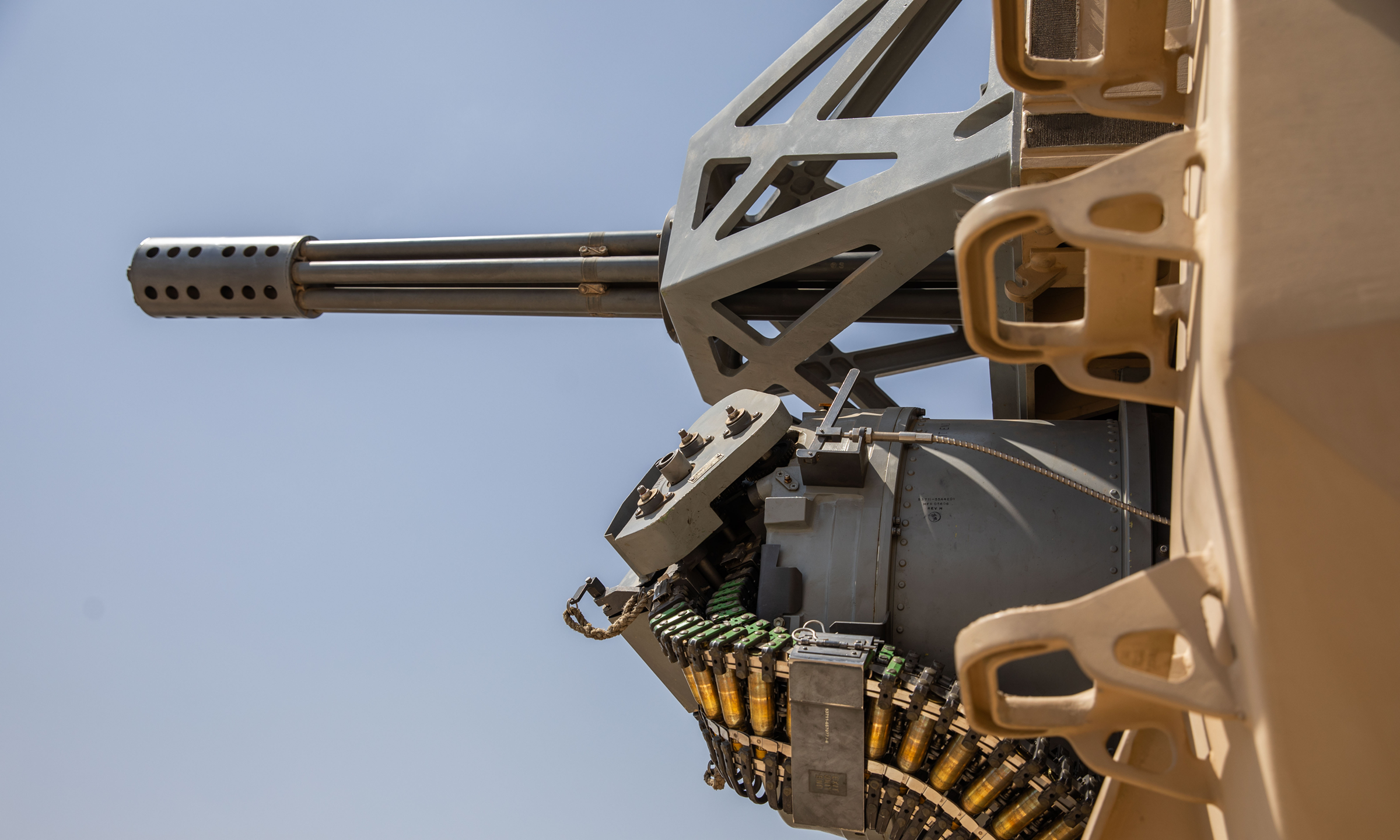
C-RAM is considered the ground-based version of the Phalanx close-in weapon system used on US and allied warships. Both utilize radar and a 20 mm M61 gatling gun. A C-RAM system can achieve a firing rate of 4,500 rounds per minute, creating a dense barrage of fire to neutralize incoming targets.
The system can operate autonomously, with target detection and tracking based on the AN/TPQ-36 active electronically scanned array radar, housed within the white dome on top, along with an adjacent infrared sensor.
 |
According to estimates by the US-based non-governmental organization Missile Defense Advocacy Alliance (MDAA), the cost for each Patriot system intercept is nearly USD 4 million. For a C-RAM system, this figure is USD 8,100, as it typically requires 300 rounds, each valued at USD 27, to bring down one target.
Each C-RAM system is estimated to cost USD 10-15 million, excluding ammunition and operating expenses. In contrast, a complete Patriot system is valued at approximately USD 1,1 billion.
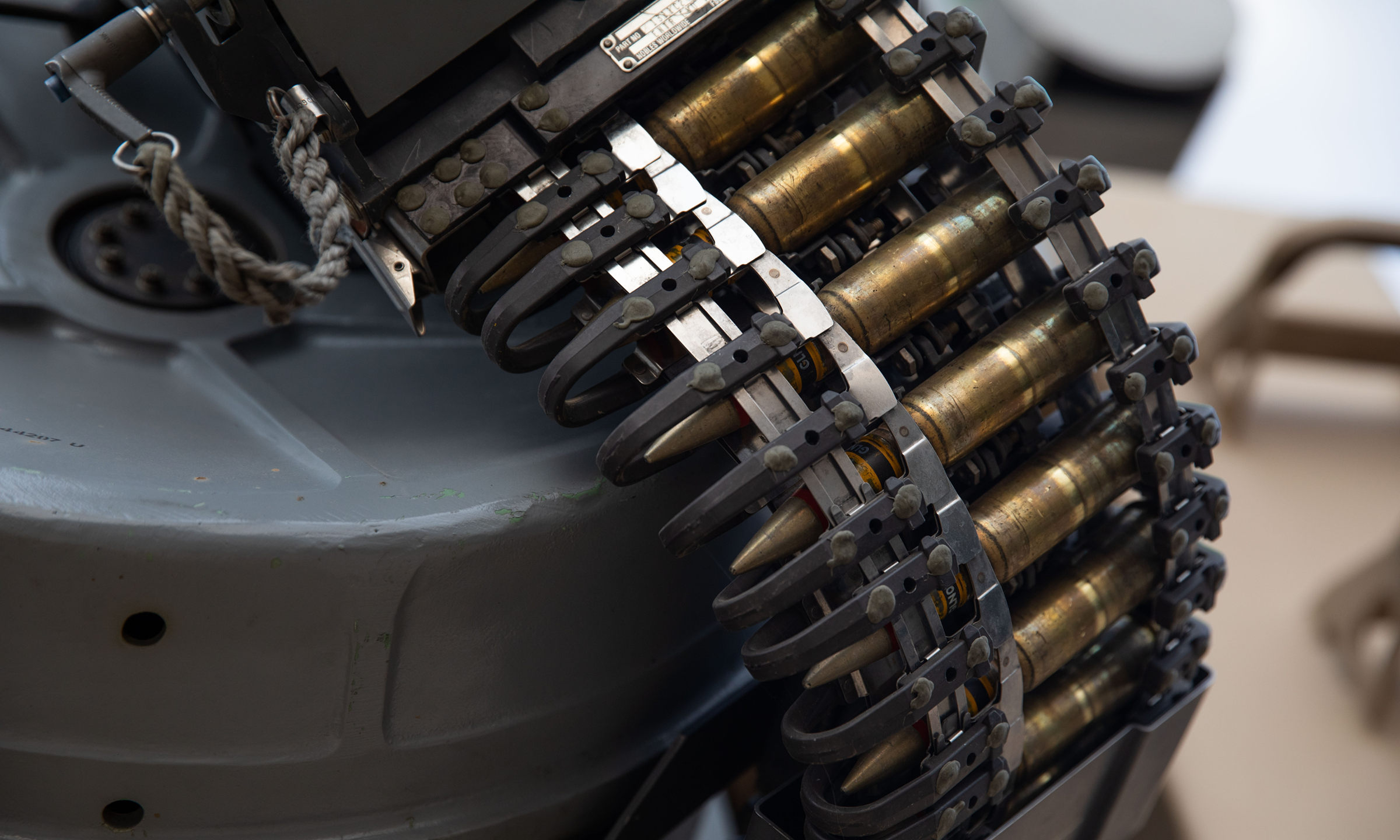 |
A 20 mm ammunition belt for the C-RAM.
The Phalanx defense system on warships uses tungsten-core armor-piercing rounds, whereas C-RAM specifically fires multi-purpose tracer self-destruct (MPT-SD) rounds. This design aims to mitigate the risk of unintended damage on the ground.
C-RAM has a maximum range of 2,300 m and an effective range of 2,000 m, safeguarding an area with a 1,2 km radius around its deployment location.
 |
C-RAM serves as the final shield within the defense network at US military bases and diplomatic facilities. In locations such as Iraq's capital, Baghdad, where US infrastructure can face sudden attacks from close range, defense systems like C-RAM play a critical role.
 |
A drawback of C-RAM is its suitability only for low-speed, stable-flight targets such as unmanned aerial vehicles, rockets, and mortars. It cannot intercept long-range, high-speed weapons like ballistic missiles or continuously maneuvering assets.
Furthermore, C-RAM remains vulnerable to being overwhelmed if confronted with large-scale attacks involving numerous unmanned aerial vehicles or rockets.
Pham Giang (Photo: *US Army*)