On 12/5, the US Department of State released details from a late April phone call between Secretary of State Marco Rubio and Chinese Foreign Minister Wang Yi. During the call, they discussed vessel transit in the Strait of Hormuz. "The two leaders agreed that no nation or organization is permitted to collect fees for passage through international shipping lanes like the Strait of Hormuz," stated US Department of State spokesperson Tommy Pigott.
The Chinese Embassy in the US did not deny this information. Beijing hopes all parties will cooperate to restore normal traffic through the strait. A spokesperson for the Chinese embassy commented, "Maintaining safety and stability in the region, and ensuring unimpeded right of passage, aligns with the international community's common interests."
This information was released ahead of an important meeting between US President Donald Trump and Chinese President Xi Jinping later this week. The situation in the Strait of Hormuz is expected to be a key agenda item.
Reuters views this as an indication that both nations are seeking common ground. Their aim is to persuade Iran not to impose control over the strategic Middle Eastern shipping lane.
China maintains relations with Iran and is a major customer for its oil exports.
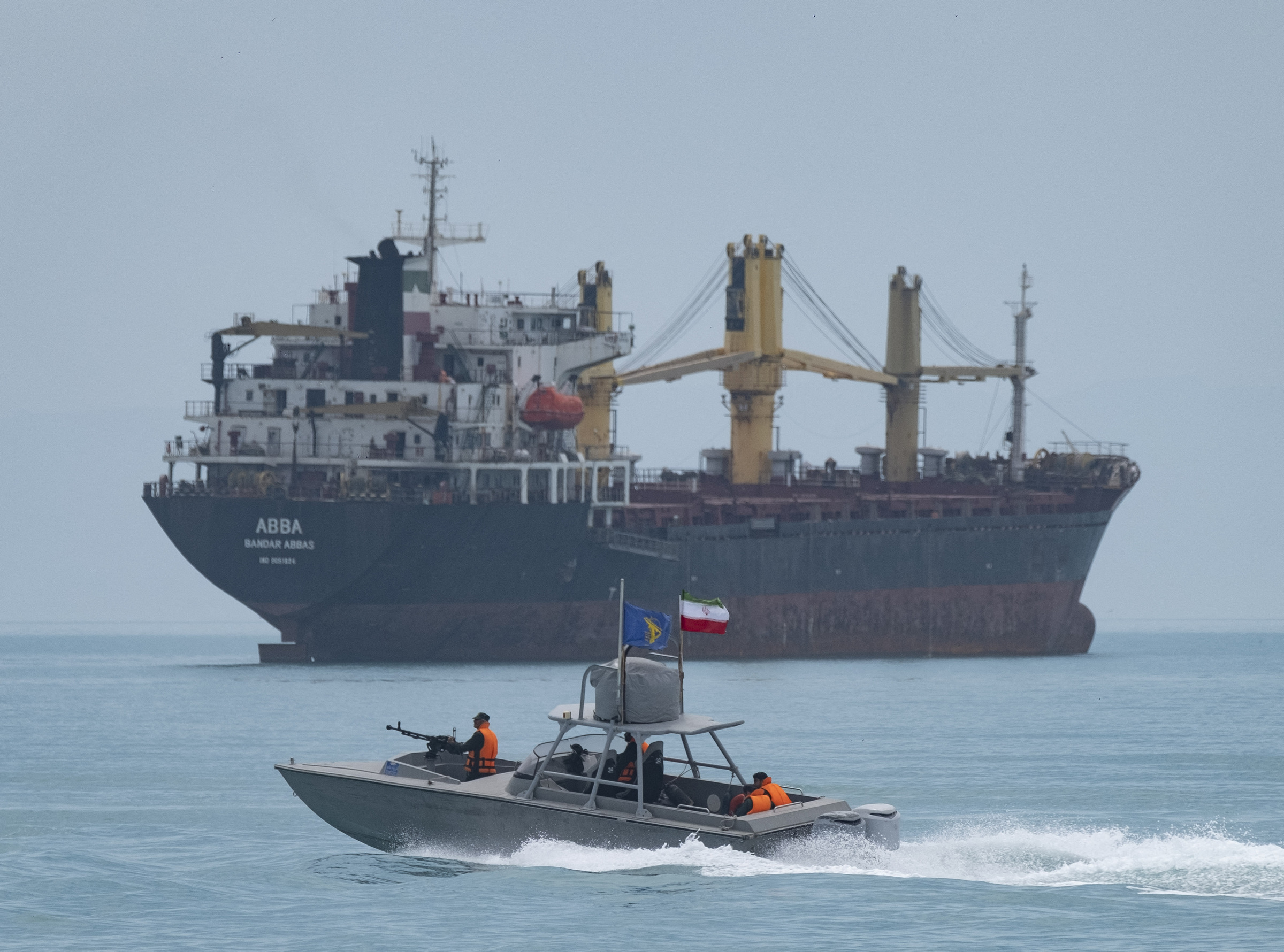 |
Iranian Revolutionary Guard Corps speedboats patrolling near the Strait of Hormuz in 4/2024. Photo: AFP |
Conflict between the US-Israel and Iran, which erupted on 28/2, largely blockaded the Strait of Hormuz. This conflict significantly impacted global energy markets.
Vessels continue to face obstacles attempting passage through the strait, despite a US-Iran ceasefire agreement in April. Tehran enacted a law to collect fees from vessels transiting the strategic strait, while Washington imposed blockades on opposing seaports.
President Trump previously mentioned the possibility of the US unilaterally imposing fees on ships passing through the strait or collaborating with Iran to collect such fees. However, the White House later stated he desired the shipping lane to be fully open, without restrictions.
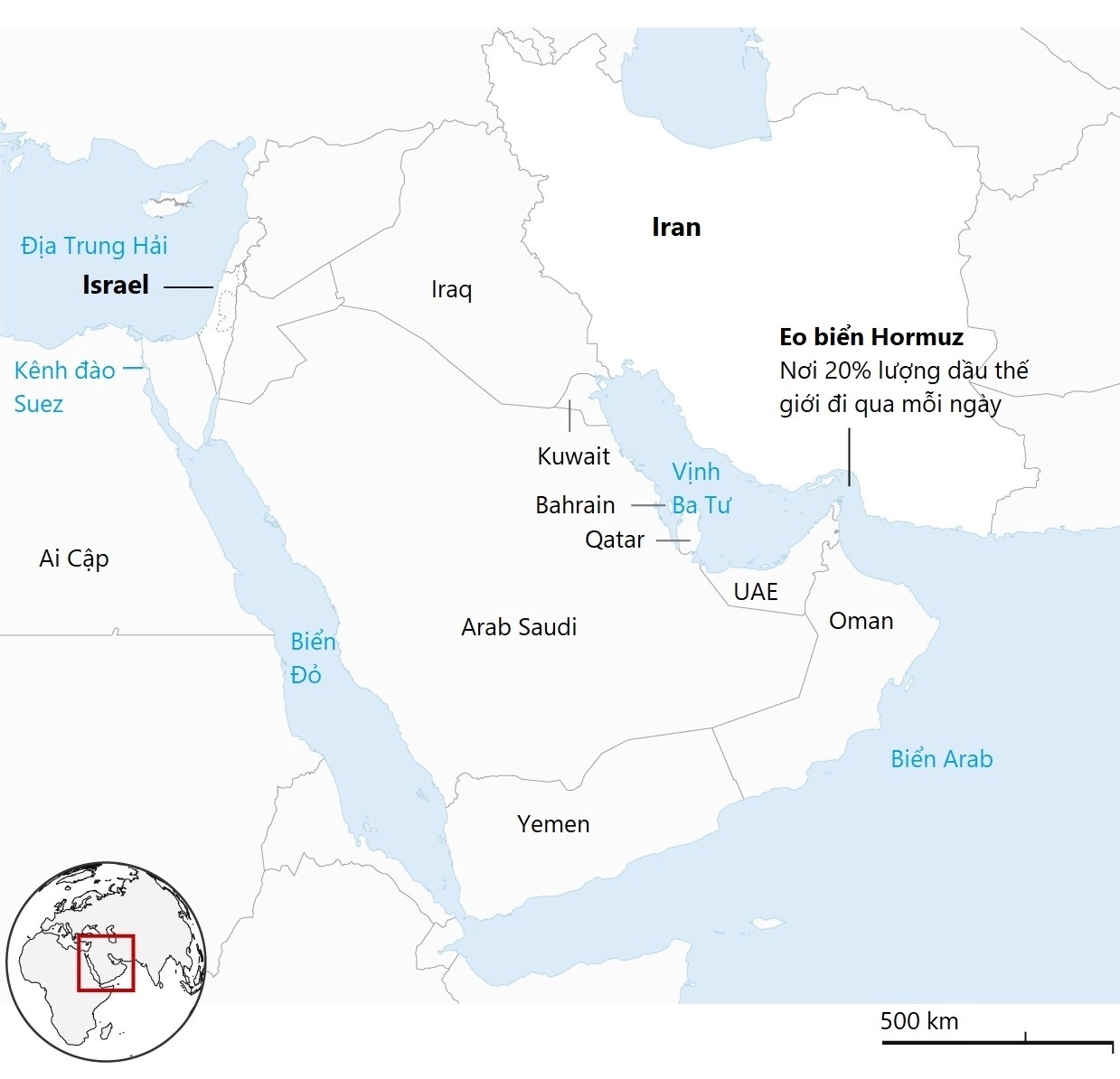 |
Location of Iran and the Strait of Hormuz. Graphic: Guardian |
During a meeting with Iranian Foreign Minister Abbas Araghchi last week, Wang Yi stressed the international community's desire to restore safe passage through the Strait of Hormuz. He also reaffirmed Beijing's support for Tehran in defending its national sovereignty and security.
Since the 30/4 phone call, the US Department of State has not issued a communique regarding the discussion content, deviating from its usual practice. The Chinese Foreign Ministry, however, reported that the two foreign ministers discussed stable bilateral relations, the Taiwan issue, and prospects for expanding cooperation.
Thanh Danh (According to Reuters)