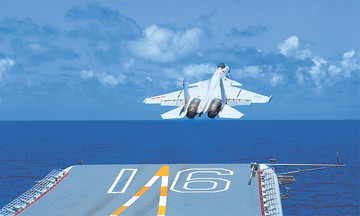
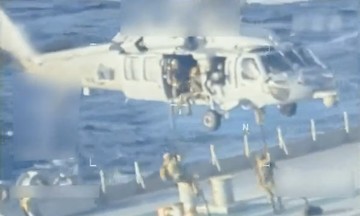
Japan's Ministry of Defense announced that J-15 carrier-based fighter jets, operating from the Liaoning aircraft carrier, activated fire control radar twice, locking onto Japanese F-15 fighter jets southeast of Okinawa island on 6/12. The Liaoning carrier strike group was then moving south of Japan's Okinawa island chain.
NHK reported the same day, citing sources, that the distances between the Chinese J-15s and Japanese F-15s during the two radar lock-on incidents were 52 km and 148 km, respectively. This means the Japanese aircraft were fully within the attack range of Chinese fighter jets if they were carrying long-range air-to-air missiles like the PL-15, which has a range of 200-300 km. The medium-range PL-12 missile could also hit targets during the second radar lock-on, with its range of 70-100 km.
Defense Minister Shinjiro Koizumi today affirmed that Japanese F-15 fighter jets did not illuminate Chinese fighter jets with radar during the encounter in the airspace east of Okinawa island last weekend. He revealed that before the incident, a Chinese naval vessel had announced exercise activities but without specific details. However, Japanese officials emphasized that Tokyo's deployment of fighter jets was a natural defensive response, regardless of whether Beijing had given prior notice.
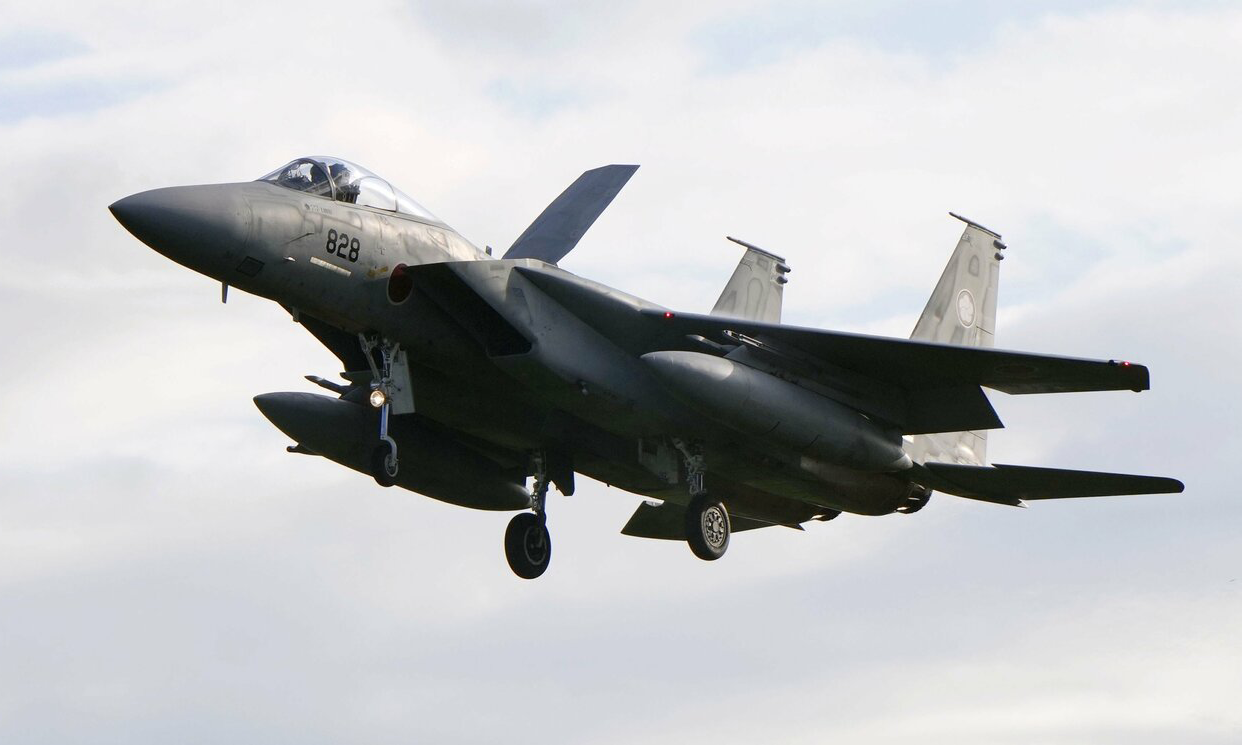 |
Japanese F-15 fighter jet preparing to land at Nyutabaru Air Base in 10/2024. Photo: Kyodo |
The Chinese Navy stated that Japan's claims were "inconsistent with the actual situation" and demanded that the country "immediately stop slandering and smearing". China's Ministry of Foreign Affairs refuted Japan's accusations, stating that its fighter jets only activated surveillance radar during training flights. Beijing also accused the F-15s of disrupting the exercise.
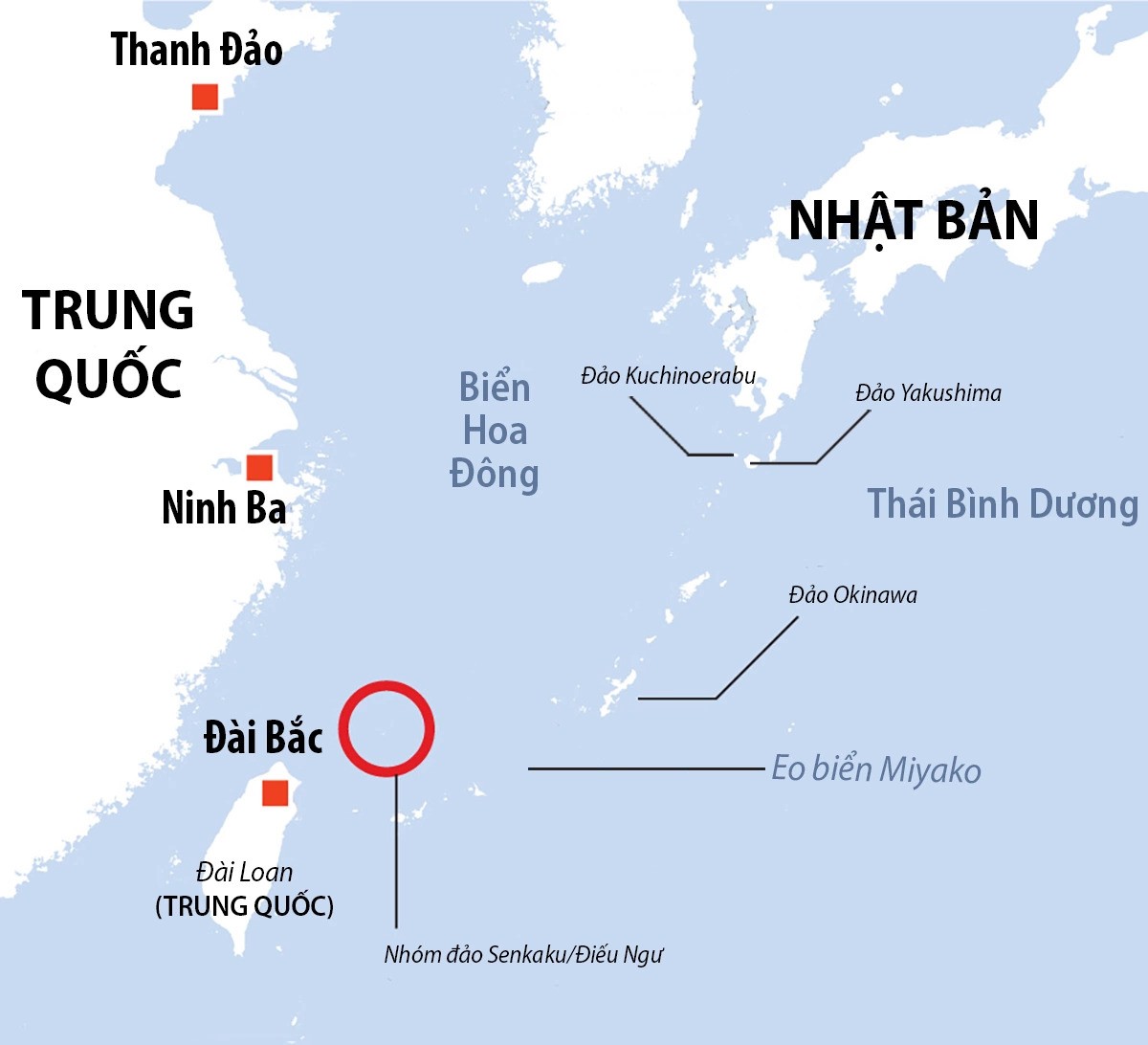 |
Location of the Miyako Strait and surrounding area. Graphic: Straits Times |
The fighter jet encounter near Okinawa island occurred amidst escalating tensions between China and Japan, following Prime Minister Sanae Takaichi's statements regarding Taiwan last month. The Japanese Prime Minister later softened her tone to ease tensions, but China did not accept this and continued to demand she retract her statements.
Pham Giang (According to Reuters, NHK, Aviationist)