Japan's Defense Ministry reported that Chinese J-15 carrier-based fighter jets, operating from the aircraft carrier Liaoning, twice activated their fire control radar and locked onto Japanese fighter aircraft southeast of Okinawa island on 6/12. At the time, the Liaoning aircraft carrier and three destroyers were moving south of Japan's Okinawa island chain. Japanese Prime Minister Sanae Takaichi condemned these actions, stating, "Such instances of fire control radar activation constitute dangerous acts, exceeding what is necessary to ensure flight safety." Tokyo has since sent a protest note to Beijing. Defense Minister Shinjiro Koizumi described the action as "dangerous and regrettable". During a meeting with his Australian counterpart, Richard Marles, in Tokyo, Koizumi affirmed that Japan would respond "resolutely and calmly" to China's behavior to maintain regional peace and stability.
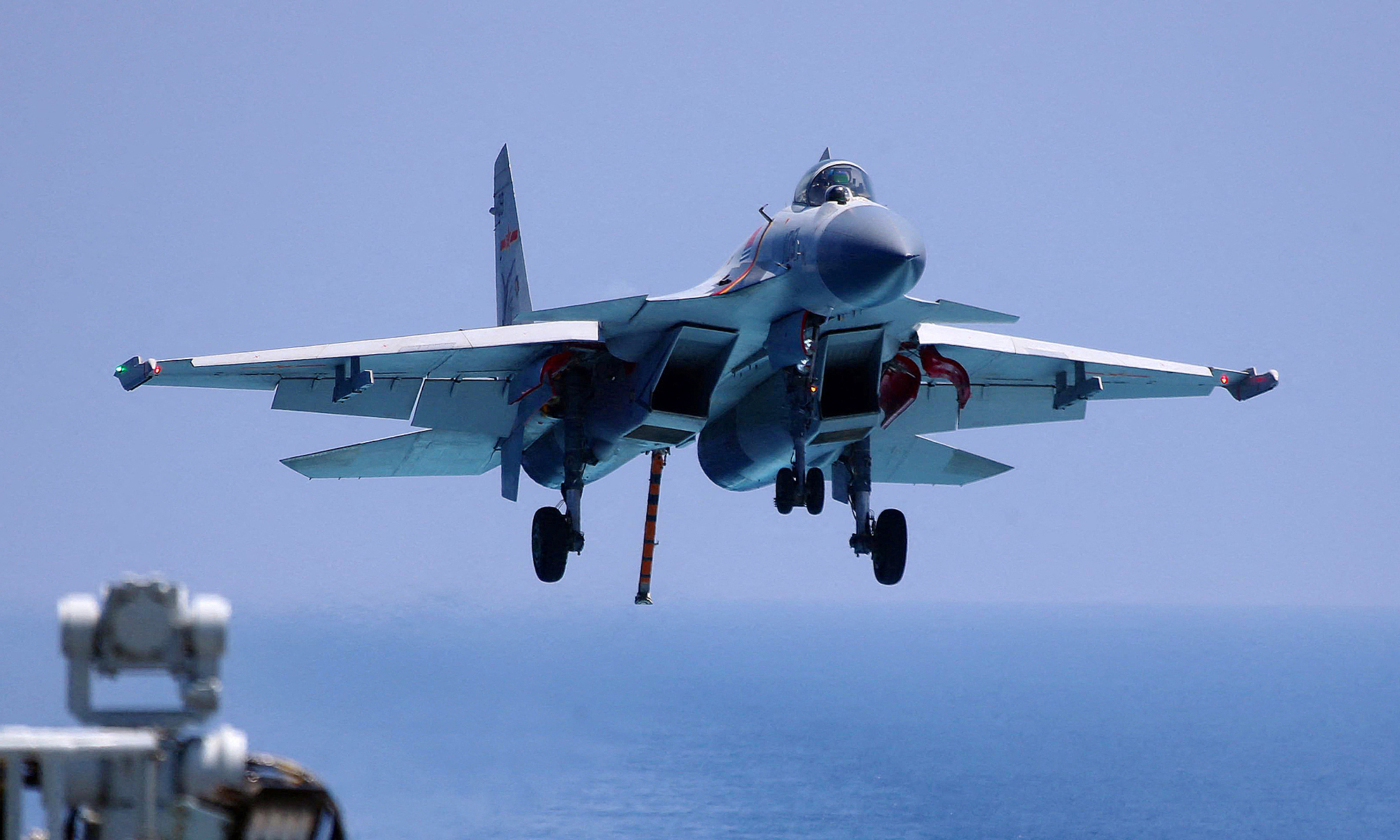 |
Chinese J-15 fighter jets taking off from the aircraft carrier Liaoning during a sea exercise in 2018. Photo: AFP |
The Chinese Navy, however, rejected Japan's claims, asserting that the statement "does not align with the actual situation" and demanded Tokyo "immediately cease slander and defamation". According to the Chinese Navy, Japanese aircraft had repeatedly approached and disrupted the aircraft carrier's training exercise east of the Miyako Strait, an activity that had been previously announced.
Fire control radar is used to precisely locate targets and provide guidance parameters for missiles and guided munitions. Activating fire control radar and locking onto a target typically occurs when a party is ready to fire in combat. It is also considered a serious provocation during peacetime. Modern aircraft and warships are equipped with radar warning systems, allowing them to determine if they are being detected and targeted by enemy radar.
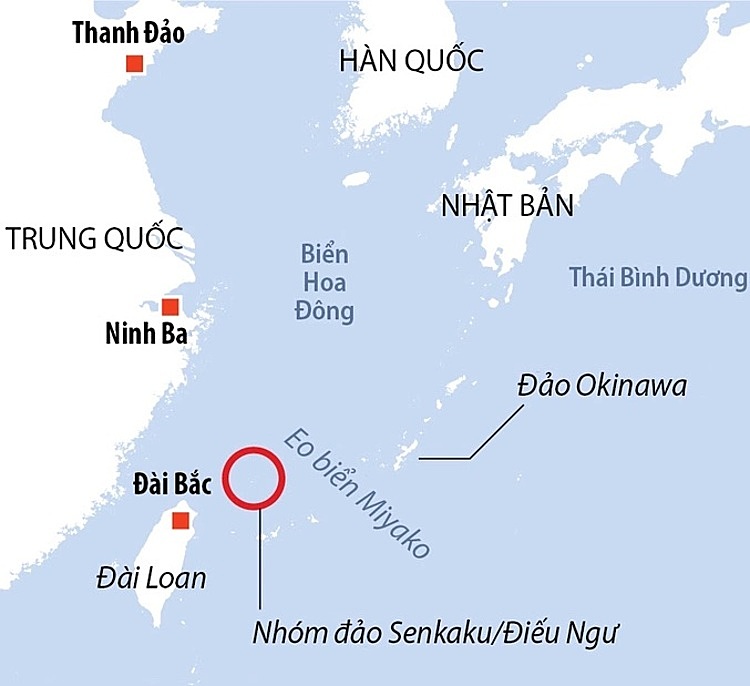 |
Location of China, Japan, and Okinawa island. Graphic: AFP |
The incident occurred amidst weeks of ongoing tension between China and Japan. This tension stems from Prime Minister Takaichi's statement that an attack on Taiwan could constitute an "existential threat" to Japan, potentially compelling the country to take military action. The Japanese Prime Minister later softened her tone to ease tensions; however, China did not accept this and continued to demand she retract her previous statement.
Huyen Le (According to AFP, Reuters)