Air Canada stated its decision to halt flights to Cuba took effect on 9/2, with arrangements being made for approximately 3,000 passengers currently in Cuba to return to Canada in the coming days.
Previously, Cuban authorities issued a Notice to Airmen (NOTAM) to pilots and air traffic controllers, indicating that "A1 aviation fuel is not available." This shortage impacts all of the country's international airports. The notice was displayed on the US Federal Aviation Administration (FAA) database system.
Aviation fuel will not be commercially sold at 9 airports in Cuba, including Jose Marti International Airport in the capital, Havana, starting from 10/2. This situation is expected to last until at least 11/3.
Air Canada currently operates about 16 flights weekly from Toronto and Montreal to four destinations in Cuba. This entire flight schedule will be "temporarily suspended" during the specified period. The airline will monitor developments to determine when to resume flights to Cuba.
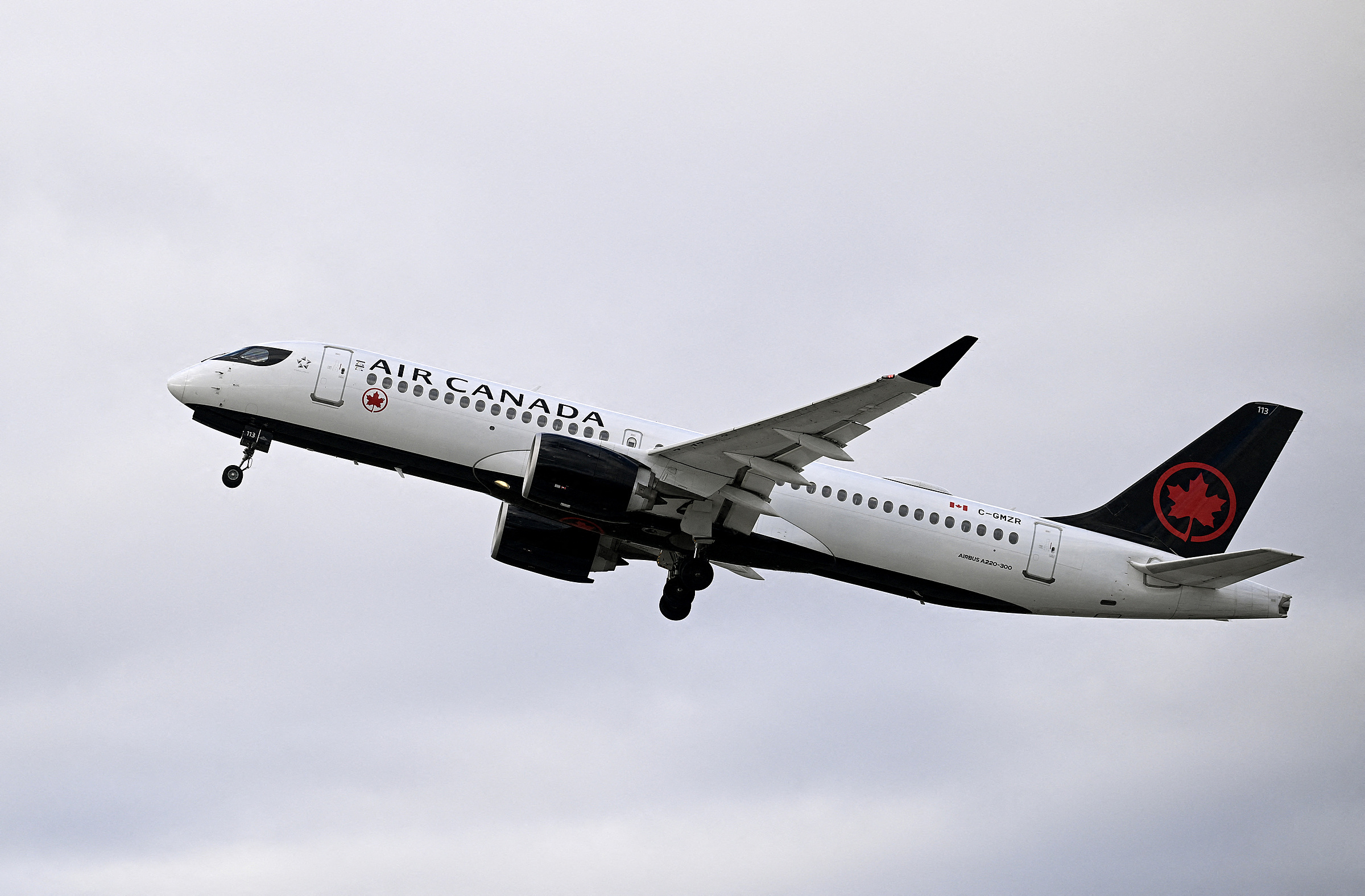 |
Air Canada's Airbus A220-300 takes off from Montreal airport in 11/2025. Photo: AFP
Two other Canadian airlines, WestJet and Air Transat, had not announced flight suspensions as of 10/2. Some airlines have adjusted their schedules, opting for delayed flights or technical stops in the Dominican Republic to refuel before continuing to Havana.
US airlines have not reported significant disruptions to their Cuba-related routes. Delta Air Lines stated it has not experienced any issues due to fuel shortages, while Southwest Airlines noted that aircraft flying to Havana will carry enough fuel for their next leg, rather than refueling in Cuba. American Airlines also stated it is closely monitoring the situation.
The aviation fuel shortage poses a significant challenge for long-haul routes, particularly from markets like Russia and Canada, which are important pillars of Cuba's tourism sector.
A pilot told CBS that difficult refueling situations have occurred before, but a notification on this scale is unusual. The pilot recalled that the last similar aviation fuel shortage happened more than a decade ago, when some flights to Europe had to refuel in Nassau, Bahamas.
Most of Cuba's aviation fuel is imported from Venezuela, but supplies have been scarce since mid-12/2025, when the US blockaded the waters off Venezuela.
The administration of US President Donald Trump announced on 29/1 that it would impose additional tariffs on goods from countries directly or indirectly supplying any amount of oil to Cuba. This prompted Russia to object, calling it a "US strangulation tactic" that causes many difficulties for Cuba.
Kremlin spokesperson Dmitry Peskov stated on 9/2 that "the situation in Cuba is quite serious" and Russia is discussing with Cuba "possible ways to resolve these issues, or at least provide all possible assistance."
Beyond aviation fuel, Cuba also relies on imported oil to operate its thermal power plants. Fuel shortages contributed to widespread power outages in Cuba last year.
Cuban Foreign Minister Bruno Rodriguez criticized the US tariff measures, calling them "cruel aggression" against Cuba and its people.
Mexico and China expressed deep concern and objected to US actions against Cuba, warning that the US move "could trigger a widespread humanitarian crisis, directly affecting hospitals, food supplies, and other basic services for the Cuban people."
Mexican President Claudia Sheinbaum announced on 9/2 that Mexico would temporarily suspend fuel export orders to Cuba due to tariff threats. However, Mexico will increase support in other areas, including two naval ships that will deliver 800 tons of humanitarian aid to the island nation. She affirmed that Mexico is taking necessary diplomatic steps to resume oil transfers to Cuba.
Pham Thu Hang, spokesperson for Vietnam's Ministry of Foreign Affairs, stated on 2/2 that Vietnam is deeply concerned about the additional tariff measures imposed by the US on goods from countries supplying oil to Cuba, which severely impact the economic, social activities and lives of the people of this country.
Vietnam reaffirmed its support for resolutions adopted over many years by the United Nations General Assembly (UNGA), calling on the US to immediately lift its unilateral embargo and blockade measures against Cuba and take steps towards dialogue and improving relations with Cuba.
"Once again, Vietnam strongly affirms its traditional solidarity and friendship with the fraternal Cuban people," the spokesperson emphasized.
Thanh Danh (According to BBC, CBS, Reuters)