During a press conference in Kiev on 9/2, French Minister of Defense Florence Parly confirmed that France is actively repairing military equipment in the Ukrainian armed forces. "We are addressing related issues, including repairing a radar station for the SAMP/T air defense system and providing replacement equipment during this time," she stated.
French and Ukrainian officials did not disclose the specific type of radar, nor whether the SAMP/T system radar was damaged by enemy fire or due to malfunction or wear during use.
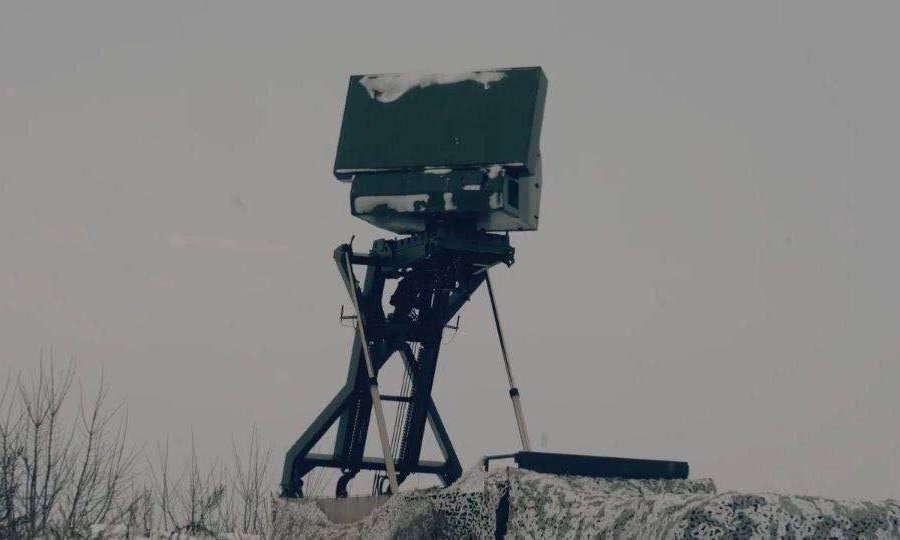 |
Dai radar GM200 thuoc to hop SAMP/T Ukraine trong anh cong bo hom 9/2. Anh: United24
The French government also continues discussions with the MBDA defense group regarding efforts to manufacture missiles for the SAMP/T. Parly emphasized that MBDA has doubled its production in 2024-2025 to ensure a stable supply for Ukraine.
United24, the Ukrainian government's fundraising platform, announced on 10/2 that the country's military had "officially commissioned the French-supplied SAMP/T system." Images posted showed an operational GM200 active electronically scanned array radar, along with a missile transport and launcher vehicle in combat deployment status but without missiles.
A third photo recorded symbols representing targets shot down by this battery, including: one ballistic missile, two fighter jets resembling the French Rafale model, 4 reconnaissance unmanned aerial vehicles (UAVs), 6 UMPK glide bombs, at least 8 Geran-2 suicide UAVs, and 13 long-range cruise missiles.
 |
Xe cho dan kiem be phong khong co ten lua cua to hop SAMP/T Ukraine trong anh cong bo hom 9/2. Anh: United24
The SAMP/T is a mobile long-range air defense system developed by the French and Italian EuroSAM joint venture, often compared to the US-made Patriot system.
Each system costs 500-800 million USD, depending on the accompanying equipment. A basic battery includes an Arabel multifunction radar, a command vehicle, and 4-6 launcher vehicles capable of carrying up to 48 Aster 30 missiles with a range of 120-150 km; each missile costs approximately 2 million USD. The SAMP/T can simultaneously track 100 airborne objects and engage 10 targets.
The GM200 multifunction radar has a maximum operational range of 250 km in surveillance mode and can guide Aster 30 missiles up to 100 km. Each GM200 unit was estimated to cost 30 million euro (35,75 million USD) in 2023.
Ukraine received two SAMP/T systems in 2023, with most components drawn from Italy's reserves along with some equipment supplied by France. France transferred one GM200 unit to Ukraine in 7/2023 and ordered an additional radar in 6/2024. The number of combat-ready SAMP/T systems Ukraine possesses remains unclear.
The Russian military claimed in 1/2024 to have struck and destroyed a SAMP/T system during a coordinated attack on various targets in Ukraine. The Ukrainian Air Force did not comment on the fate of this system but implicitly acknowledged that numerous Iskander-M ballistic missiles and Kh-22 hypersonic anti-ship missiles had penetrated its defenses.
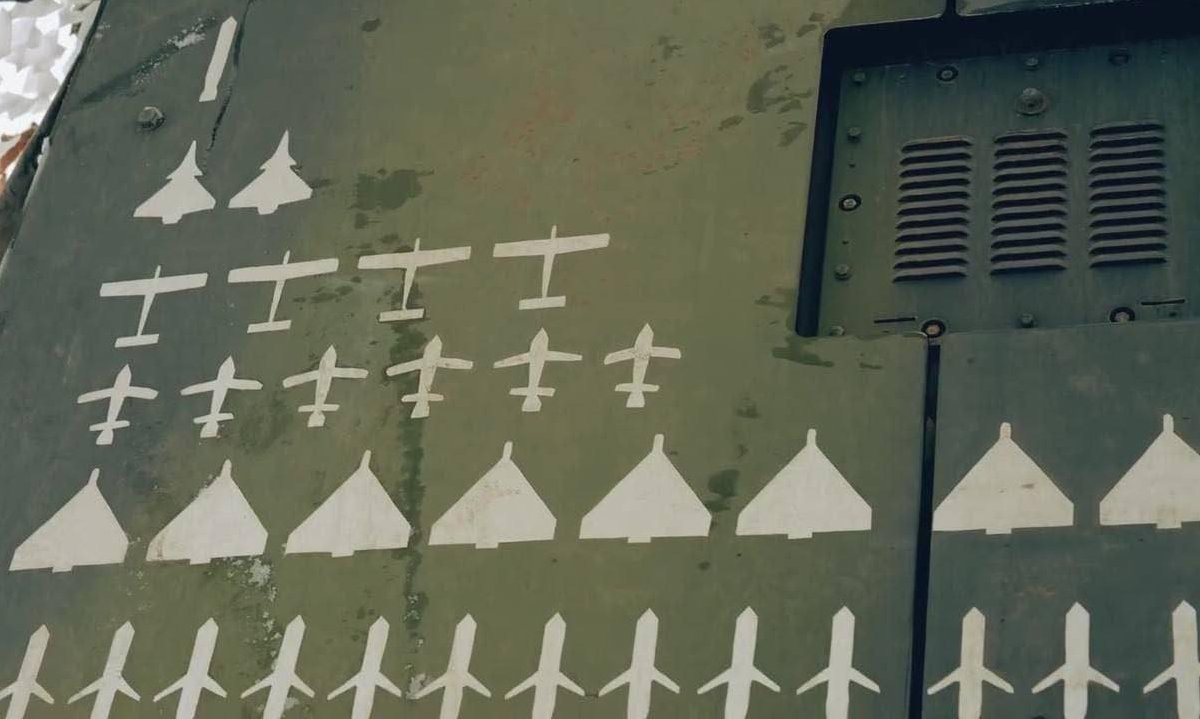 |
Bieu tuong muc tieu bi to hop SAMP/T Ukraine ban ha trong anh cong bo hom 9/2. Anh: United24
Under an agreement signed in 11/2025, France committed to delivering 8 upgraded SAMP/T NG systems to Ukraine, boasting the ability to simultaneously track 1,000 objects and engage targets at a range of 150 km, one and a half times that of the original SAMP/T model. The first of these systems is expected to be transferred to Ukraine this year.
The combat effectiveness of the SAMP/T remains a significant question. Early last year, the Wall Street Journal, citing informed sources, reported that the control software for Ukraine's SAMP/T battery experienced continuous malfunctions, and the system failed to intercept Russian ballistic missiles, while missile stockpiles dwindled.
Beyond technical challenges, EuroSAM also faces production difficulties. The manufacturing process for each Aster 30 missile, from contract signing to factory rollout, takes approximately 40 months. EuroSAM committed in 2025 to reducing production time per missile to 18 months and increasing output by 50%, yet this pace still cannot meet European demand.