


Cuban President Miguel Diaz-Canel Bermudez announced on Facebook on 12/1 that "Cuba is not currently conducting any dialogue with the U.S. administration, except for technical contacts on migration issues." He clarified, however, that Cuba "is always ready for serious and responsible dialogue with the U.S."
Diaz-Canel emphasized that negotiations between the two sides must take place on the basis of "sovereign equality, mutual respect, adherence to international law principles, mutual benefit, non-interference in internal affairs, and respect for our independence."
According to Diaz-Canel, history has shown that Cuba-U.S. relations can only improve if parties adhere to international law, "instead of hostility, threats, and economic coercion."
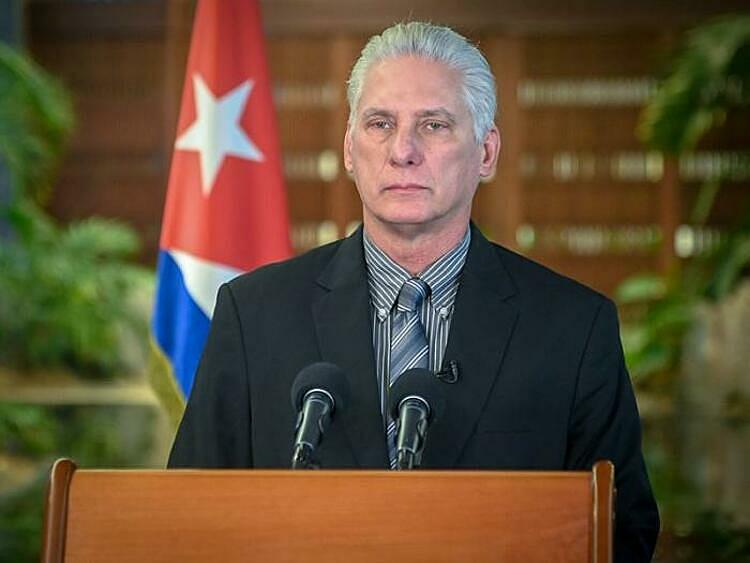 |
Cuban President Miguel Diaz-Canel Bermudez. *Photo: Granma* |
Diaz-Canel's statement came after U.S. President Donald Trump said on 11/1 that Washington "is talking to Cuba," hours after writing on Truth Social that Havana should accept a deal "before it's too late." In the post, the U.S. president also stated he would prevent all financial transactions and oil shipments from Venezuela to Cuba.
Havana reacted strongly to the threat from Washington, with President Diaz-Canel stating that the Cuban people "are ready to defend the homeland to the last drop of blood." He also accused the U.S. of being the aggressor for the past 66 years, while Cuba has never threatened anyone.
Cuban Foreign Minister Bruno Rodriguez also rejected Trump's threat, stating Havana has the right to import fuel from any partner.
According to shipping data, since the U.S. strictly blockaded Venezuela's oil industry, no oil orders have been transferred from that country to Cuba. Last year, Venezuela exported approximately 26,500 barrels per day to Cuba, according to data from Venezuela's state oil company PDVSA.
Thanh Danh (*According to AFP, Granma*)


