"The dialogue process to reach an agreement is a long journey", Cuban President Miguel Diaz-Canel stated in an interview with Canal RED on 25/3, referring to ongoing negotiations with the US. He highlighted, "Raul Castro is among those who have guided and directed the negotiation process".
Diaz-Canel noted that former president Raul Castro, at 94, "remains the historic leader of the revolution, even though he no longer holds office". He added that Castro still commands high prestige among the people through "historical recognition that no one can deny".
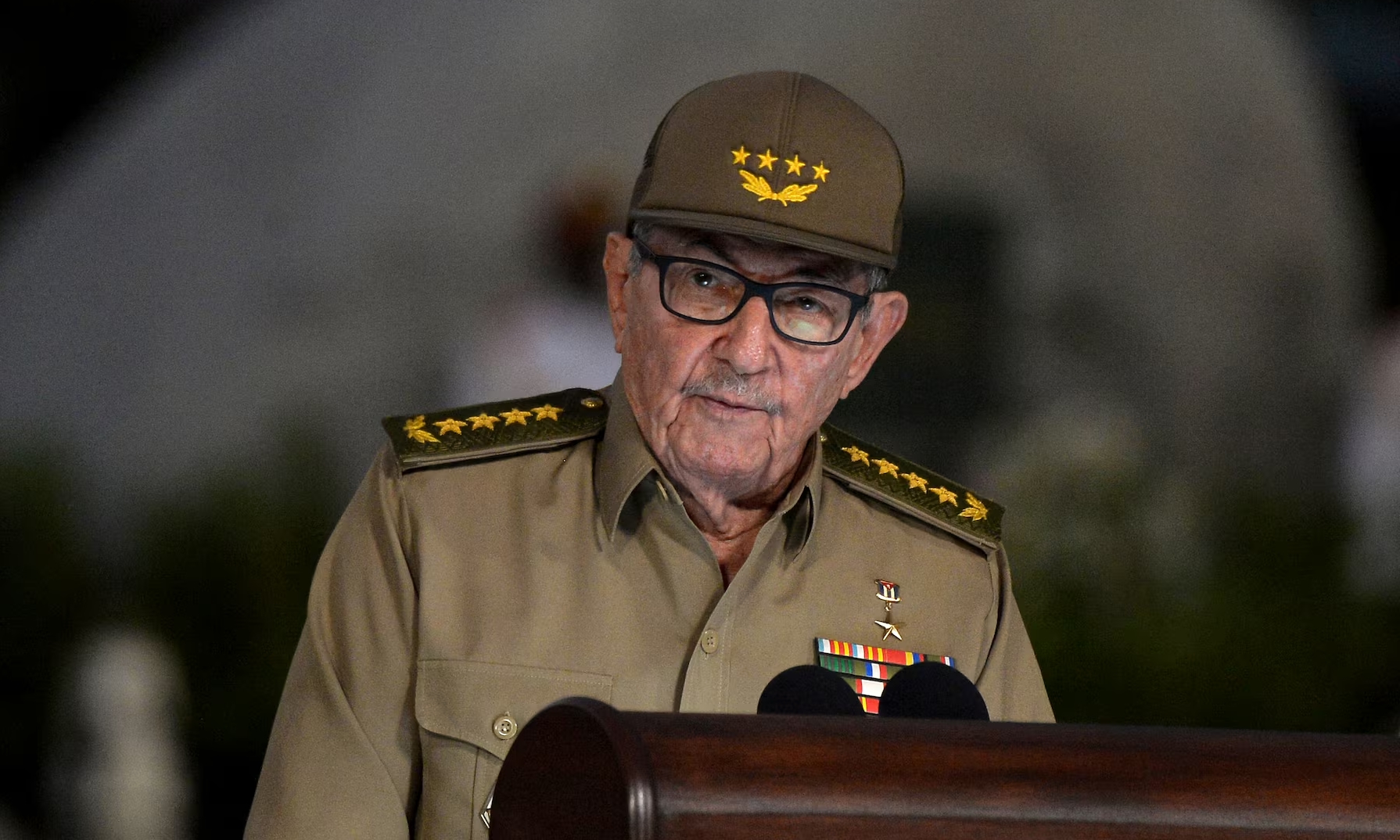 |
Former Cuban president Raul Castro. Photo: Reuters |
President Diaz-Canel further explained that he and Raul Castro have coordinated with other bodies of the Communist Party of Cuba, the government, and the state throughout the negotiation process with the US.
"First, we must establish a dialogue channel", he said. "Then, we must build common agendas of interest to all parties", he added, reiterating that this negotiation process is still in its early stages.
Raul Castro, the younger brother of the late president Fidel Castro, led Cuba's historic negotiations with the administration of former US president Barack Obama in 2014. These discussions led to the reopening of embassies and the re-establishment of diplomatic relations between the two countries.
In 2018, he stepped down as president of the Council of State, succeeded by Diaz-Canel. He further relinquished his position as first secretary of the Communist Party of Cuba in 2021, transferring power to Diaz-Canel.
President Diaz-Canel previously stated that officials from Cuba and the US have engaged in discussions to resolve differences through dialogue. He added that these exchanges, "driven by international factors", also seek areas of cooperation to ensure security and peace for both nations and the region.
Relations between Cuba and the US became strained after President Donald Trump took office. In the past three months, Washington has blocked nearly all oil shipments to the Caribbean island nation, causing fuel shortages, impacting transportation, and threatening Cuba's energy security. The United Nations warned of a potential humanitarian crisis if Cuba's energy needs are not met.
Ngoc Anh (According to ABC, AP, Canal RED)