 |
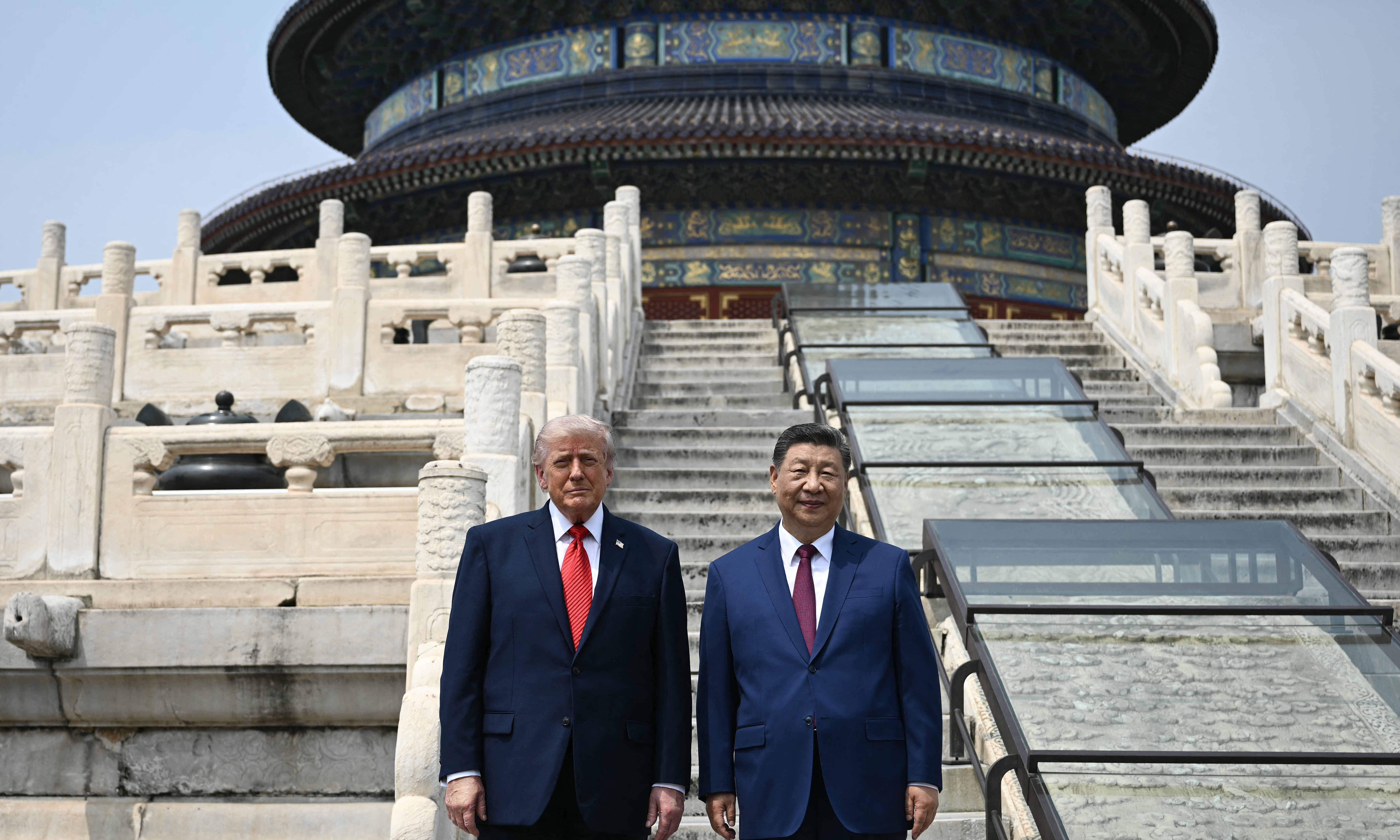
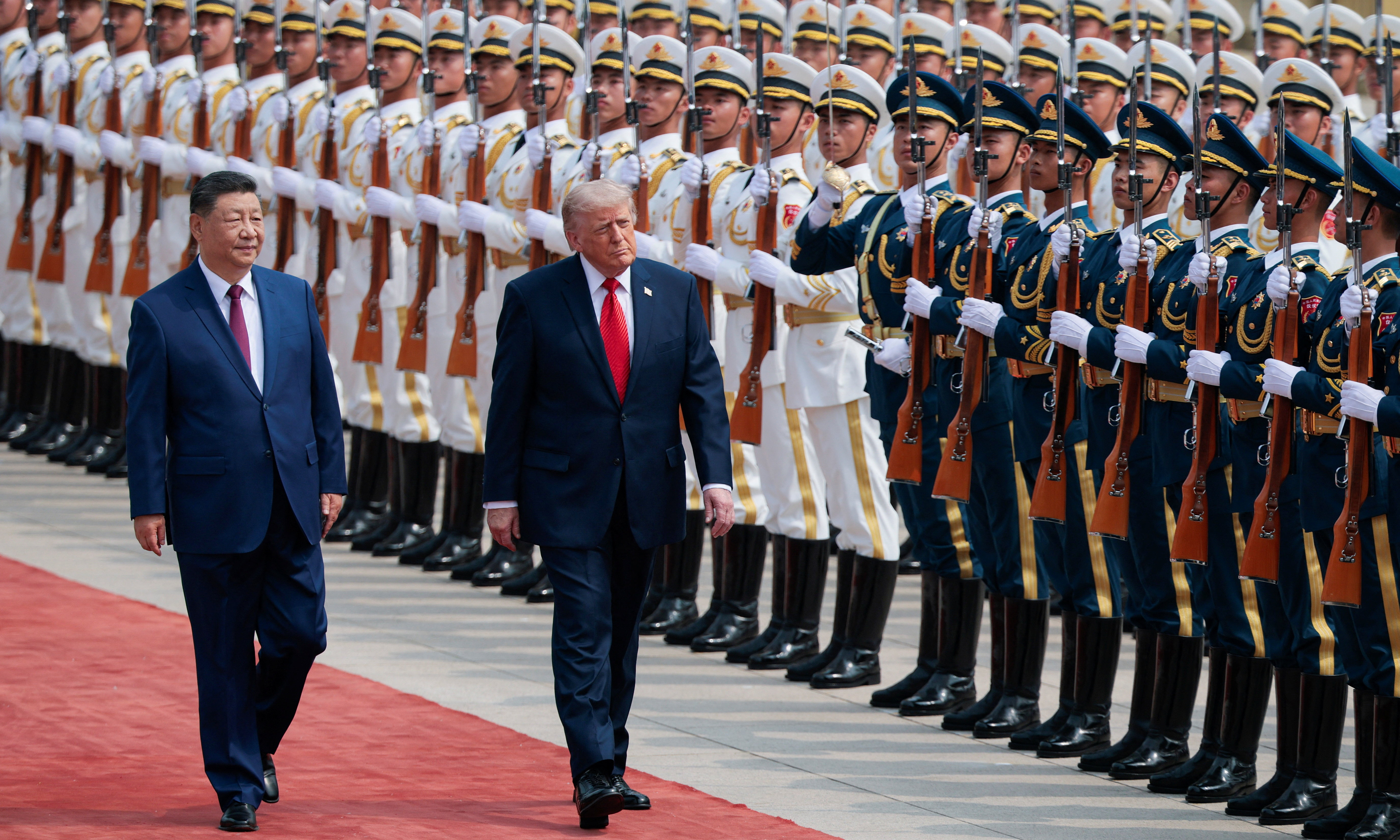
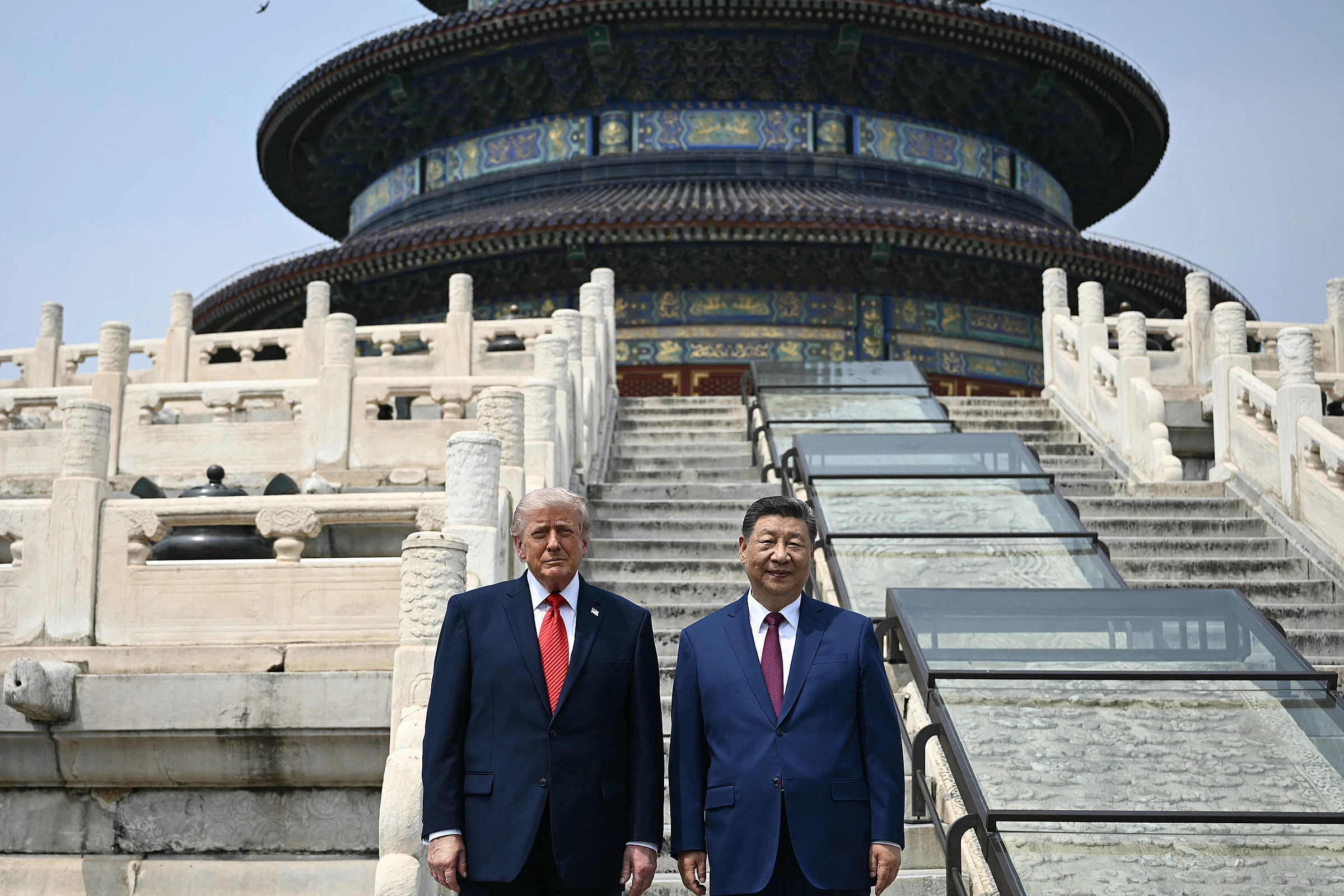
Chinese President Xi Jinping and US President Donald Trump today visited Thien Dan (Temple of Heaven) in Beijing, as part of Mr. Trump's state visit to China from 13-15/5.
This was the site where emperors of the Ming and Qing dynasties (1368-1911) conducted rituals to worship heaven. The structure was built in the 18th year of Vinh Lac (1420) during the reign of the Minh Thanh To Vinh Lac De.
"This structure is magnificent. It's amazing. China is beautiful," Mr. Trump praised.
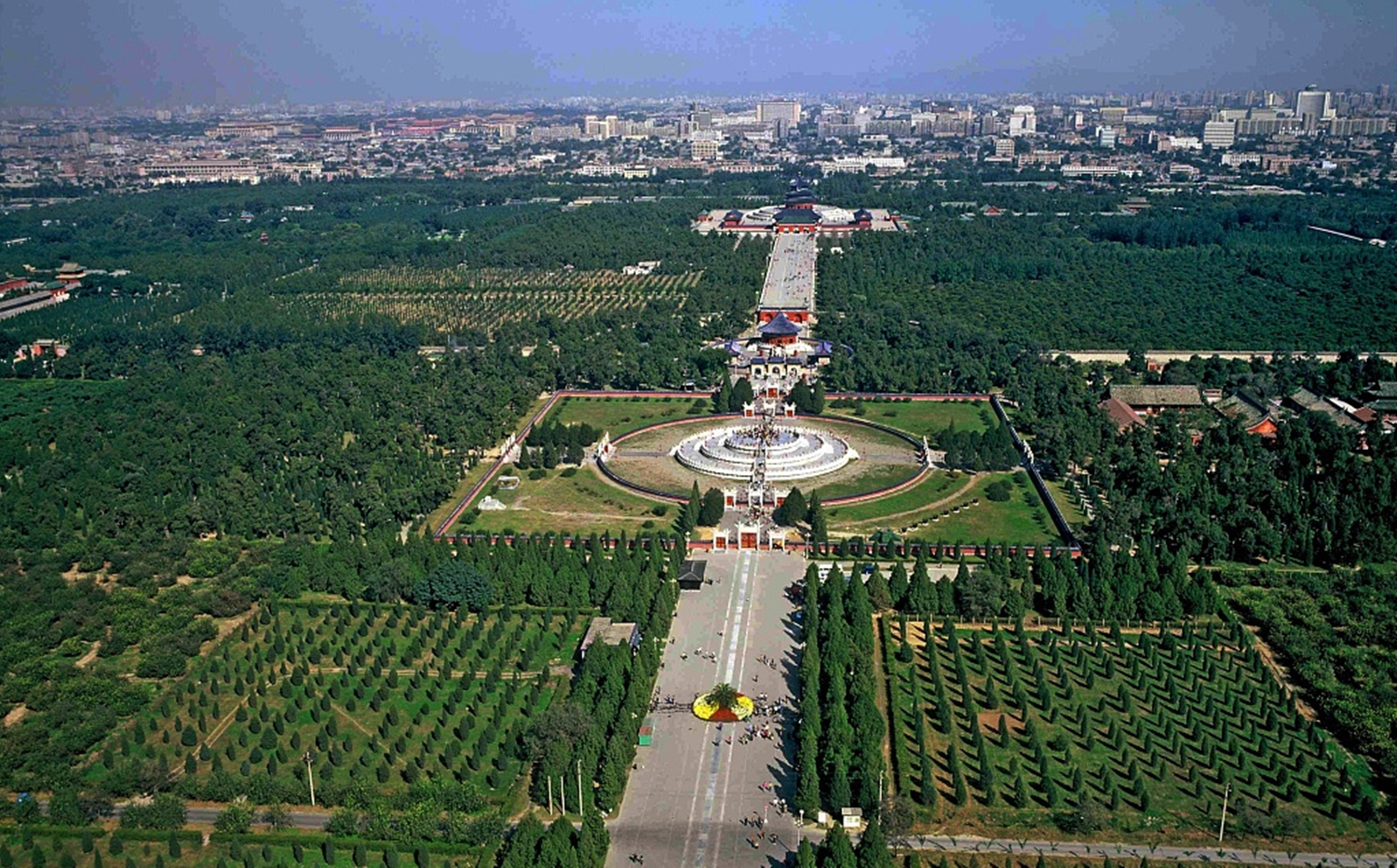 |
Located east of Qianmen, in the southern inner city area, Thien Dan is the largest complex among Beijing's sacrificial altars. It is also the world's largest architectural complex dedicated to heaven worship, recognized by UNESCO as a World Heritage site in 1998.
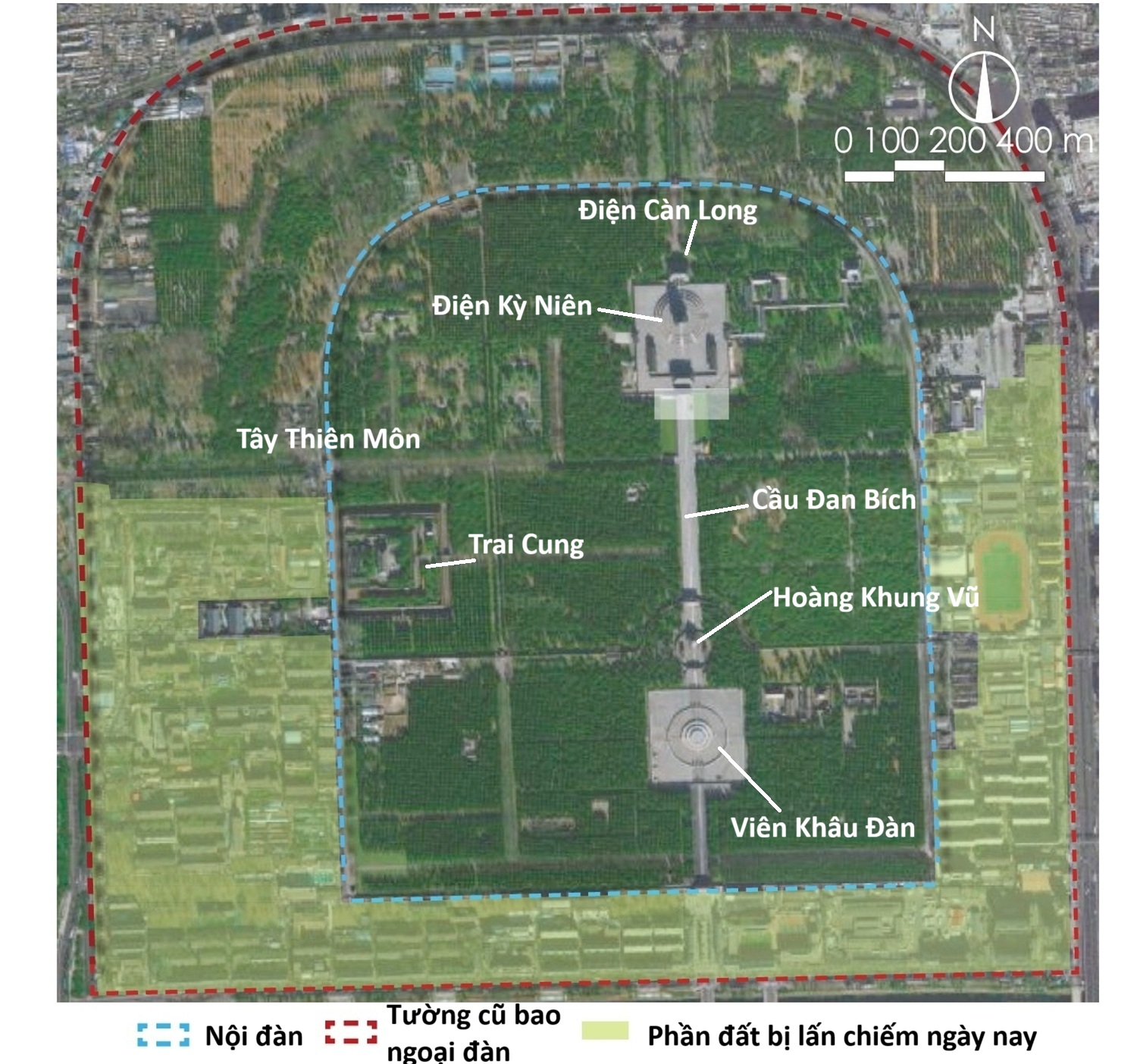 |
Thien Dan covers an area of 273 hectares, five times larger than the Forbidden City, with a layout comprising two concentric square walls. These two walls divide the complex into an inner altar and an outer altar. The outer altar wall is 6,416 meters long, while the inner altar wall measures 3,292 meters.
The main structures are concentrated in the inner altar area, featuring two primary architectural elements: Dien Ky Nien (Hall of Prayer for Good Harvests) in the north and Vien Khau Dan (Circular Mound Altar) in the south. These are connected by the Dan Bich Bridge, which is 360 meters long and 30 meters wide, forming the central axis for the entire layout.
Additionally, there are auxiliary architectural structures such as Trai Cung (Fasting Palace), Than Nhac Thu (Divine Music Department), and Hi Sinh So (Sacrificial Animal Office) in the west. Trai Cung was where the emperor cleansed his body before performing rituals. Than Nhac Thu was the workplace for officials in charge of ritual music, and Hi Sinh So was where animals used in sacrifices, such as cows, sheep, and rabbits, were kept.
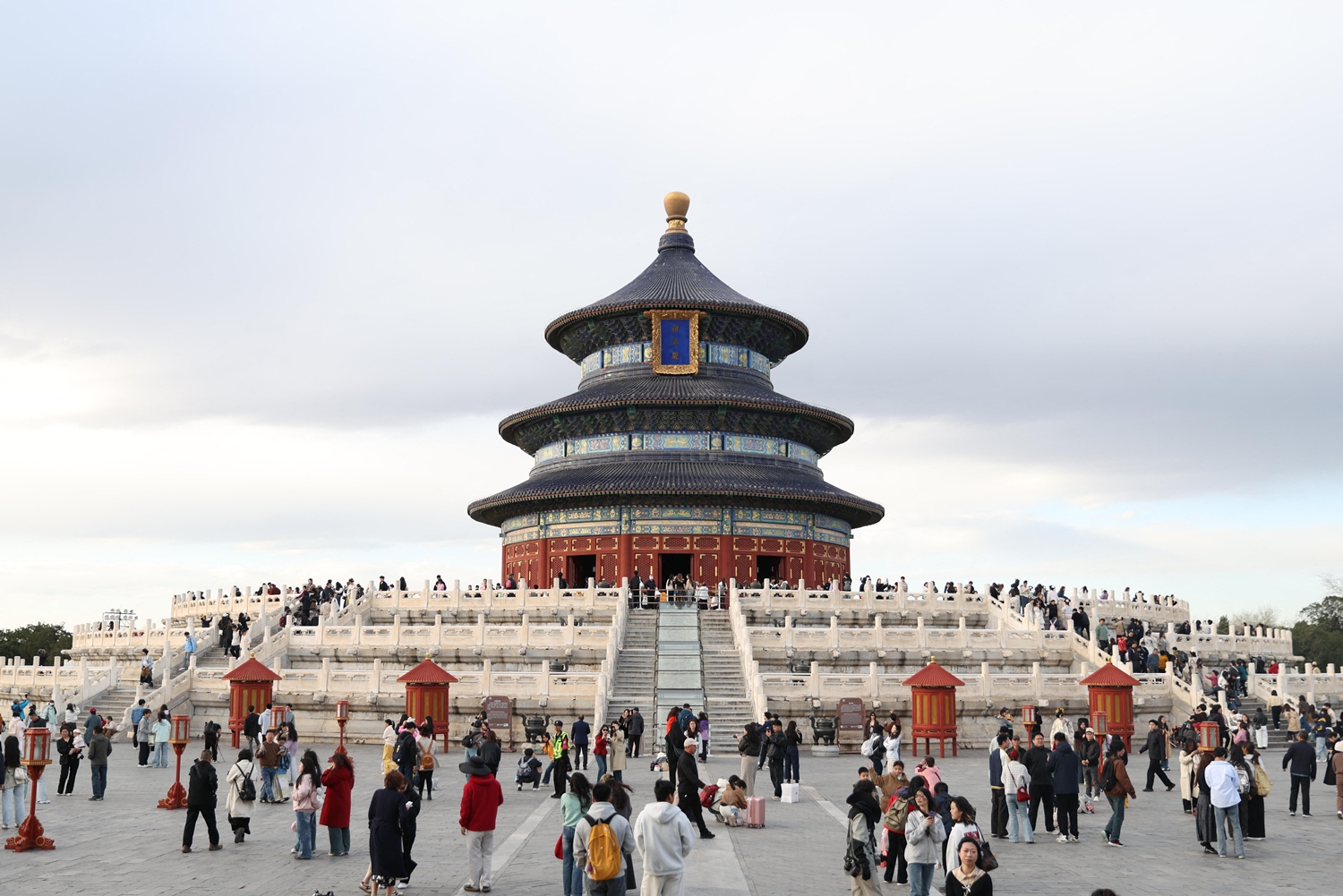 |
The Dien Ky Nien area features a central circular hall with a triple-eaved roof, resting on a three-tiered granite platform. This building is the primary symbol of Thien Dan. Originally, Dien Ky Nien was rectangular and was rebuilt into its current form in the 16th year of Quang Tu (1890) during the reign of Thanh Duc Tong Quang Tu.
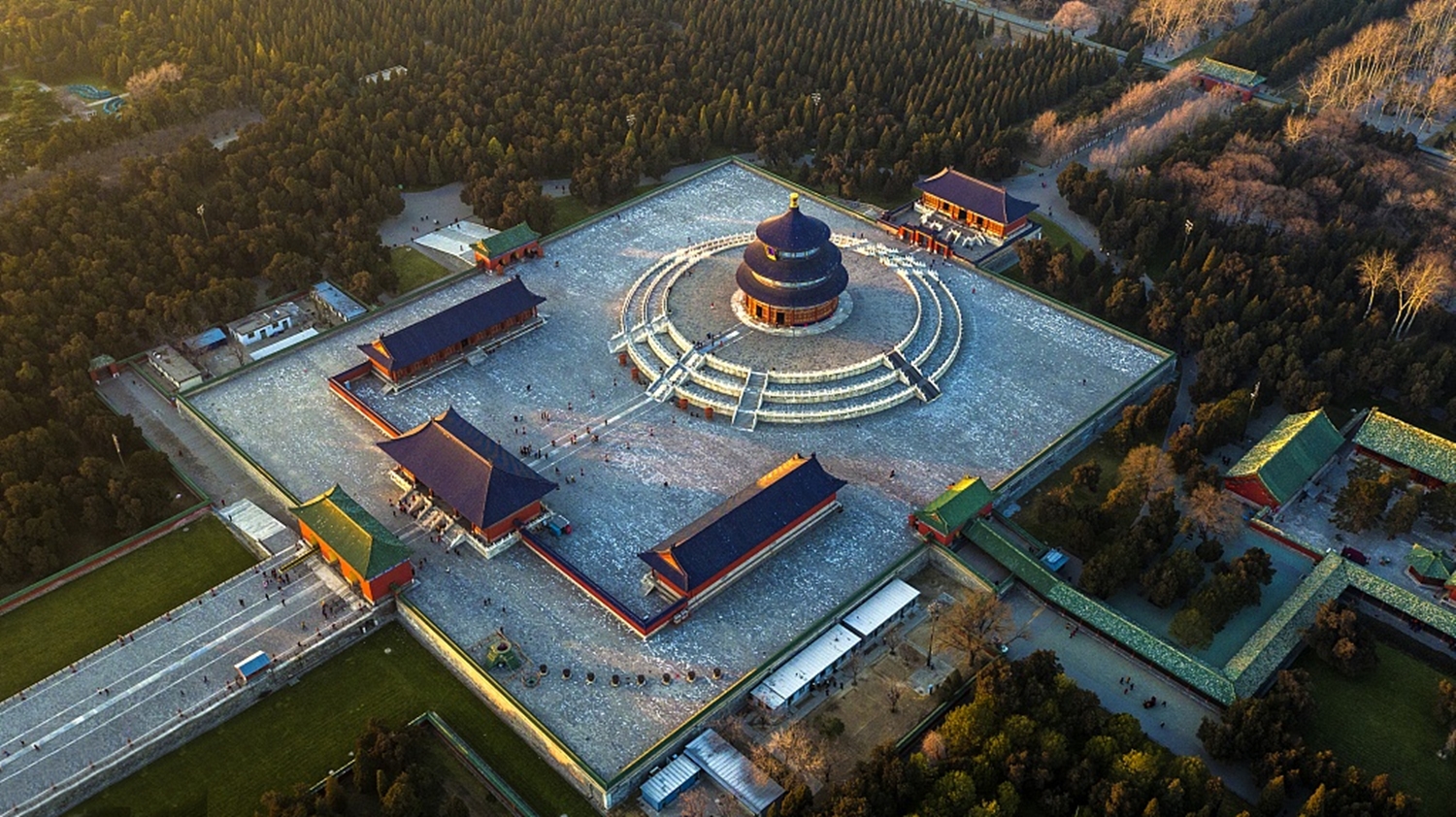 |
An aerial view of the Dien Ky Nien area.
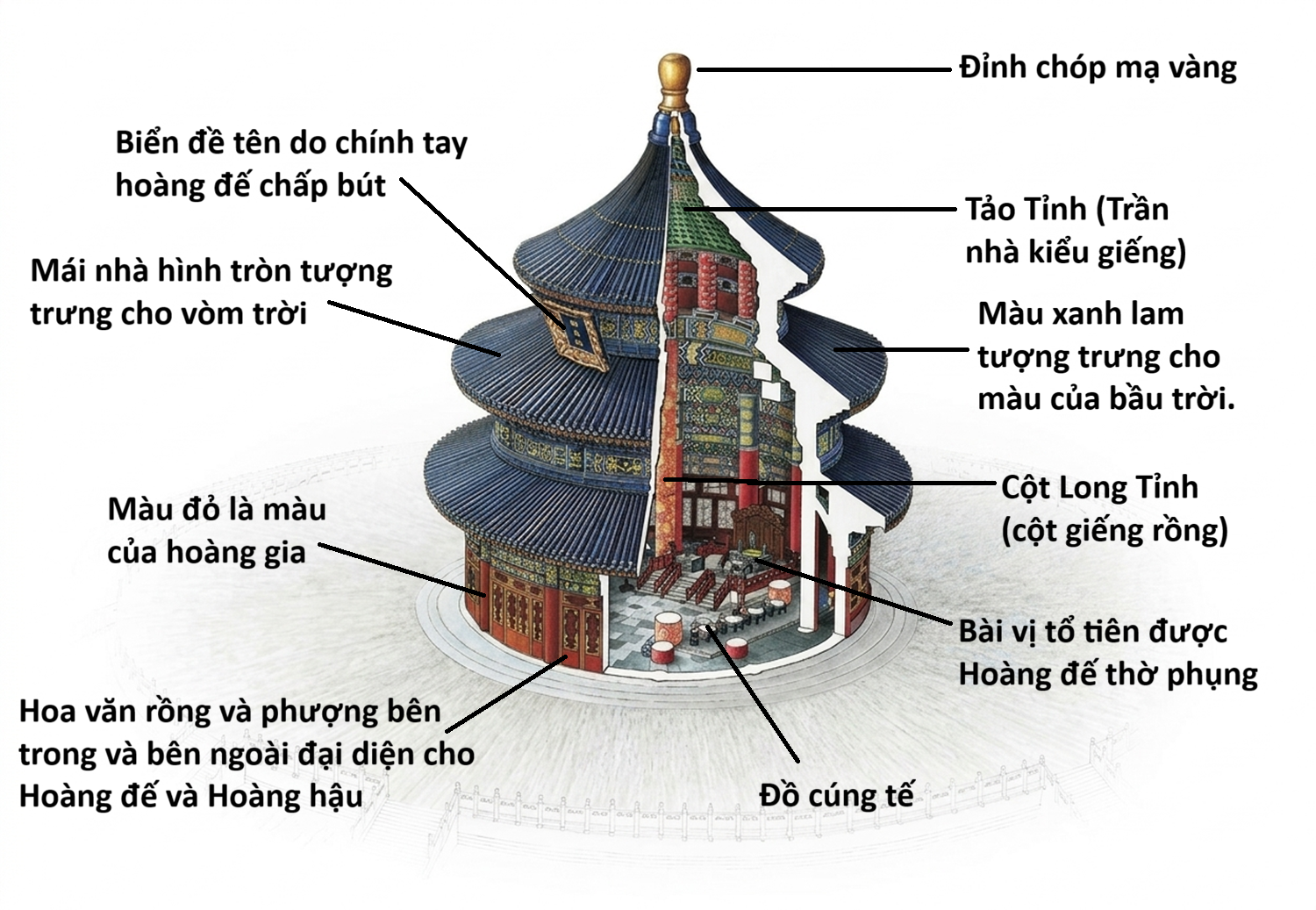 |
The structure of Dien Ky Nien.
The building's design holds significant cosmological symbolism. The blue glazed tiles on the roof represent the sky; four Long Tinh (dragon well) pillars in the center symbolize the four seasons, 12 surrounding pillars represent the 12 months, and 12 outermost pillars symbolize the 12 two-hour periods in a day.
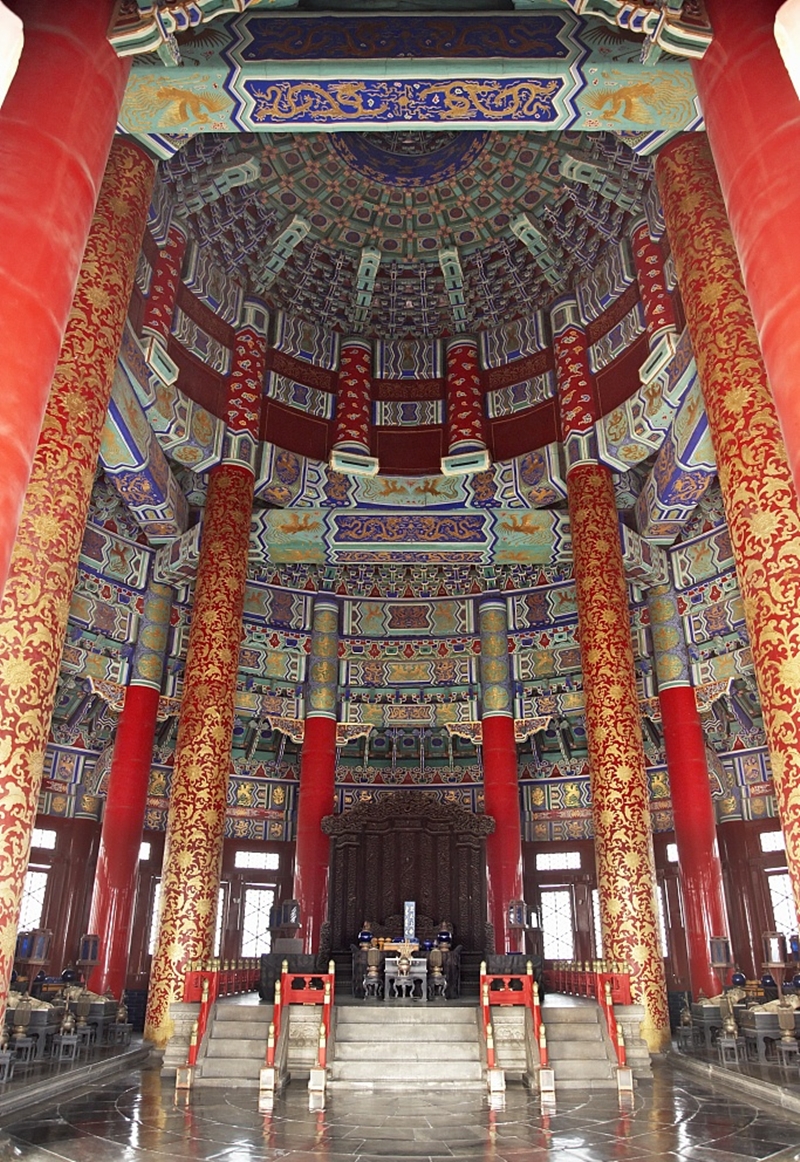 |
Inside Dien Ky Nien.
This is a Mingtang-style architecture, as described in ancient Chinese texts, carrying important political meaning and reserved for the emperor to perform prayers or hold grand court sessions.
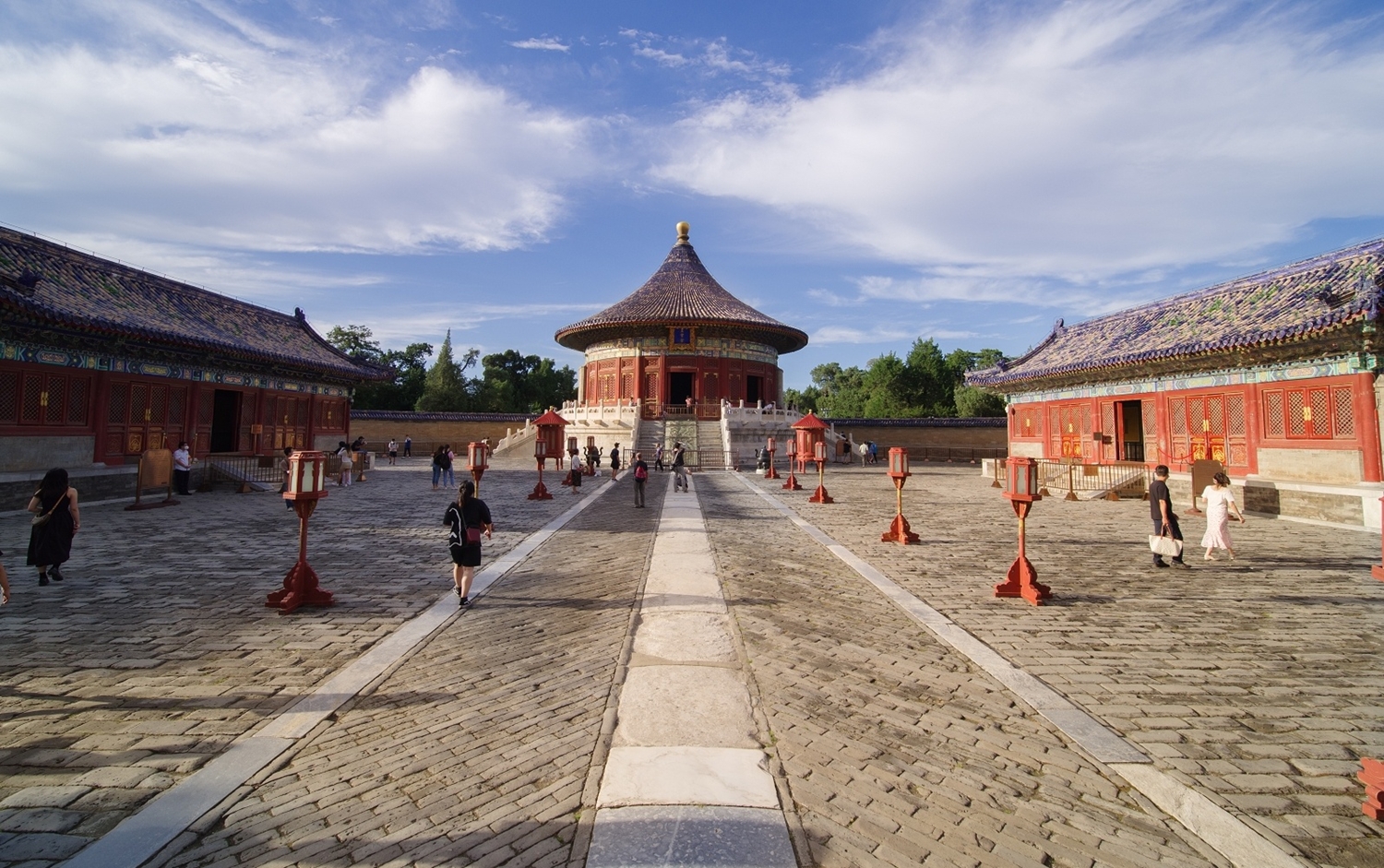 |
Hoang Khung Vu (Imperial Vault of Heaven) is a small, single-story circular hall located north of Vien Khau Dan. This is where the spirit tablets for heaven worship were placed on non-ritual days. Surrounding Hoang Khung Vu is an echo wall, 193,2 meters long, 3,7 meters high, and 0,9 meters thick, famous for allowing a whisper at one end to be clearly heard at the other.
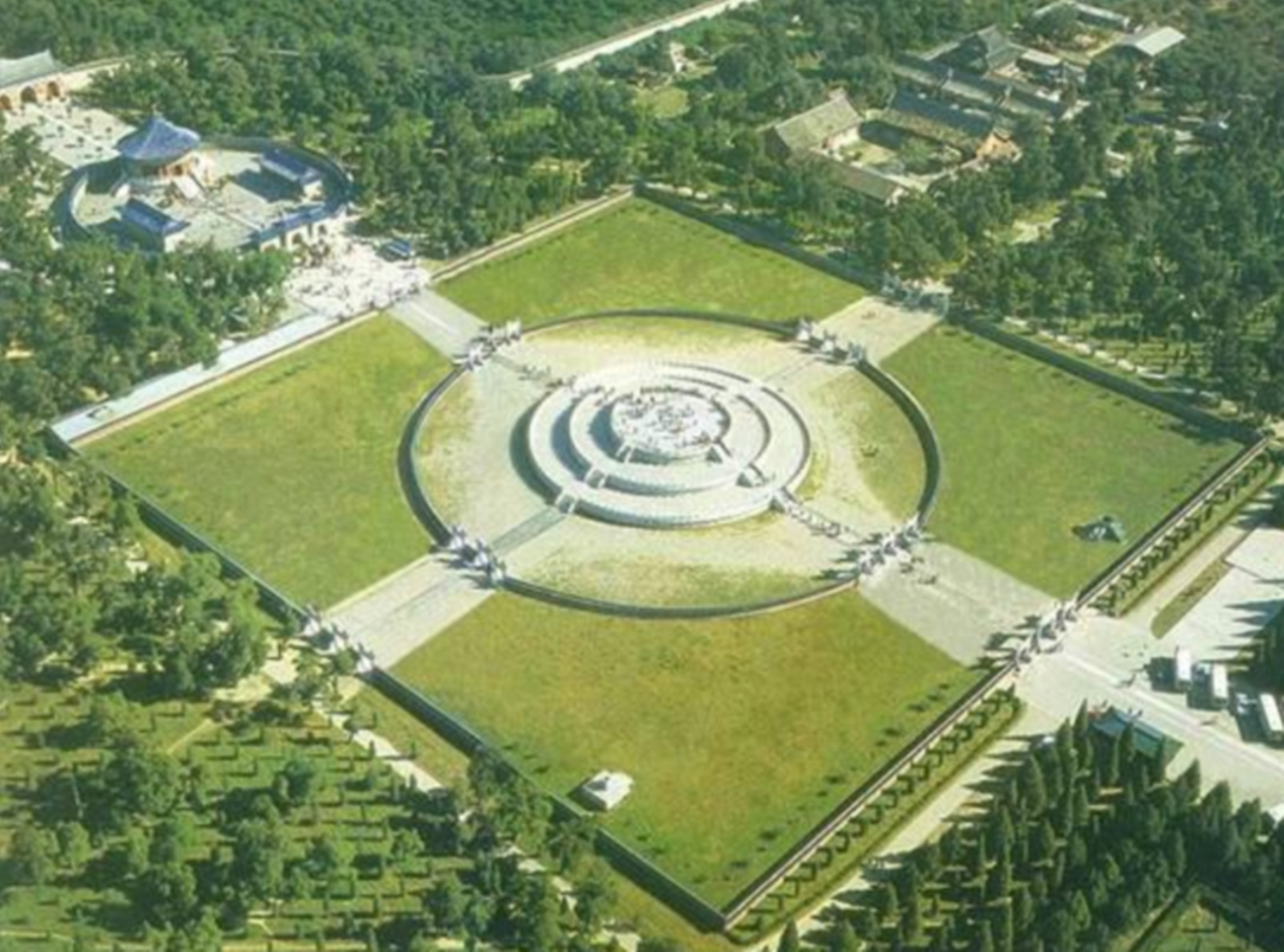 |
Vien Khau Dan (Circular Mound Altar) has a circular circumference of 534 meters and a height of 5,2 meters. Ming and Qing emperors typically performed rituals to pray for abundant harvests in January each year here. The outer square wall and inner circular wall symbolize the concept of "Heaven is round, Earth is square."
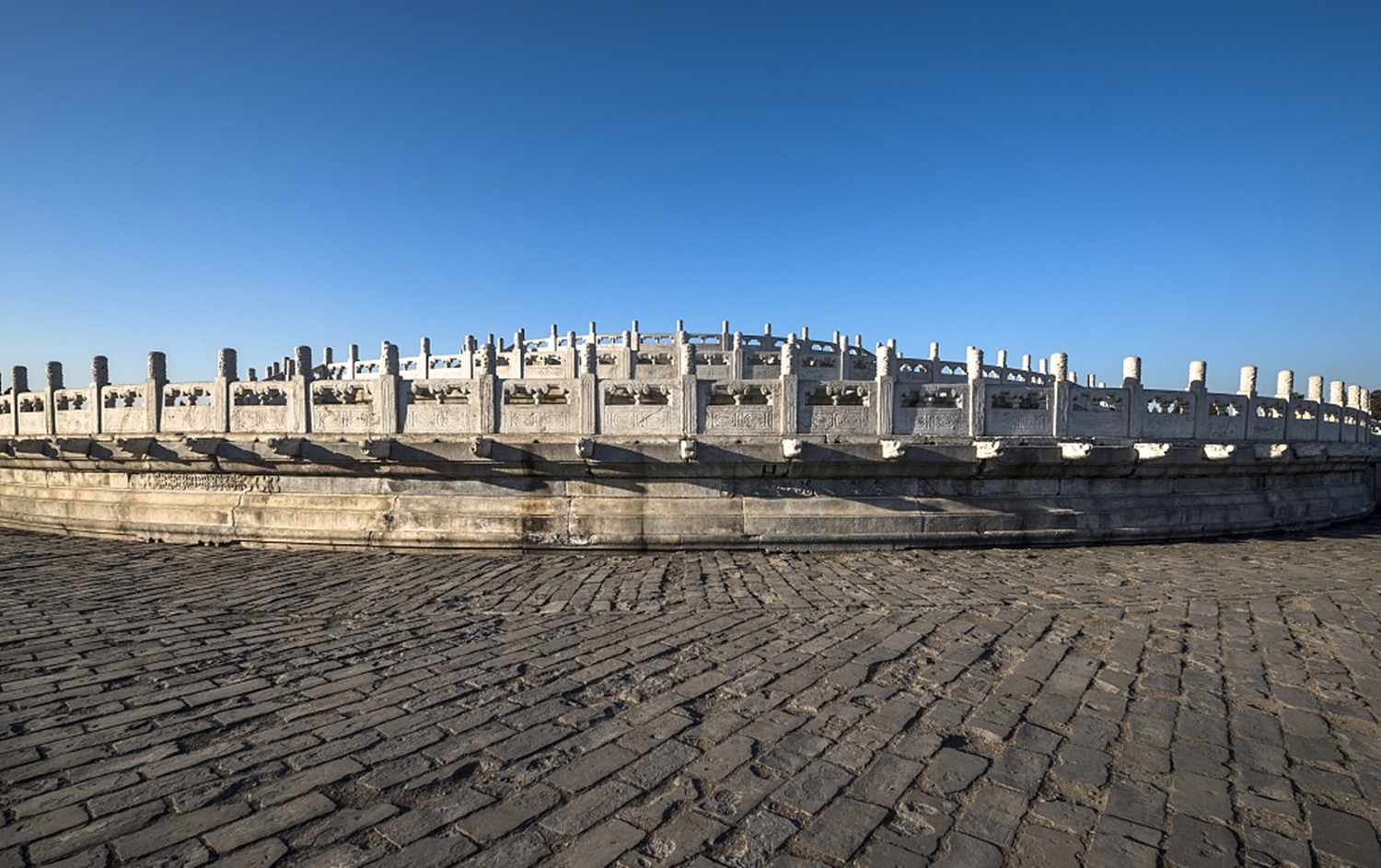 |
Vien Khau Dan was rebuilt in the 17th year of Can Long (1752), featuring three tiers, blue stone flooring, and railings and pillars carved from white marble. As an altar for heaven worship, its entire structure relates to mathematics. The stone components on the altar's surface, steps, and railings are all numbers 9 or multiples of 9, known as yang numbers, to symbolize Heaven.
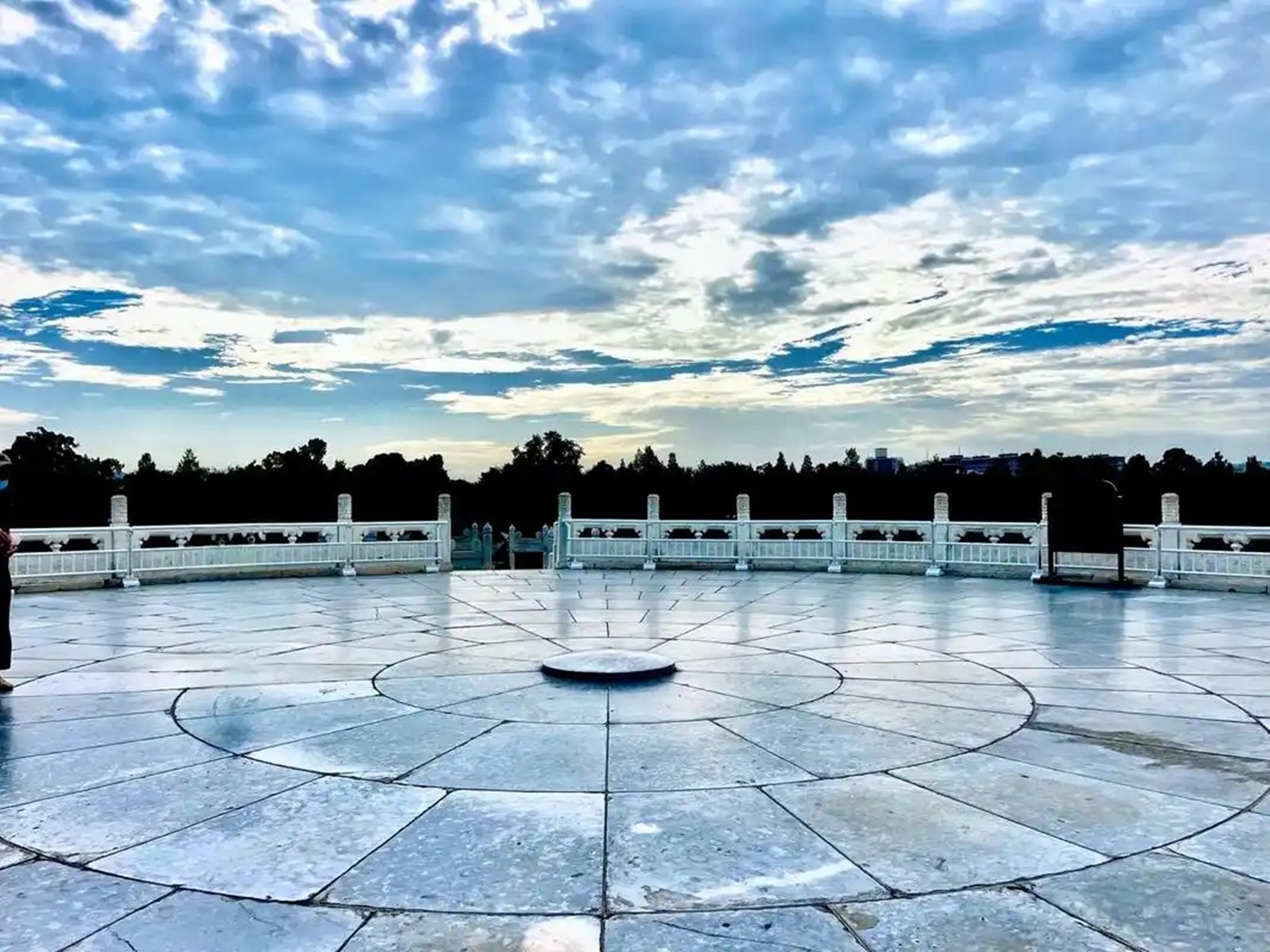 |
The circular stone slab in the center of Vien Khau Dan is Thien Tam Thach (Heaven's Heart Stone or Ten Thousand Echoes Stone). When standing on this stone and shouting or making a percussive sound, the surrounding echoes reverberate. The sound seems greatly amplified to the person standing there, creating a sensation like "one call, a hundred responses."
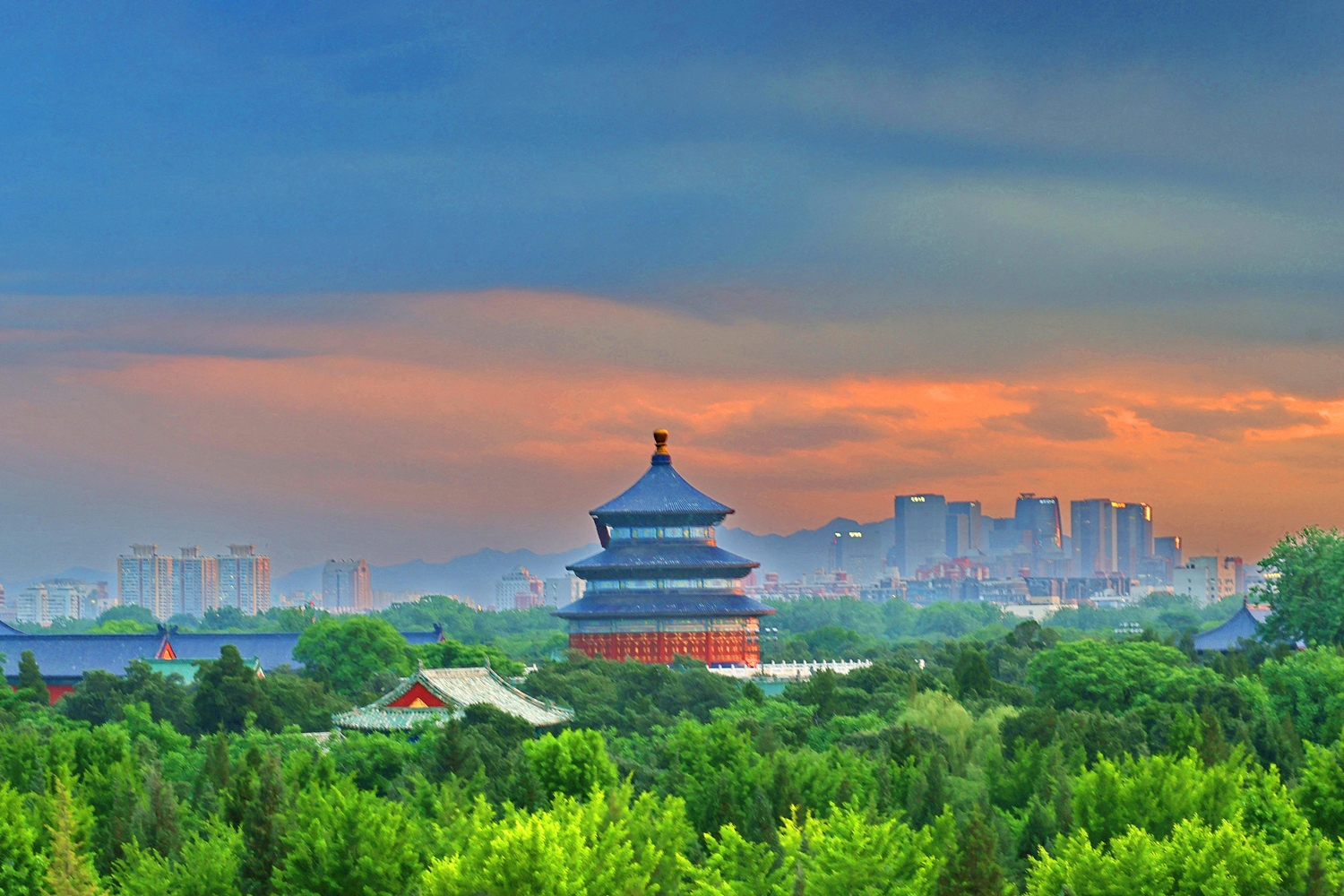 |
Dien Ky Nien stands out against the sunset in Beijing on 10/5.
Hong Hanh (Photos: AFP, China Daily)