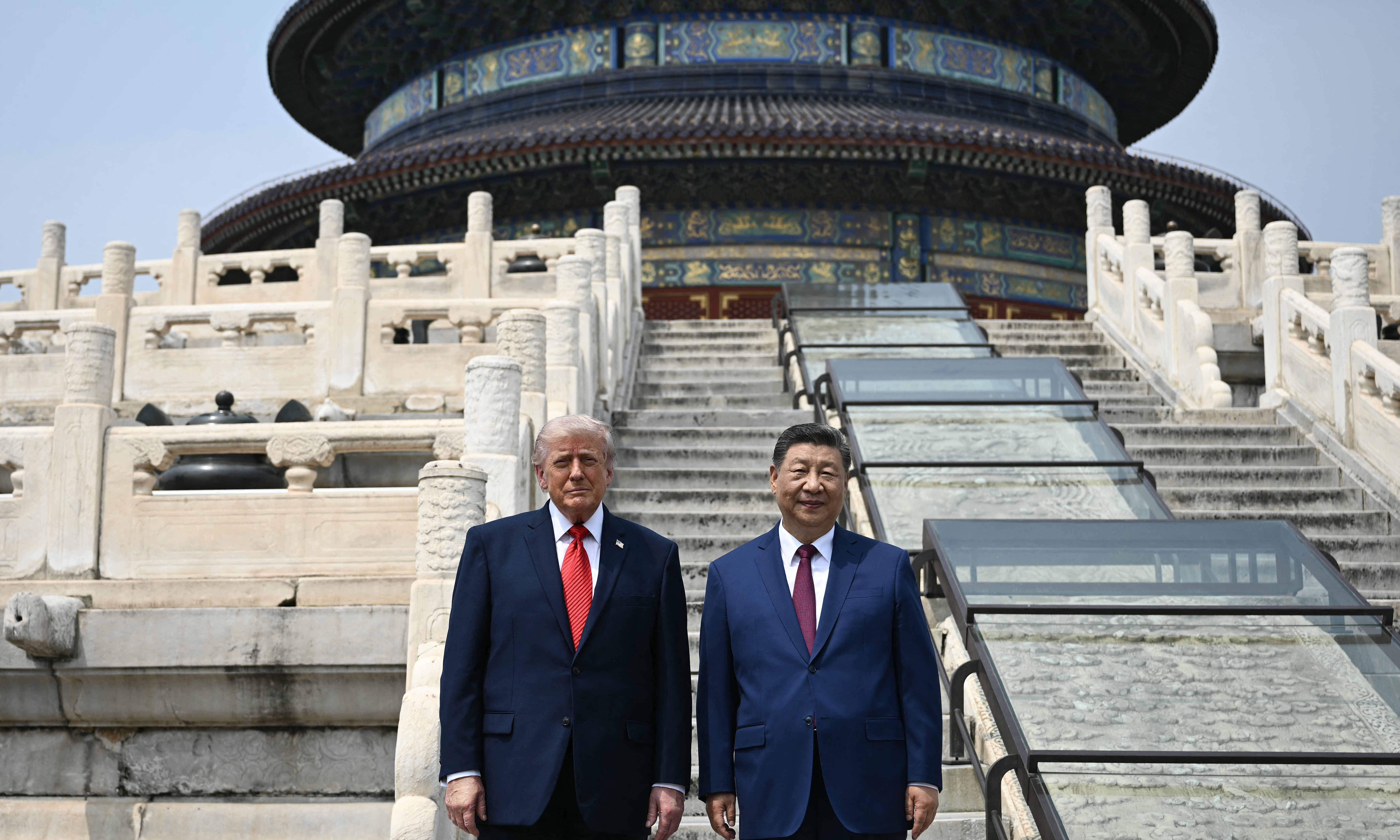
On 14/5, US President Donald Trump received the highest state honors from Chinese President Xi Jinping at Tiananmen Square, including a 21-gun salute. President Trump then shook hands with the Chinese president on the red carpet in front of the Great Hall of the People, as the two leaders prepared for bilateral talks.
Body language experts analyzed the interaction, noting Mr. Trump's proactive approach. According to Judi James, Mr. Trump initiated the handshake despite Mr. Xi being the host. She observed the US leader displayed a "strained smile," possibly due to his eagerness to build goodwill before the meeting began.
"Mr. Trump initiated the handshake, extending his hand palm-up when the two leaders were still several steps apart. The person who initiates a handshake often aims to establish a dominant position over their counterpart, so typically the host would make the first move," James said.
The two leaders shook hands for approximately 10 seconds, their hands clasped firmly. During this time, Mr. Trump used his left hand to gently pat Mr. Xi's hand five times. According to James, these gestures appeared to signal his desire to strengthen relations between the two sides.
"When the two men shook hands, Mr. Trump patted Mr. Xi's hand, two pats initially. In the second instance, he repeated this action three times, with the first pat lasting longer than the others. This sequence of actions indicates a desire to foster rapport," James analyzed.
Body language expert Lillian Glass also suggested that Mr. Trump's behavior during the handshake with Mr. Xi reflected a "particularly serious" attitude. She analyzed that President Trump leaned more towards Mr. Xi, indicating a desire to create a friendly impression and a readiness for open dialogue.
Glass observed that Mr. Trump's facial expression also differed from his usual demeanor. His narrowed eyes and tight-lipped smile suggested focused emotional control and caution, a look rarely seen from Mr. Trump at foreign policy events. She added that his uncomfortable smile in public indicated he viewed the meeting as very important.
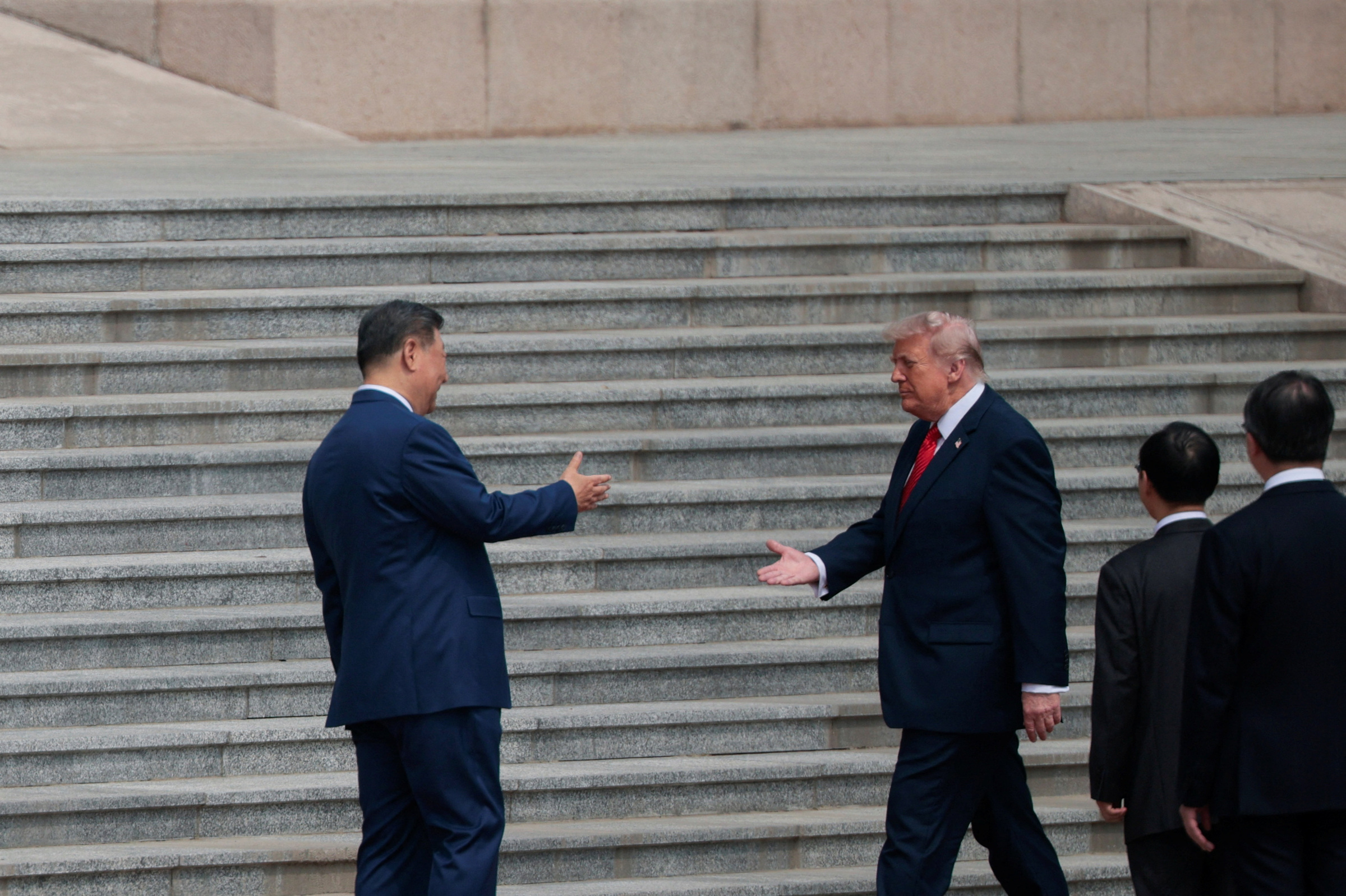 |
President Trump reportedly initiated the handshake at the reception in front of the Great Hall of the People in Beijing on 14/5. Photo: Reuters |
Glass further analyzed that the firm handshake between the two leaders, coupled with Mr. Xi looking directly at Mr. Trump, was a positive sign. Conversely, the US president's solemn expression indicated he viewed this as a particularly significant meeting.
"There was a moment when the two men shook hands quite firmly. Mr. Xi looked directly into Mr. Trump's eyes. This is a good sign. However, Mr. Xi exuded a more relaxed demeanor, while Mr. Trump showed a serious attitude and did not smile much," Glass stated.
James also noted that the US president displayed an intense, probing gaze when speaking with Mr. Xi, instead of his usual relaxed and playful demeanor. When the two leaders greeted a group of children holding US and Chinese flags, the atmosphere became noticeably more open. Mr. Trump smiled, applauded, and made friendly gestures toward Mr. Xi.
Before the talks began, Mr. Trump appeared enthusiastic, praising the grand reception ceremony he received as a rare honor. "It is an honor to be with you, it is an honor to be your friend. The relationship between China and the United States will be better than ever," Mr. Trump told Mr. Xi.
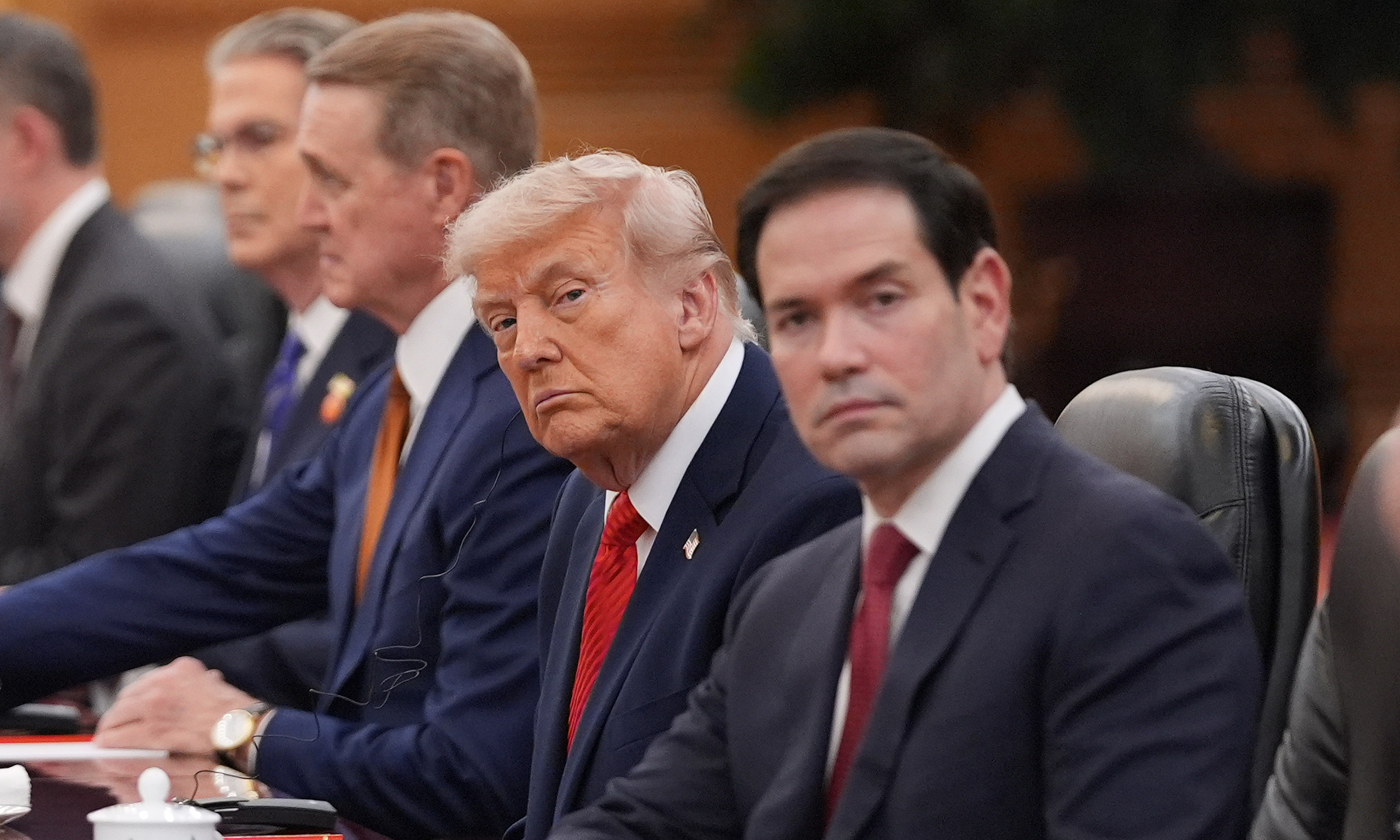
According to Judi James, Mr. Trump's serious demeanor returned upon entering the meeting room, despite China arranging the seating to "create a relatively closer feel" compared to other meetings in Beijing.
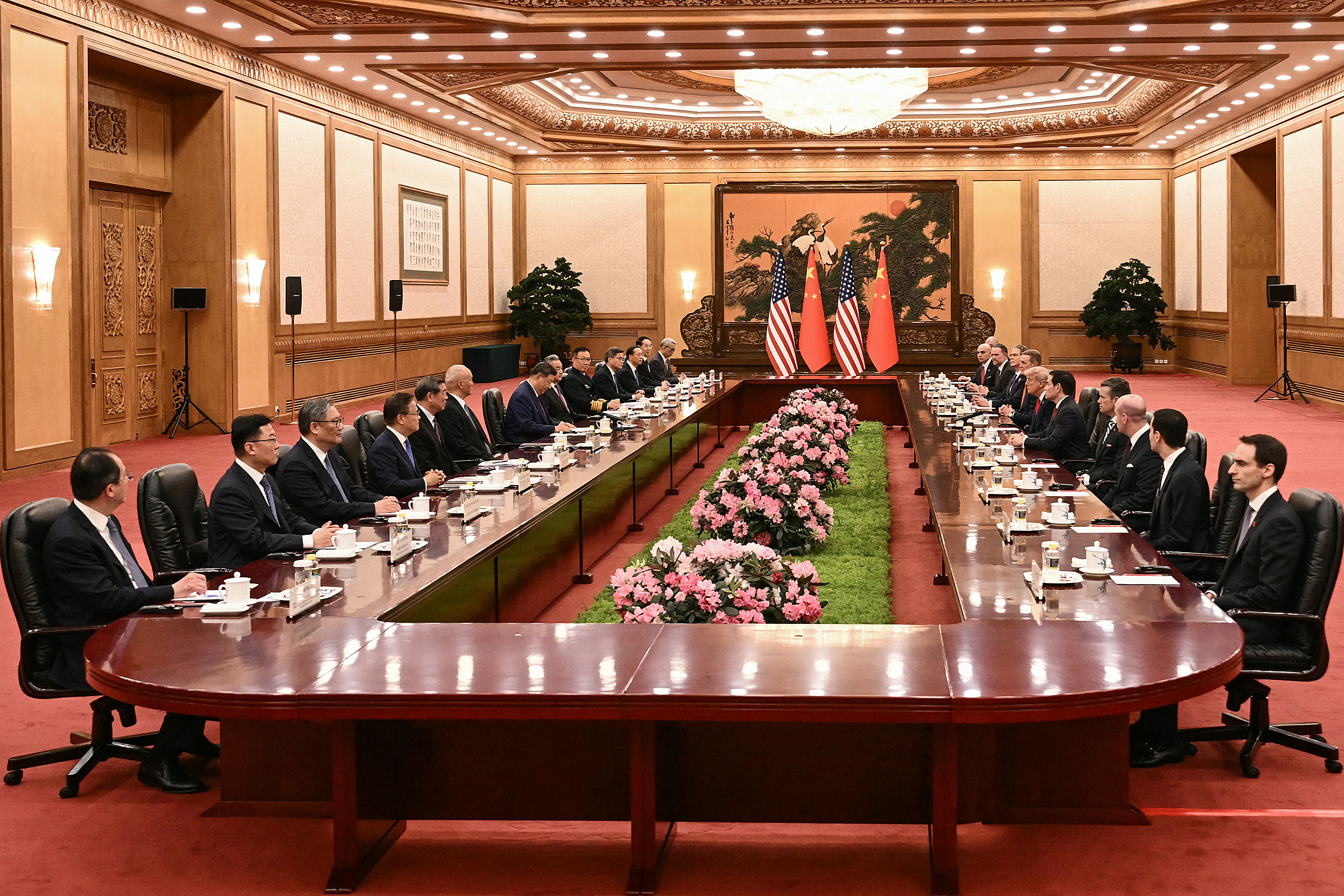 |
The US-China delegation holds talks at the Great Hall of the People in Beijing. Photo: AFP |
"Mr. Trump presented himself as powerful, calm, and serious. He sat leaning slightly forward with his hands hidden under the table," she observed, suggesting this posture indicated a readiness for a strategic engagement.
China's Ministry of Foreign Affairs stated that during the talks, the two leaders exchanged views on important international and regional issues, including the situation in the Middle East, the Ukraine crisis, and the North Korean issue.
The two sides agreed to establish a "constructive strategic stability relationship" to guide bilateral ties for the next three years and beyond. This marked the first time the phrase "constructive strategic stability" was used for US-China relations.
Thanh Danh (According to Mirror, Express)