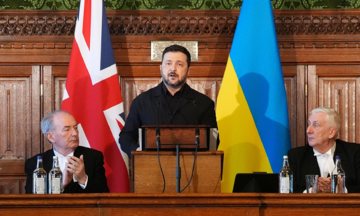
"The proposals we are making will modernize and simplify burial and cremation law in England and Wales, providing clearer, more consistent protection for the families and friends of the deceased," the Guardian reported on 17/3, quoting Professor Lisa Webley, a law commissioner for property, family, and trusts at the Law Commission of England and Wales. This body advises the government and parliament on law reform.
Grave reuse is already permitted in some London cemeteries and Church of England burial grounds. These existing rules require grave plots to be at least 75 years old before reuse.
Under the new proposal, this practice could expand to more localities across England and Wales, following local community consultation and government approval. In exchange for this broader scope, the Law Commission suggests increasing the waiting period from 75 years to at least 100 years. This aims to ensure maximum respect for the deceased and alleviate relatives' spiritual concerns.
Family members will have one year to object to a grave's reuse. Any objection will delay the reuse of that specific plot for an additional 25 years. Graves of military personnel will remain undisturbed.
The proposal also suggests reopening some cemeteries that were closed by law during the Victorian era (1837-1901). These changes would establish a national legal framework, easing pressure on burial space and modernizing a system that has been in place for the past 170 years.
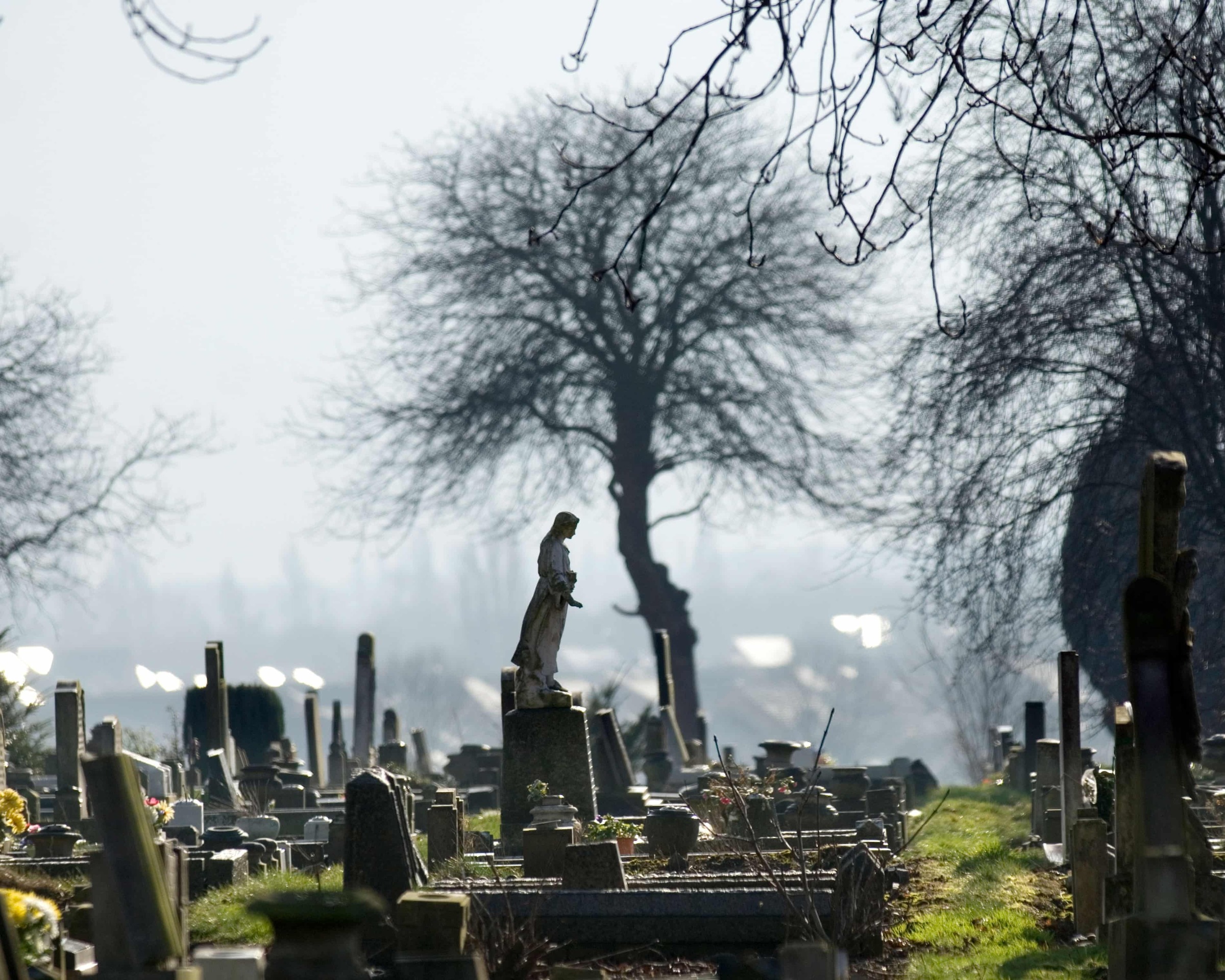 |
Yardley cemetery in Birmingham. Photo: Guardian |
The reuse process applies only to skeletal remains. When a grave is reused, the old remains will be moved to a deeper layer within the same grave plot to create new burial space above.
The National Association of Funeral Directors (NAFD) supports the law but believes it requires further consideration. The UK government is currently considering these views before publishing a report on new burial regulations.
Hong Hanh (According to The Guardian)