 |
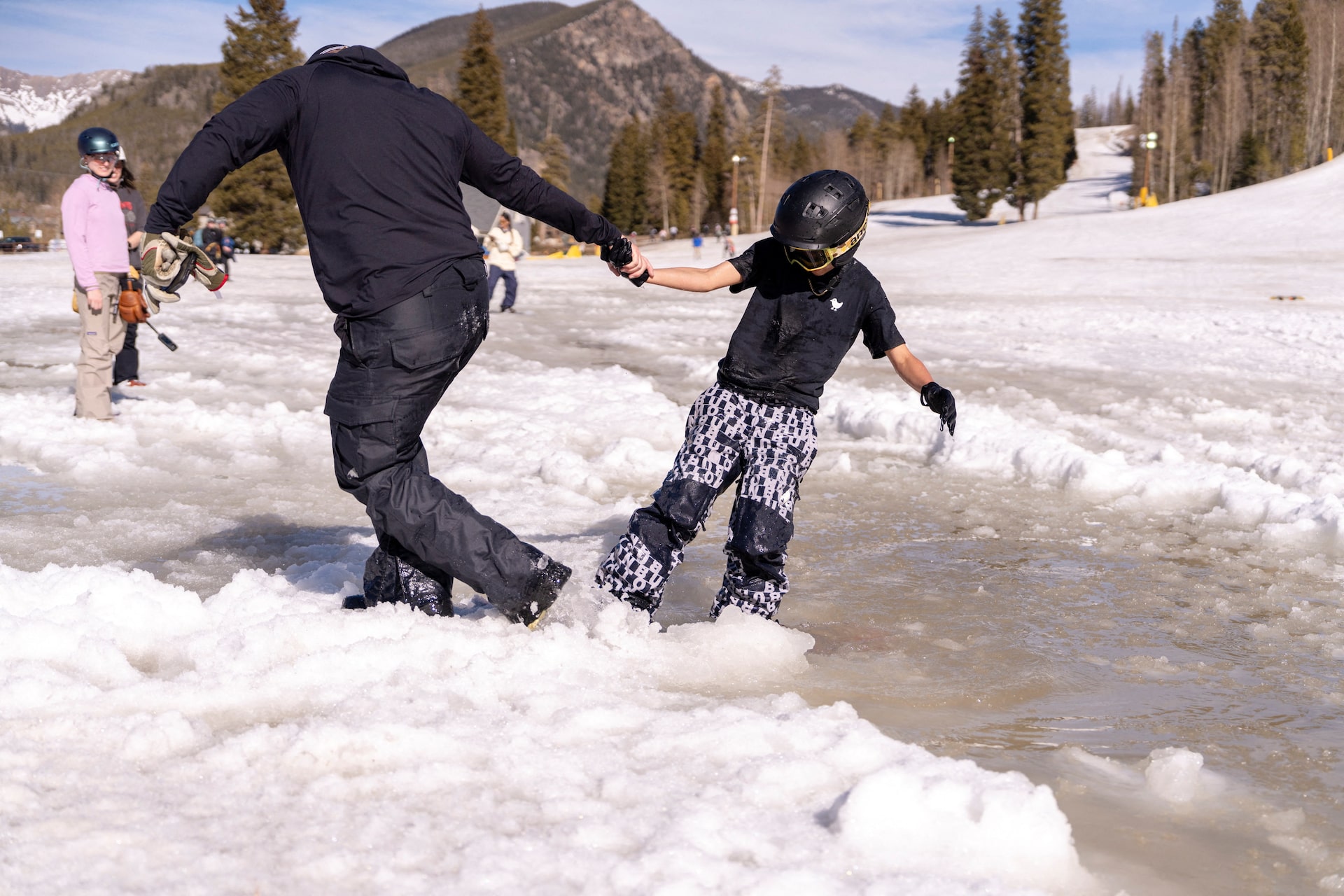
A man pulls his son from a puddle of melted snow. |
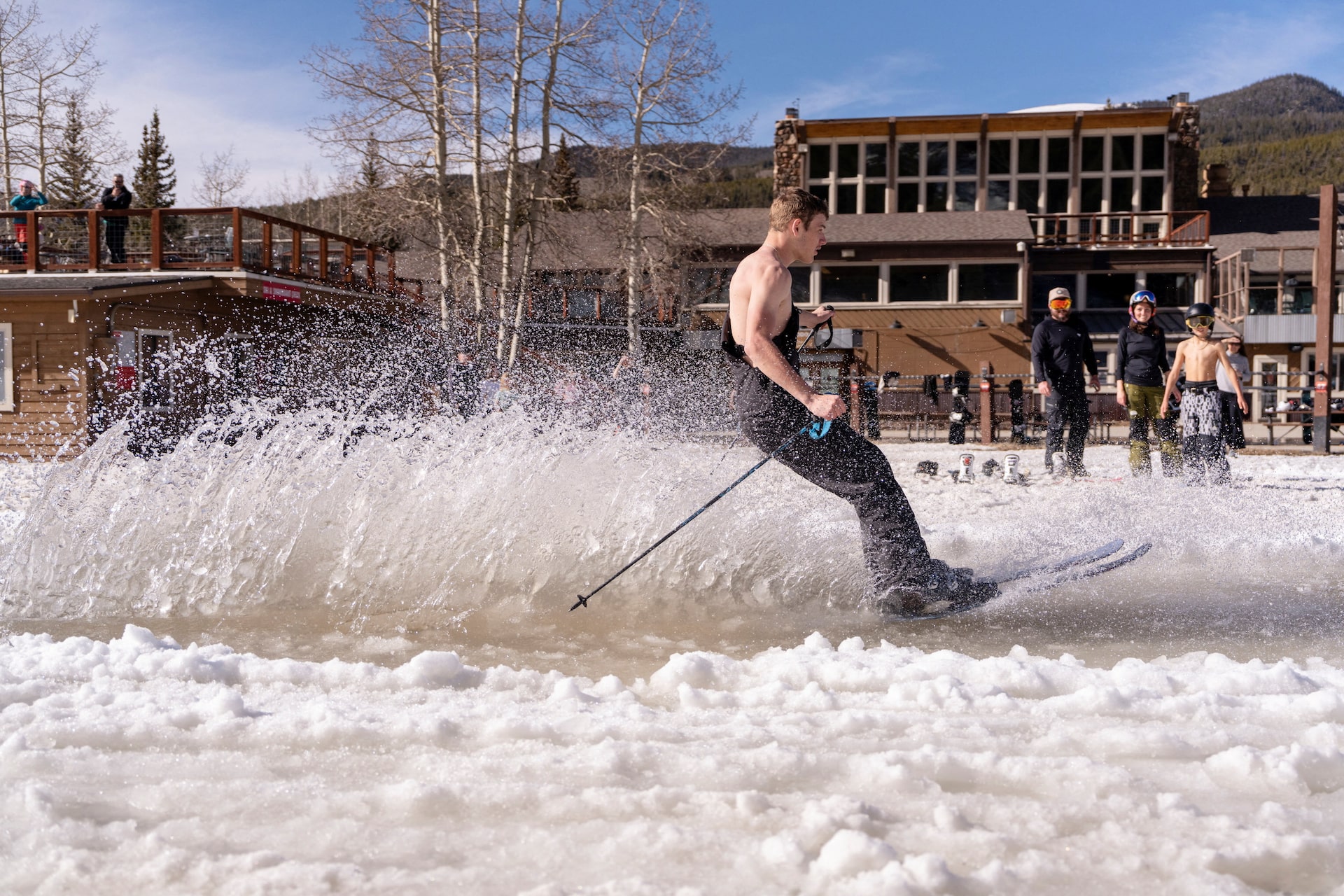
Record-breaking heat, with temperatures reaching 15-16 degrees C in Keystone, Colorado, led skiers to shed heavy clothing for t-shirts, bikinis, or go shirtless on 21/3.
Following March temperature records broken across 14 US states, a massive "heat dome" currently scorching the Southwest is expanding eastward, potentially becoming one of the most widespread heatwaves in US history, according to AP.
The heatwave is expected to persist until early April, stated meteorologist Gregg Gallina of the US National Weather Service's Weather Prediction Center.
"Essentially, the entire US will experience extreme heat", Gallina commented on 23/3. "A vast region will see unprecedented high temperatures for March. This is truly unusual".
 |
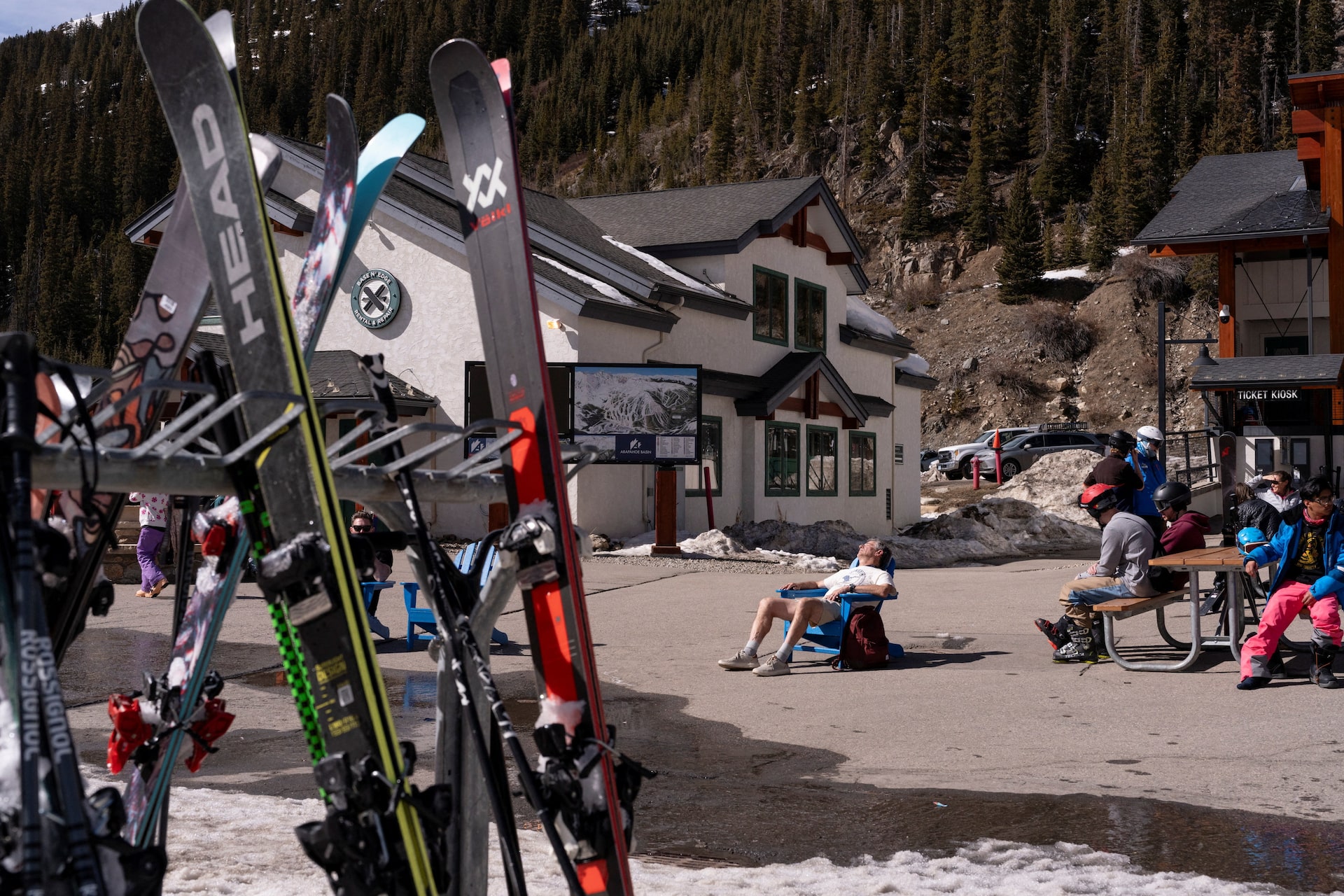
A man sunbathes at the Arapahoe Basin ski area. |
Individuals in swimsuits were seen carrying snowboards while walking on the resort's snow.
Four locations in Arizona and California registered 44,4 degrees C last weekend. This figure surpassed the continental US's hottest March day record by 2 degrees C, falling just 1 degree short of the hottest April day ever recorded across the 48 US states.
Climatologist Maximiliano Herrera identified 14 states that have set new records for the hottest March day since the heat dome's onset: California, Arizona, Nevada, Kansas, New Mexico, Nebraska, Utah, South Dakota, Missouri, Iowa, Colorado, Wyoming, Minnesota, and Idaho.
 |
Kole Riner, 16, skis through a puddle of water. |
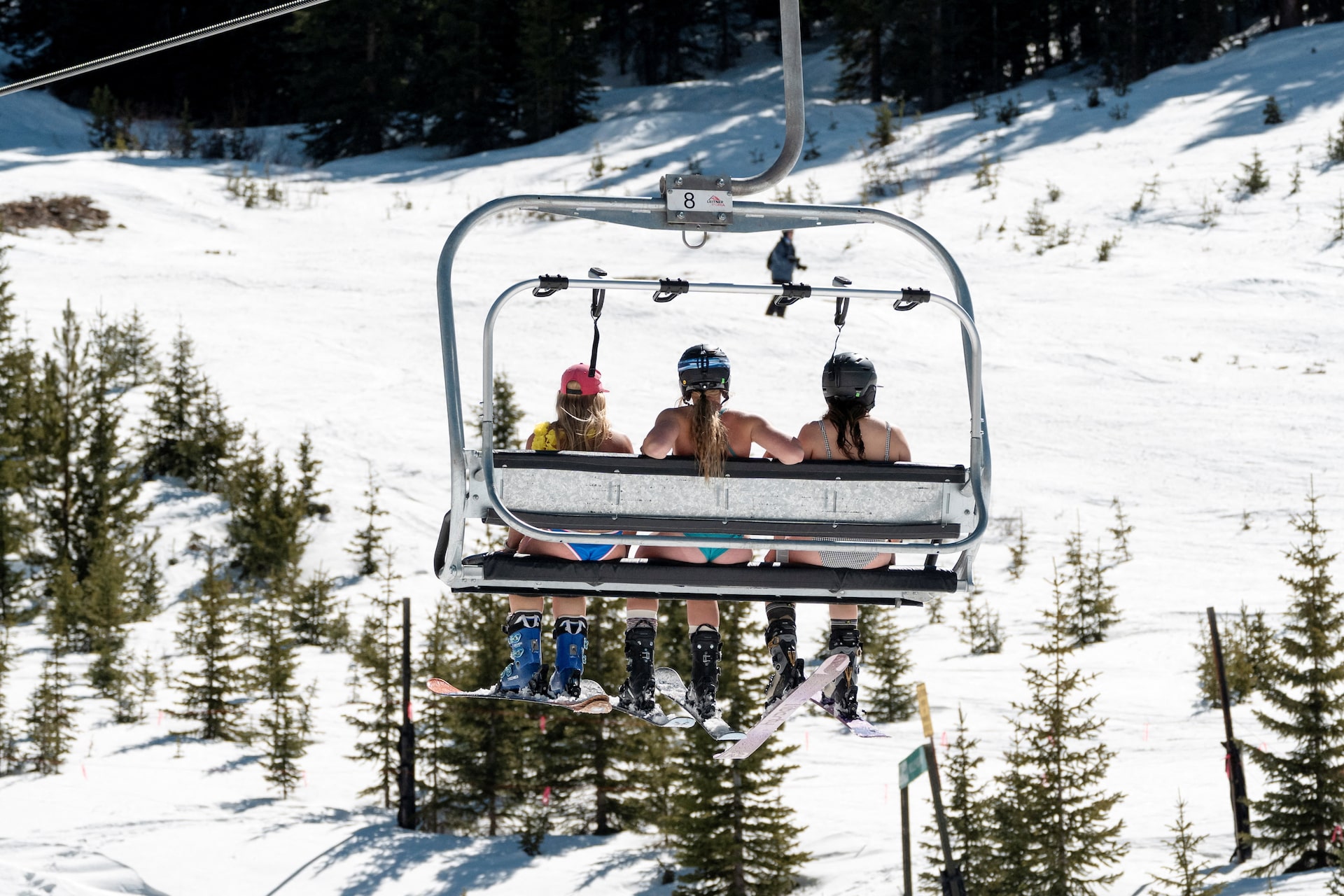
A group of women in bikinis rode a cable car to the Arapahoe Basin ski area in Keystone.
Meteorologist Gallina predicted that the eastward-moving hot air mass could elevate temperatures to 30 degrees C by 25/3 across the southern plains and central US.
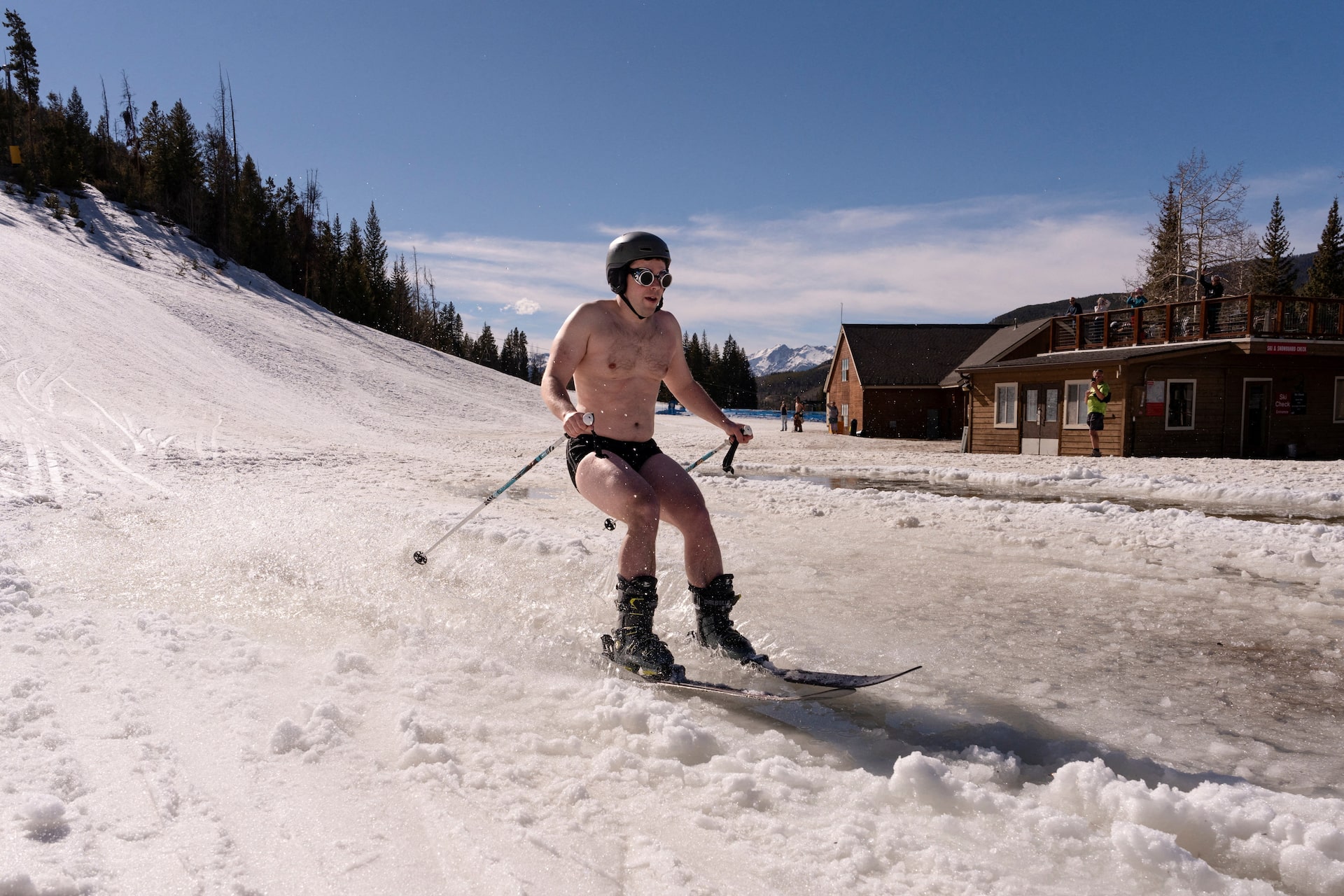 |
Jake Beley, 30, skied through a puddle of melted snow.
The heat dome's formation is attributed to a "jet stream"—an air current that guides weather systems from west to east—becoming "stuck" in the western region, leading to torrential rain and flooding in Hawaii.
The international scientific group World Weather Attribution concluded that this record US heatwave would have been "nearly impossible" without climate change. The combustion of coal, oil, and natural gas amplified the heatwave's probability by 800 times and contributed to a temperature increase of at least 2,6 degrees C.
 |
 |
 |
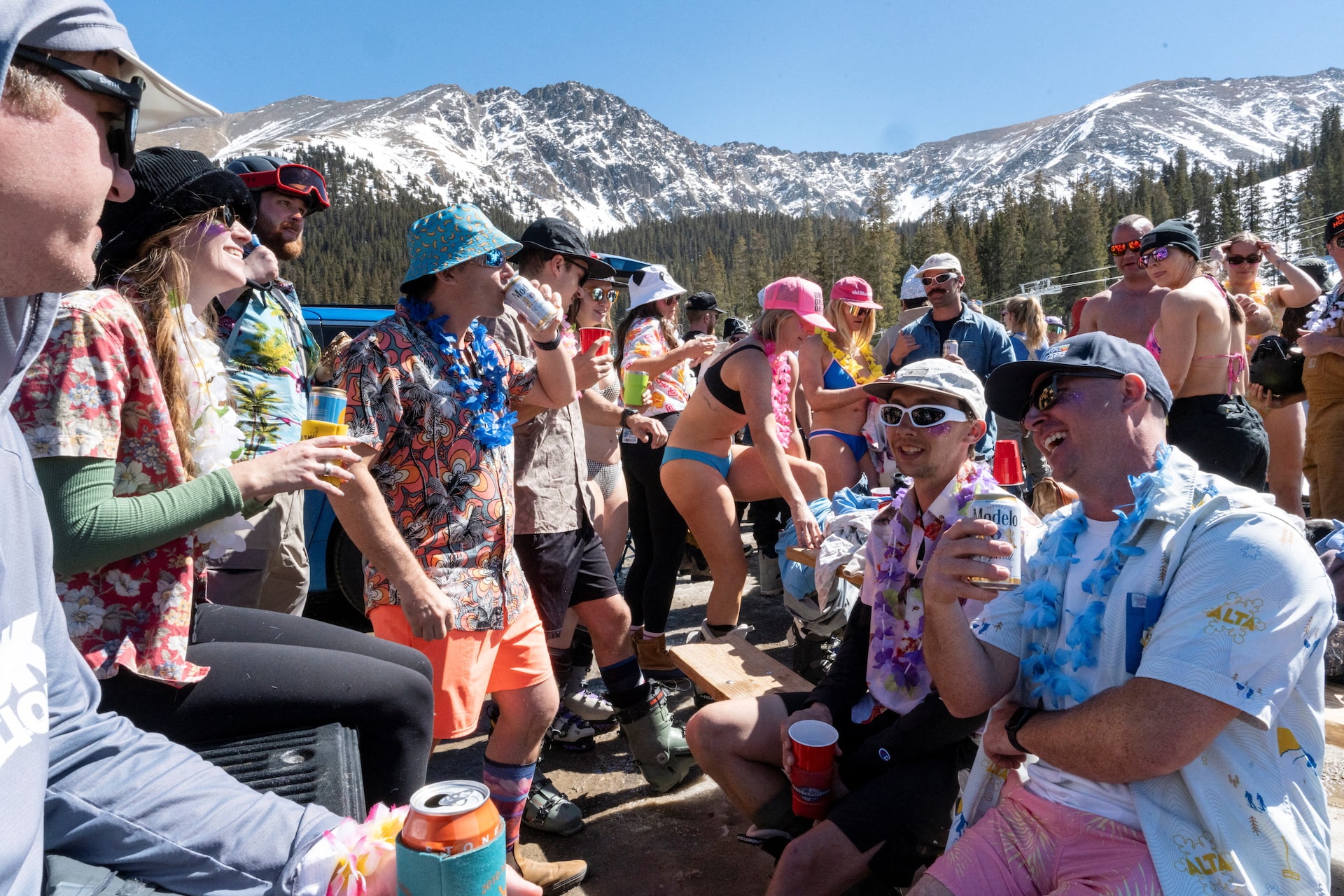 |
After skiing, they paused to rest, drink refreshments, and chat.
Expert Jeff Masters anticipated the heat dome would gradually dissipate by next weekend. "We just need to give it more time", he stated.
Hong Hanh ( _Reuters_ )