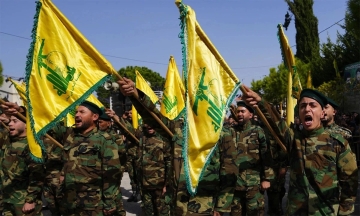
Iran's Islamic Revolutionary Guard Corps (IRGC) announced on 9/5 that it is awaiting orders to retaliate against United States facilities in the Middle East. This warning follows a US airstrike on two Iranian oil tankers in the Gulf of Oman on 8/5. The IRGC stated, "Any attack on Iranian oil tankers and cargo ships will be fiercely countered with strikes on American vessels and facilities in the region."
The IRGC Air Force emphasized its readiness, stating, "Missiles and drones have locked onto the enemy. We are awaiting orders to open fire."
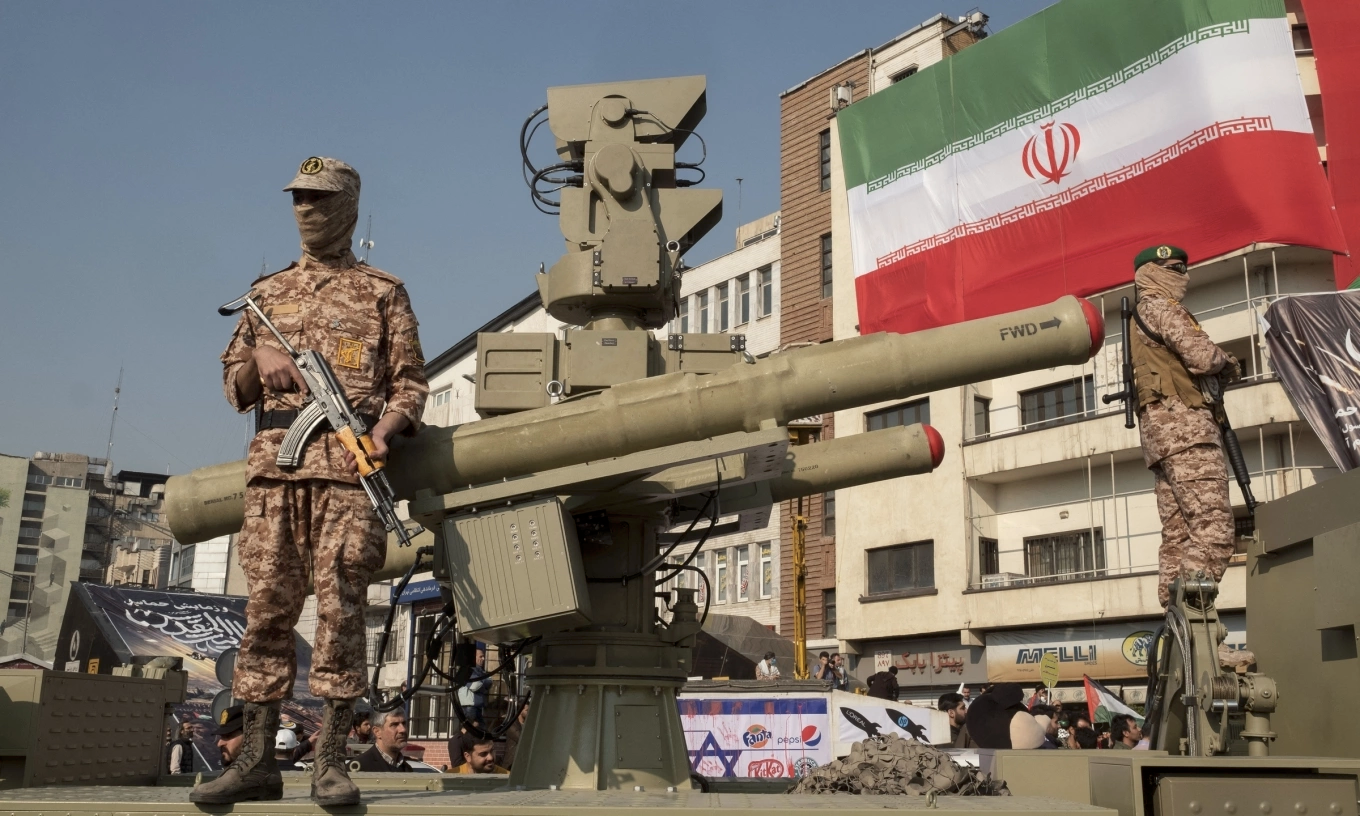 |
Members of Iran's Islamic Revolutionary Guard Corps (IRGC) in Tehran in 11/2023. *Photo: AFP* |
Amidst escalating tensions, President Donald Trump indicated on 9/5 that he expects a "very soon" answer from Iran regarding the latest US peace proposal. Margot Haddad, a reporter for French television channel LCI, conveyed Trump's remarks following a brief interview.
However, Tehran has shown no public indication of accepting the proposal. Iran's Foreign Minister Abbas Araghchi reportedly questioned the credibility of American leadership. He told his Turkish counterpart in a phone call, as reported by Iranian news agency ISNA, that "recent escalations by US forces in the Persian Gulf, along with many violations of the ceasefire, have increased doubts about the US's motives and seriousness on the diplomatic path."
In a parallel diplomatic effort, US Secretary of State Marco Rubio met with Qatari leaders on 9/5. Qatar serves as a key intermediary for Washington in its dialogues with Tehran. The US Department of State reported that discussions focused on "continued close coordination to deter threats, while promoting stability and security across the Middle East."
Earlier, Qatari Prime Minister Mohammed bin Abdulrahman Al Thani met with US Vice President JD Vance to discuss Pakistan-led initiatives aimed at a lasting peace agreement. Historically, Iran has targeted sites in Qatar during conflicts, stemming from Qatar's allowance of significant US airbase presence.
Last week, Tehran submitted a 14-point proposal to Washington. This proposal notably omitted key American demands, such as Iran halting its nuclear program and fully reopening the Strait of Hormuz. The Strait is a strategic shipping lane that, before hostilities, transported approximately one-fifth of the global oil and gas supply. Washington has since provided its response to Tehran and is now awaiting Iran's reply.
Iranian Foreign Ministry spokesperson Esmaeil Baqaei stated that Tehran would communicate its stance to Pakistan, the mediating country, "after completing its review." Nevertheless, a firefight between the US and Iran in the Strait of Hormuz on 7/5 has further complicated the prospects for peace between the two nations.