In June, the U.S. Congress passed the 21st Century Homeownership Path bill with broad bipartisan support. The White House had praised the bill, and Trump himself advocated for several of its provisions.
However, on 24/6, president Trump abruptly canceled the bill signing ceremony, describing the legislation as "boring". Instead, he sought to draw attention to the stalled SAVE America election bill, which senators had refused to pass.
"To me, compared to the SAVE America Act, almost everything else is insignificant," Trump told reporters in June.
On 10/7, Trump reiterated his stance: "I will not sign the housing bill, in protest of the U.S. Senate's failure to pass the SAVE America bill."
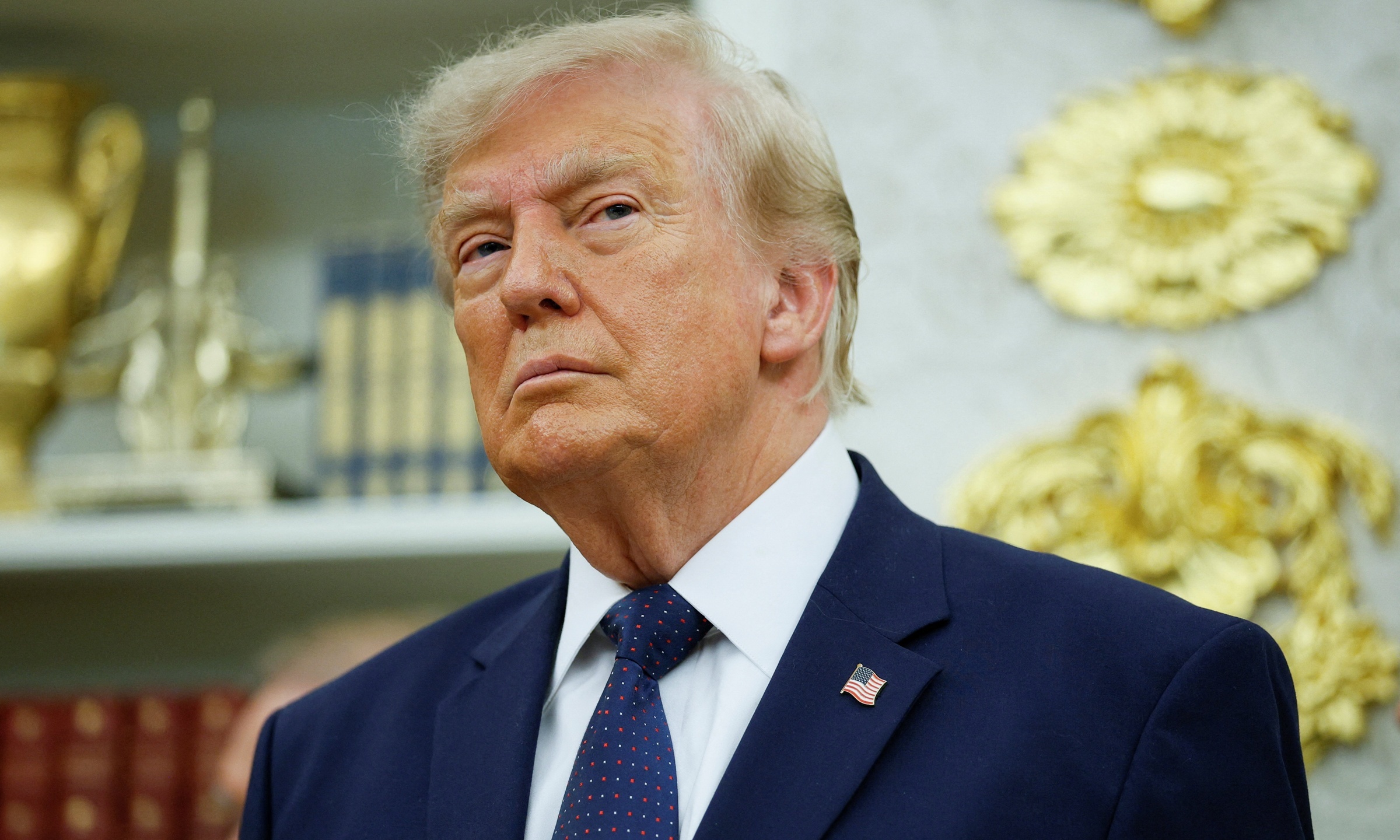 |
U.S. President Donald Trump in the Oval Office, White House, on 6/7. Photo: Reuters |
Previously, House Speaker Mike Johnson presented the housing bill to the president on 29/6, initiating a 10-day period for him to sign or veto it. This deadline concluded at 23:59 eastern time on 10/7. According to the U.S. Constitution, if the president does not veto a bill within 10 days of its presentation, it automatically becomes law, regardless of his signature.
The 21st Century Homeownership Path Act restricts investors' ability to hoard homes, reduces some federal permitting regulations to boost new construction, and allows for pilot programs to support home renovation financing and affordable housing planning.
The law includes a provision prohibiting investors from buying additional single-family homes if they already own 350 units or more. It also makes it easier for individuals to purchase manufactured homes and increases mortgage lending capacity.
This development occurs as Democrats and Republicans prepare for the mid-November midterm elections, where housing affordability is anticipated to be a major concern for voters.
 |
U.S. House Speaker Mike Johnson speaks in Washington D.C. on 26/6. Photo: Reuters |
The SAVE America bill aims to tighten federal election regulations, requiring citizens to present original documents proving legal citizenship, such as a U.S. passport, birth certificate, or naturalization certificate. Additionally, the bill mandates voters to show photo identification at polling places, strictly limits mail-in voting, and compels state authorities to purge non-citizens from voter rolls under criminal penalties.
While Republicans assert this is a "safety lock" to prevent fraud and protect election integrity, Democrats criticize it as a deliberate administrative barrier that risks disenfranchising millions of low-income or minority voters who may lack access to the required original documents.
Hoang Lan (According to AFP, Reuters)