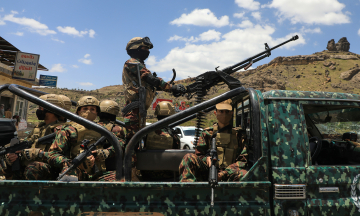
In an announcement today, the Houthi armed group claimed to have used indigenous air defense weapons to shoot down a heavy F-15 Saudi fighter jet. The incident occurred while the jet was conducting "hostile actions" over Marib province in Yemen. Houthi units also launched missiles at "two formations of F-15 and Typhoon fighter jets searching for the downed aircraft's wreckage," forcing them to withdraw.
The Houthi forces have not yet released images of the incident, nor have they specified the F-15 version or the status of the Saudi aircrew.
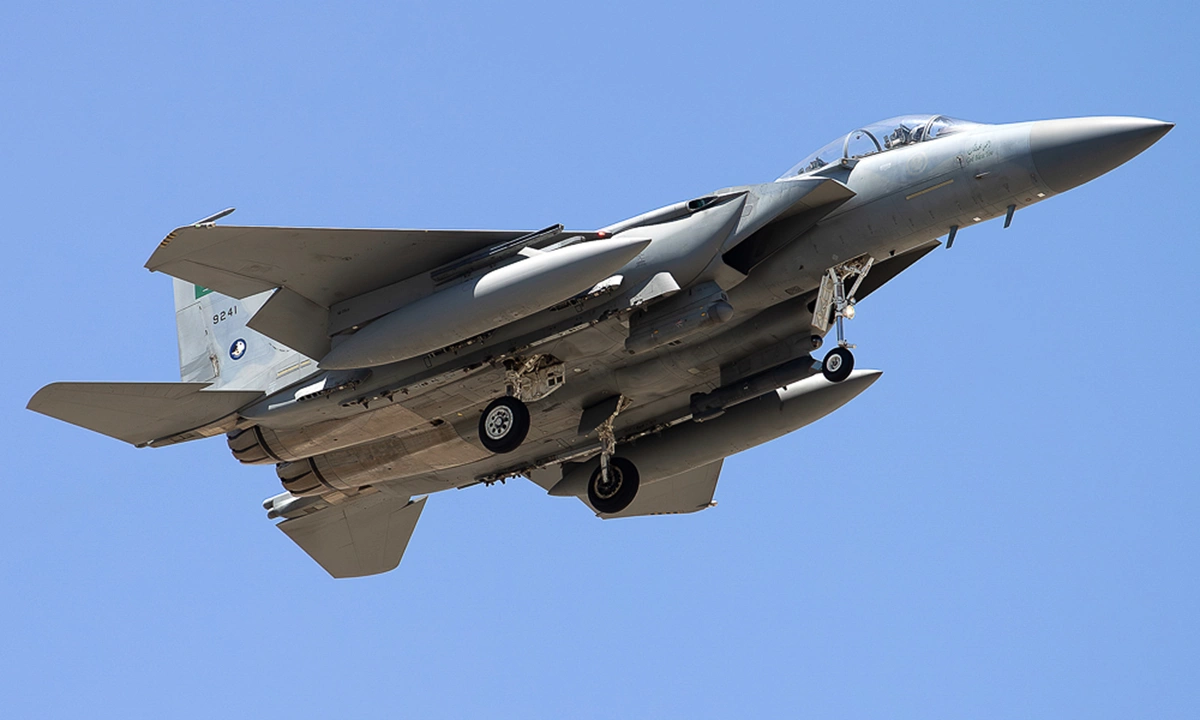 |
A Saudi F-15SA fighter jet flying in Turkey in 6/2025. Photo: Airliners |
The Houthi armed group accused the Saudi air force of conducting over 450 airstrikes with F-15 and Typhoon fighter jets targeting Yemeni provinces this week. These attacks reportedly resulted in numerous civilian casualties. "We will use all available measures to protect Yemen's sovereignty from any aggression or encroachment," the statement read.
AMK Mapping, an X account specializing in open-source intelligence on military conflicts, previously reported conflicting information regarding the fate of the F-15 crew. Reports varied on whether they were captured or awaiting rescue while in hiding.
Saudi officials have not yet commented on the information.
Saudi has received over 220 F-15 fighter jets since the early 1980s, making it the country with the second-largest F-15 fleet globally, after the US. The Saudi air force operates both older F-15C/D versions and more modern F-15S and F-15SA variants.
The F-15SA version integrates features from South Korea's F-15K and Singapore's F-15SG models. It includes upgraded systems and structural improvements compared to the basic F-15S series.
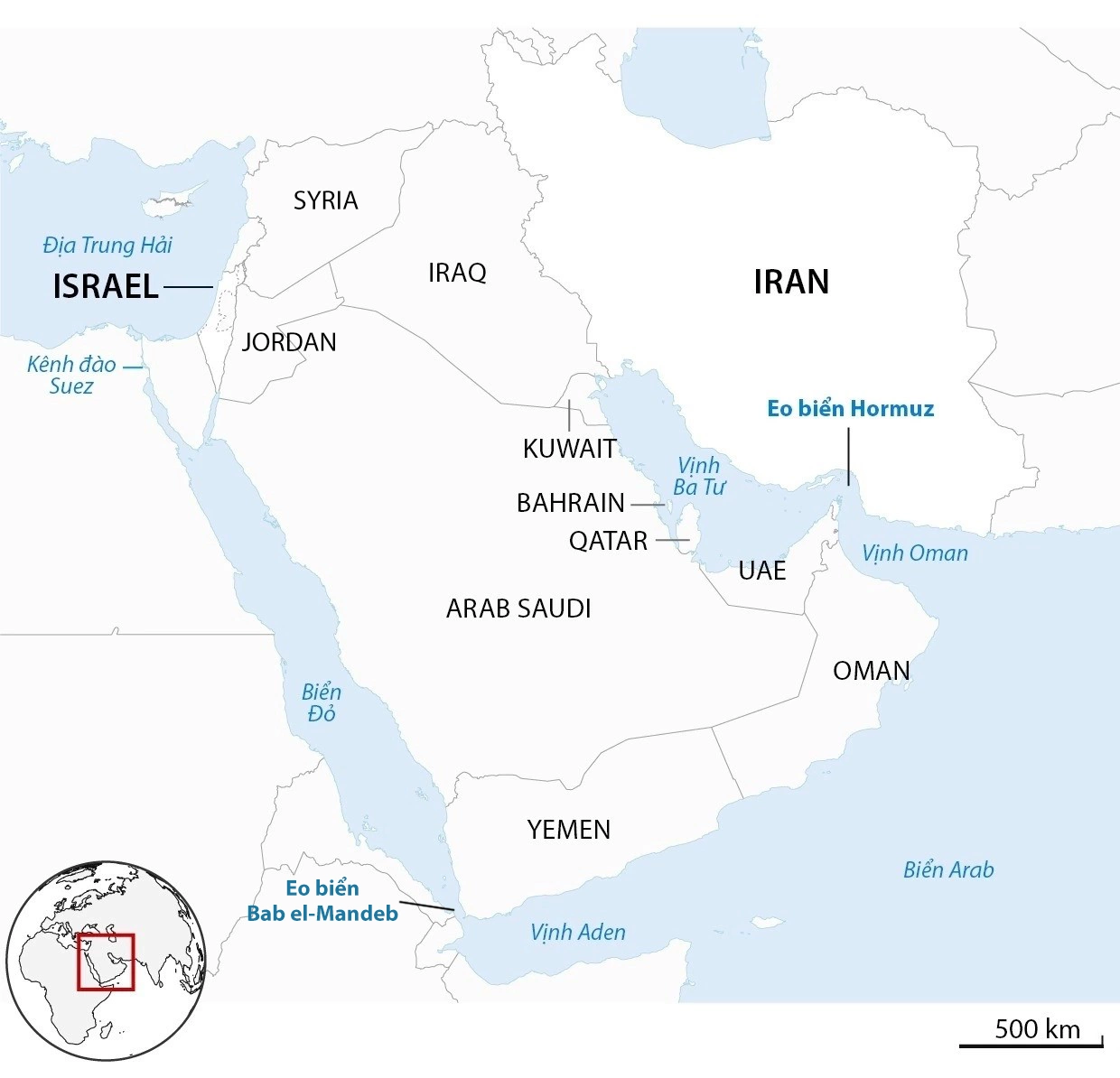 |
Location of Yemen and Saudi. Graphic: Guardian |
The fighter jet is equipped with two turbofan engines and uses a computer-controlled system, replacing the mechanical systems found in earlier F-15 variants. It also features advanced cockpit displays, an active electronically scanned array (aesa) radar, and other systems.
Clashes between the Houthi armed group and Riyadh-backed government forces in Yemen have reignited since July.
Last week, Houthi forces gained control of the coastline bordering the Red Sea and the strategic Bab el-Mandeb Strait. This maritime route connects Asia with Europe via the Red Sea and the Suez Canal. This route has become increasingly important for oil and gas shipments, especially after the Middle East conflict nearly closed the Strait of Hormuz.
The Yemeni armed group also attacked oil infrastructure in Saudi, the world's leading crude oil exporter.
Pham Giang (According to AFP, SABA)