President Donald Trump accused the US Supreme Court of succumbing to Democratic pressure on 15/9, after it rejected his proposal to lift a stay on a plan to impose restrictions on mail-in voting. The decision is considered a setback for Republican efforts to maintain congressional control after the mid-term elections.
"They are not the individuals I interviewed to serve on the Supreme Court; they are now mere shadows of their former selves," President Trump wrote on social media, in a rare critique of judges he appointed.
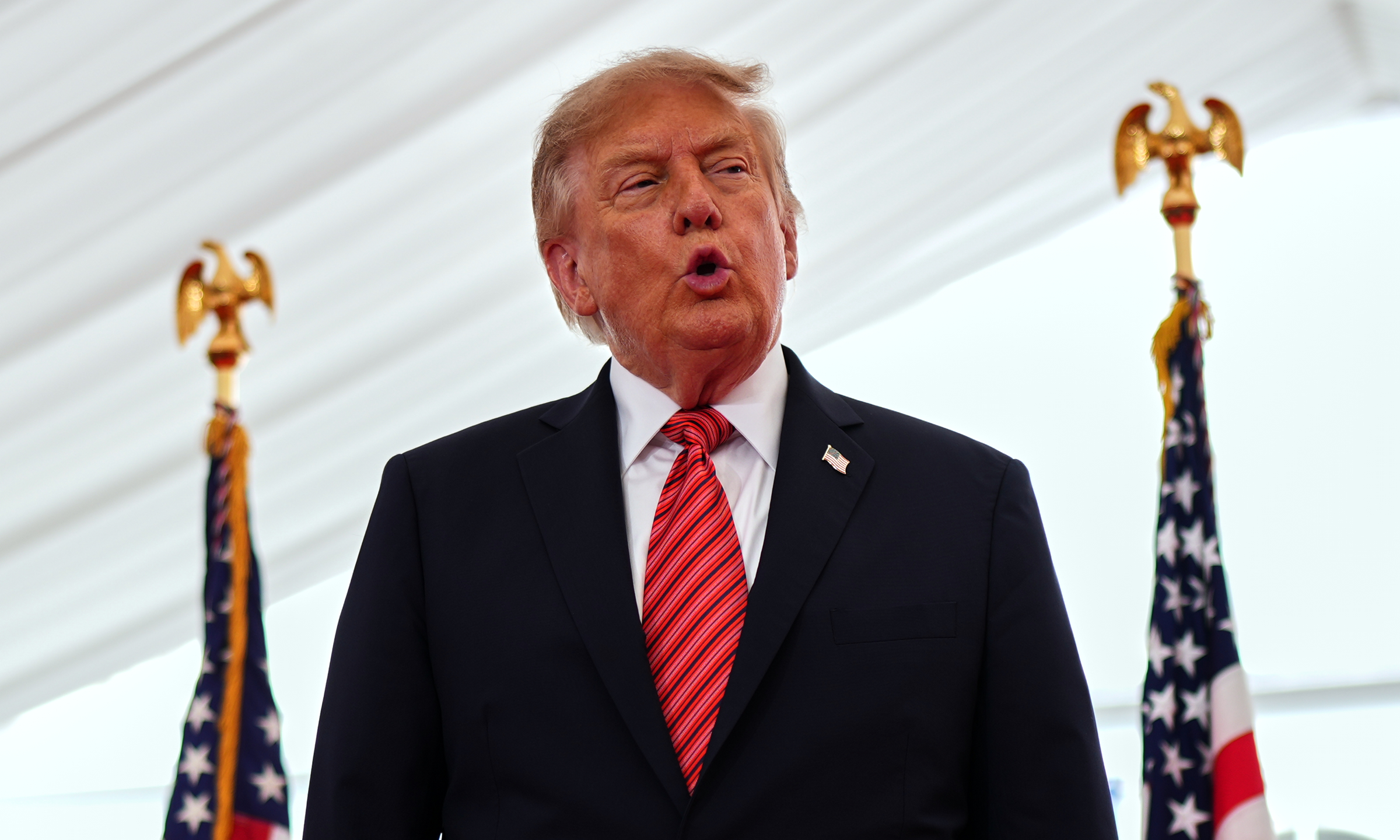 |
Donald Trump speaks in Dublin, Ireland on 12/9. *AP*. |
During his first term, the US President appointed three Supreme Court justices: Amy Coney Barrett, Brett Kavanaugh, and Neil Gorsuch, securing a conservative majority. Yet, only two other conservative justices, Samuel Alito and Clarence Thomas, sided with him in the Supreme Court's mail-in voting decision.
On 15/9, Trump lauded Justices Alito and Thomas as "legends," asserting that the Supreme Court had delivered "some of the most devastating, damaging, and harmful decisions" in US history. He characterized the court's mail-in voting ruling as "bad and highly political."
"Critiquing the US Supreme Court is not easy for me and could prove costly for years to come, but as President, I feel it is my responsibility and duty to do so for the America we cherish," he stated.
US Attorney General Todd Blanche defended President Trump's critique of the Supreme Court. "He is very disappointed. He has every right, and indeed should, express his concerns to the Supreme Court whenever they arise," Attorney General Blanche stated.
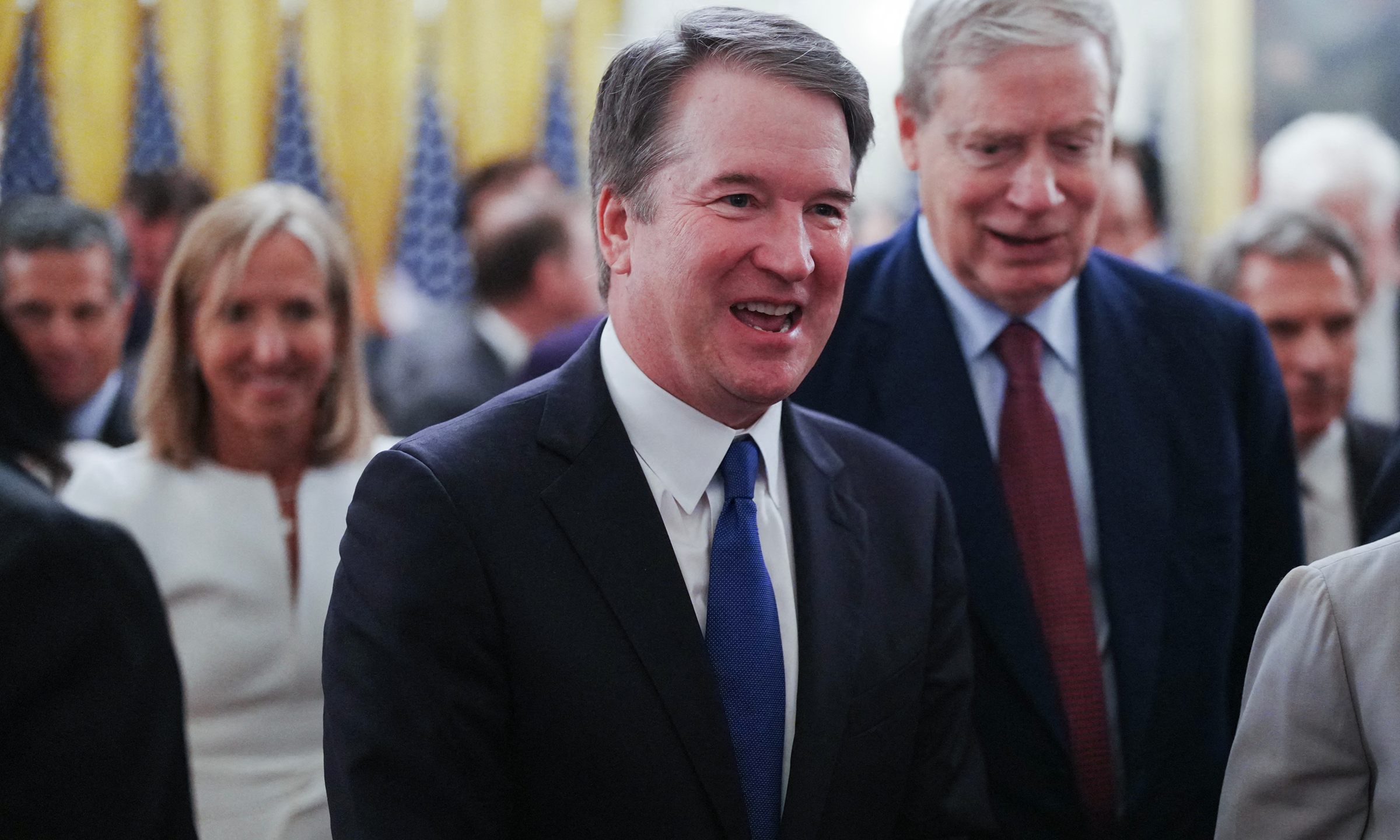 |
Justice Kavanaugh in Washington, US in May. *AFP*. |
The official added that the Trump administration might continue pursuing the plan to impose restrictions on mail-in voting, despite the court's decision.
In March, President Trump signed an executive order mandating the creation of eligible voter lists and requiring the US Postal Service (USPS) to deliver ballots solely to registered individuals. He asserted that "fraud is likely to occur with mail-in voting," offering no evidence, and claimed this was the cause of his 2020 presidential election defeat.
The plan faced numerous challenges, including the US Supreme Court's 14/9 ruling. Justice Kavanaugh indicated that while Trump's plan might be legal in the long term, state and local election officials "do not have sufficient time to reasonably implement this regulation before the election."
Pham Giang (AFP, Reuters)