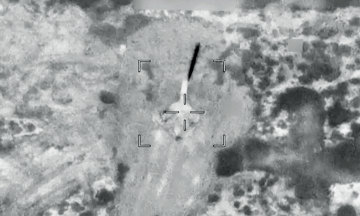
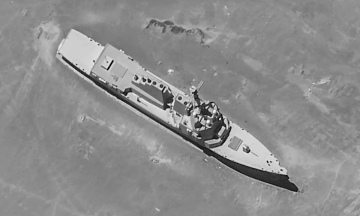
"Two very large crude carriers (VLCCs), the Mombasa B and Al Bahiyah, were struck by Iranian cruise missiles today while navigating the southern shipping lane of the Strait of Hormuz, within Oman's territorial waters," the United Arab Emirates (UAE) Ministry of Defense announced.
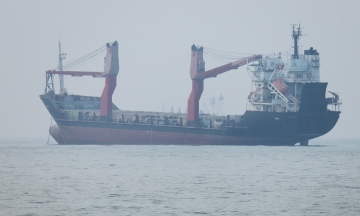
VLCCs are super crude oil tankers capable of carrying 150,000 to 320,000 tons of deadweight, equivalent to about 2 million barrels of oil. These vessels are a vital global energy transport lifeline, typically moving crude oil from the Middle East to major consumption markets worldwide.
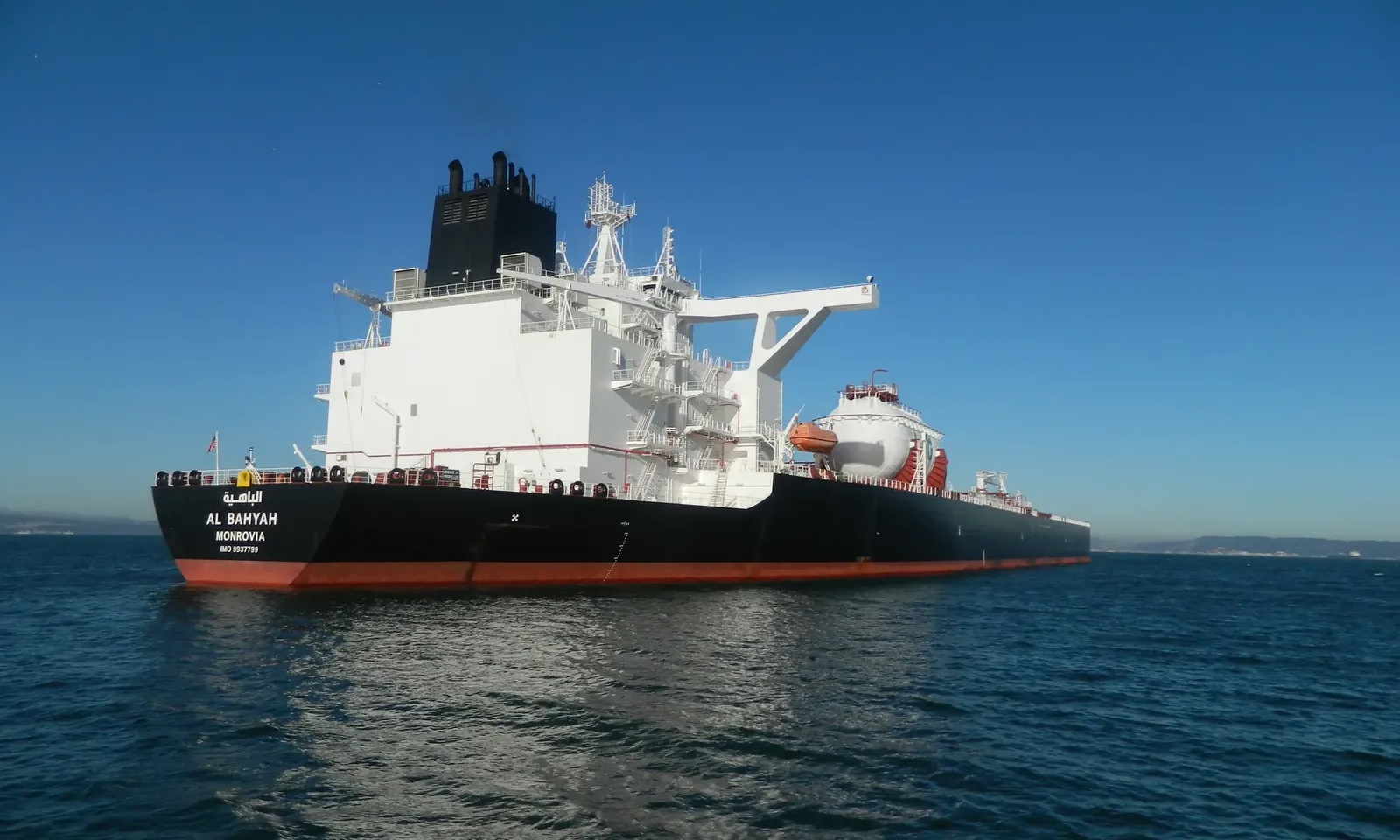 |
The Al Bahiyah oil tanker in Talcahuano, Chile, in 6/2025. Photo: Marinetraffic |
The attack resulted in the death of one Indian crew member. Eight others were injured, four of whom sustained severe injuries. Fires erupted on both vessels, causing damage, but emergency crews contained the blazes.
"We condemn this attack as a serious violation and breach of international law, threatening regional security and stability," the UAE Ministry of Defense stated.
Iran has not yet responded to the UAE's accusations. However, the Navy of the Iranian Revolutionary Guard Corps (IRGC) announced on 13/7 that it had fired warning shots at two ships "attempting to illegally cross the Strait of Hormuz."
The Strait of Hormuz, through which 20% of the world's oil passed before the Middle East conflict erupted, has become a focal point of contention between the US and Iran. Tensions in the region escalated from 25/6, when the cargo ship Ever Lovely was attacked while moving near Oman.
Washington accused Tehran of responsibility for that incident, retaliating with airstrikes on several Iranian coastal targets. Iran then responded by attacking US bases in the region. This repeated cycle of tit-for-tat actions has virtually nullified the two sides' ceasefire agreement.
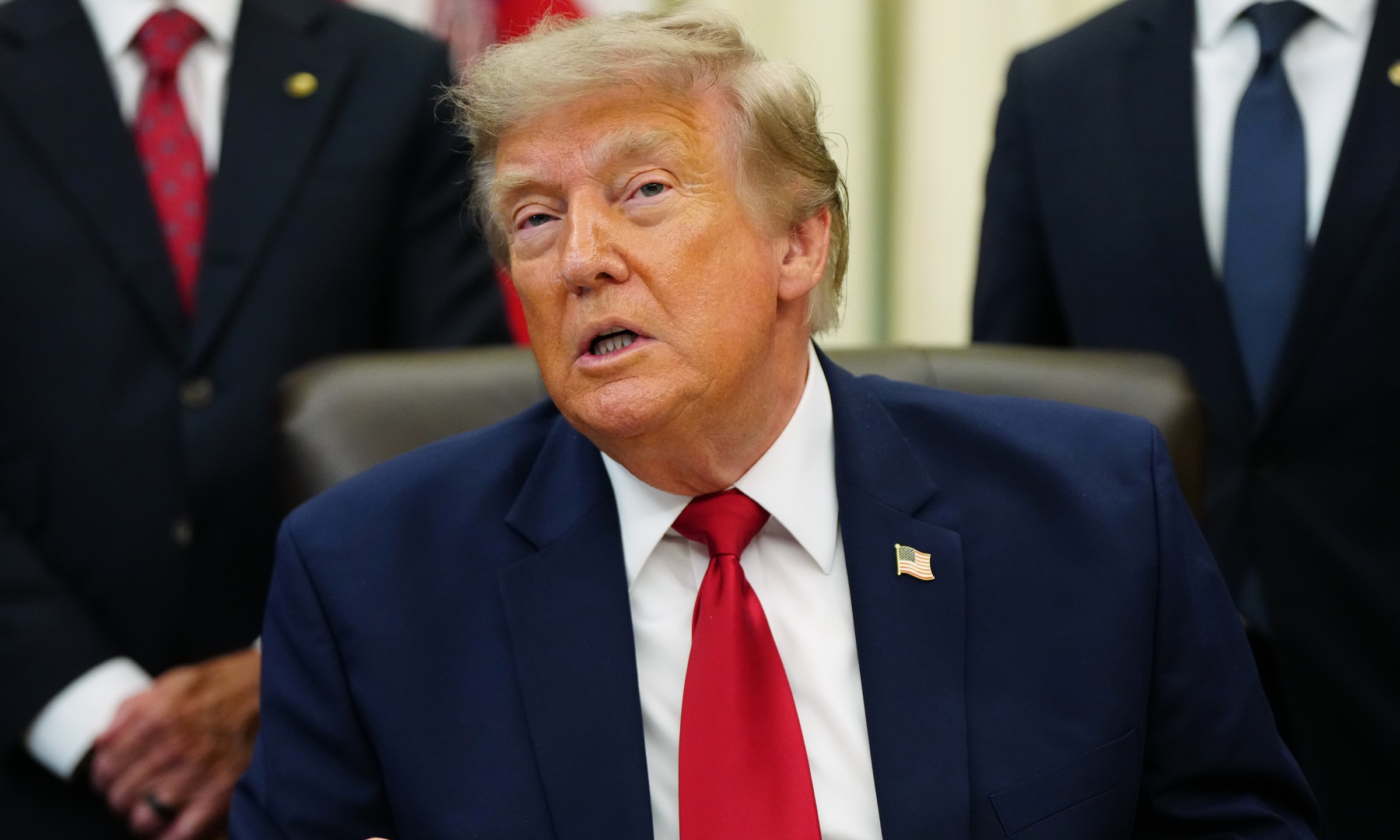
President Donald Trump announced on 13/7 that he would reimpose a blockade on Iranian seaports. He also stated plans to collect "protection fees" equivalent to 20% of the cargo value from ships transiting the Strait of Hormuz, explaining this as a necessary cost for the US to ensure security and safety through this vital waterway.
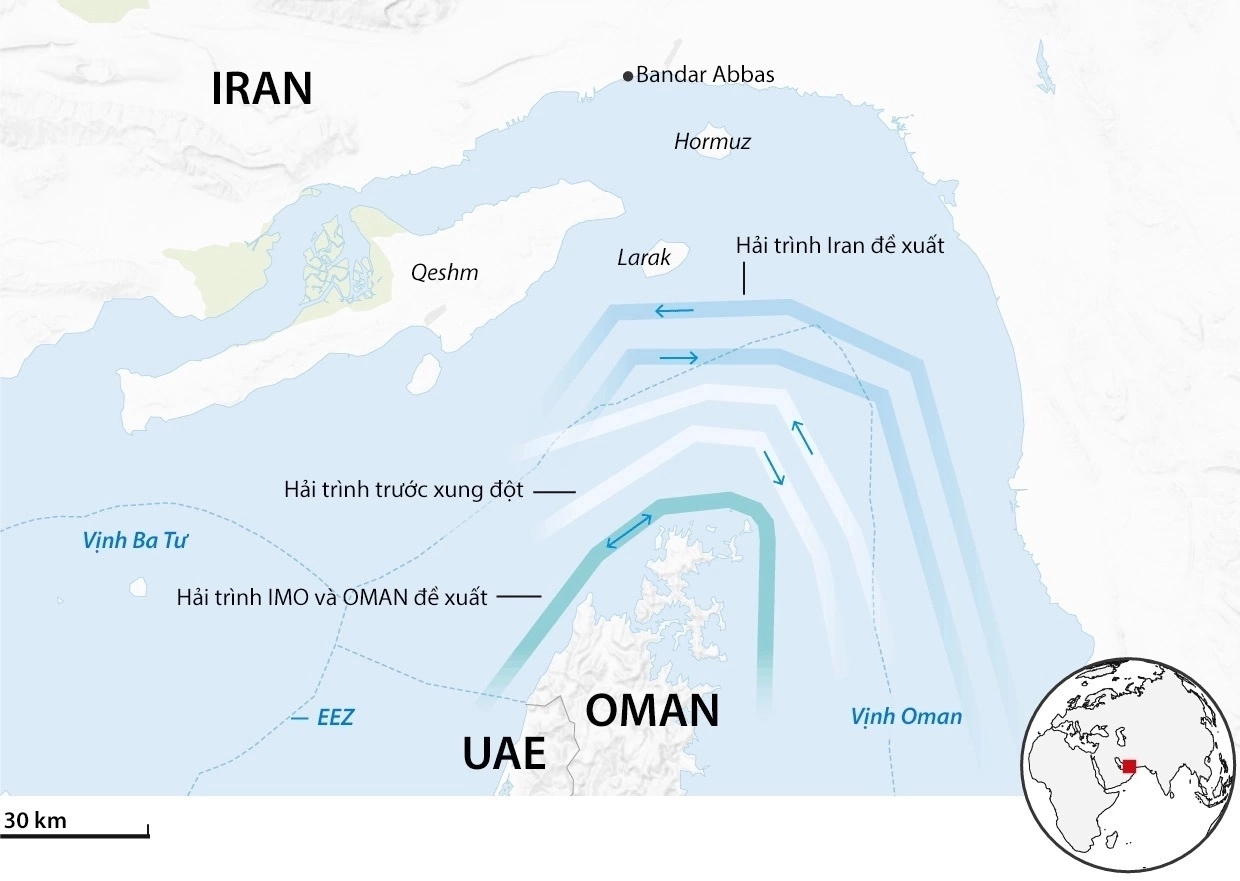 |
Shipping routes through the Strait of Hormuz. Graphics: Guardian |
A memorandum signed by the US and Iran in mid-6 includes 14 points. Article 5 states that Iran commits to facilitating safe and free passage for commercial vessels through the Persian Gulf - Oman Sea route within 60 days. In return, the US would lift the blockade on Iranian seaports and waive sanctions on the country's oil exports.
Iran also committed to coordinating with Oman and other Persian Gulf nations to establish a mechanism for managing and providing maritime services in the Strait of Hormuz in the future, based on international law.
However, the document does not specify implementation methods, leading to varying interpretations of each clause by the involved parties. Iran believes it holds the primary role in coordinating vessel operations through Hormuz, while the US considers Article 5 key to restoring freedom of navigation in the strait.
Ngoc Anh (According to AFP, Reuters)