Iran is collecting fees for "maritime services" in the Strait of Hormuz, not transit fees, its Foreign Ministry spokesperson Esmaeil Baqaei announced today. These charges cover essential services such as vessel guidance and environmental protection measures within the Strait of Hormuz, Persian Gulf, and Gulf of Oman.
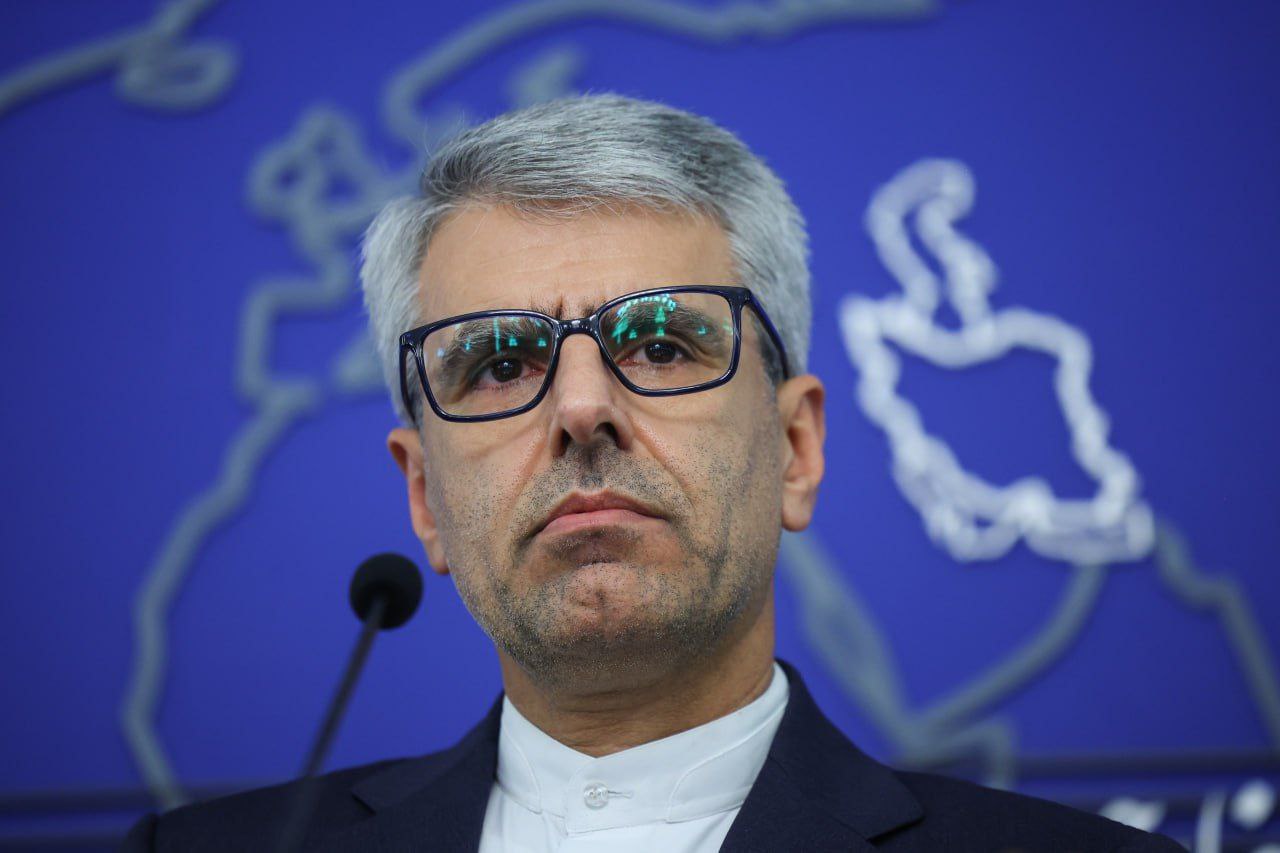 |
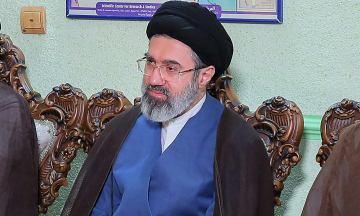
Iranian Foreign Ministry spokesperson Esmaeil Baqaei. *Photo: Iranian Foreign Ministry* |
The fee collection began after the US-Israel initiated a conflict targeting Iran on 28/2. Following this, Tehran blocked most transport activities in the Strait of Hormuz and imposed fees on ships transiting this vital waterway. Currently, Iran allows a limited number of vessels through the strait daily, requiring ships to obtain permission from the Islamic Revolutionary Guard Corps before passage.
Last week, Iran announced discussions with Oman regarding a long-term fee collection mechanism for the Strait of Hormuz. This initiative aims to "mobilize resources to both provide security services and manage maritime traffic appropriately."
US President Donald Trump has rejected Iran's fee collection plan. "We want the Strait of Hormuz to be open freely. We do not want to collect fees," Trump stated.
At the press conference, Baqaei also revealed that Tehran and Washington have reached consensus on several issues during ongoing discussions for an agreement to end hostilities. "We have reached conclusions on most of the issues being discussed," he said, adding, "However, no one can confirm that this means the two sides are about to sign an agreement." He also accused the US of "inconsistency" and frequently changing its position.
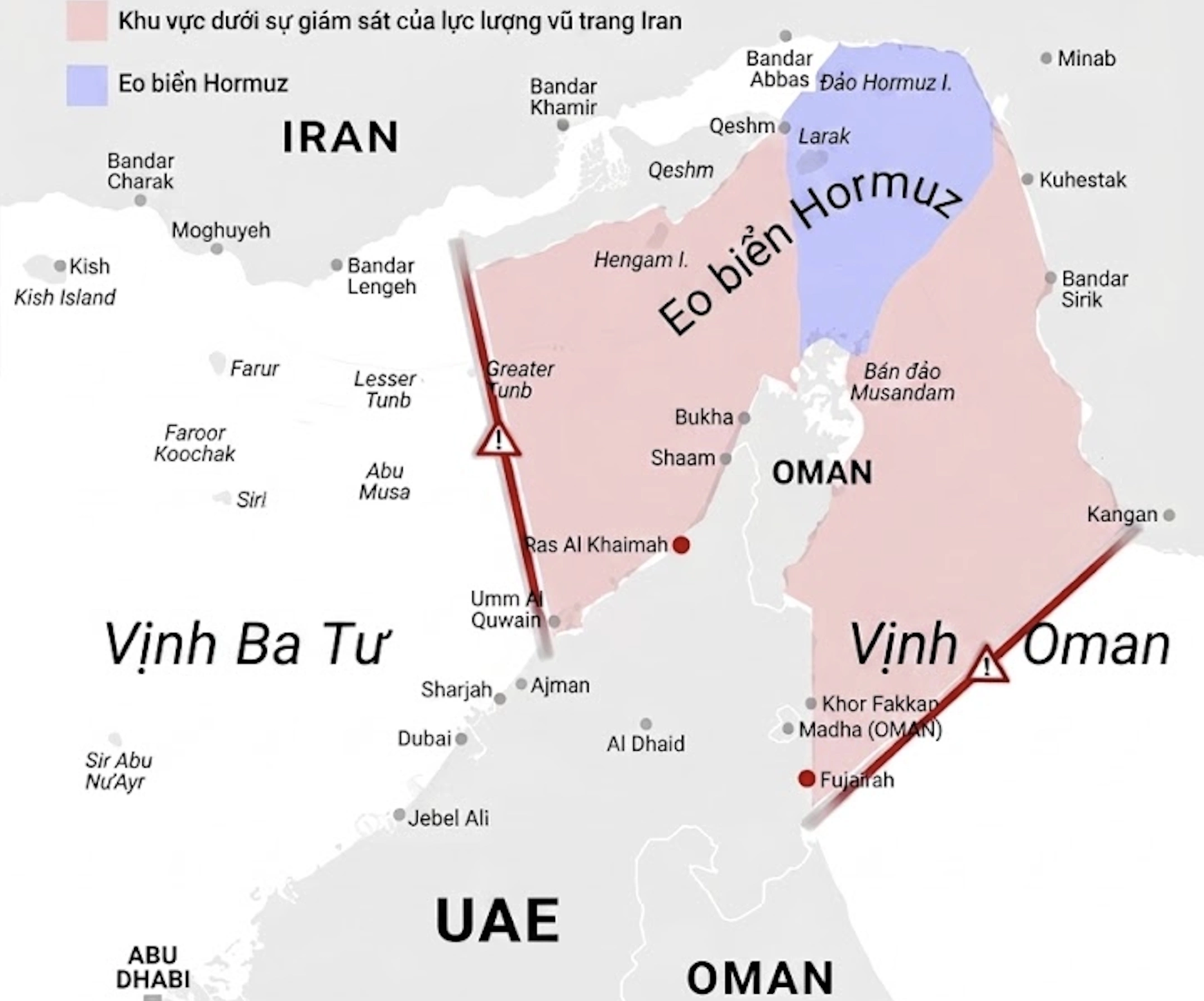 |
Map of Iran's control over the Strait of Hormuz and adjacent waters. *Graphic: X/PGSA* |
Iran previously indicated it was finalizing a 14-point framework for a peace agreement. While US Secretary of State Marco Rubio suggested an agreement could be formed as early as 25/5, President Trump instructed Washington's negotiators not to "rush."
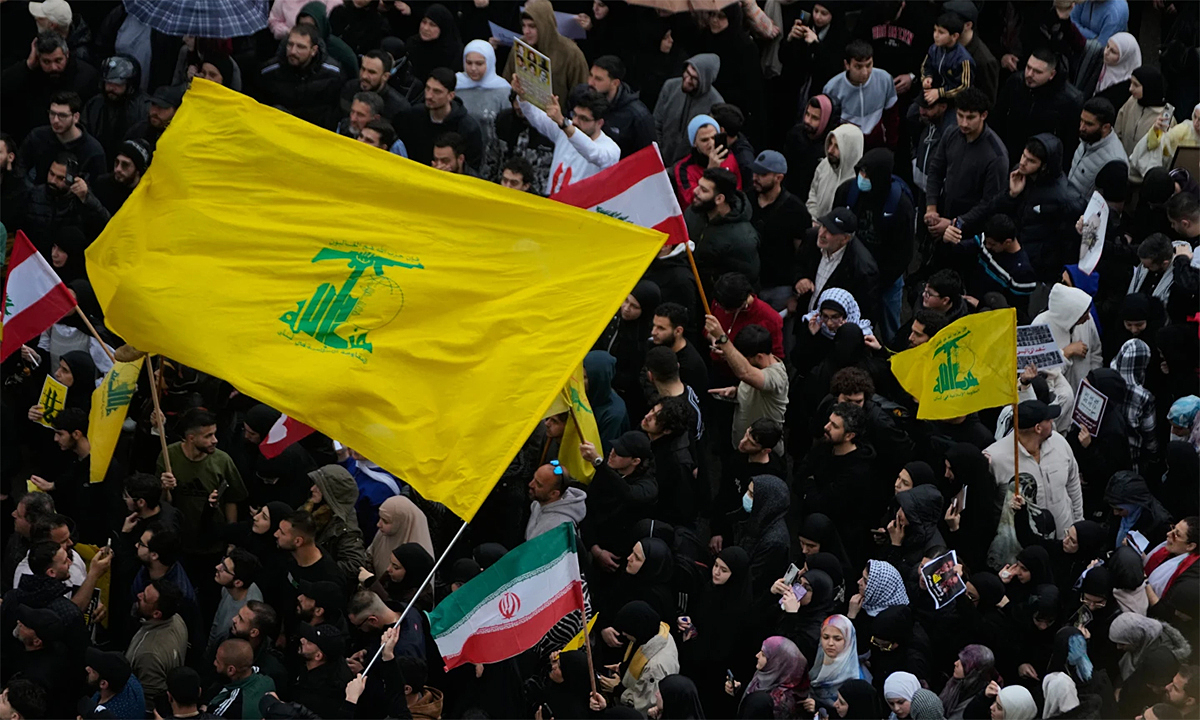
Spokesperson Baqaei emphasized that the current framework focuses on "ending hostilities" across the region, including Lebanon. He clarified that details concerning Iran's nuclear program are not part of this initial stage and will be discussed only after a general framework is agreed upon.
Baqaei confirmed that provisions regarding the termination of the US blockade on Iranian ports, in effect since 13/4, along with terms related to the Strait of Hormuz, have been part of the discussions. "The US must cease actions under the guise of a blockade, and Iran will implement necessary measures to ensure safe passage in the Strait of Hormuz," he asserted.
By Huyen Le (AFP)