The Washington Post reported on 8/5, citing an analysis sent by the US Central Intelligence Agency (CIA) to policymakers this week. The analysis concluded that Iran "could withstand a US naval port blockade for at least three to four months" before facing more severe economic difficulties.
Four US officials familiar with the situation stated that the US-imposed blockade has forced Iran to use empty oil tankers for temporary storage and to proactively reduce oil extraction to protect its wells. "Iran's economic situation is not as dire as some claim", one official said.
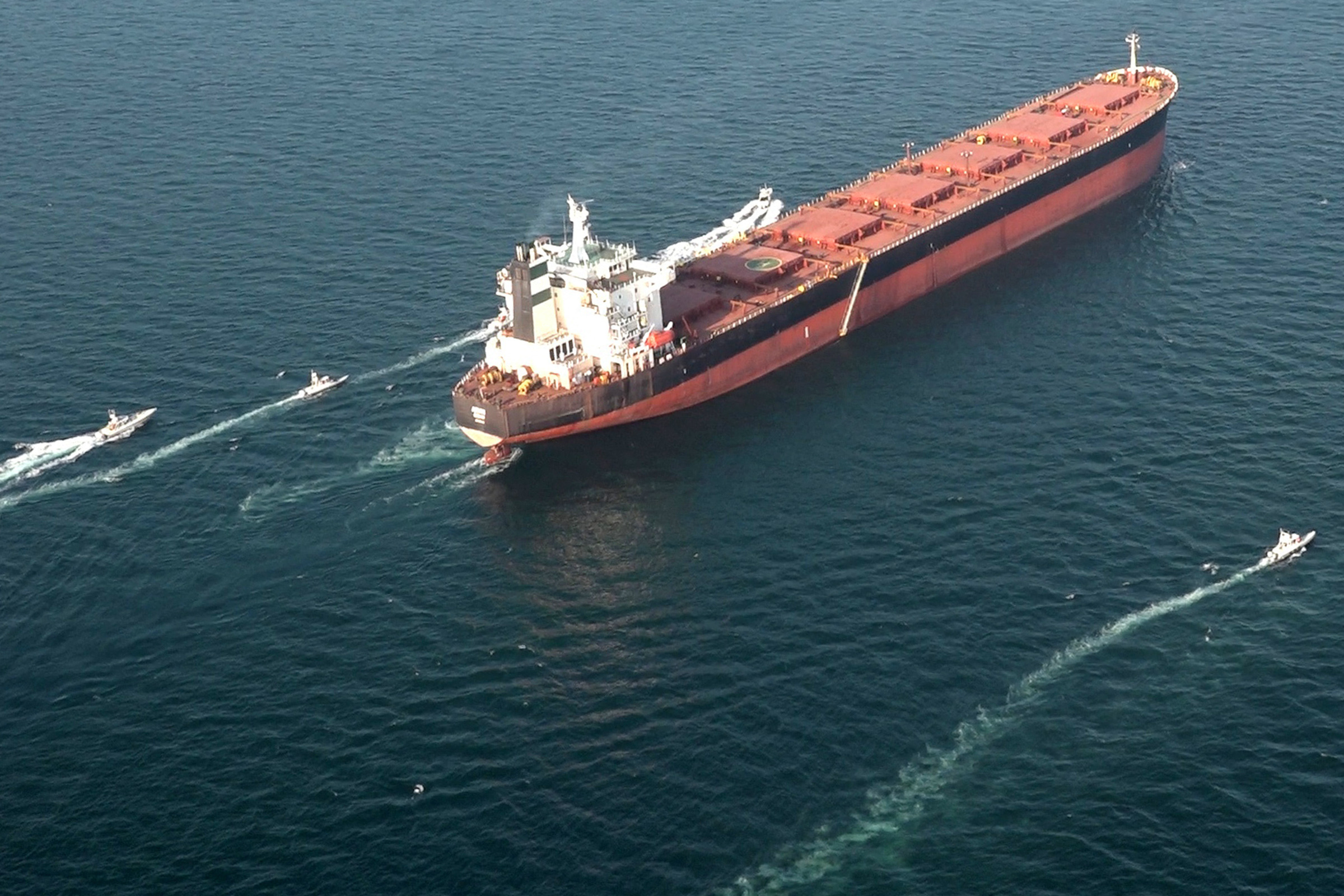 |
Iranian boats move around a cargo ship during an exercise in the Strait of Hormuz on 17/2. Photo: AFP
Another official believes the CIA's analysis even underestimated Iran's resilience, as the country could transport oil to other nations via land routes. While transport by truck or train cannot match the scale of sea exports, it still provides important economic support.
"They will likely begin transporting oil by rail through the Central Asian region", the unnamed US official said.
The US imposed a blockade on Iranian ports on 13/4, days after talks between the two sides in Pakistan failed to achieve a breakthrough to end the conflict. Washington's objective is to prevent Tehran from exporting oil, a crucial revenue source for the nation, thereby exerting economic pressure and forcing Iran to concede to US demands.
However, Iran has remained firm in its negotiating stance and tightened control over the Strait of Hormuz in recent days, despite pressure from the US.
Iran's Fars News agency reported several scattered clashes between its forces and US ships in the Strait of Hormuz on 8/5. Tasnim news agency later quoted an Iranian military source stating that the situation had calmed, but warned of the potential for further clashes.
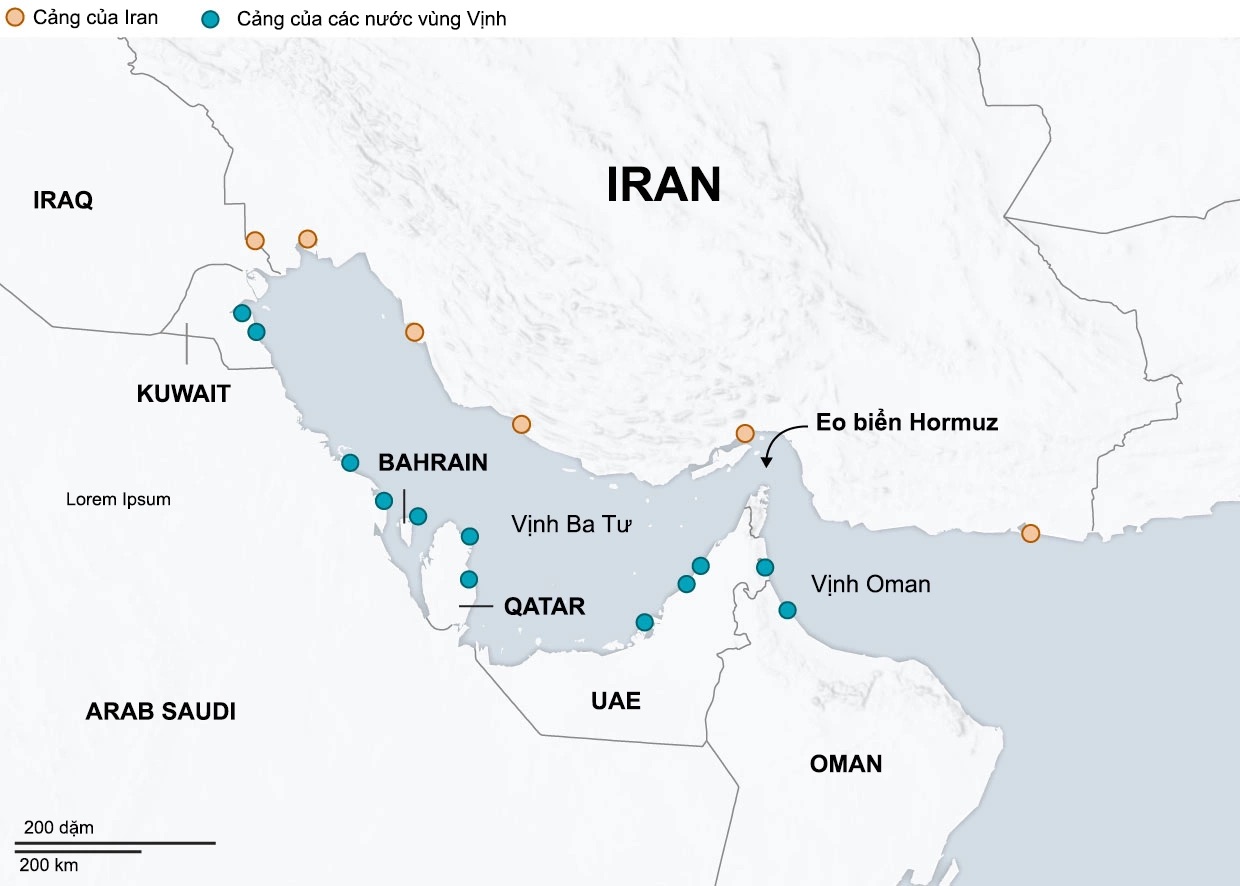 |
Location of the Strait of Hormuz and ports in the Gulf region. Graphic: WSJ
The US military reported attacking two Iran-linked vessels attempting to enter an Iranian port. A US fighter jet hit the ships' smokestacks and forced them to turn back.
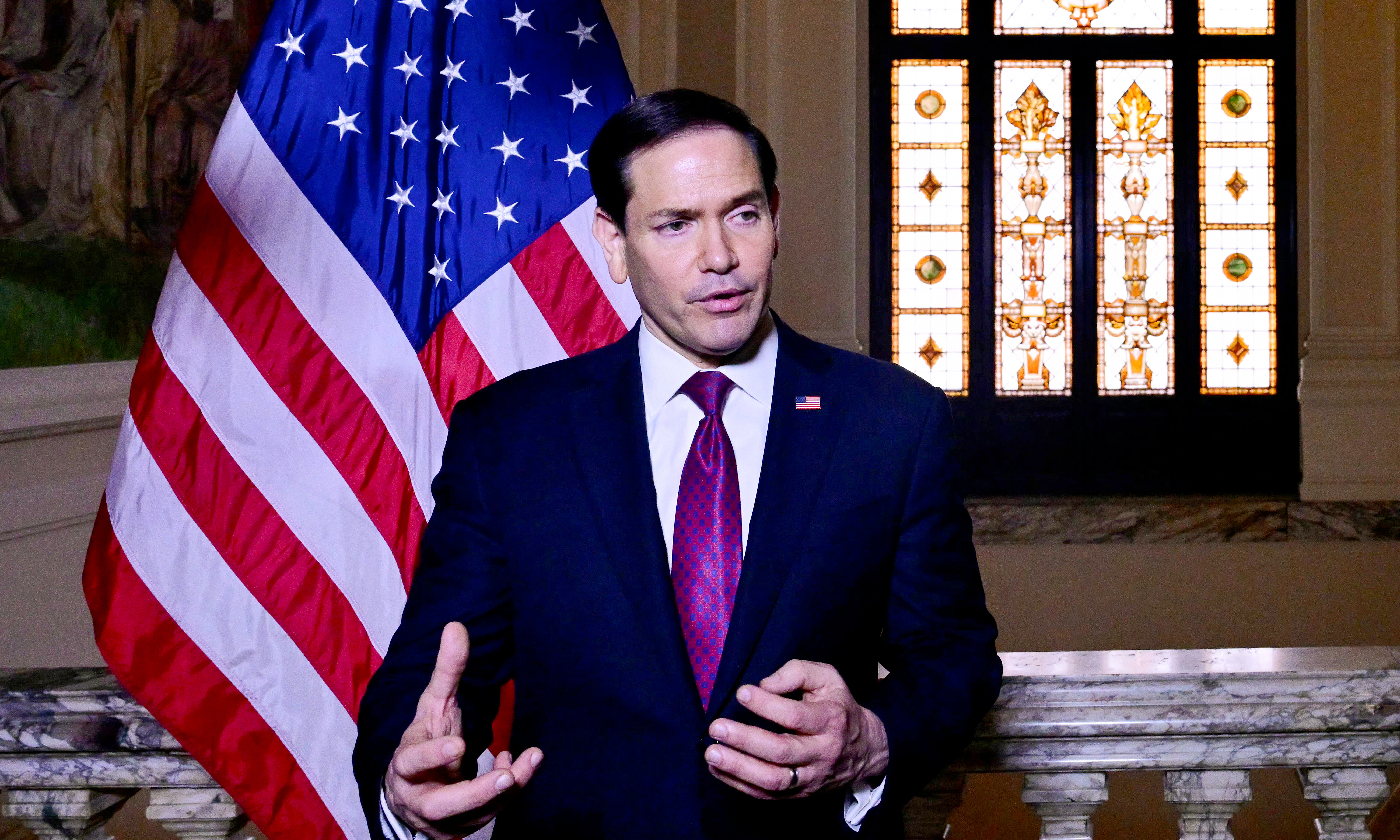
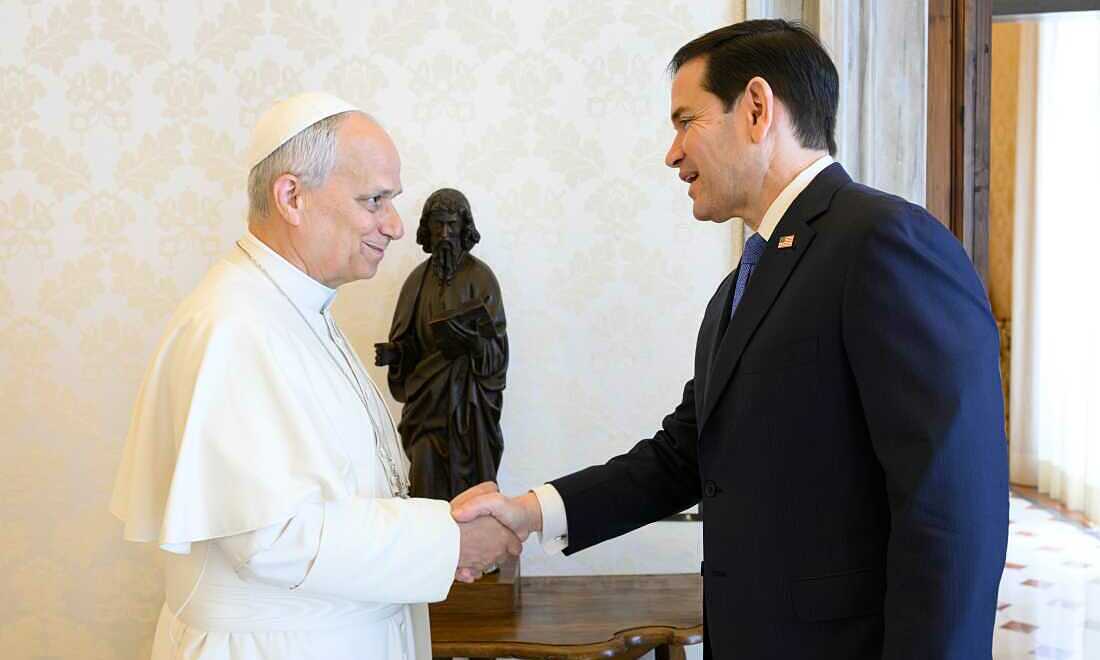
US President Donald Trump stated on 7/5 that the ceasefire was still being maintained, while Secretary of State Marco Rubio told reporters that Washington "is awaiting an answer" from Tehran.
Last week, Iran submitted a 14-point proposal to the US, but it did not address Washington's key demands, such as ceasing its nuclear program and fully reopening the Strait of Hormuz. The US subsequently sent a response to Iran and is awaiting a reply.
By Thanh Tam (According to Reuters, Washington Post)