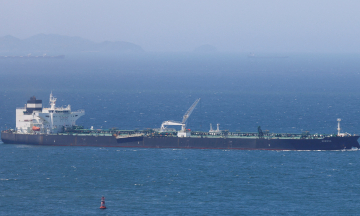
US Central Command (CENTCOM), the agency responsible for US military operations in the Middle East, accused two empty Iranian-flagged oil tankers, Sea Star III and Sevda, of violating a maritime blockade imposed by Washington on 8/5.
An F/A-18 super hornet fighter jet, launched from the aircraft carrier USS George H.W. Bush, disabled both oil tankers by firing precision weapons at their smokestacks, preventing the vessels from entering Iranian waters, the statement said.
The released video shows the two vessels being hit and catching fire, creating large plumes of smoke. CENTCOM did not specify which weapons the US fighter jet used.
Two Iranian oil tankers attacked by the US on 8/5. Video: CENTCOM
"Based on the super hornet's weapon options, precision requirements, and observed effects, it is likely they used 227 kg laser-guided bombs", said Howard Altman, a commentator for the US military news site War Zone.
This writer appeared to refer to the Paveway series, which includes the GBU-12 model that uses a standard Mark 82 bomb body fitted with a laser seeker and fins for flight path adjustment. "They could have used bomb bodies containing high explosives or non-explosive training versions to achieve the desired effect", Altman stated.
According to Tasnim news agency, there were reports of limited skirmishes between the US and Iran around the Strait of Hormuz after the two oil tankers were attacked. "Gunfire reportedly echoed in areas near the strait for the past two hours", Tasnim reported.
This marks the third time the US military has fired upon Iranian cargo vessels accused of breaching the blockade. The first incident occurred on 19/4, when the destroyer USS Spruance used its 127 mm naval gun to puncture the engine room of the cargo ship Touska. On 6/5, a super hornet fighter jet fired its 20 mm cannon to disable the rudder of the oil tanker Hasna.
On 7/5, the naval forces of Iran's Islamic Revolutionary Guard Corps (IRGC) launched a barrage of missiles and suicide drones targeting three US destroyers attempting to enter the Strait of Hormuz, in retaliation for the oil tanker attacks.
US officials asserted that no assets were hit by enemy fire and accused Iran of "unprovoked hostile acts".
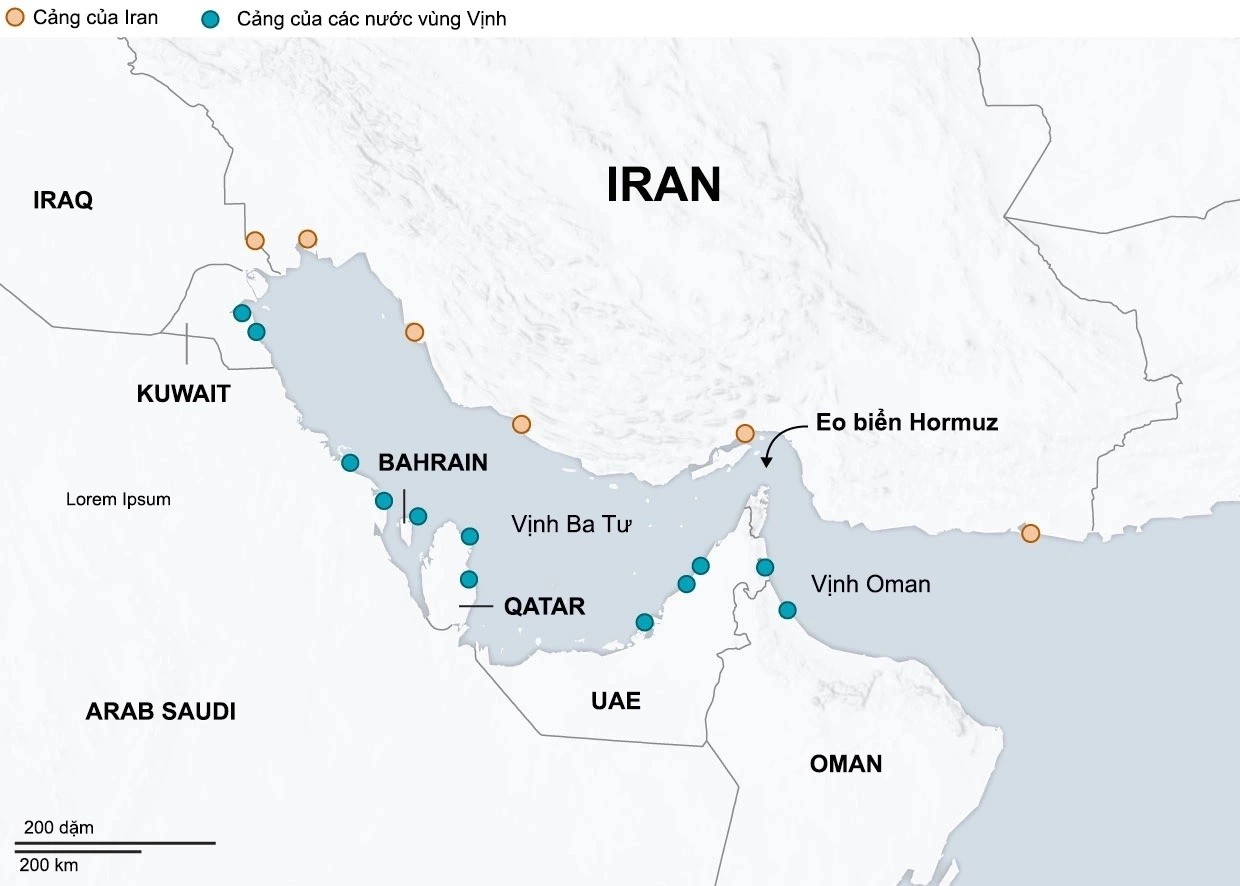 |
Locations of seaports in Iran. Graphic: WSJ
The US and Israel began an offensive against Iran on 28/2, with fighting ceasing after a ceasefire on 8/4 for Washington and Tehran to negotiate. Iran continues to maintain tight control over the Strait of Hormuz, while the US has imposed a blockade on Iranian ports in response.
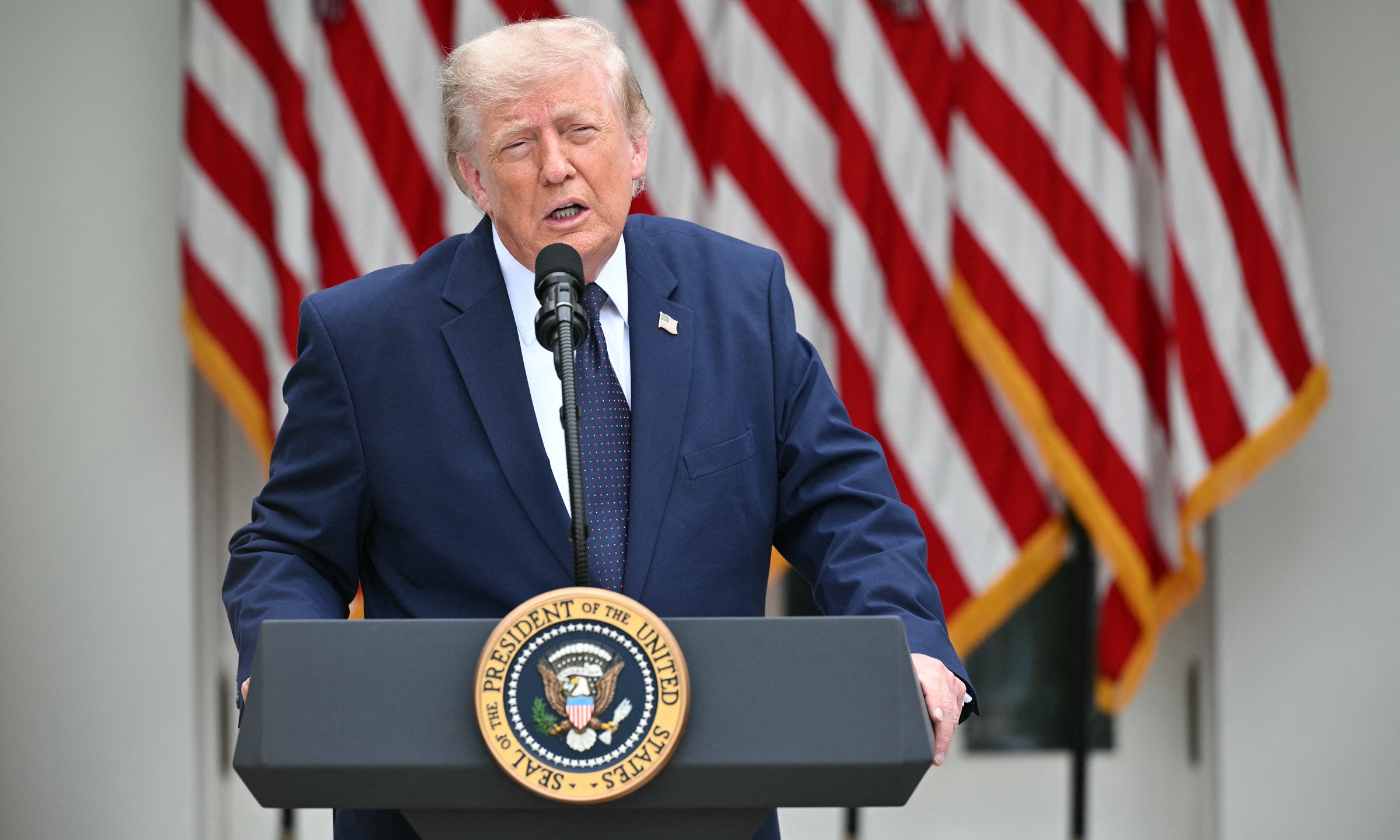
On 7/5, US President Donald Trump stated that the ceasefire was still holding, and Secretary of State Marco Rubio said Washington "is awaiting a response" from Tehran.
Last week, Iran submitted a 14-point proposal to the US, but its content did not address Washington's key demands, such as Tehran halting its nuclear program and fully reopening the Strait of Hormuz. The US subsequently sent its response to Iran and is awaiting feedback.
Pham Giang (According to War Zone, Tasnim, CNN)