


Iranian Foreign Minister Abbas Araqchi denied any communication with U.S. envoy Steve Witkoff or offering negotiations, he told state media on 28/1. "In recent days, Steve Witkoff and I have had no contact. Our side has also not made any negotiation offer," Araqchi said.
Araqchi noted that various intermediaries are currently "conducting consultations" and communicating with Tehran. He reiterated Iran's clear stance: "Negotiations cannot take place under threats. Talks can only happen when threats and excessive demands are gone."
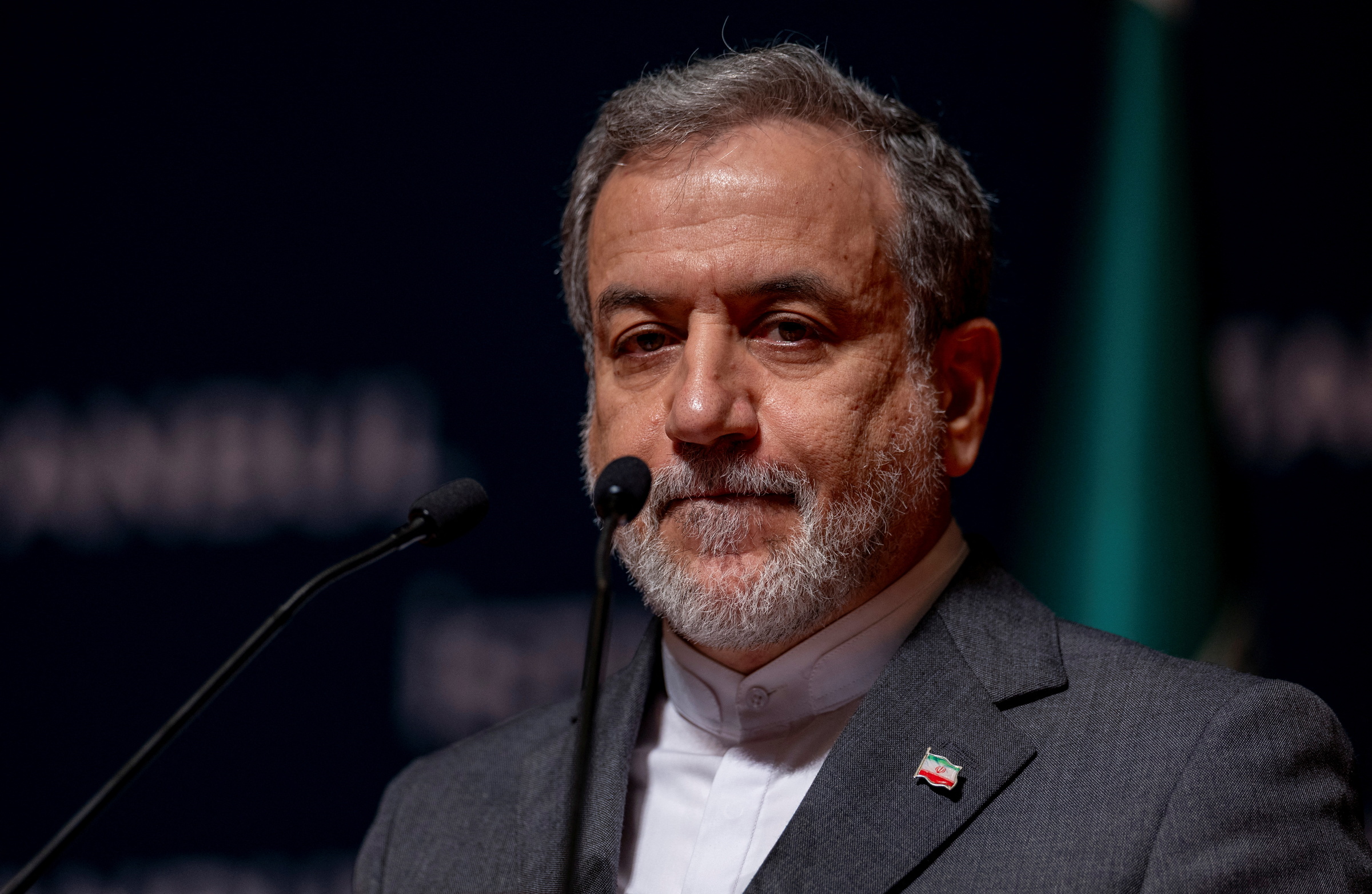 |
Iranian Foreign Minister Abbas Araqchi in Turkey in 6/2025. Photo: Reuters |
This comes amidst heightened tensions. On 27/1, U.S. President Donald Trump announced the deployment of an additional fleet near Iran, following the existing presence of the Abraham Lincoln aircraft carrier strike group in the Middle East. Trump expressed hope for a deal, stating, "I hope they will reach a deal, something they should have done from the beginning."
Previously, Iranian President Masoud Pezeshkian had informed Saudi Crown Prince Mohammed bin Salman that Tehran welcomes any negotiation process aimed at preventing war, provided it adheres to international law.
Tensions between Washington and Tehran escalated after anti-government protests began in Iran in late 12/2025. These protests stemmed from merchants' dissatisfaction with the economic situation and the rial's devaluation. The demonstrations started peacefully but quickly turned into deadly violence.
President Trump had suggested supporting protestors, even considering airstrikes on Iran. However, Washington's allies cautioned him against the lasting consequences of such an attack. This led the U.S. leader to halt military action at the last minute. Iran later announced the protests had ended, reporting over 3,000 fatalities.
Ngoc Anh (According to AFP, Reuters)


