Iran's Fars News agency today, citing sources familiar with the matter, reported 5 main conditions: The US would not compensate for any damages incurred during the conflict, Tehran must surrender 400 kg of highly enriched uranium to Washington, and only one Iranian nuclear facility would be permitted to operate.
The US would also not return 25% of Iran's frozen assets. Washington further demanded Tehran cease military actions in all areas to pave the way for dialogue.
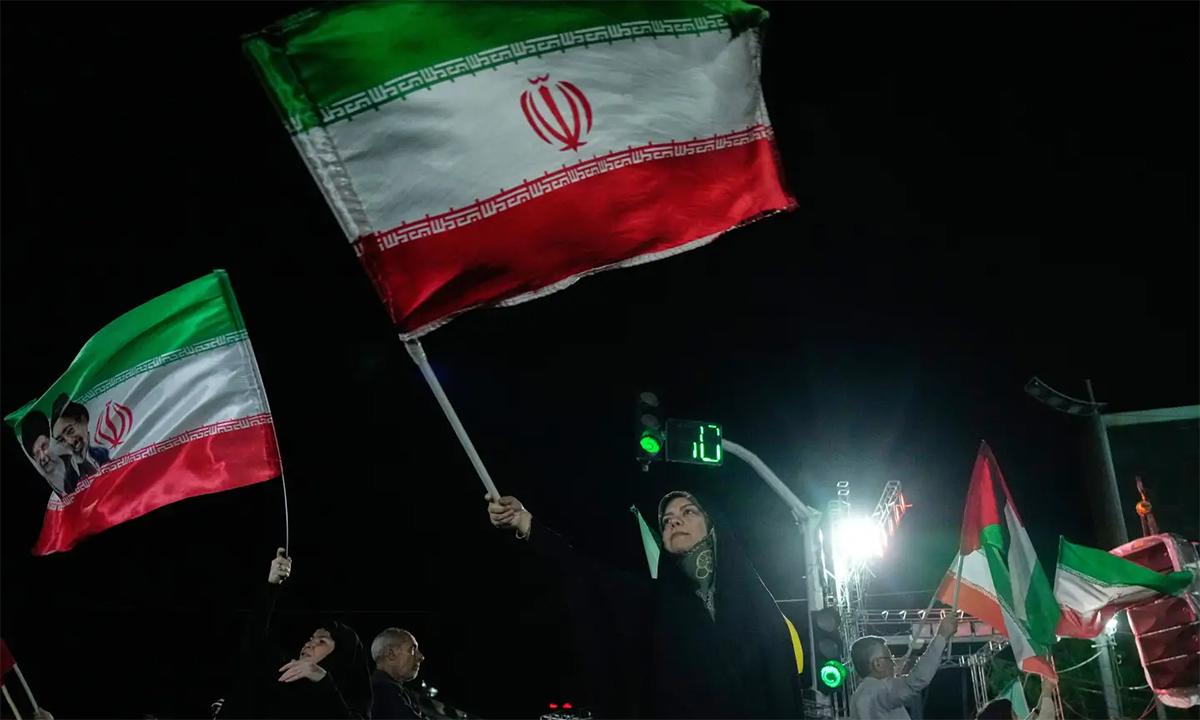 |
Iranians carrying national flags participate in a rally in the capital Tehran on 27/4. AP
"Even if all conditions are met, Iran still faces the risk of attack from the US and Israel. Instead of seeking to resolve issues, the US aims to achieve objectives it could not accomplish before the conflict," Fars News reported.
Iran's Mehr news agency stated, "The US has made no specific concessions, yet seeks to achieve objectives it failed to secure during the conflict," warning this would lead to a deadlock in negotiations.
Abolfazl Shekarchi, spokesperson for the Iranian military, on the same day warned US President Donald not to resume military operations against the West Asian nation. "If Iran is attacked again, US resources and military will face unprecedented, surprising, and chaotic attack scenarios," he said.
Deputy Parliament Speaker Hamidreza Hajibabaei declared the country would implement measures to "prevent the US and the world from accessing oil from this region for a prolonged period" if Iran's oil and gas infrastructure is attacked.
US officials have not commented on the information.
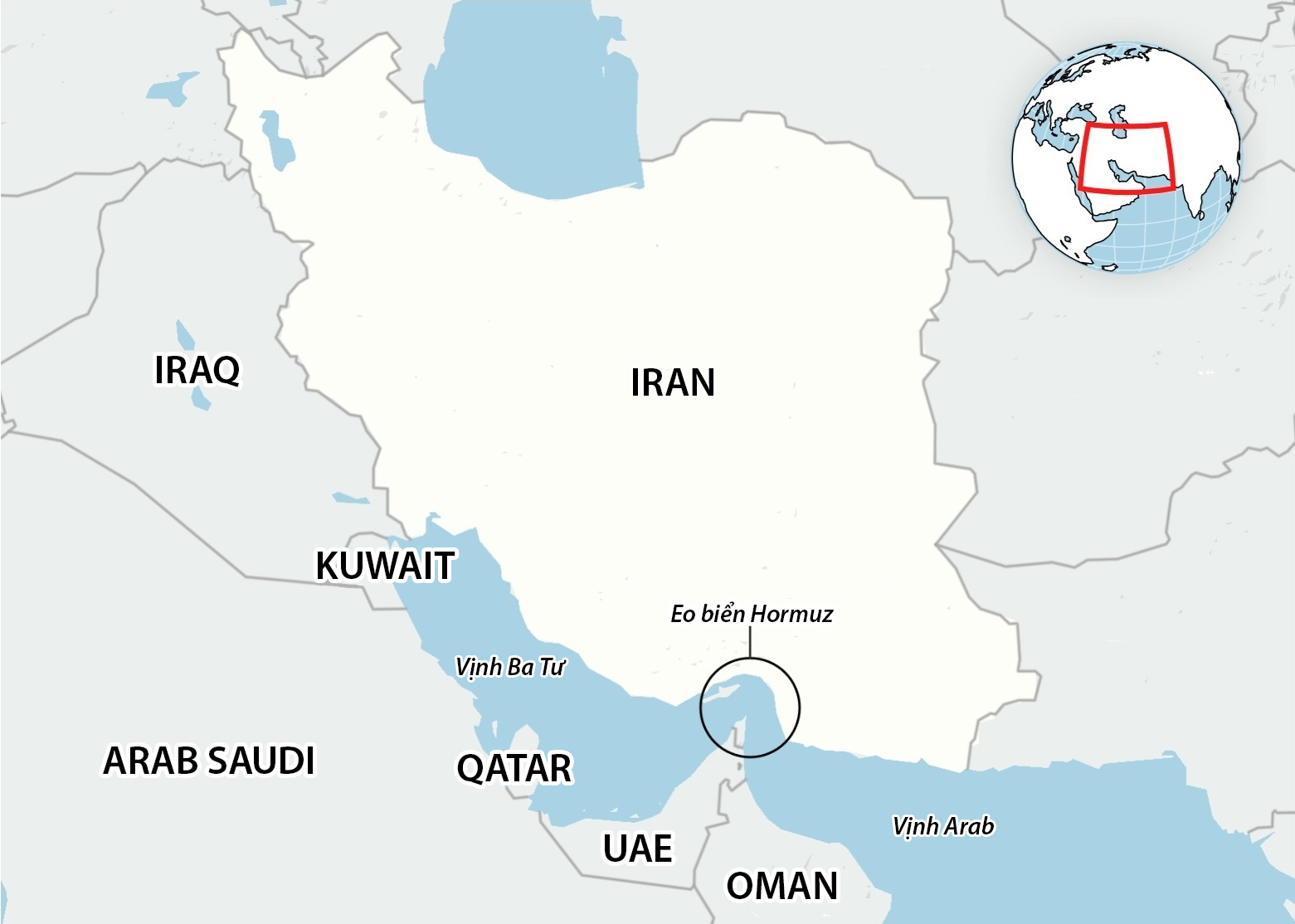 |
The Strait of Hormuz and its vicinity. Graphic: Guardian
The US and Israel launched an attack on Iran on 28/2, which triggered Iranian retaliatory strikes against Israel and US allies in the Gulf region. Tehran also nearly blockaded the Strait of Hormuz, a vital shipping lane for global oil and energy transport, since the conflict erupted. Concurrently, the US imposed blockades on Iranian seaports to exert pressure.
A ceasefire between the US and Iran took effect on 8/4, brokered by Pakistan.
On 10/5, Iran conveyed its response to the US peace proposal to Pakistan, focusing on the demand to end hostilities on all fronts, especially in Lebanon. Iran sought compensation for conflict damages and emphasized its "sovereign right" over the Strait of Hormuz. President Trump described Iran's response as "completely unacceptable".
Iran's chief negotiator announced on 12/5 that Washington must accept Tehran's latest peace plan, or face failure.
By Nguyen Tien (According to AFP, AP, Fars News)