Iran's state television reported on 30/5 that the US is committed to giving Iran full access to USD 12 billion in frozen assets within 60 days, allowing these funds to be transferred to and used at Iranian-designated banks without any restrictions.
This potential unfreezing is part of a larger issue, as Iran has USD 100-123 billion in assets frozen abroad due to US sanctions. Tehran has long demanded the release of these assets to alleviate domestic economic pressure.
Earlier this week, a source told AFP that Iran's central bank governor was part of a delegation to Qatar "to discuss the frozen funds, which were mentioned in the memorandum as part of a potential final agreement".
The state television report also stated that Iran would continue to manage the Strait of Hormuz, a shipping lane for about 20% of the world's oil and gas supply. However, the station noted that this was an "unofficial" draft, meaning full agreement had not yet been reached with the US.
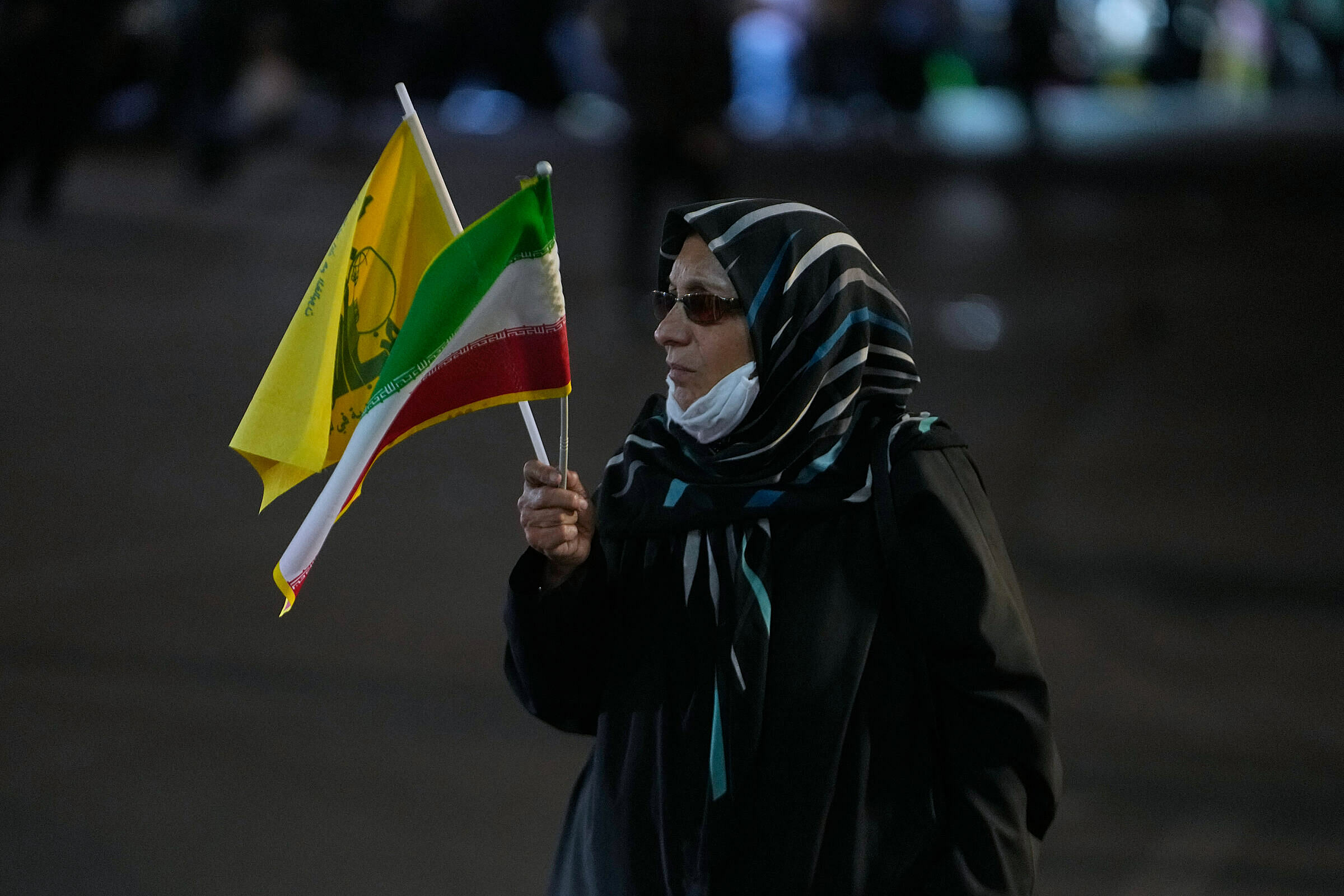 |
A person holds an Iranian flag and a flag of the Hezbollah armed group during a pro-government rally in Tehran on 30/5. Photo: *AP*
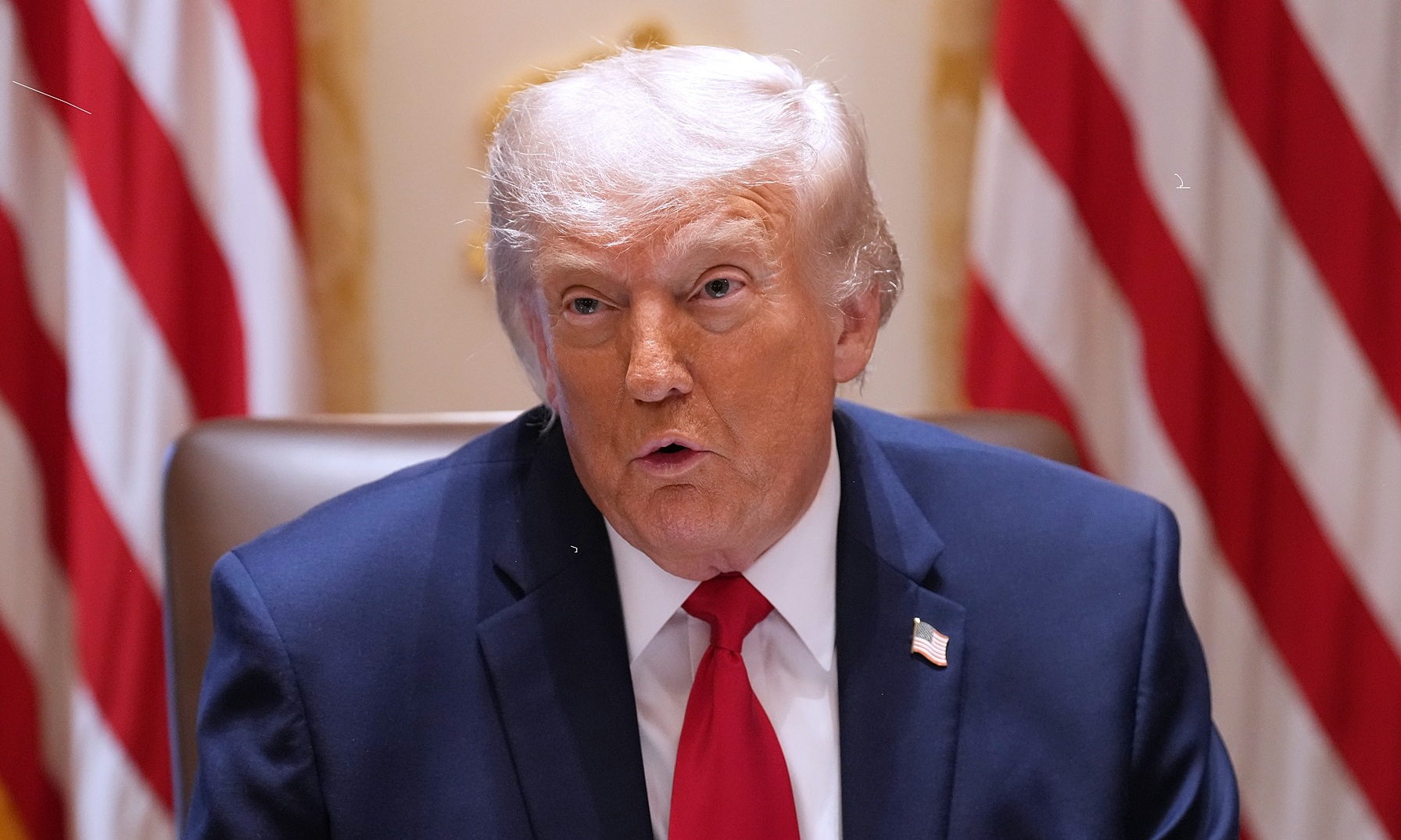
A day earlier, US President Donald Trump had provided his detailed descriptions of a potential agreement to end the conflict with Iran. Trump emphasized that "no money will be handed over until further notice", a claim swiftly refuted by Iranian media outlets.
President Trump also stated that Iran would reopen the Strait of Hormuz "for unrestricted maritime traffic". The US has repeatedly declared Iran's continued control over this vital shipping lane unacceptable.
US sources told AFP that the agreement was awaiting Trump's signature for approval, but he had not yet made a decision after a meeting in the White House Situation Room on 29/5. The US President declared he would only sign an agreement beneficial to the US and one that "meets his red lines".
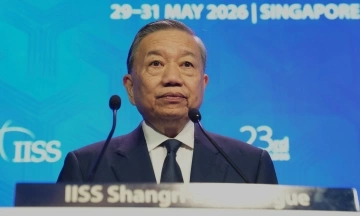
A day later, while attending the Shangri-La Dialogue in Singapore, US Defense Secretary Pete Hegseth stated that Washington was "fully capable" of restarting the conflict if necessary, adding that "our weapons stockpiles are fully adequate for that".
US Central Command (CENTCOM), responsible for Washington's military operations in the Middle East, posted on X that US forces "remain present and maintain a state of vigilance throughout the region".
Although a ceasefire effective from 8/4 has largely been maintained, small clashes have still occurred between the two sides. Nevertheless, diplomatic efforts have been sustained by all parties, including preventing conflict between Israel and the Hezbollah armed group in Lebanon, which Iran insists must be part of any potential agreement.
Thanh Tam (According to AFP, Reuters)