CNN reported on 15/5, citing an anonymous US official, that hackers exploited US automatic tank gauging (atg) systems. These systems, connected to the internet, lacked password protection. The official stated this vulnerability allowed hackers to interfere with the displayed fuel tank parameters, though they could not change the actual fuel volume.
While these cyberattacks reportedly caused no damage, they have raised safety concerns. US officials and experts warn that gaining access to atg systems could theoretically allow hackers to disable leak detection systems, risking thousands of liters of gasoline spilling into the environment and contaminating water sources.
Sources indicate Iran has previously targeted US fuel tank systems, making hackers from that nation the primary suspects in these attacks. The US Cybersecurity and Infrastructure Security Agency (CISA) has not yet commented on this information.
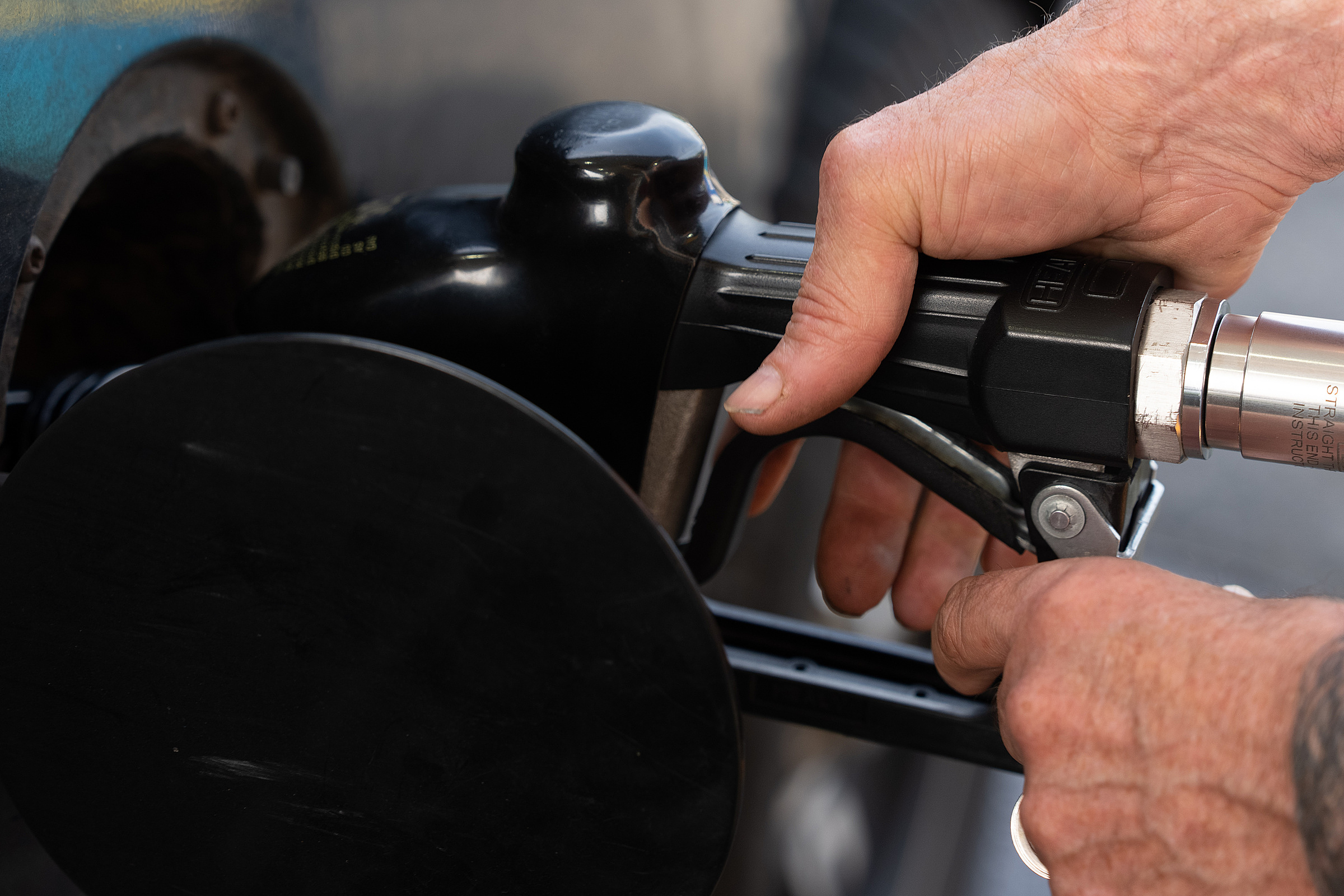 |
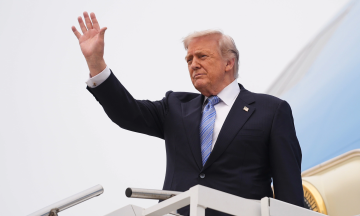
A person pumps fuel at a gas station in Portland, Oregon, on 12/5. *AP* |
Iranian hacker groups have long focused on vulnerable targets, including critical US internet-connected computer systems like those for oil and gas or water supply.
Following the Hamas attack on Israel on 7/10/2023, US officials attributed a series of attacks on US water utilities to hackers linked with the Islamic Revolutionary Guard Corps (IRGC), where anti-Israel messages appeared on water pressure management devices.
This recent cyberattack campaign could serve as a warning to many US critical infrastructure operators, who still struggle to secure their systems despite years of government urging.
Cybersecurity researchers have warned about internet-connected atg systems for over a decade. In 2015, security firm Trend Micro placed simulated atg systems online to observe which types of hackers would target them, and an Iran-backed group quickly emerged.
A 2021 Sky News report, citing internal documents from the IRGC, indicated that atg systems had been identified as potential targets for disruptive cyberattacks on gas stations.
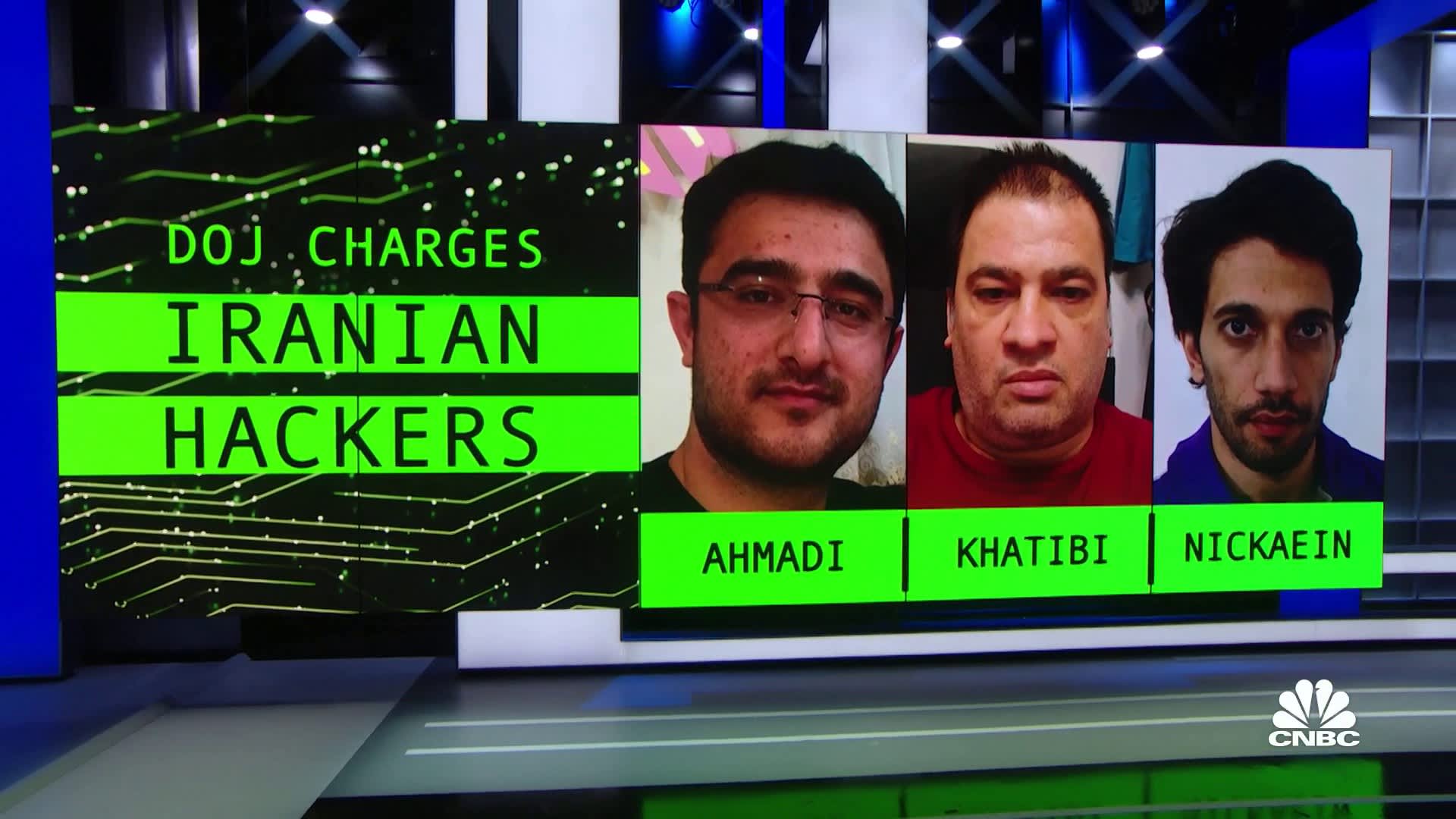 |
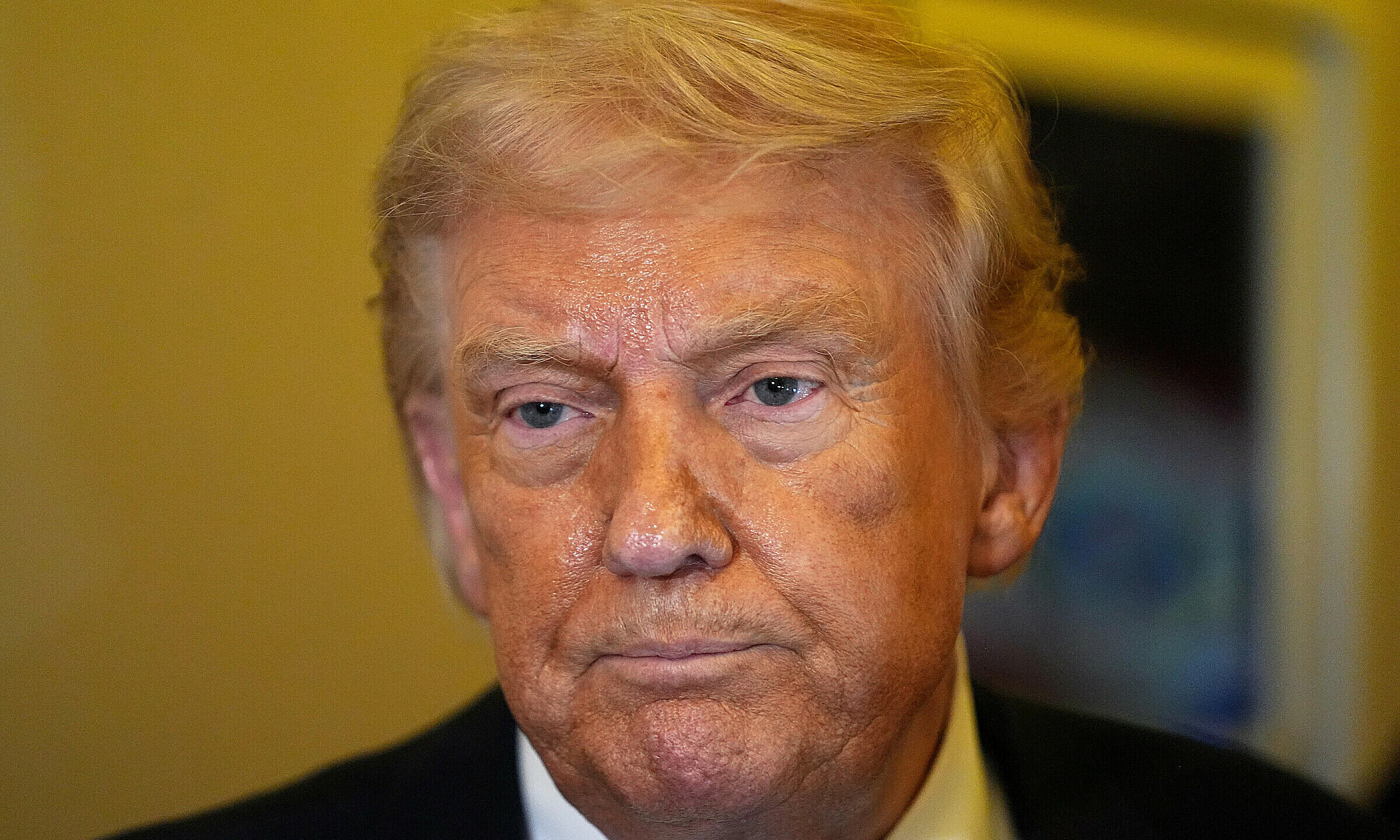
Three Iranian hackers were indicted by the US Department of Justice in 2022 on charges of operating a large-scale ransomware campaign. *CNBC* |
Since the outbreak of the Middle East conflict in late February, Tehran-linked hackers have reportedly disrupted several US oil and gas and water facilities, caused shipping delays at major medical device company Stryker, and leaked personal emails of FBI Director Kash Patel.
By Huyen Le (CNN, Sky News)