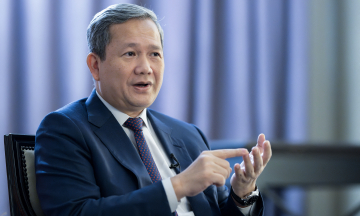
Lawmaker Hossein Ali Haji-Deligani, vice chairman of Iran's Article 90 Committee, announced on 23/9 that "We will use parliamentary oversight measures, including impeachment, against foreign minister Abbas Araghchi."
The Article 90 Committee is a special body of the Iranian parliament, tasked with supreme oversight and receiving and investigating complaints related to the activities of all three branches of government.
The criticism stems from two key actions by foreign minister Araghchi: his attendance at US President Donald Trump's address to the United Nations General Assembly on 22/9 and his subsequent engagement with a US envoy on the sidelines of the meeting in New York.
According to Haji-Deligani, foreign minister Araghchi, representing the Islamic Republic, listening to US President Donald Trump's speech was "regrettable and shameful."
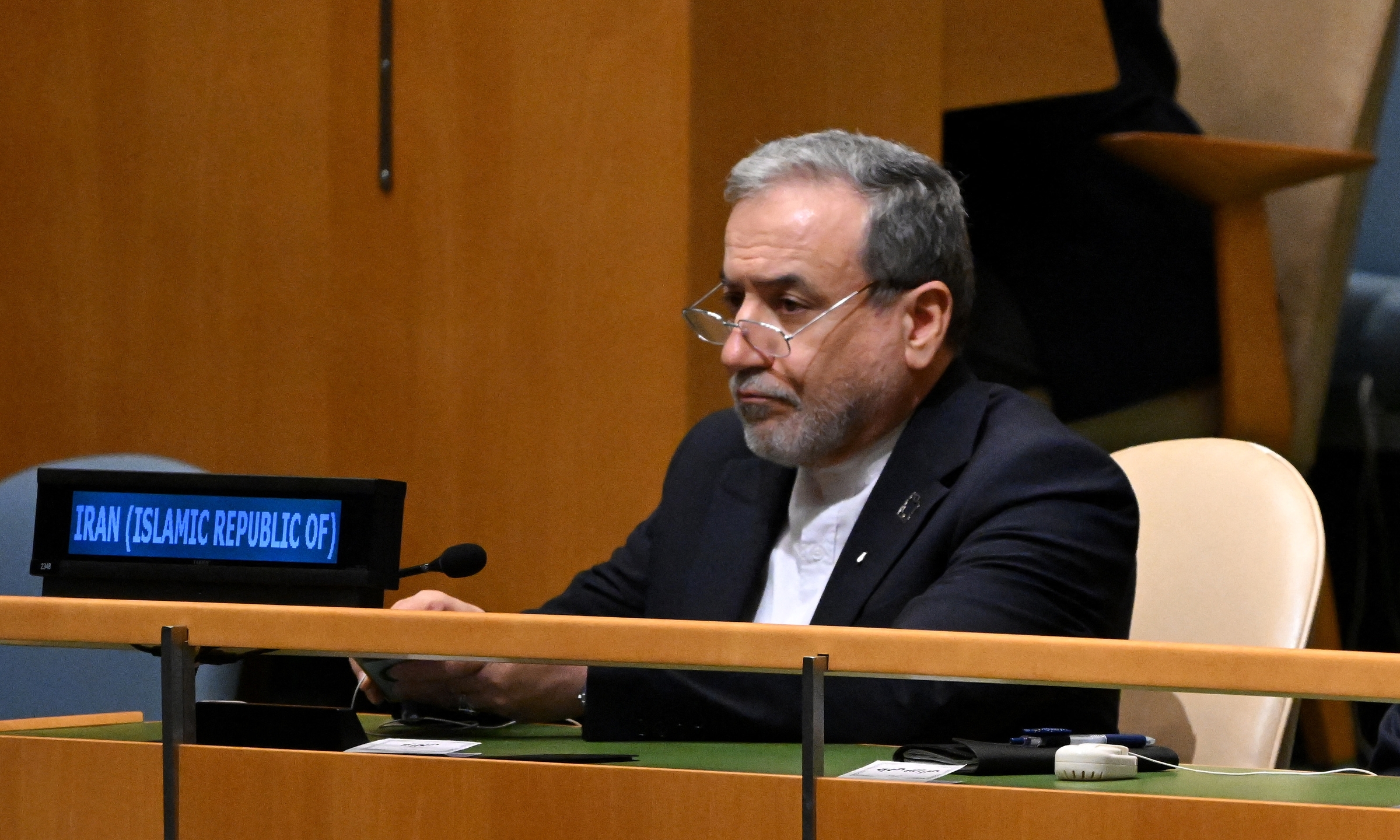 |
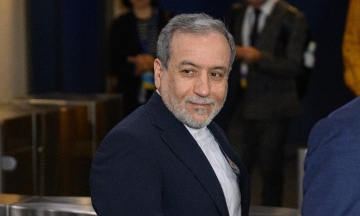
Iranian foreign minister Abbas Araghchi at the UN headquarters in New York on 23/9. *Photo: AFP* |
Some hardline conservative Iranian lawmakers also criticized foreign minister Araghchi for meeting and negotiating with a US envoy. They questioned his authority to engage with Washington.
Lawmaker Ebrahim Rezaei posted on social media X that Iran's Foreign Ministry is merely an agency that "implements, rather than formulates, policy." He demanded Araghchi explain under "what authorization and policy" he worked with US representatives.
Hardline critic Ehsan Salehi was even more critical, stating that negotiations conducted "without authorization" would yield no results, and called on parliament to impeach Araghchi.
Amid the growing tension, Mohsen Rezaei, Secretary of Iran's Supreme National Security Council, clarified that foreign minister Araghchi had been authorized to convey Iran's 7 conditions to intermediaries who regularly bridge communication between Iran and the US.
However, Rezaei also clarified that such contacts do not signify a change in Iran's negotiation stance. "Until these conditions are met, the Strait of Hormuz will not reopen, and no negotiations will take place. Nothing has changed. We are merely conveying our conditions," he said.
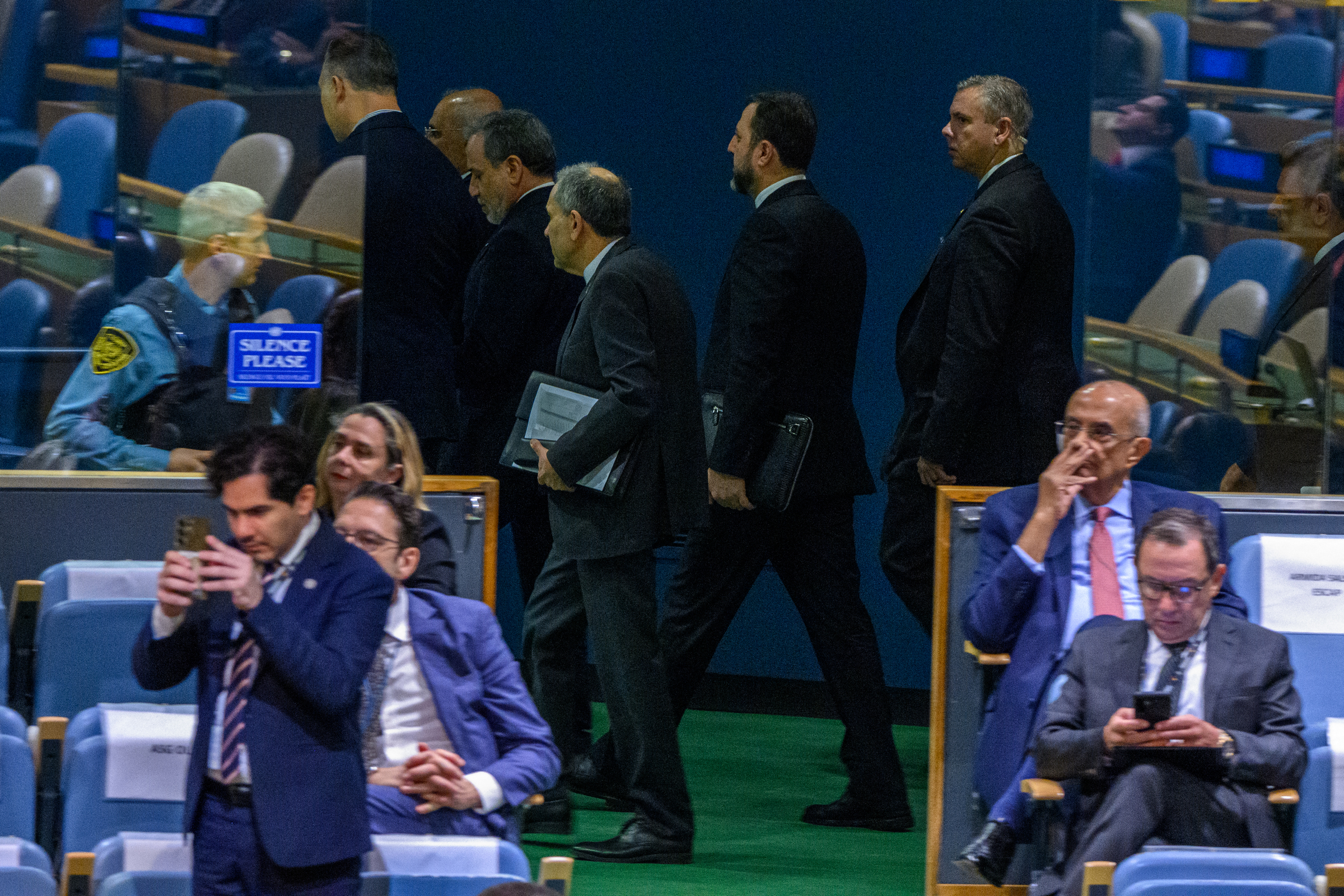 |
The Iranian delegation led by foreign minister Abbas Araghchi departs after Iranian President Masoud Pezeshkian's speech at the UN headquarters in New York on 23/9. *Photo: AFP* |
US envoy Steve Witkoff previously stated that intermediaries moved continuously between the US and Iranian delegations on 22/9, on the sidelines of the General Assembly session, to facilitate discussions. US President Donald Trump provided more specific information, stating that envoys Witkoff and Jared Kushner conversed with Iranian officials for 3 hours.
Iranian state media also confirmed the meeting between foreign minister Araghchi and envoy Witkoff, following weeks without direct contact.
An Al Jazeera correspondent reported from Iran that "The meeting took place at the suggestion of the US side, aiming to convey Iran's messages and conditions, especially regarding the reopening of the Strait of Hormuz."
These contacts occurred after a senior Iranian official stated that their delegation in New York had full authority to pursue diplomatic efforts, describing the UN meeting as a "golden opportunity" for Washington to return to the negotiating table.