Mohammad Akbarzadeh, political deputy commander of the Islamic Revolutionary Guard Corps (IRGC) navy, stated today that "the likelihood of continued fighting is low due to the enemy's weakness, while our armed forces are lying in wait, with magazines fully loaded."
Akbarzadeh's statement comes as a ceasefire, effective since 8/4, remains in place between the United States and Iran, despite several exchanges of fire in recent days.
"Do not doubt that we can turn the area from Chabahar to Mahshahr into a graveyard for attackers," Akbarzadeh added, referring to two locations on Iran's southern coast where US forces conducted strikes on 25/5.
According to Akbarzadeh, the United States is "begging" to sign an agreement with Iran due to the impact of regional developments and energy prices on Western economies. He suggested that both the US and Europe remain vulnerable to fuel price fluctuations and regional instability, describing this as leverage Iran can use.
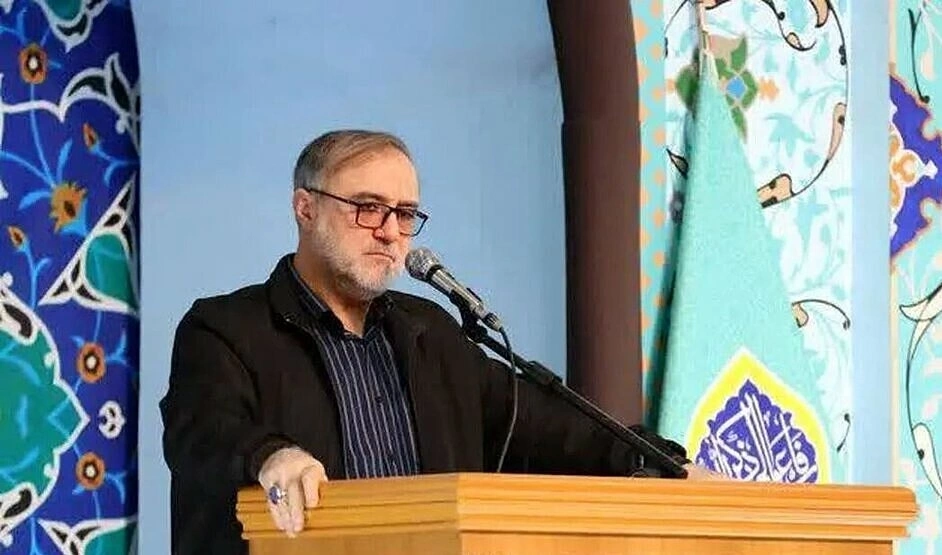 |
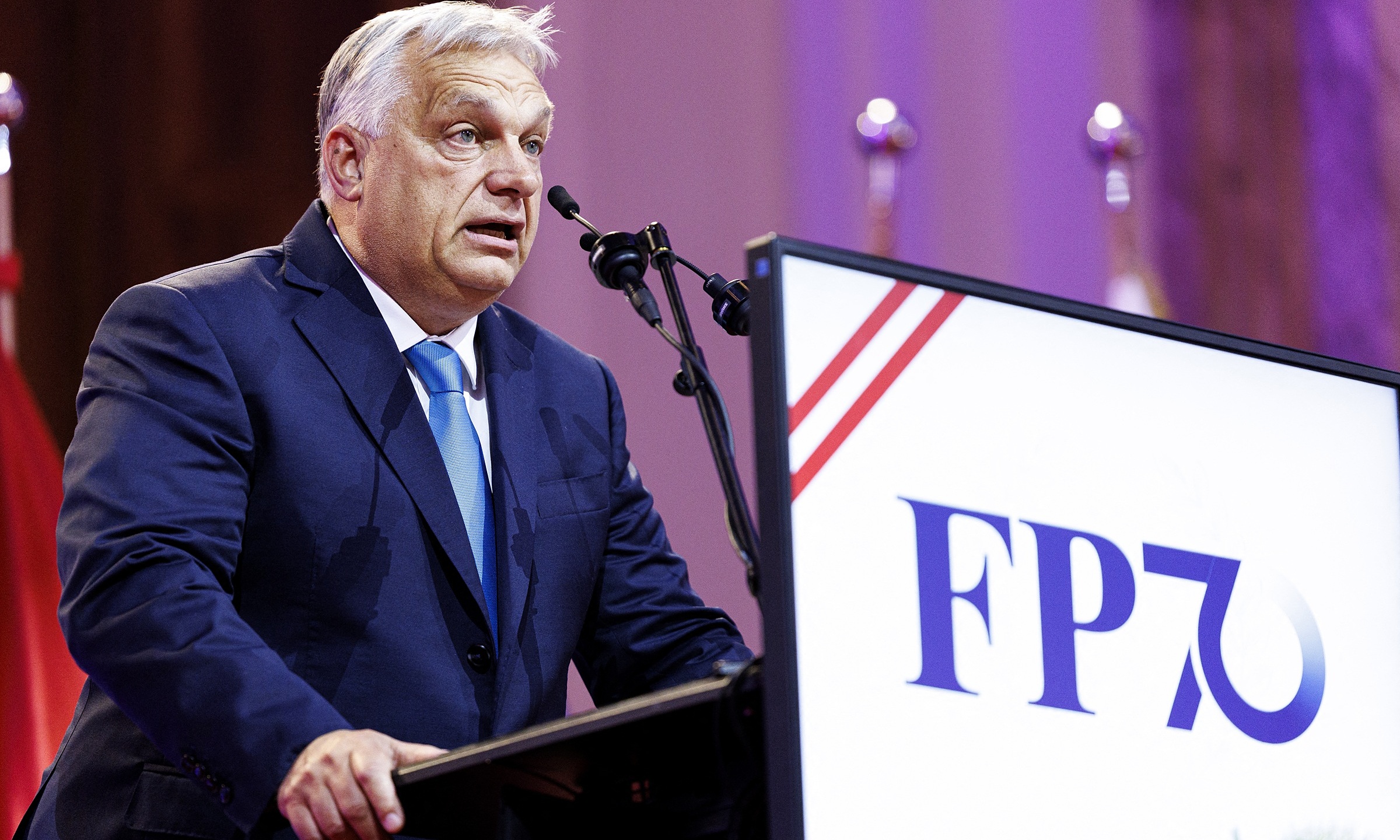
Mohammad Akbarzadeh, an official with the Islamic Revolutionary Guard Corps (IRGC) navy. *Mehr News* |
"Iran's missile capability and the continued closure of the Strait of Hormuz have demonstrated our country's deterrent power. Iran's armed forces are fully prepared to respond to any future attack," the official stated.
He also believes that the United States and Israel view war as a "last resort", and any military action against Iran would bring "defeat and shame" to Washington.
The United States has not yet commented on the Iranian official's statement.
On 26/5, Iran accused the US military of severely violating the ceasefire by striking the southern port city of Bandar Abbas. The US Central Command (CENTCOM) previously announced it had conducted defensive strikes in southern Iran to protect soldiers from perceived threats. According to CENTCOM, targets included missile launch sites and Iranian vessels "seeking to lay mines."
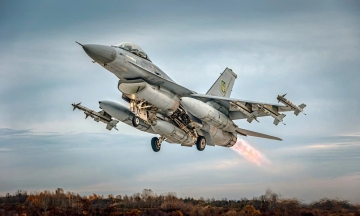
The IRGC later claimed to have shot down a US MQ-9 Reaper unmanned aerial vehicle (UAV) and targeted F-35 stealth fighters that entered Iranian airspace.
Despite the new strikes, US Secretary of State Marco Rubio said that the two countries could still reach a peace agreement, affirming that the Strait of Hormuz must be opened "one way or another." Iran has almost completely blockaded this vital oil and gas shipping route since the Middle East conflict erupted on 28/2.
By Huyen Le (AFP, Al Jazeera)