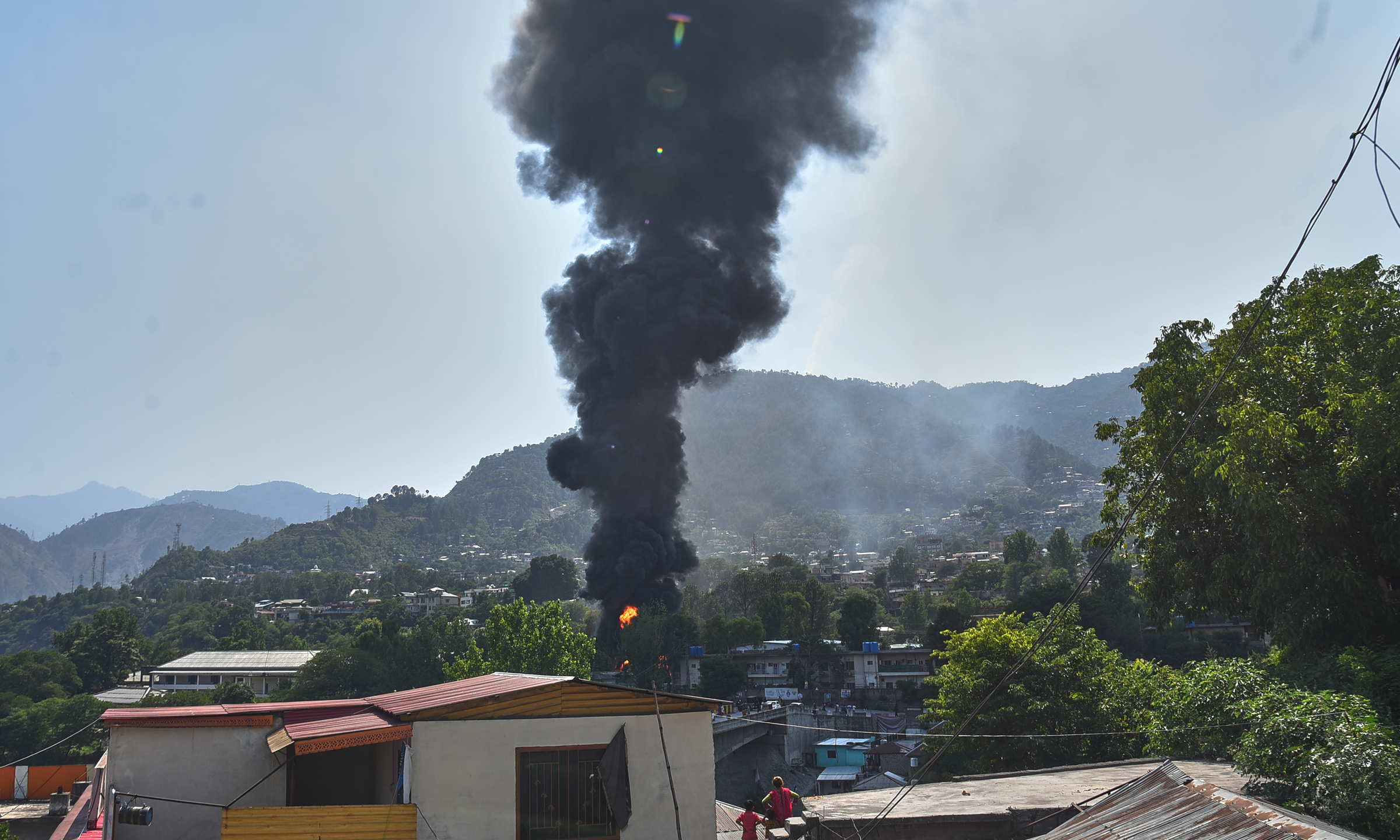
In recent weeks, there have been times when Iranians went to bed with the sound of explosions or news reports of clashes with the United States. Yet, by morning, they would hear that attacks had subsided and the two sides were "close to a deal" in negotiations.
This was the case on june 11, when the conflict's dynamics changed rapidly within hours. Initially, US President Donald Trump threatened a "very strong" attack on Iran that night and proposed occupying Kharg island, the country's main oil export hub.
However, just hours later, he unexpectedly canceled the airstrike plan, citing progress in peace talks. According to Trump, the details of the agreement had been accepted by the US and its regional allies, including Israel.
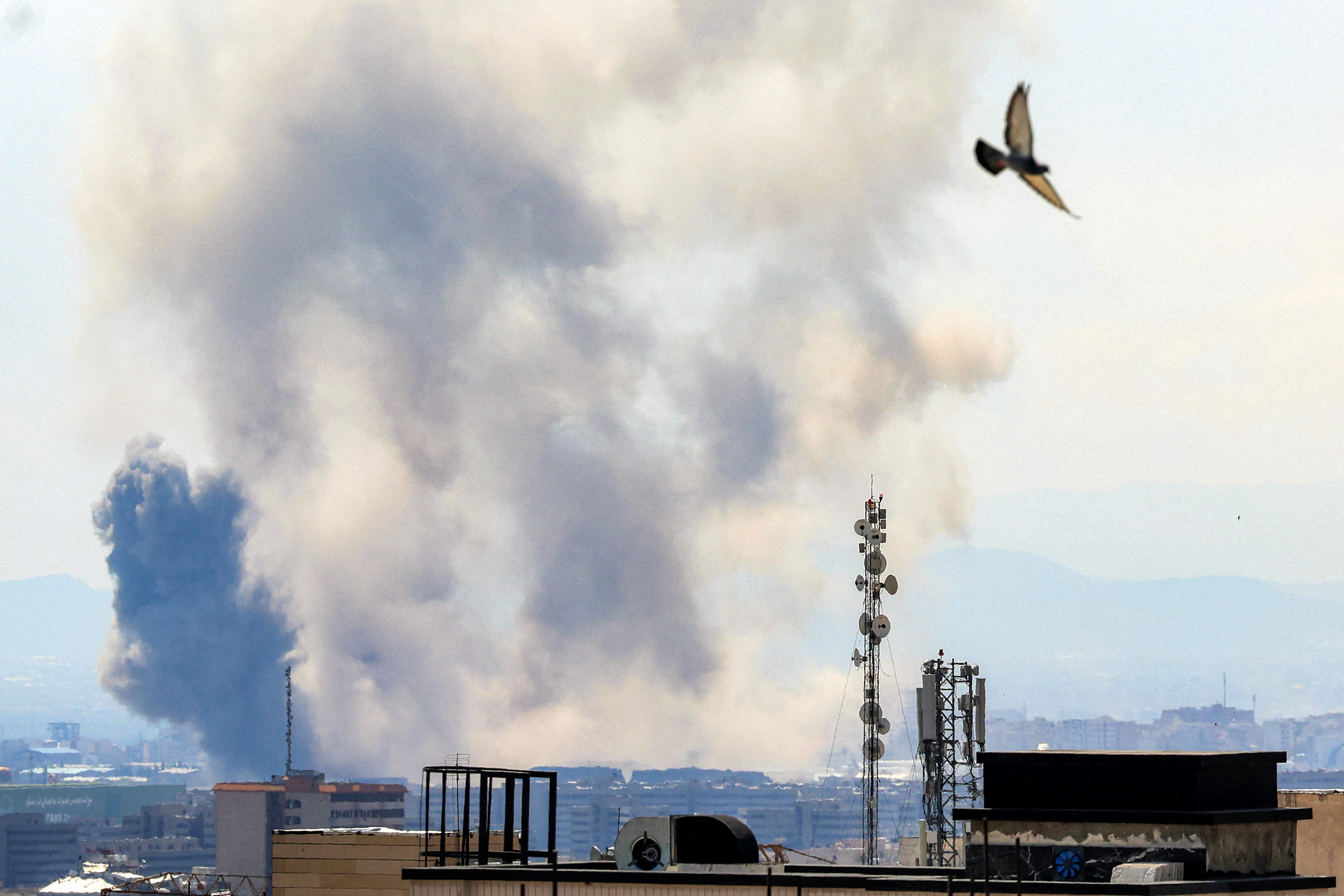 |
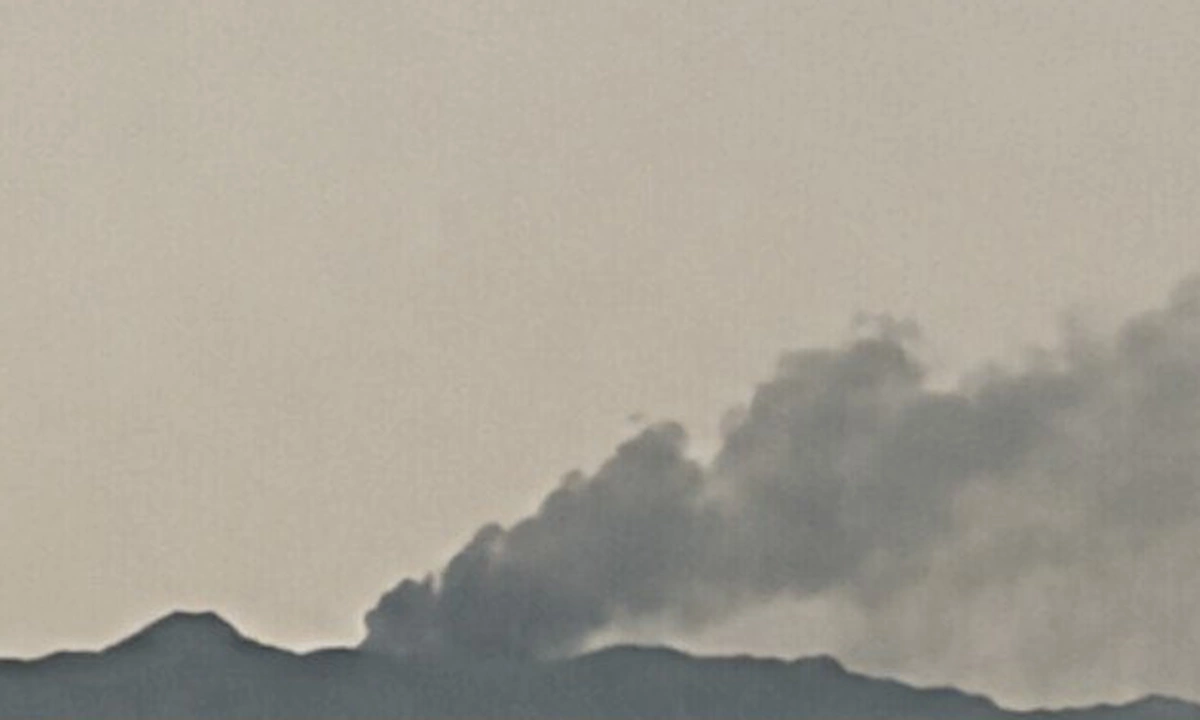
Smoke rises in Tehran, Iran after an airstrike on april 7. AFP
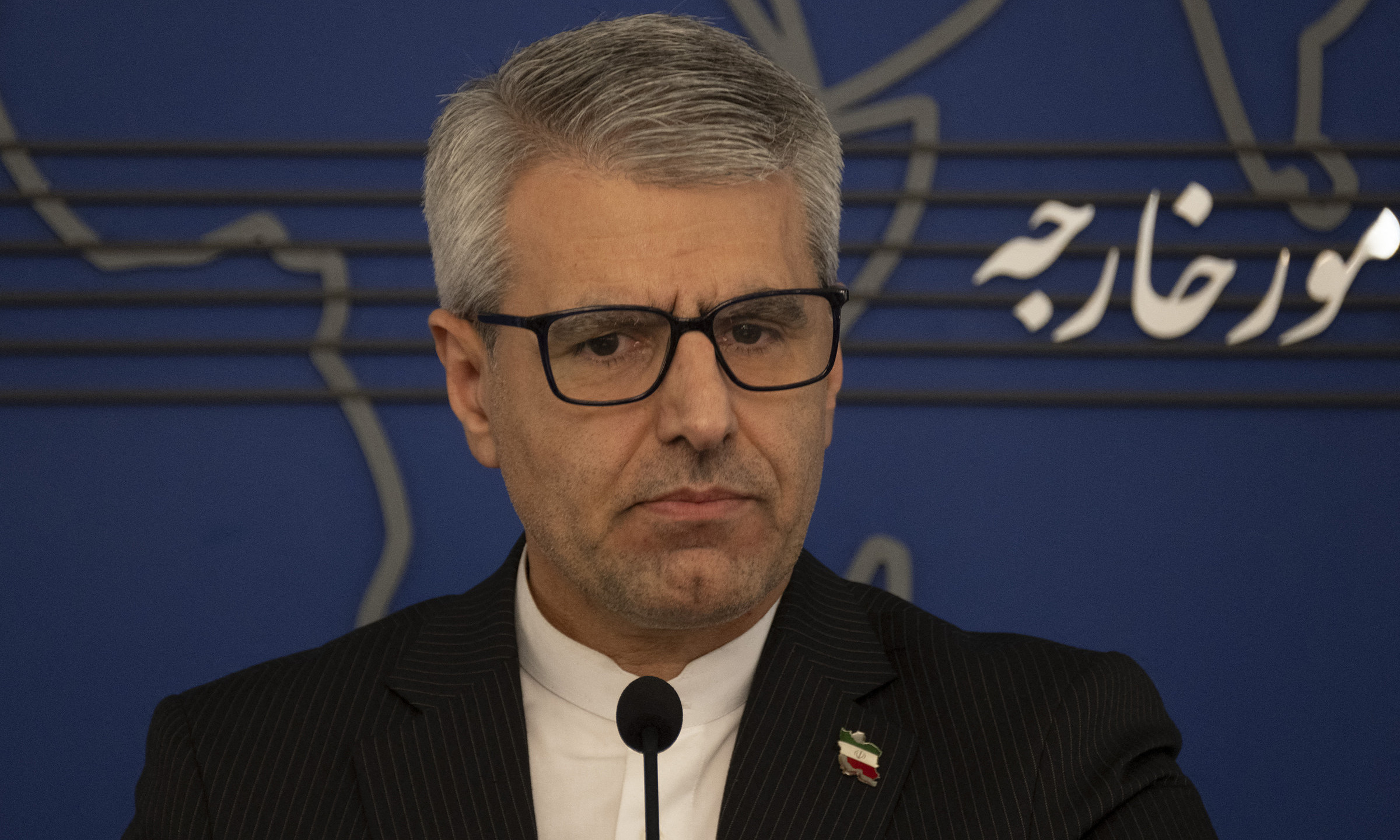
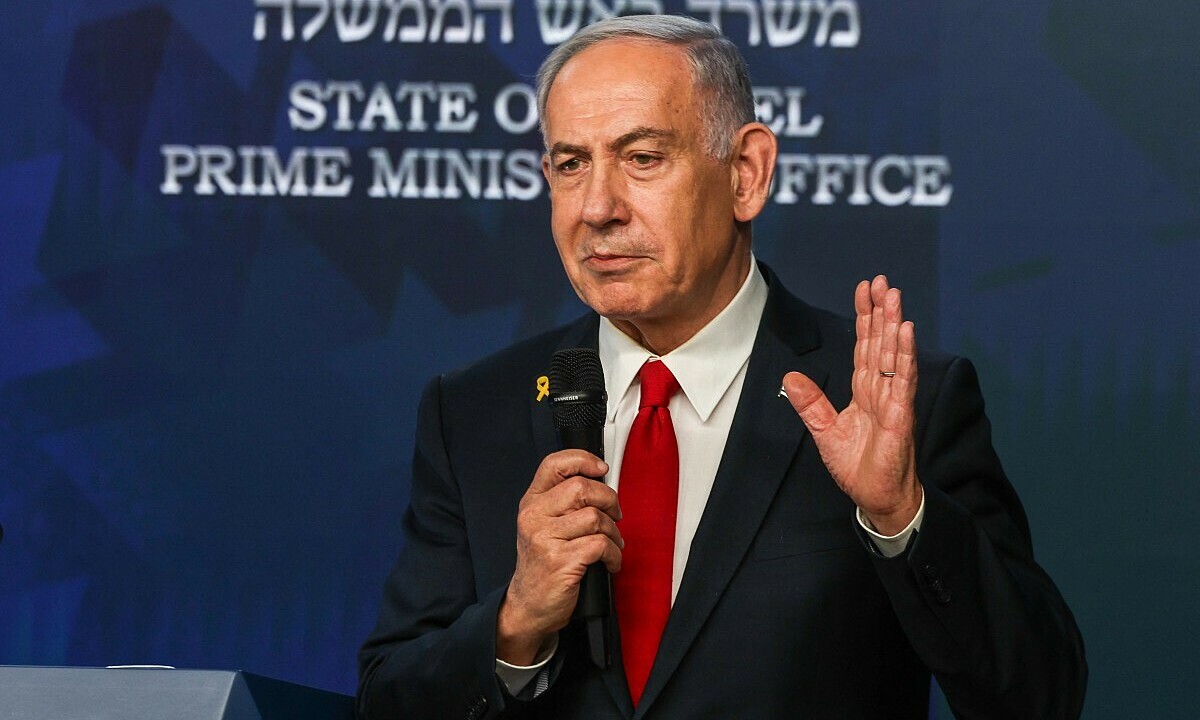
Before Iranians could celebrate this news, Iranian Foreign Ministry spokesperson Esmail Baghaei told the national news agency IRNA that information about a completed deal with the US was "just speculation", adding that Tehran had not made a final decision on any agreement.
Baghaei stated that Qatar and Pakistan were "actively working as mediators", but added that US actions were affecting the diplomatic process.
"From the beginning, we were clear about our negotiating position, and most of the draft agreement's content has been finalized. However, the US side consistently changes its stance", he said.
For many Iranian civilians, the constant shifts between fear and relief, anxiety and hope, have eroded their emotions. Many simply wish for the war to end quickly, no matter how.
"They fight at night, then stop in the morning; it's ridiculous. Either fight or end it. We are so tired of this situation", said Vahid, a 37-year-old resident of Tehran.
Despite continuous pressure from the US, Iran's leadership maintains a firm stance. Vali Nasr, an Iranian historian and professor of Middle East studies at Johns Hopkins University, noted that while previous Tehran leaders were more restrained, "the new leadership believes that patience is why Iran entered the conflict".
 |
A woman walks on a street in Tehran on june 10. AP
Reza, a 48-year-old company director, shared that he and his wife decided to seek refuge in the country's north, waiting for this latest wave of tension to pass. He fears the US might attack civilian infrastructure, as President Trump had repeatedly threatened.
"Work is stagnant, businesses are paralyzed due to volatile prices; it feels like our lives are on hold", Reza said.
Beyond safety concerns in case of a full-scale resumption of conflict, many Iranians also worry that if the current limbo continues, the country's already struggling economy will collapse. They state that as the naval blockade on Iranian ports persists, life will become even more difficult.
In his post announcing the cancellation of airstrikes, Trump declared that the blockade of Iranian ports remained "in effect" until an agreement was reached.
Mahasti, a 65-year-old healthcare worker in Tehran, said this was as bad as falling bombs because trade disruptions and cuts to Iran's oil revenue are gradually eroding people's lives.
"Our lives are getting harder and harder. If not war, then sanctions or blockades. There's always some problem", she said.
In a recent speech at the commemoration of the late Supreme Leader Ali Khamenei, President Masoud Pezeshkian acknowledged that the current situation cannot continue.
"We must escape this state of neither war nor peace. War certainly does not benefit the country", he stated, adding that adversary attacks cannot force Iran to surrender.
Foreign Ministry spokesperson Baghaei reaffirmed Iran's firm stance on the conflict, asserting that the country "does not compromise on what it has identified as its red lines".
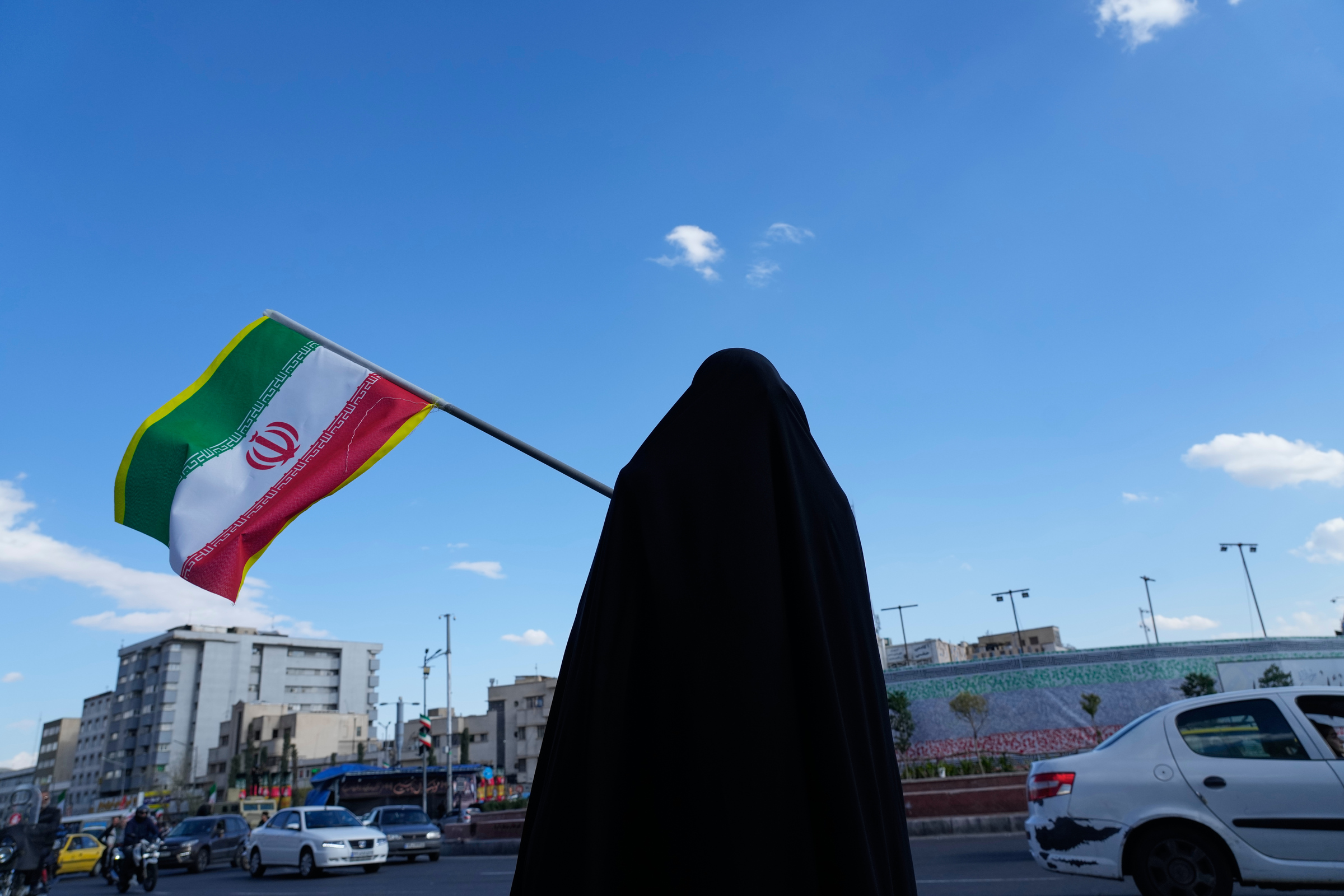 |
A woman holds an Iranian flag on a street in Tehran on march 30. AP
Commenting on recent US actions and statements, Kimberly Halkett, an Al Jazeera analyst, suggested that Trump appears to be using military pressure and harsh rhetoric to push Iran towards a deal.
"What is clear is that the US President continues to use Truth Social posts to combine public threats with what he believes is still achievable, which is diplomacy through military pressure", Halkett said.
Abas Aslani, a senior research fellow at the Center for Middle East Strategic Studies, believes the Trump administration "wants to escalate to gain an advantage at the negotiating table, forcing Tehran to accept concessions it previously rejected".
Meanwhile, Tehran is interested in "restoring deterrence" against further attacks on the country.
"For Iran, this is also crucial because the previous response to US attacks was insufficient to ensure they wouldn't bomb Iran again. That's why they might be escalating to compel the adversary to de-escalate the situation", Aslani said.
Thanh Tam (According to NY Times, CNN, Al Jazeera)