


 |
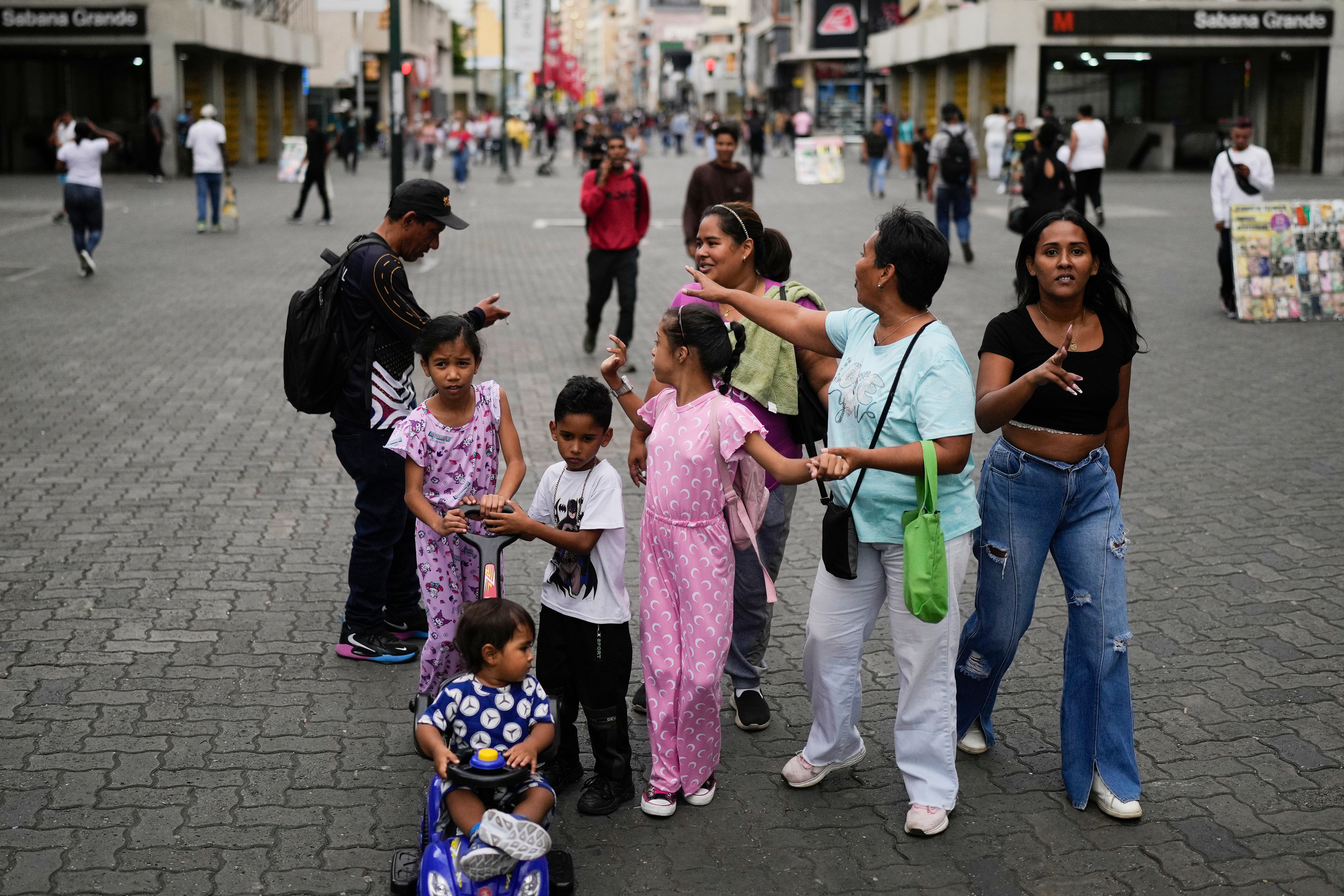
The US raid on January 3, which resulted in the arrest of President Nicolas Maduro and his wife, has significantly impacted Venezuela. One week later, on January 10, a Venezuelan family was seen enjoying a pedestrian street in Caracas, signaling a gradual return to normal life. However, the aftermath of the raid, which Caracas vehemently condemned as "serious, illegal, and illegitimate," has left over 100 civilians and soldiers dead.
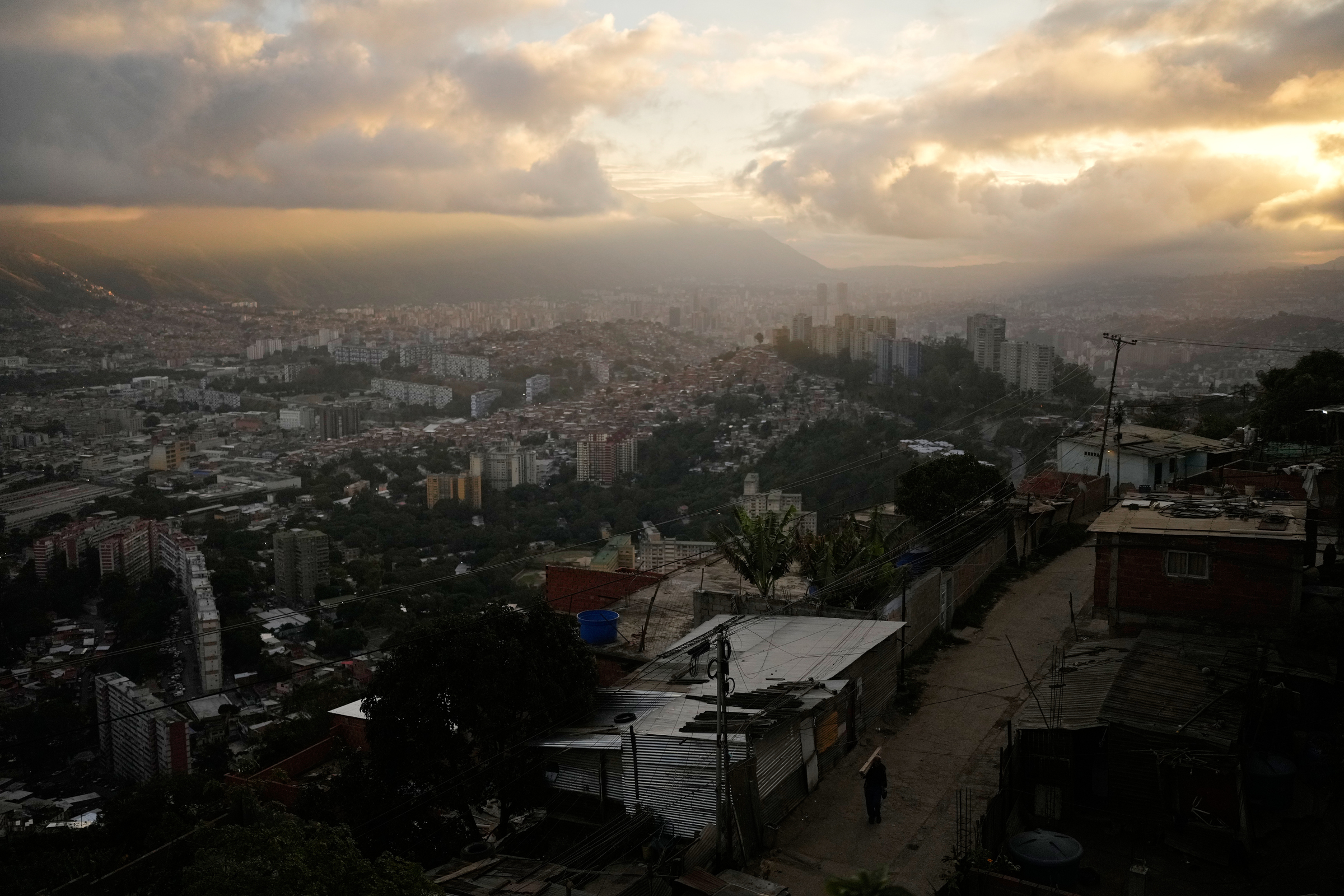 |
In the wake of the raid, the Venezuelan government is negotiating to restore diplomatic relations with the United States to address the consequences of the attack. On January 11, US President Donald Trump stated that Washington is cooperating well with interim President Delcy Rodriguez and is ready to meet her this week. Rodriguez was appointed interim president after Maduro's arrest, though Venezuela's security forces and militias remain under the control of hardliners.
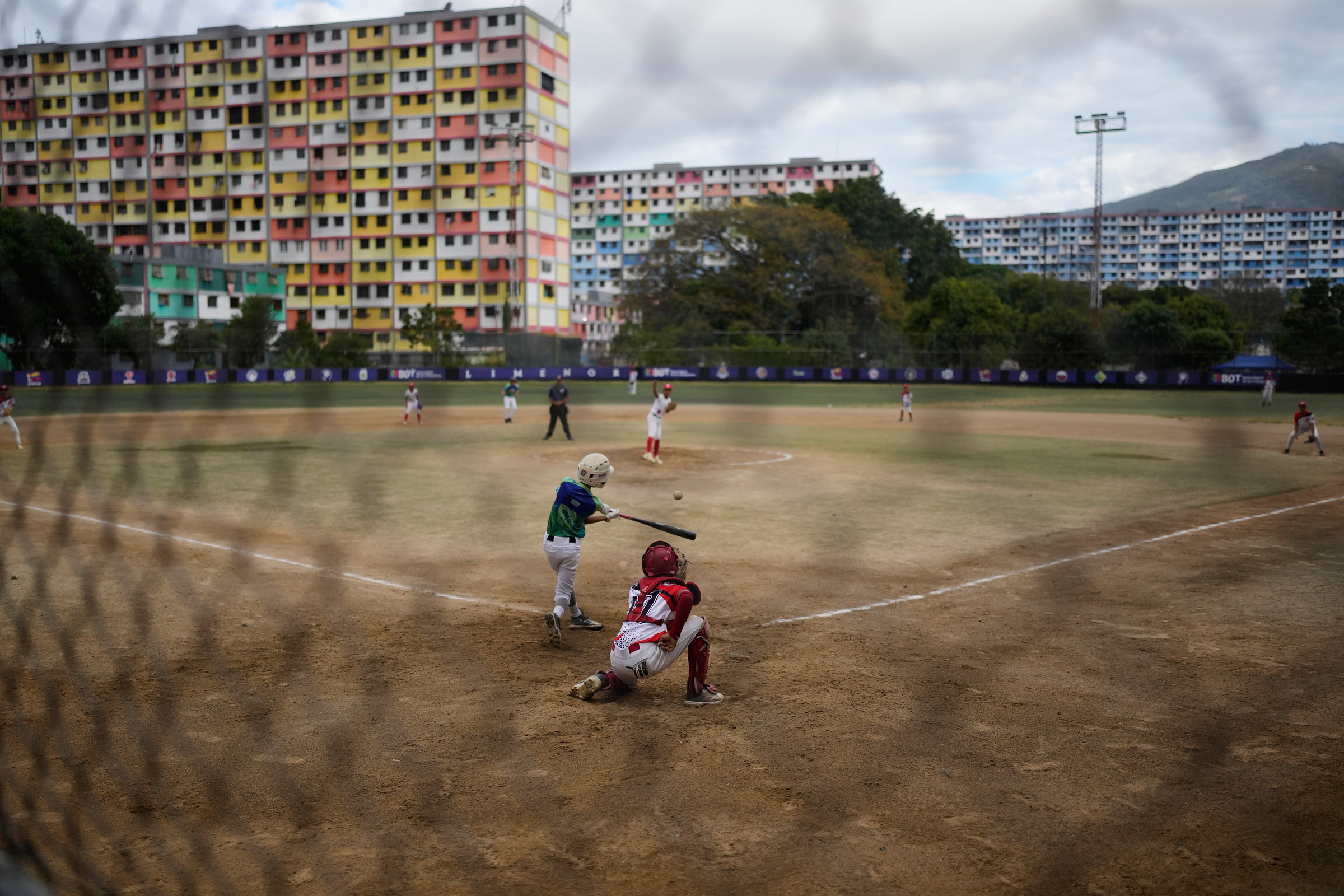 |
Despite efforts to normalize relations, the economic situation remains a pressing concern for many Venezuelans. Marieta Ochoa, a 47-year-old teacher in Caracas's Enero 23 neighborhood, expressed her hopes for improvement while children played baseball nearby. "I hope the economy improves," she said. "I hope salaries increase. The current inflation is unbearable."
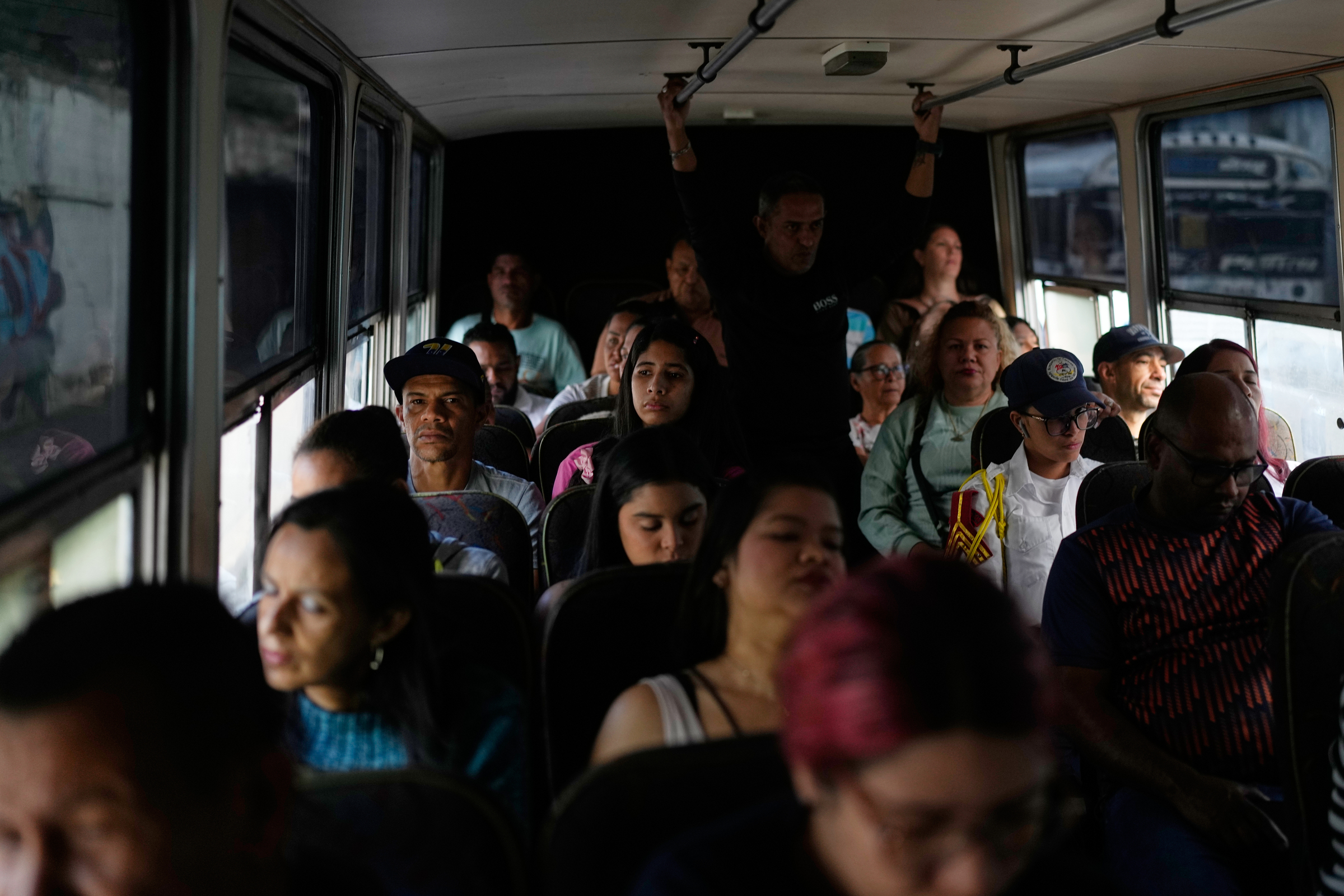 |
People travel by bus in Caracas.
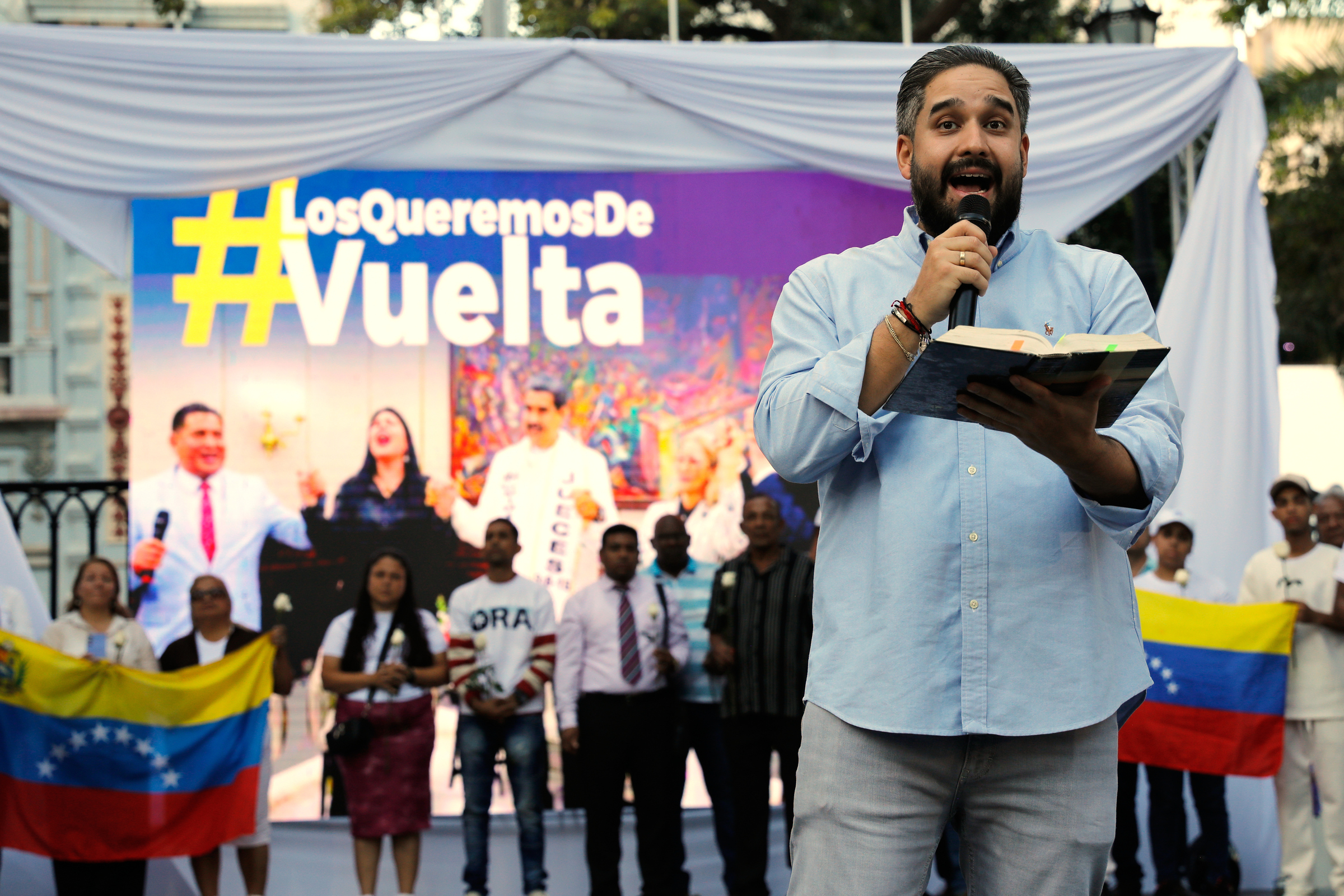 |
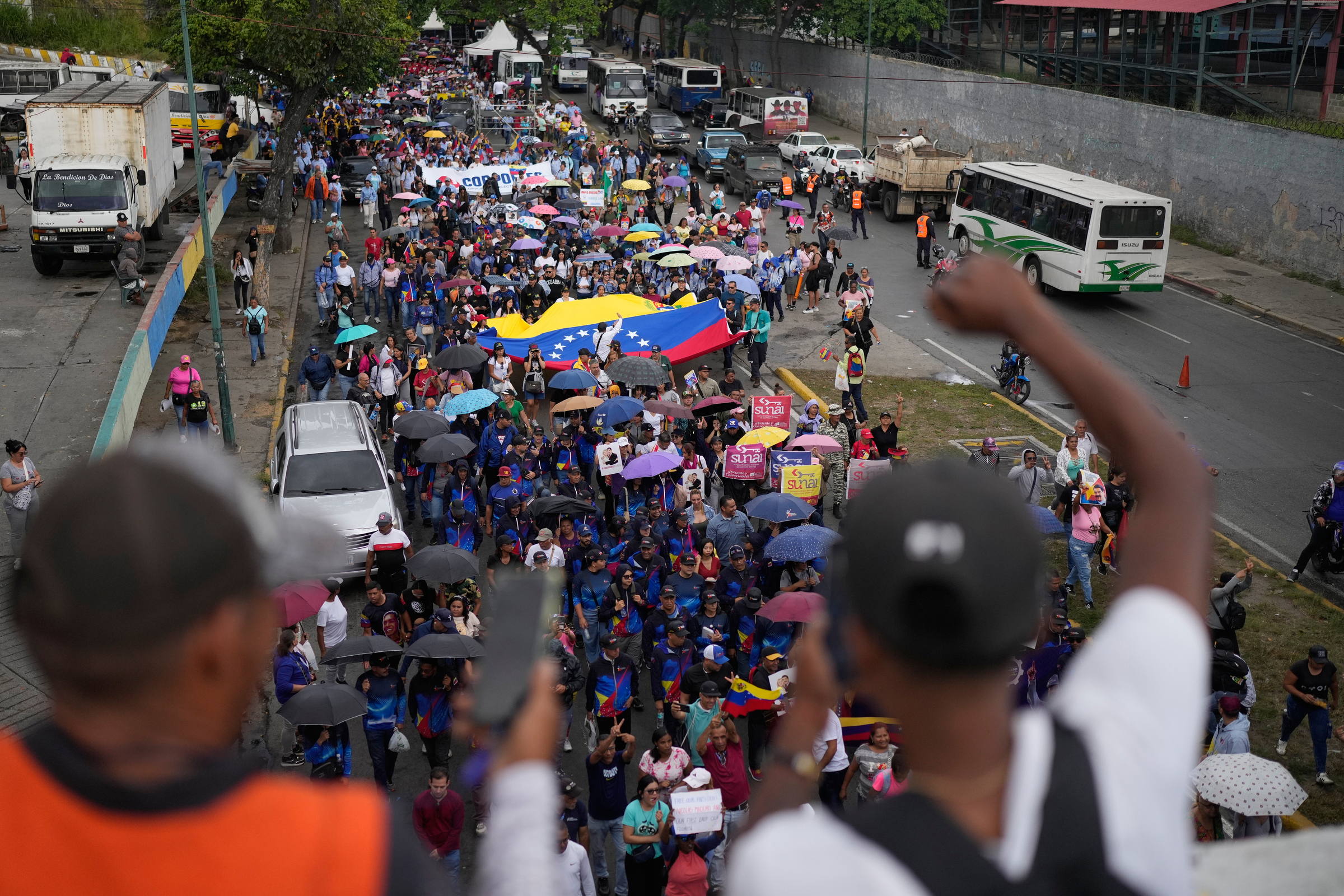
Meanwhile, supporters of Nicolas Maduro continue to organize daily marches in the capital, Caracas, demanding the release of the former president and his wife. Nicolas Maduro Guerra, Maduro's son and a member of parliament, spoke at a rally on January 11, reiterating calls for his father's freedom. The former president and his wife are currently held in a New York prison, facing multiple charges, including drug trafficking. Josefina Castro, 70, a protester, voiced strong opposition to the US. "We will not give Trump even one drop of oil, after all he has done," she declared. "Many of our brothers and sisters fell in that raid; it is truly heartbreaking."
 |
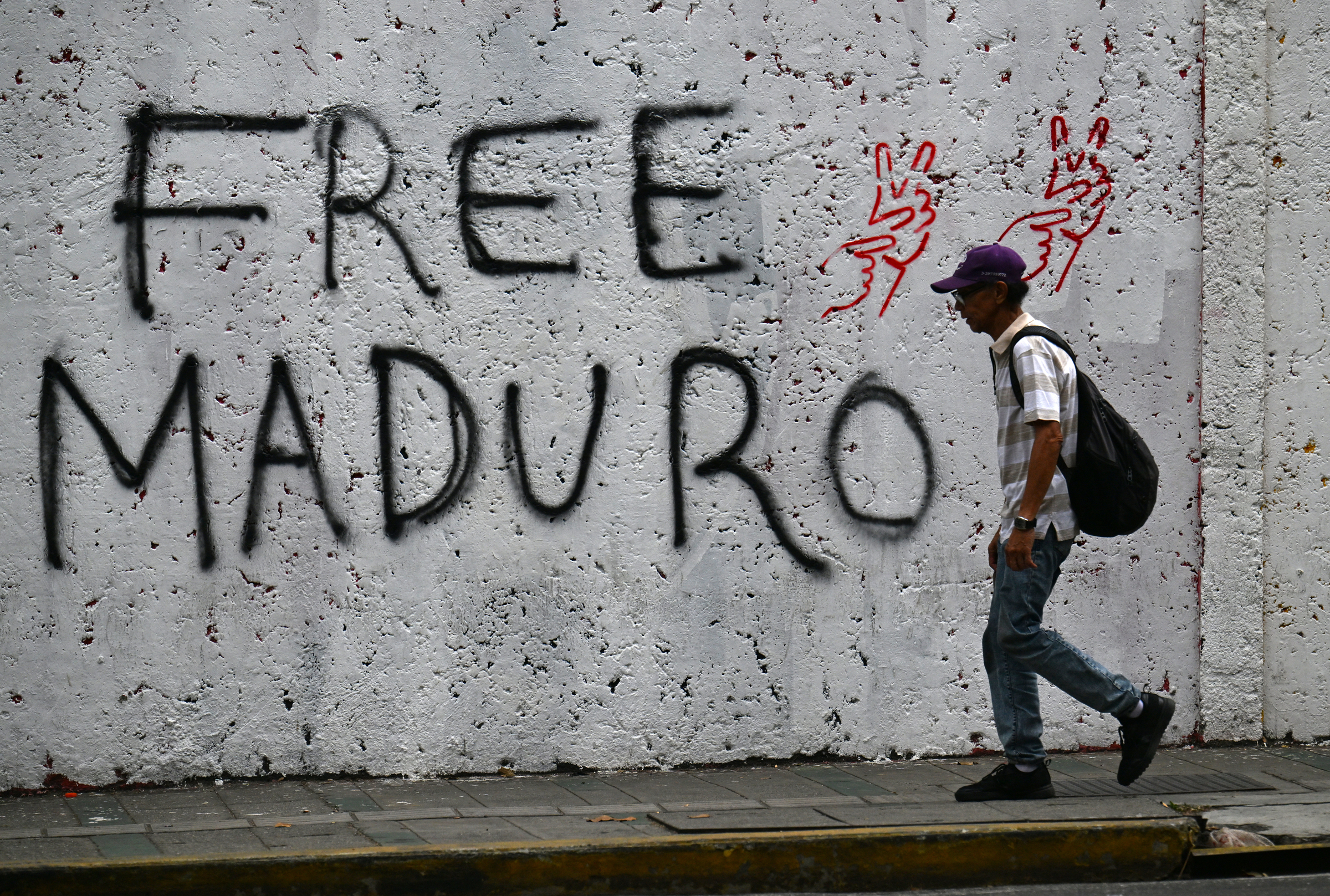
A message calling for Maduro's release is painted on a wall alongside a Caracas street.
 |
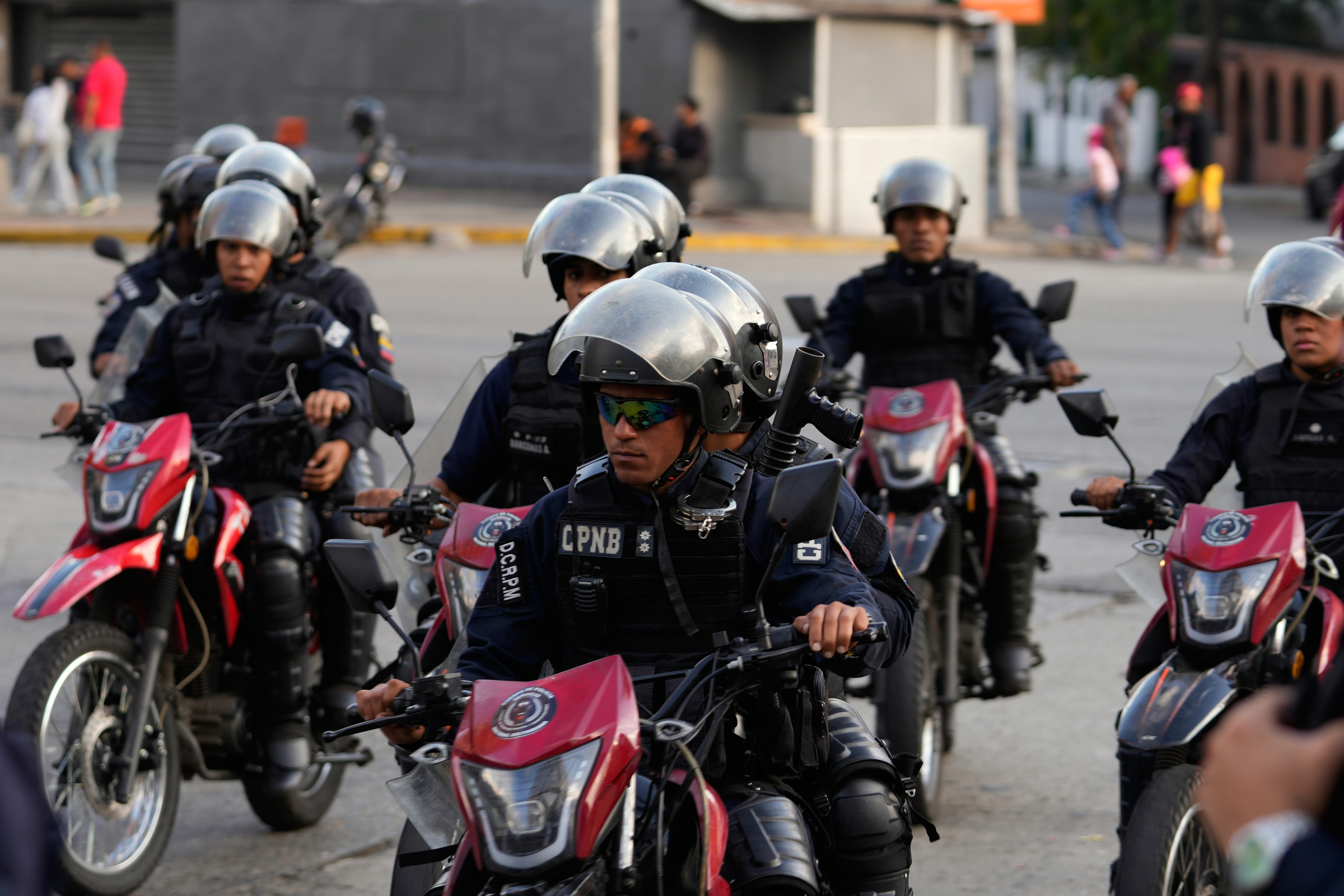
Security forces patrol on motorcycles near El Helicoide, Venezuela's intelligence headquarters and detention center in Caracas. A large number of prisoners held here are being released by the Venezuelan government to reduce tensions with the US.
 |
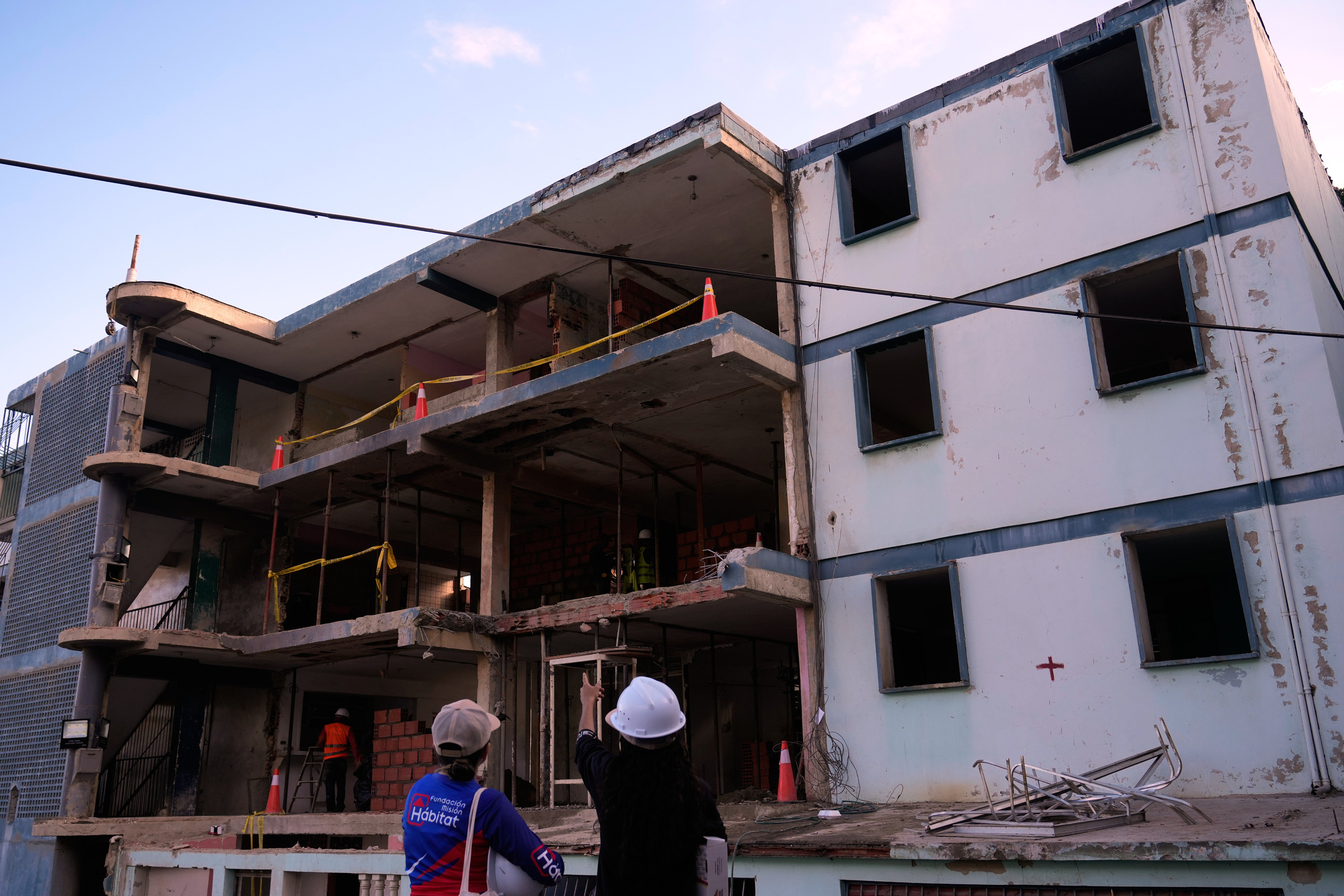
Construction workers repair a building damaged by the US attack in La Guiara, a port city serving as the gateway to Caracas.
 |
Marlen Quintero stands outside her home, near a power station damaged during the US attack on Caracas.
 |
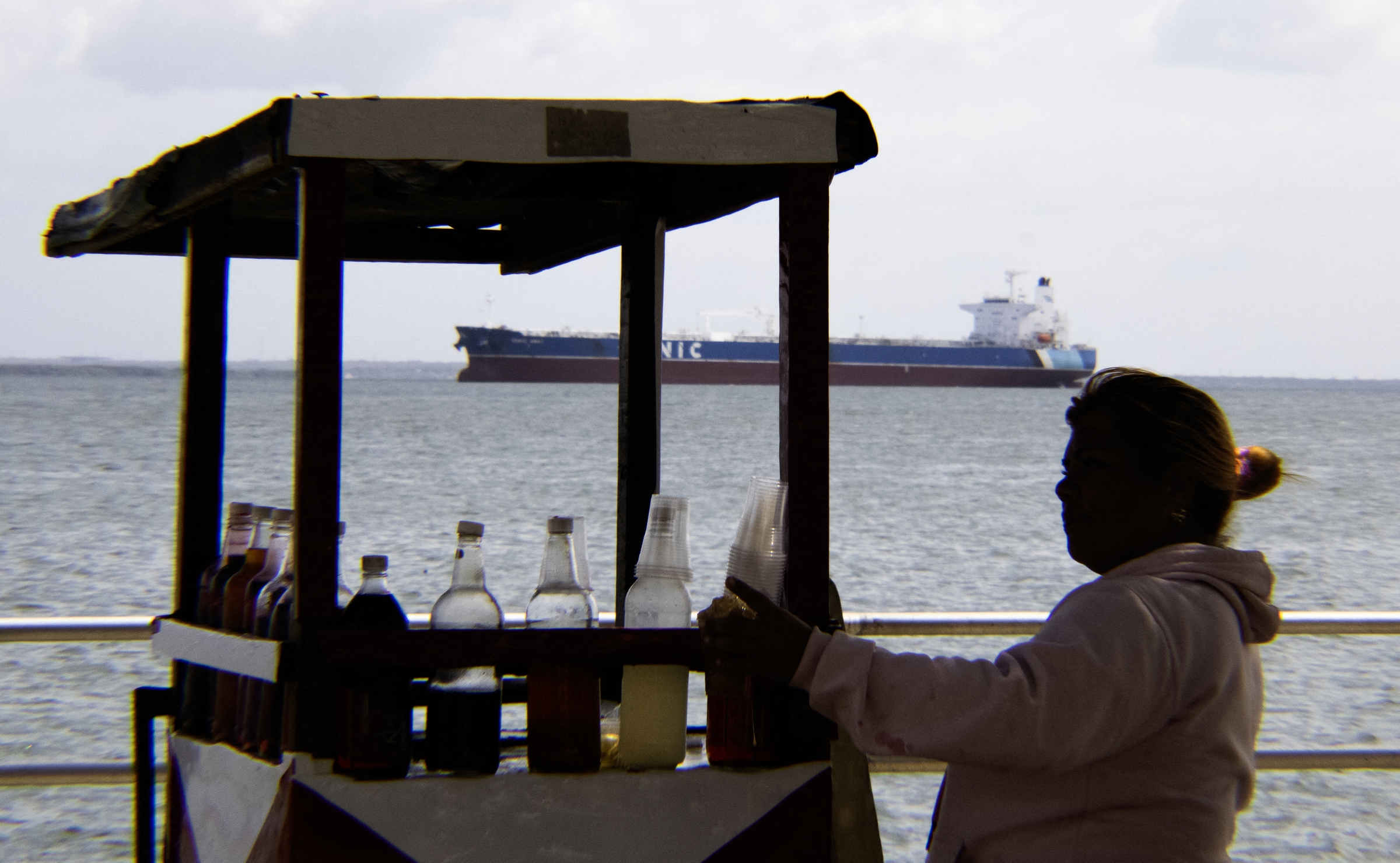
The crude oil tanker Ionic Anax docks at Maracaibo Lake in Maracaibo, Venezuela, a key oil and gas extraction region.
 |
Hong Hanh (Photos: AP, AFP)


