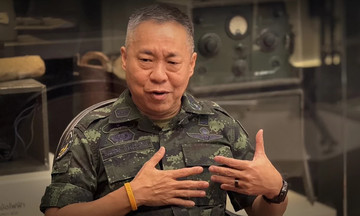
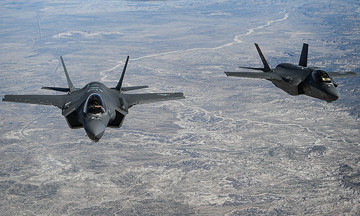
"We have prepared the deployment area for the Oreshnik missile. This system has been present in Belarus since yesterday and is in combat readiness," President Alexander Lukashenko stated in his annual address on 18/12.
Lukashenko did not specify the number of Oreshnik missiles or the scale of the operating forces deployed in the country. He also warned that any aggressive actions towards Belarus's borders would be considered "a threat to the Union State."
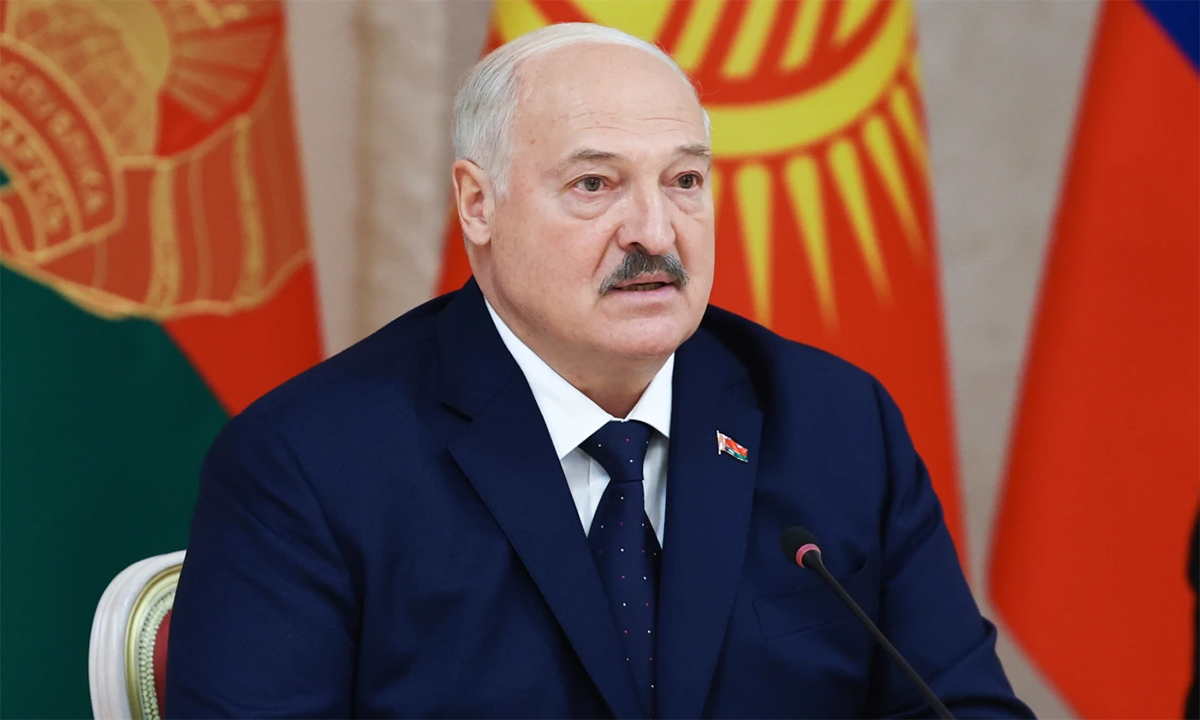 |
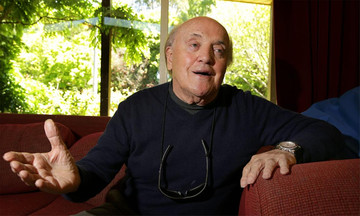
President of Belarus Alexander Lukashenko during a meeting in Minsk on 27/6. *AP* |
On the same day, Russian Chief of the General Staff Valery Gerasimov announced that Russia had formed an Oreshnik missile brigade. It remains unclear how many launchers the unit operates, how many missiles it possesses, and their deployment locations.
On 17/12, President Vladimir Putin stated that Russia would put the Oreshnik missiles on combat duty by the end of the year. Putin mentioned that unique weapons, such as Burevestnik missiles and Poseidon nuclear torpedoes with nuclear propulsion, would help ensure strategic security balance for decades to come.
Russia first used the Oreshnik missile in 11/2024 to strike the city of Dnipro, central Ukraine. Russian officials stated that Oreshnik reaches speeds of over 10 times the speed of sound, equivalent to nearly 11,000 km/h.
Beyond its high speed, the Oreshnik missile is equipped with multiple independently targetable reentry vehicle (MIRV) technology, allowing each missile to carry up to 36 warheads. Putin asserted that no Western air defense system can intercept this missile.
In january, Ukrainian military commander Oleksandr Syrsky admitted that very few air defense systems in the world can intercept the Oreshnik, and Kyiv does not possess such a system.
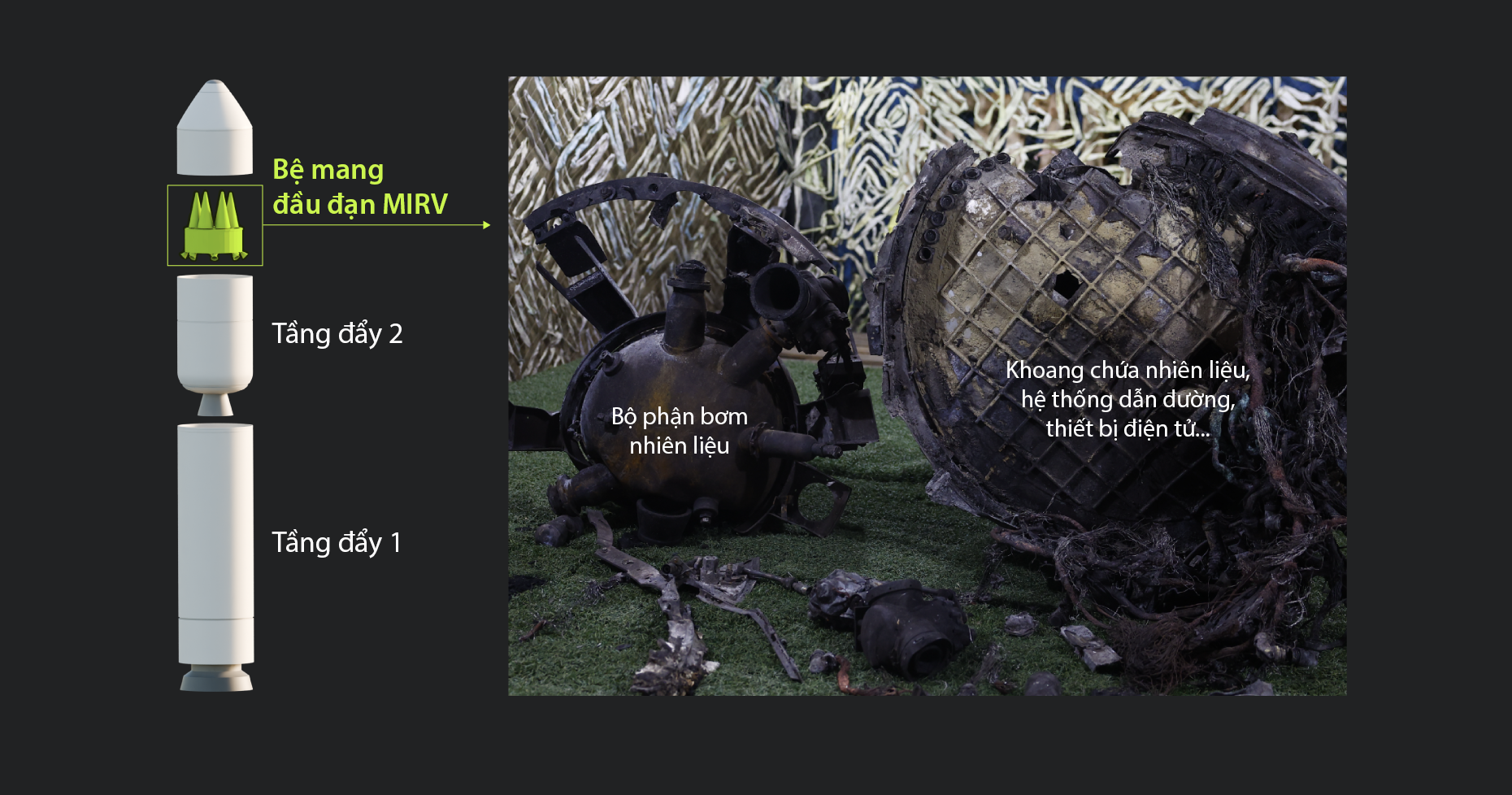 |
Structure and mechanism behind the Oreshnik missile's destructive power. Click for details. |
Belarus is a close ally of Russia and previously allowed Russia to use its territory to launch a special military operation against Ukraine. The Agreement on the Establishment of the Union State was signed by Russia and Belarus in 1999, aiming to establish a legal framework for the union state in areas such as: economy, information, technology, agriculture, and border security.
During the large-scale Zapad-2025 exercise, held from 12-16/9, Belarusian and Russian forces practiced deploying Oreshnik missiles in the border region adjacent to NATO's eastern flank.
Nguyen Tien (According to BELTA, AFP, TASS)