 |
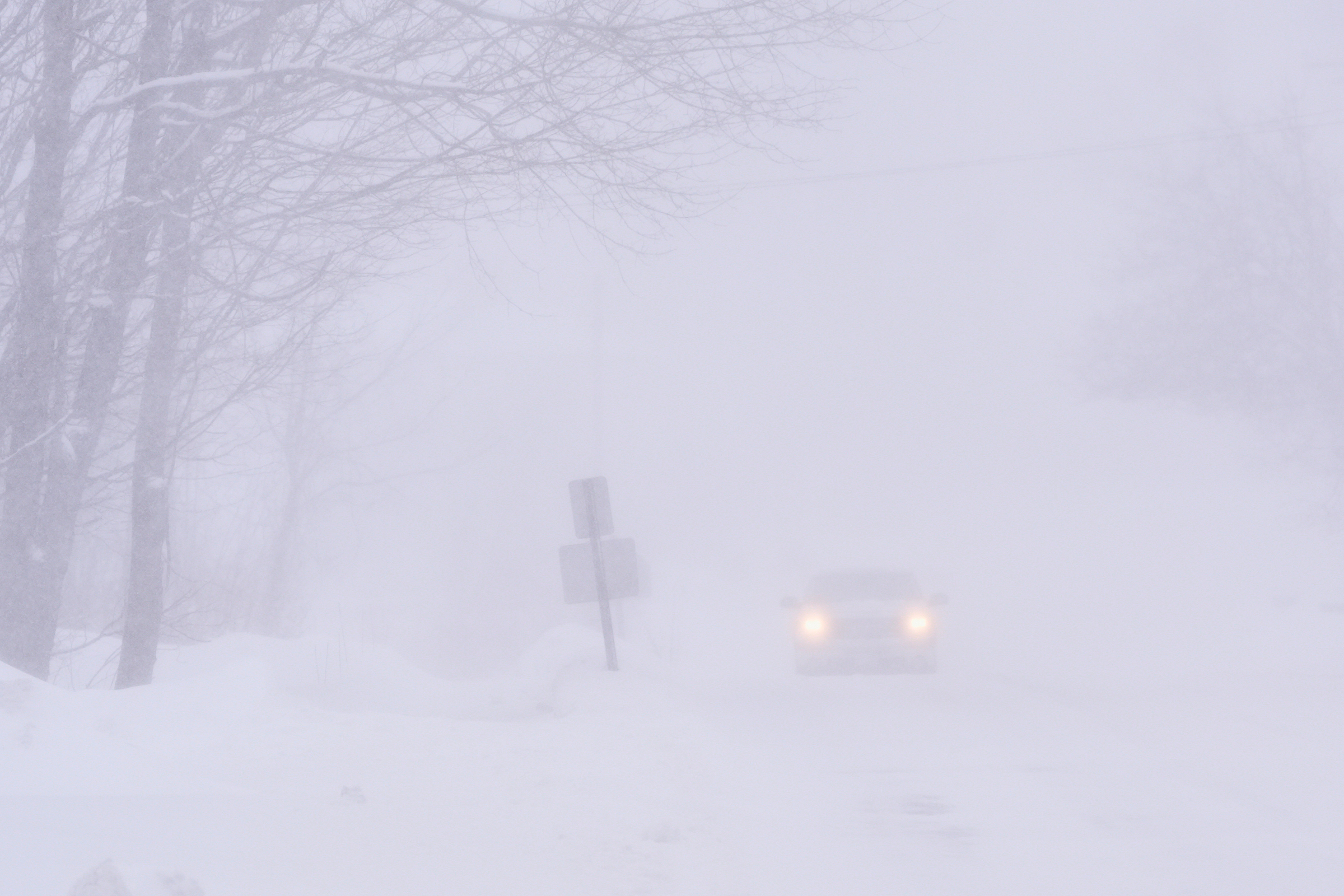
The northeastern United States continued to experience a "bomb cyclone" early this week, a weather phenomenon characterized by a rapid drop in atmospheric pressure. From Maryland to Maine, record-breaking snowfall caused widespread power outages, led to thousands of flight cancellations, and resulted in at least one fatality.
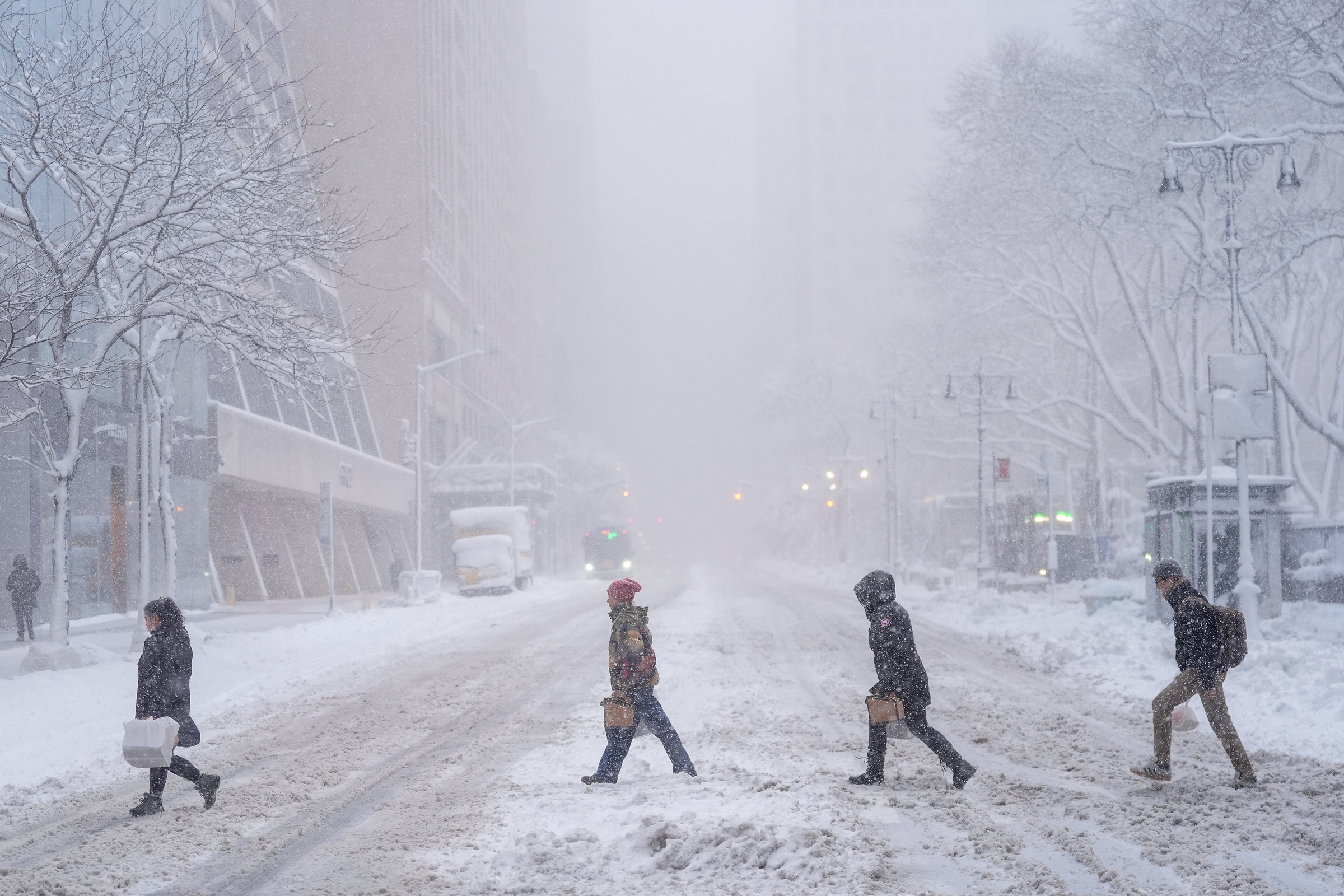 |
Commuters struggled through the blizzard near Bryant Park, New York City, on 23/2.
According to Ryan Maue, former chief scientist at the National Oceanic and Atmospheric Administration (NOAA), the total snowfall in the region amounted to 2.5 trillion gallons of water, equivalent to approximately 9.46 billion cubic meters. If all the snow from Maryland to Maine were concentrated on Manhattan Island alone, it would create a snow column over 1.6 kilometers high.
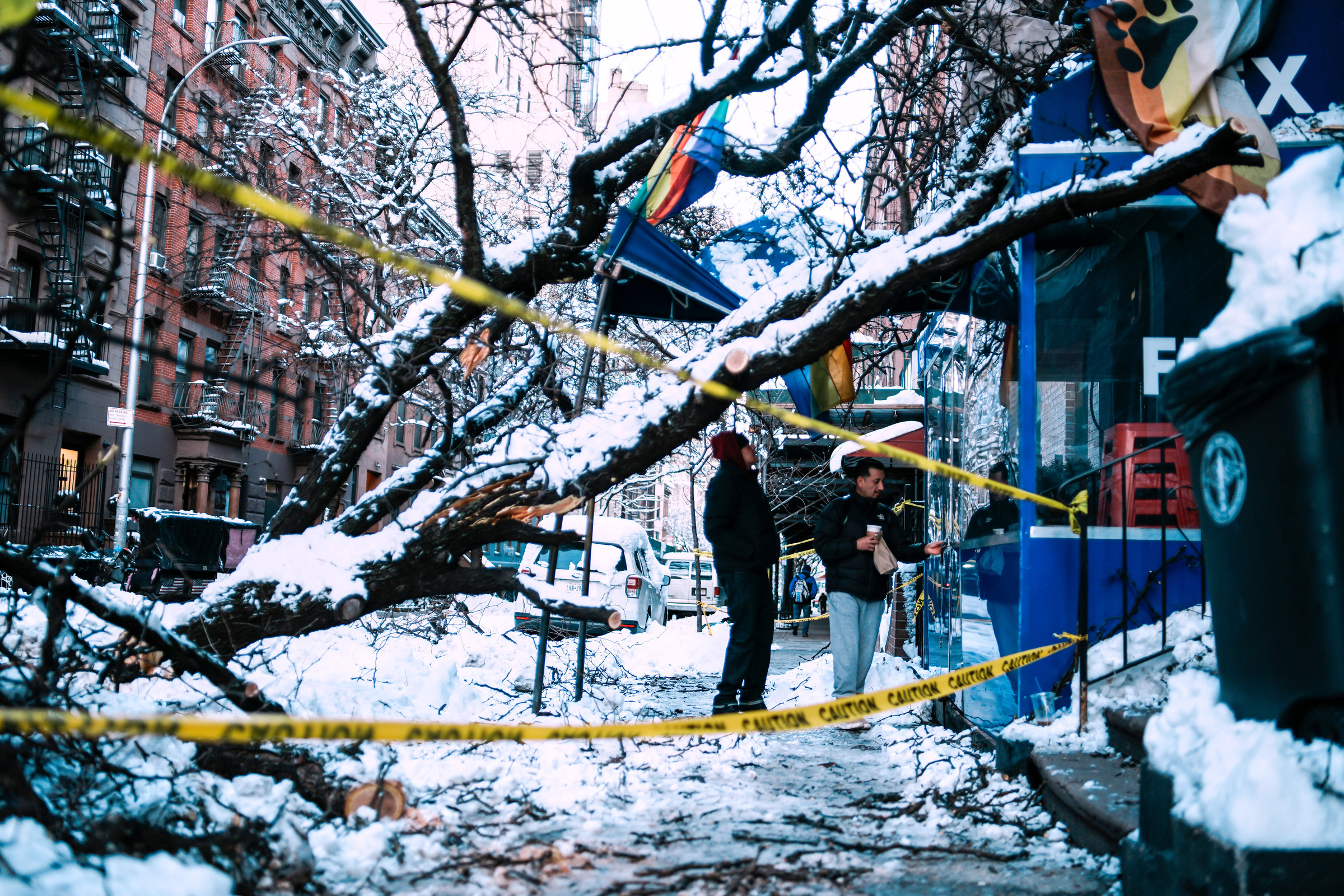 |
New Yorkers waited in line outside a coffee shop struck by a fallen tree on 25/2.
Rhode Island, a neighboring state to New York and one of the hardest-hit areas, saw snowfall exceeding 0.9 meters, surpassing the historic record set by the 1978 storm.
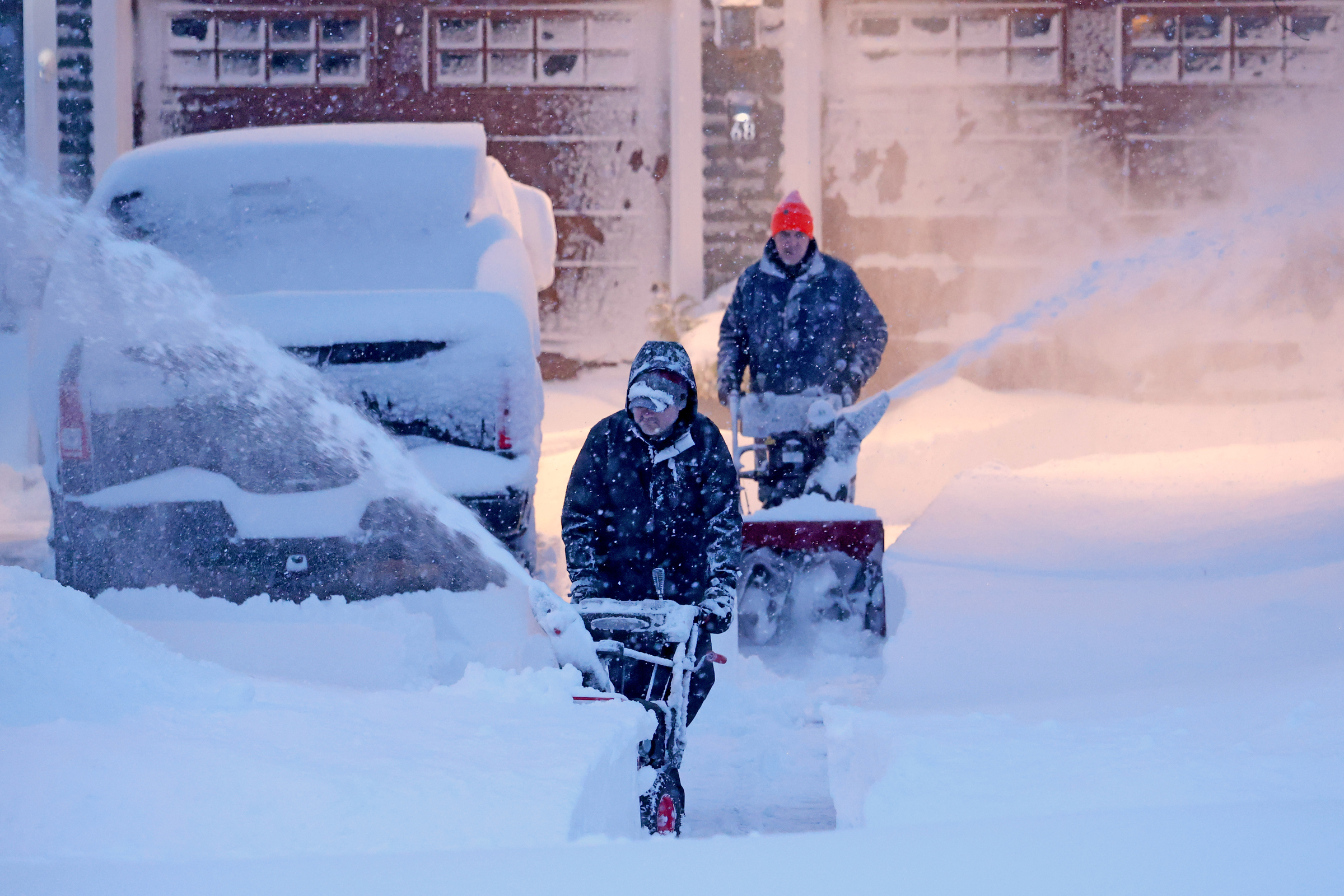 |
Residents in Massachusetts worked together to clear snow and restore local traffic.
Over 138,000 households across the United States remained without power, primarily in Massachusetts and the Cape Cod region. Technical crews worked continuous 18-hour shifts to restore the electricity grid. At public warming shelters, residents gathered to charge phones and find warmth.
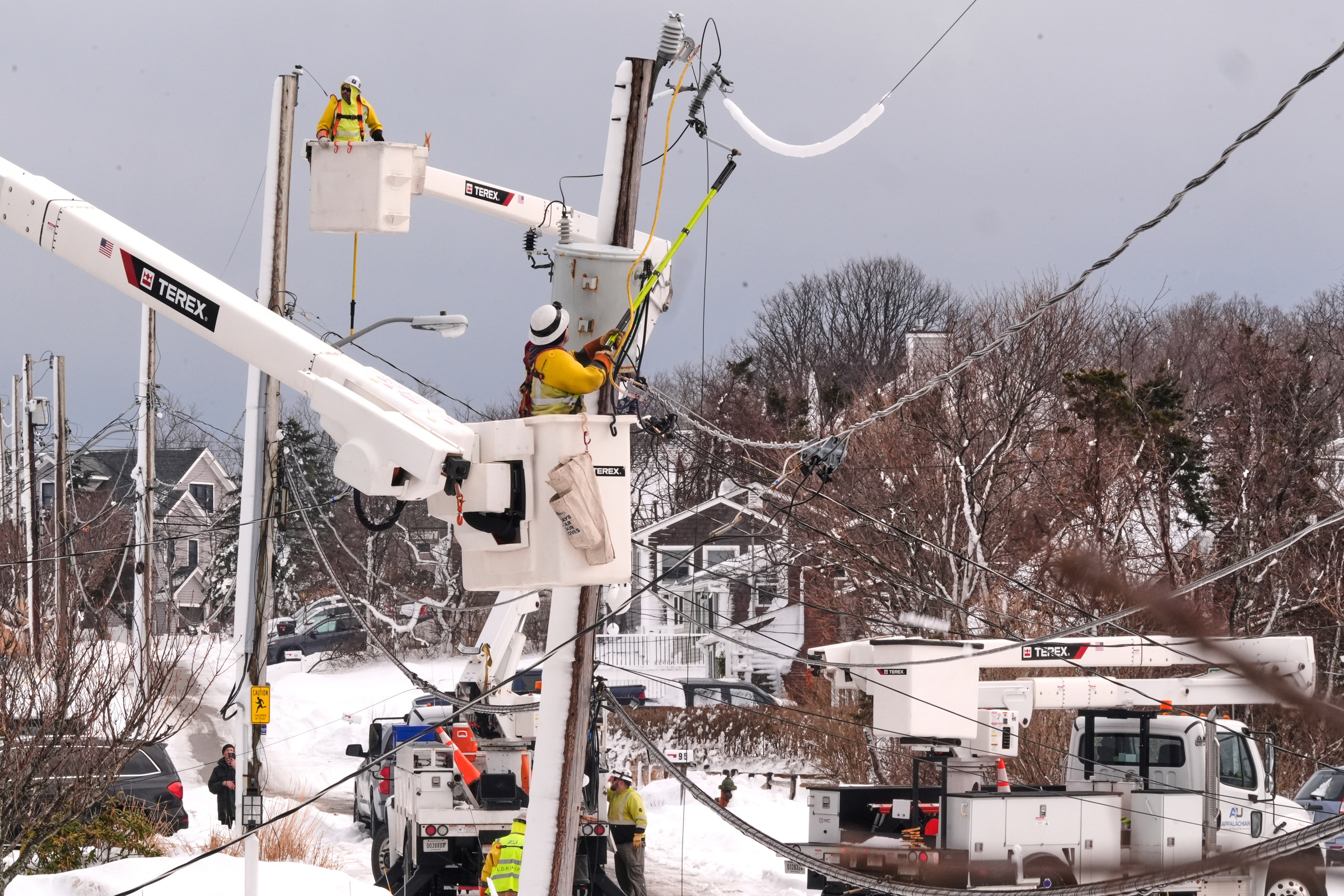 |
Electric utility workers from Kentucky were deployed to Plymouth, Massachusetts, to assist with power grid restoration on 25/2.
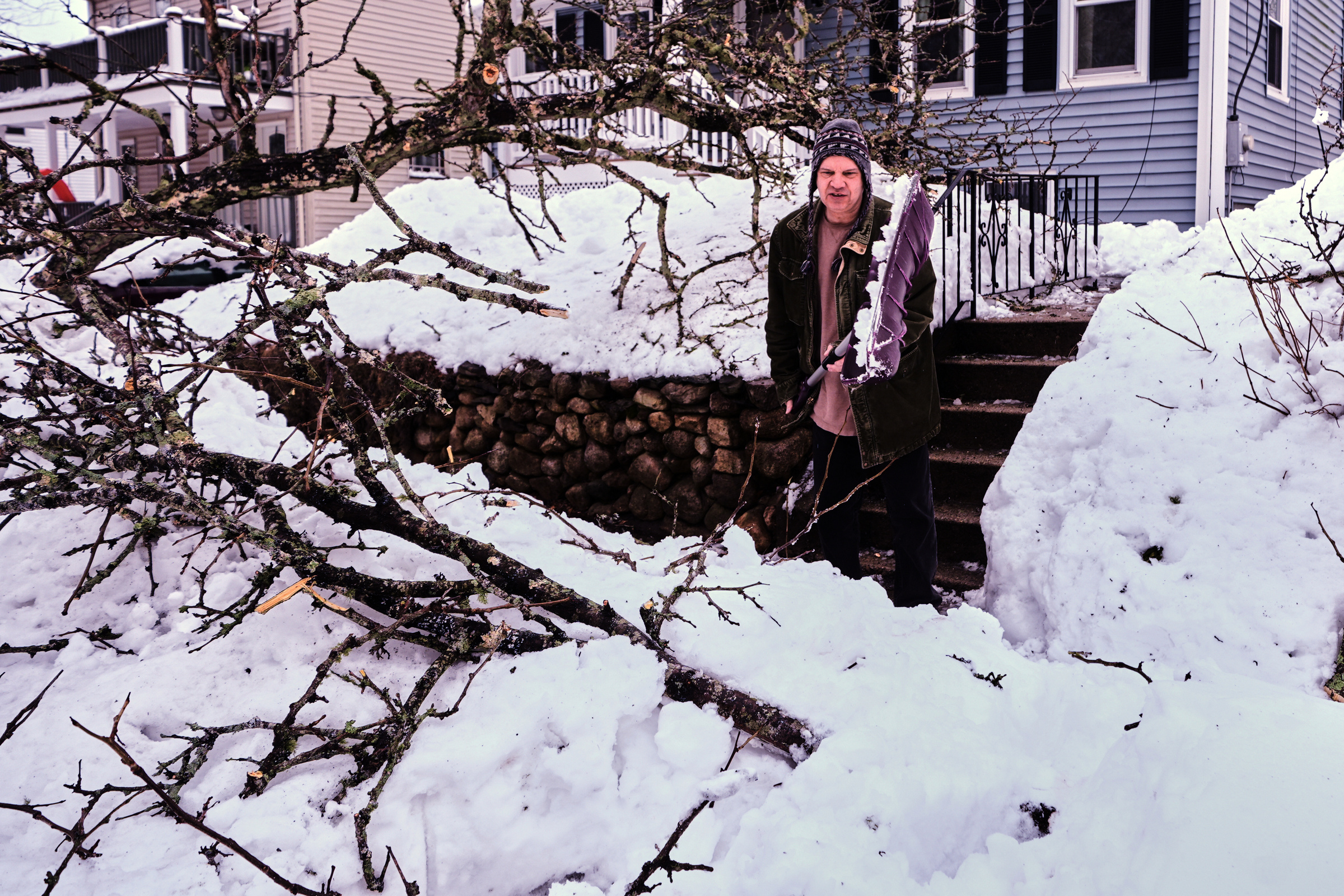 |
Some Barnstable residents reported being without power since the afternoon of 22/2 and had to discard almost all the food in their refrigerators.
"It seems officials were unprepared for this," a local resident said, expressing exhaustion.
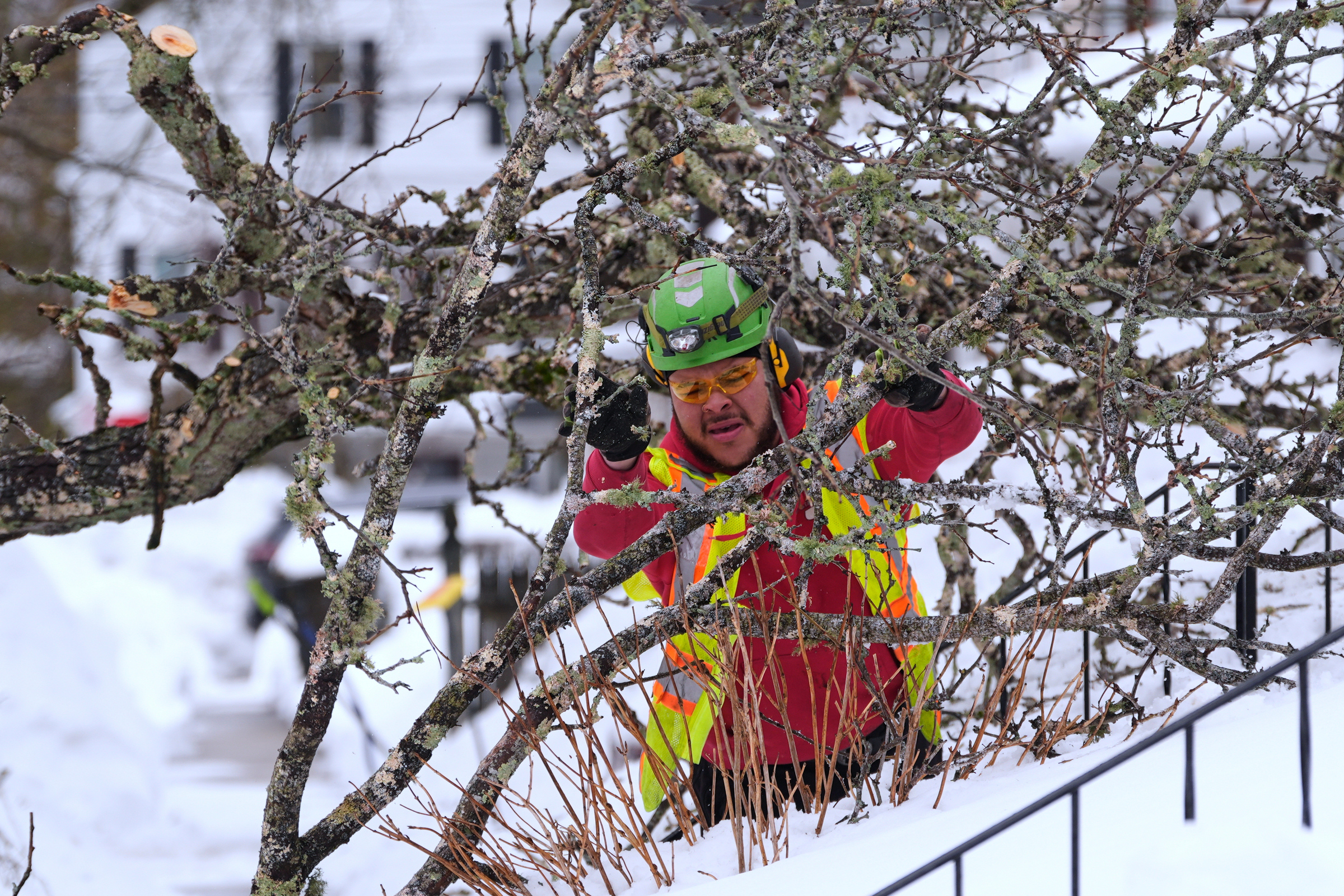 |
For individuals with disabilities, the consequences were even more severe. Tina Guenette, who uses an electric wheelchair in Rhode Island, had to clear snow from her yard herself so her service dog could go outside.
"I had no other choice," she stated, explaining that the local volunteer snow removal program had been inactive for many years.
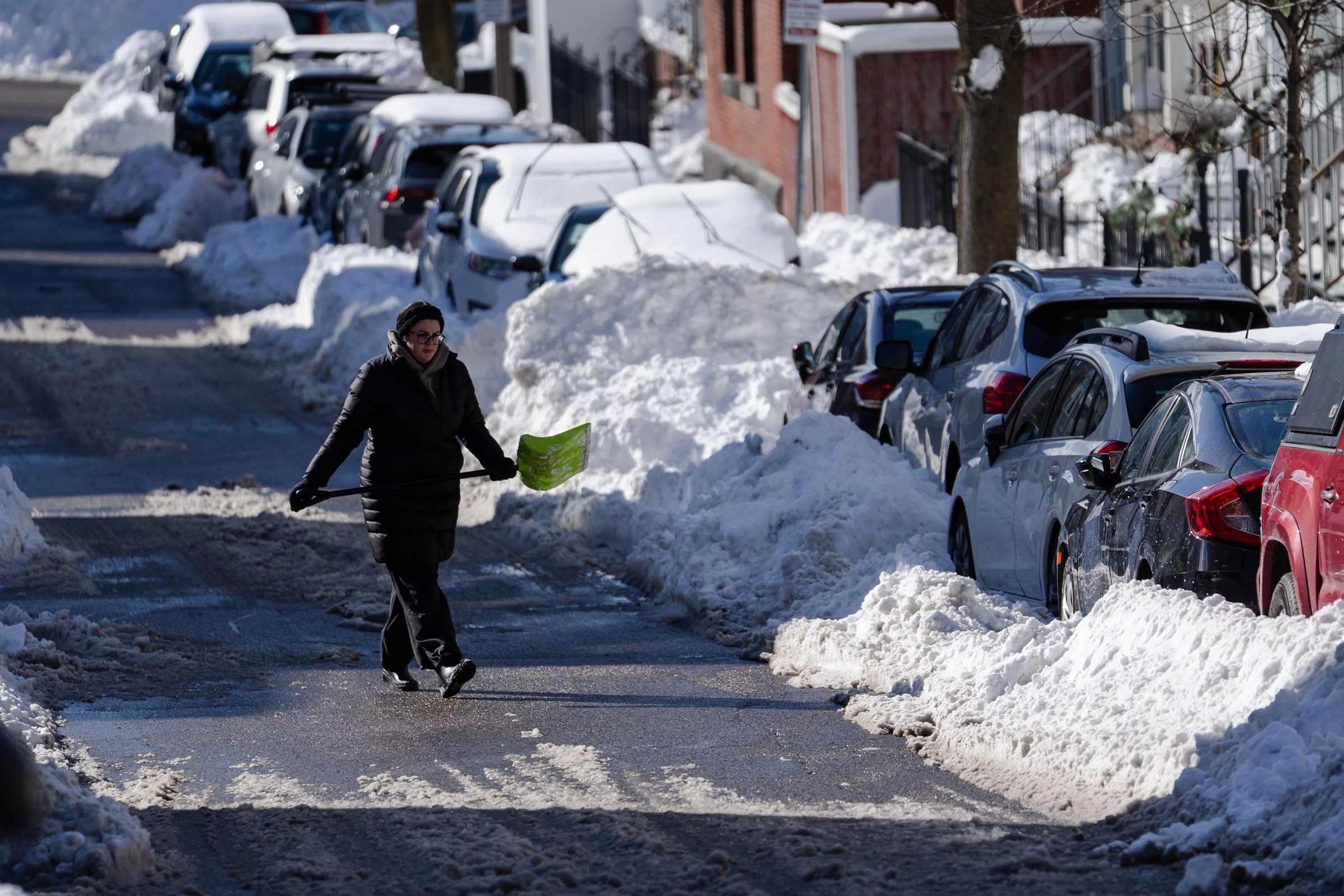 |
Residents cleared snow from streets in south Boston on 24/2.
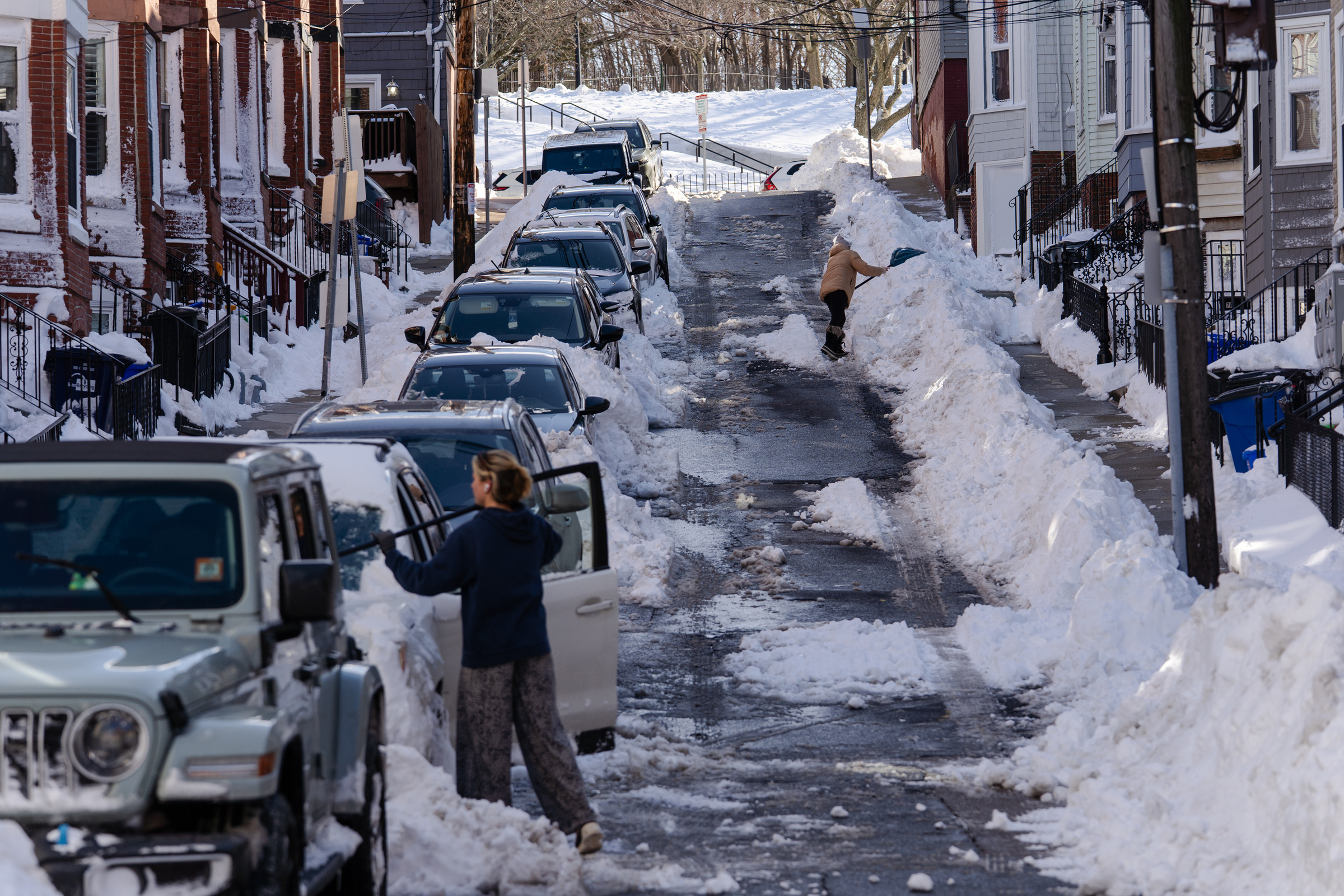 |
South Boston residents cleared thick snow from their vehicles on 24/2.
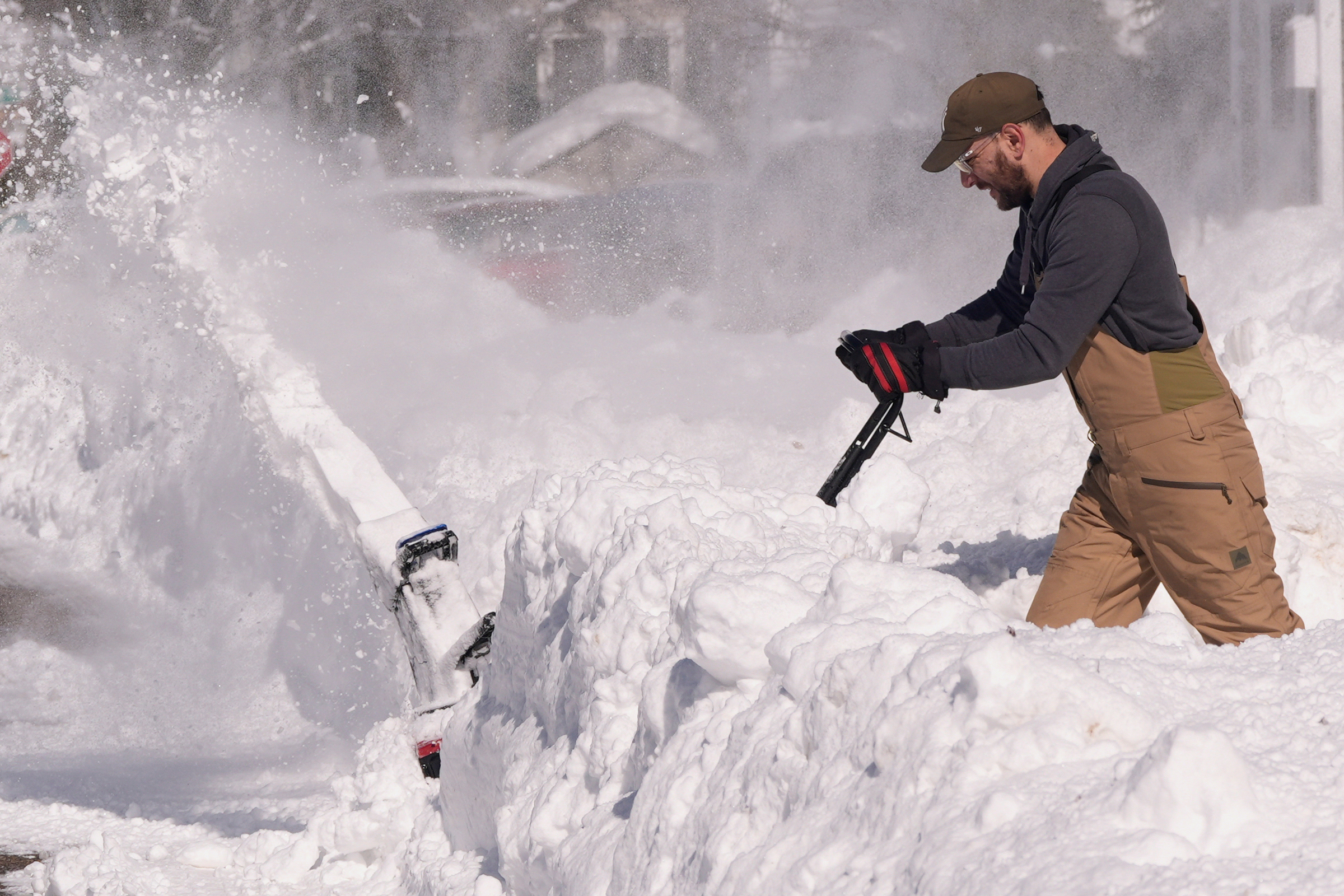 |
Despite sunny skies, challenges persisted. The National Weather Service warned of another storm forming over the Great Lakes region.
Though not expected to be as severe as the recent blizzard, new snowfall accumulating on existing layers will complicate recovery efforts.
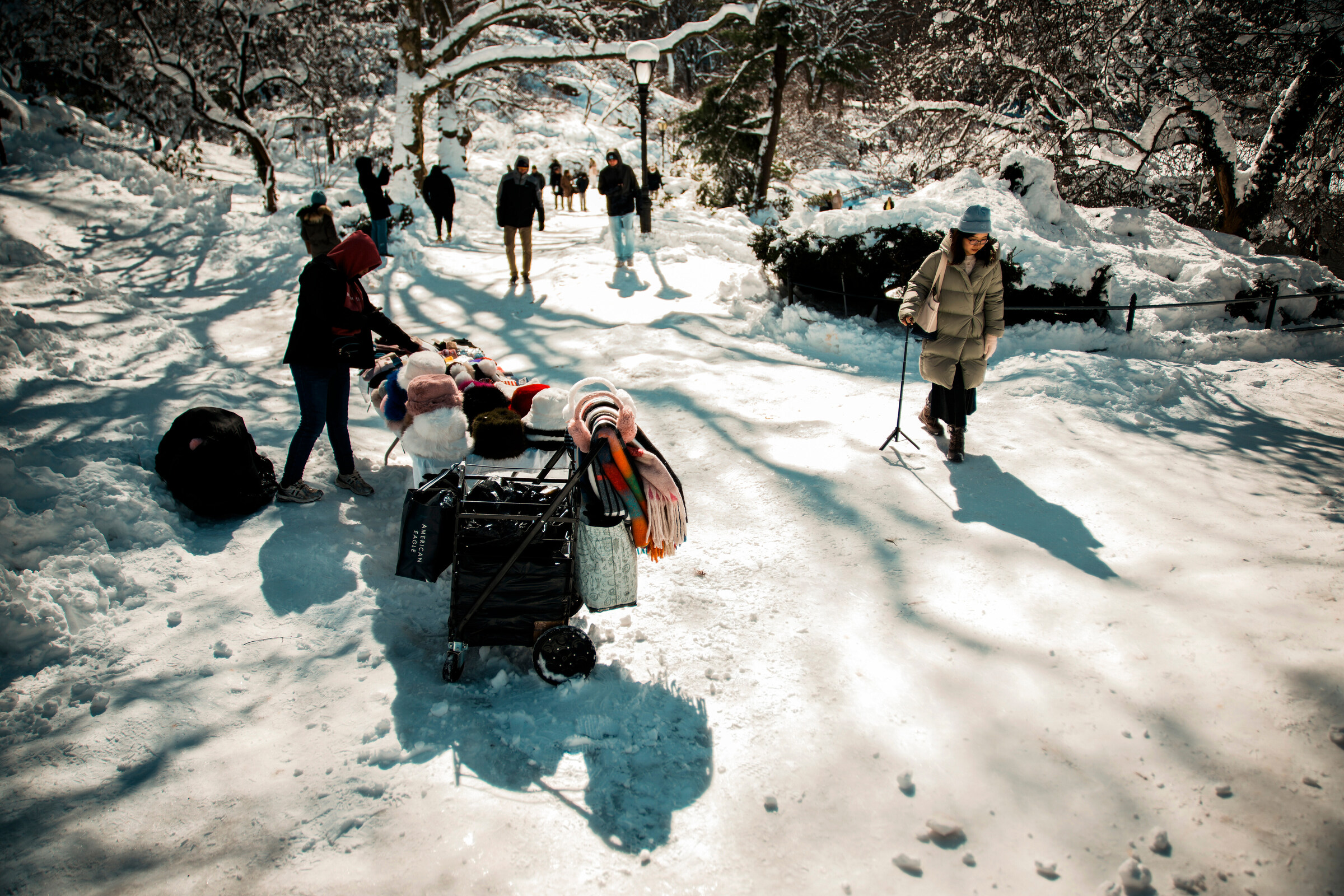 |
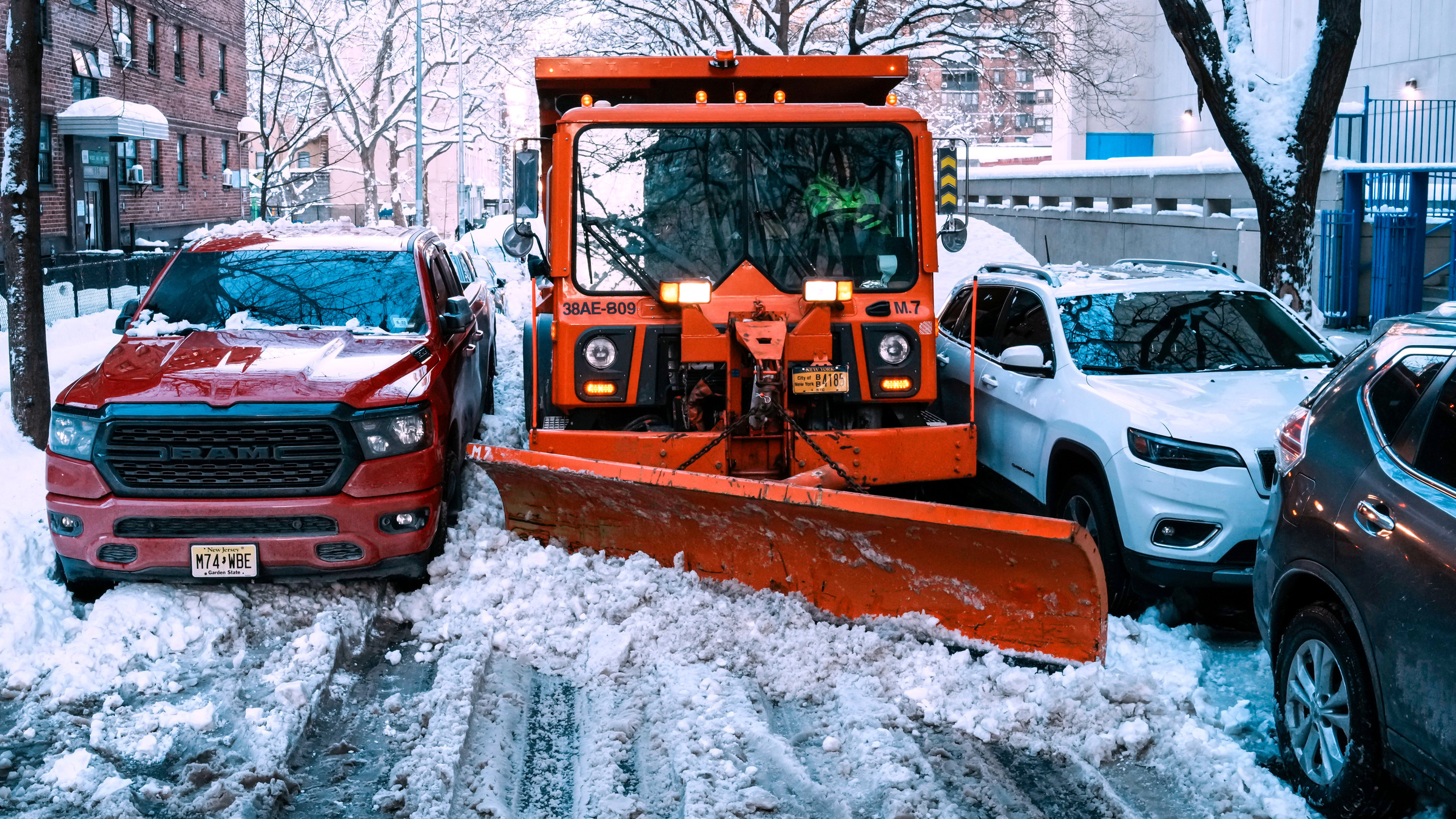
In New York City, Mayor Zohran Mamdani launched a massive cleanup operation.
Beyond spreading over 65 million kilograms of salt, the city hired at least 3,500 "emergency snow removal workers" at a rate of USD 30 per hour to clear bus stops and streets. Giant snow melting machines were also mobilized to transform millions of kilograms of snow into water.
 |
However, Mayor Mamdani's decision to keep schools open met with mixed reactions. This decision affected approximately 900,000 students in the public school system, with an actual attendance rate of 63%.
In Rhode Island and parts of Massachusetts, schools remained closed or transitioned to online learning until the end of the week.
Thanh Danh (According to AP)