On 25/2, the US Department of the Treasury announced that oil transactions under this license must "support the Cuban people, including the private sector". Transactions involving or benefiting Cuba's military or government agencies will not be permitted.
Parties applying for licenses to export Venezuelan oil to Cuba do not necessarily need a legal entity in the US. Restrictions in a license issued in January regarding Venezuelan oil exports will not apply to Cuba.
Previously, the US Bureau of Industry and Security issued guidelines permitting the export and re-export of US gas and oil products to eligible private sector entities in Cuba.
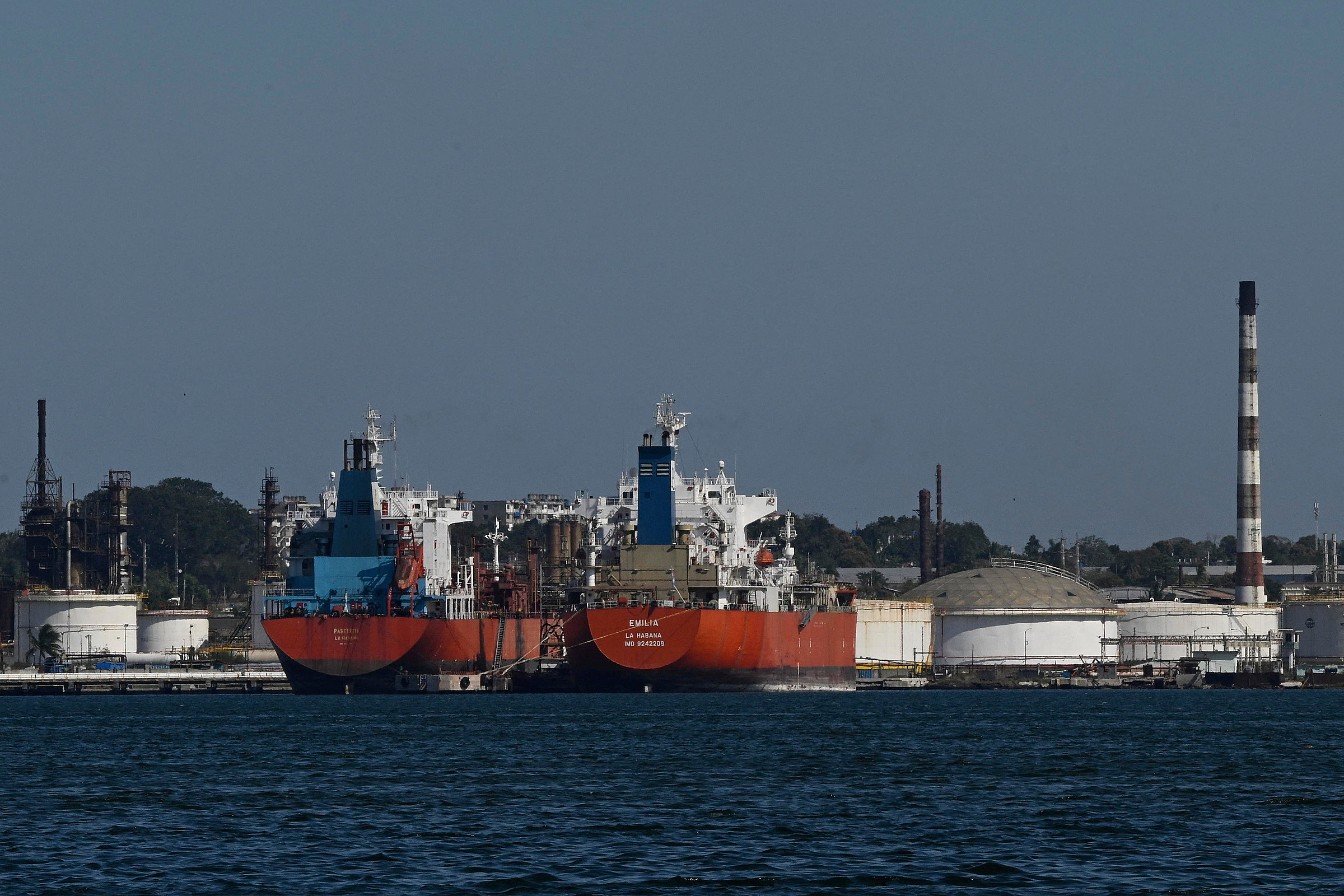 |
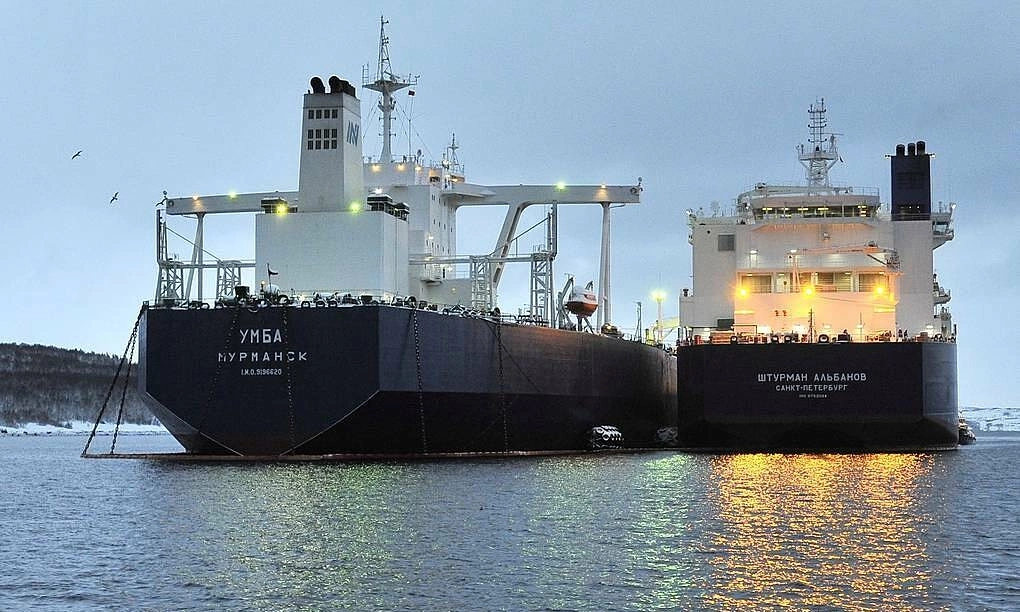
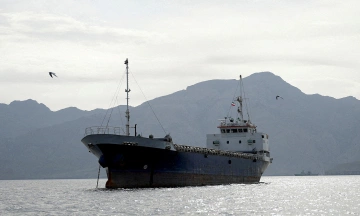
Ships docked at the pier of the Nico Lopez oil refinery in Havana Bay, Cuba on 25/2. *Reuters*.
The Cuban government controls fuel distribution and electricity supply through state-owned enterprises. However, fuel users also include private airlines and other companies.
For over 25 years, Venezuela served as Cuba's primary supplier of crude oil and fuel. This was primarily through a bilateral agreement based on the exchange of goods and services.
However, following a raid to arrest Venezuelan President Nicolas Maduro on 3/1, the US tightened control over the South American nation's oil exports. This effectively ended oil supplies to Cuba.
Mexico, which had emerged as an alternative oil supplier for Cuba, also ceased shipments to the Caribbean island nation. This halt occurred after a fuel cargo arrived in Havana in January, according to shipping data.
Cuba subsequently faced an energy crisis. This impacted electricity generation and fuel for transportation, households, and the aviation sector.
Dutch-based energy trading firm Vitol and Singapore-based Trafigura currently handle most of Venezuela's oil exports. Millions of barrels are exported to the US, Europe, and India, with millions more stored at Caribbean ports for resale.
By Huyen Le (Reuters)