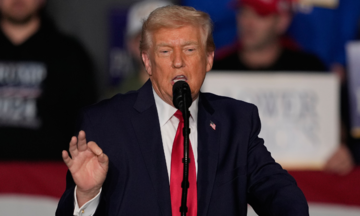
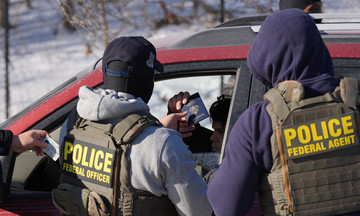
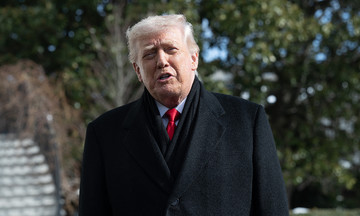
President Donald Trump stated on 18/12 that he would "not hesitate" to seek U.S. congressional approval for an attack targeting drug gangs in Venezuelan territory, but noted it was not a mandatory process. When asked by reporters about the possibility, the U.S. president said, "That's not a big issue. I don't have to tell them; that has been proven."
Trump also expressed concern that plans to strike targets within Venezuelan territory could be leaked if Congress were informed beforehand. "They are politicians and very prone to leaking information," the U.S. leader noted.
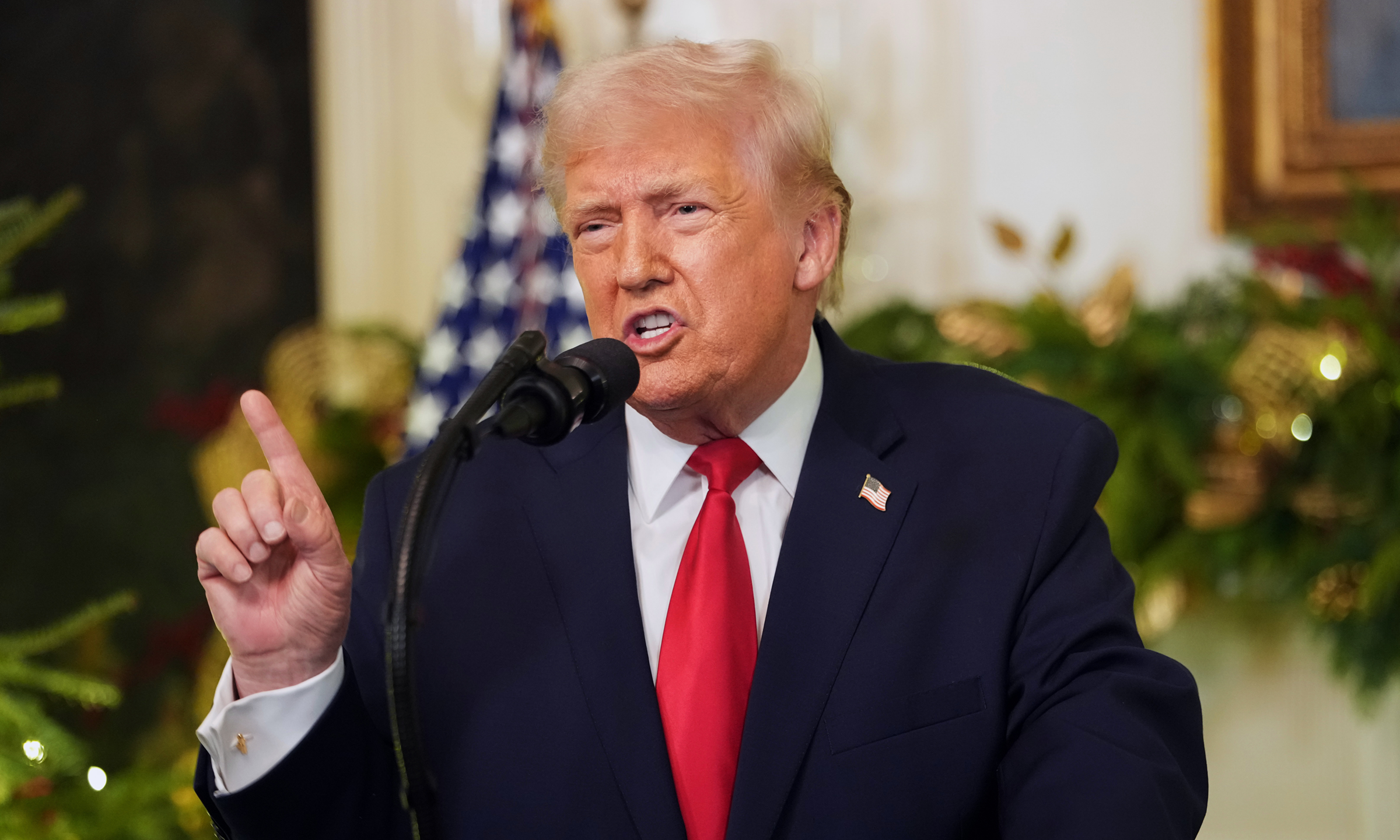 |
Trump speaking at the White House on 17/12. *Photo: AP* |
Under the U.S. Constitution, the president serves as commander-in-chief of the armed forces, but only Congress holds the authority to declare war. Experts suggest President Trump could order limited strikes on Venezuelan territory without U.S. congressional approval, but only for short durations, citing self-defense or limited scope.
In recent months, the Trump administration has steadily increased pressure on Venezuelan President Nicolas Maduro, deploying military assets to the region for counter-narcotics missions. Since September, the U.S. military has conducted numerous airstrikes against suspected drug-carrying vessels in the Caribbean and Pacific, resulting in at least 99 fatalities.
U.S. forces near Venezuela currently include: the Gerald R. Ford carrier strike group, at least 8 surface vessels, one special operations support ship, one attack submarine, F-35 stealth fighters, AC-130 gunships, transport aircraft, drones, electronic warfare aircraft, search and rescue aircraft, and over 15,000 troops.
Maduro believes that the troop mobilization indicates a U.S. intention to effect regime change in Venezuela and control its oil reserves.
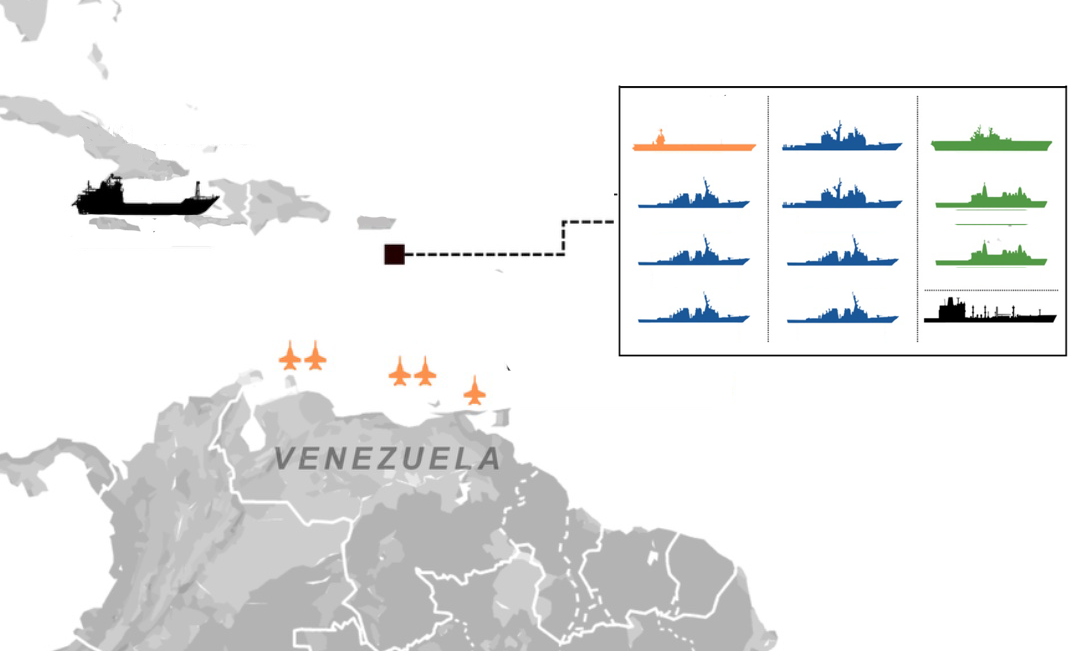 |
U.S. military deployment around Venezuela. *Click on the image for full details.* |
The legality of these strikes is also a contentious issue. Democratic Congressman Gregory Meeks argued that President Trump "has not demonstrated the necessary authority under U.S. or international law" in ordering the operation. "No one can convincingly argue that these vessels, some not even heading towards the U.S. or thousands of kilometers from U.S. territory, could pose an imminent threat to the American people requiring the use of military force," he stated.
By Pham Giang (AFP, CNN)