The ongoing conflict in the Middle East "could cripple global economies," Qatar's Energy Minister Saad al-Kaabi warned today in an interview. He stated, "If this war continues for a few more weeks, global GDP growth will be affected. Energy prices for all countries will rise significantly."
Beyond economic disruption, al-Kaabi highlighted the potential for widespread product shortages, leading to a "chain reaction" that could prevent factories from maintaining supply.
 |
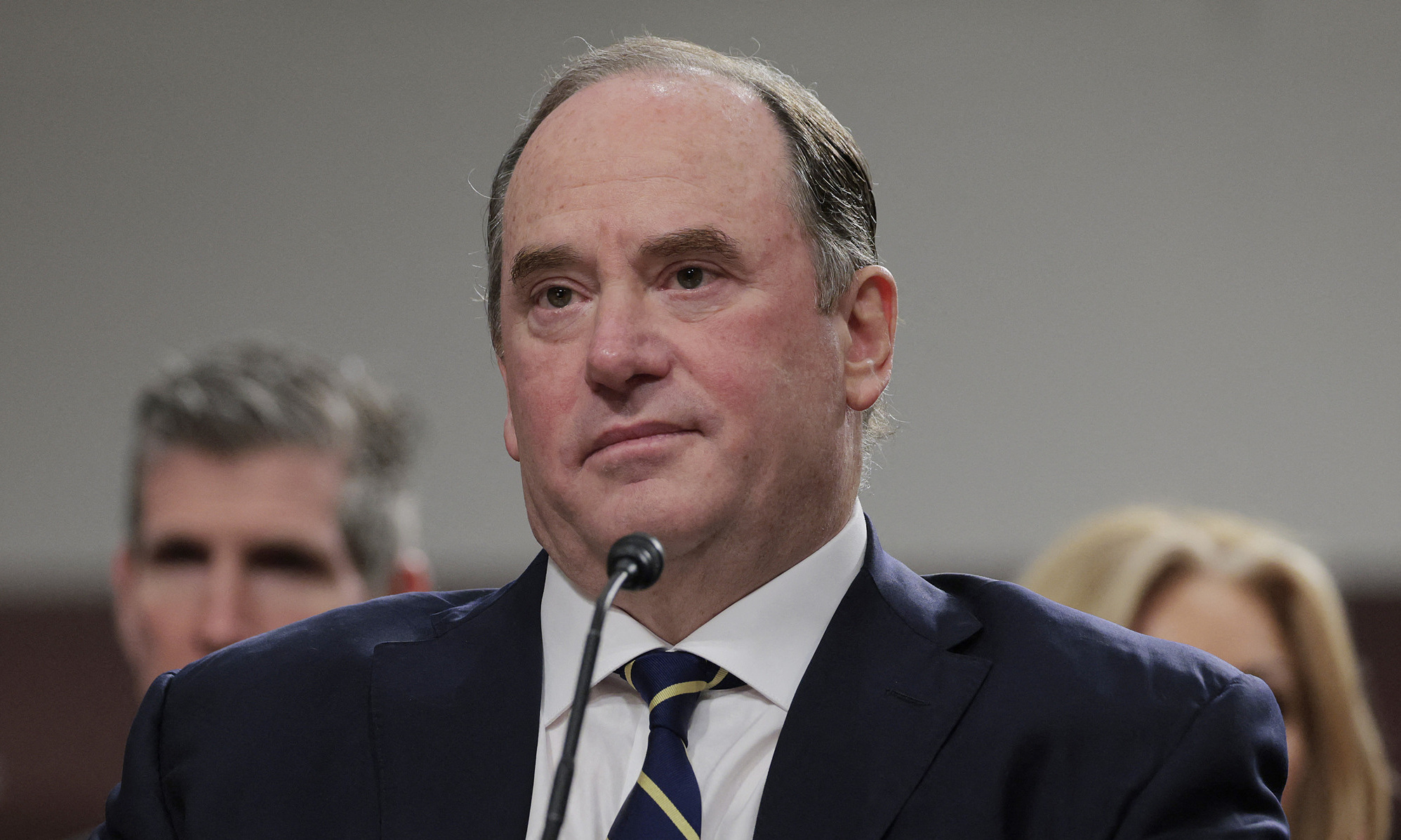
Qatar's Energy Minister Saad al-Kaabi attends a session at the Qatar Economic Forum in Doha in 5/2024. Photo: AFP |
Al-Kaabi further projected that all energy-exporting nations in the Middle East might need to halt production for several weeks due to the war's consequences. For Qatar, even an immediate cessation of hostilities would require "weeks to months" to restore normal delivery volumes.
He emphasized the likelihood of widespread force majeure declarations across the Gulf region, stating, "Any party that has not yet declared force majeure will likely have to do so in the coming days if the situation persists. All exporters in the Gulf region will have to declare force majeure."
Under legal frameworks, a force majeure event exempts affected parties from liability for non-performance or delayed contractual obligations.
The conflict has already pushed oil prices to a 20-month high, with al-Kaabi forecasting a near doubling to over 150 USD a barrel, which would significantly hinder global economic growth.
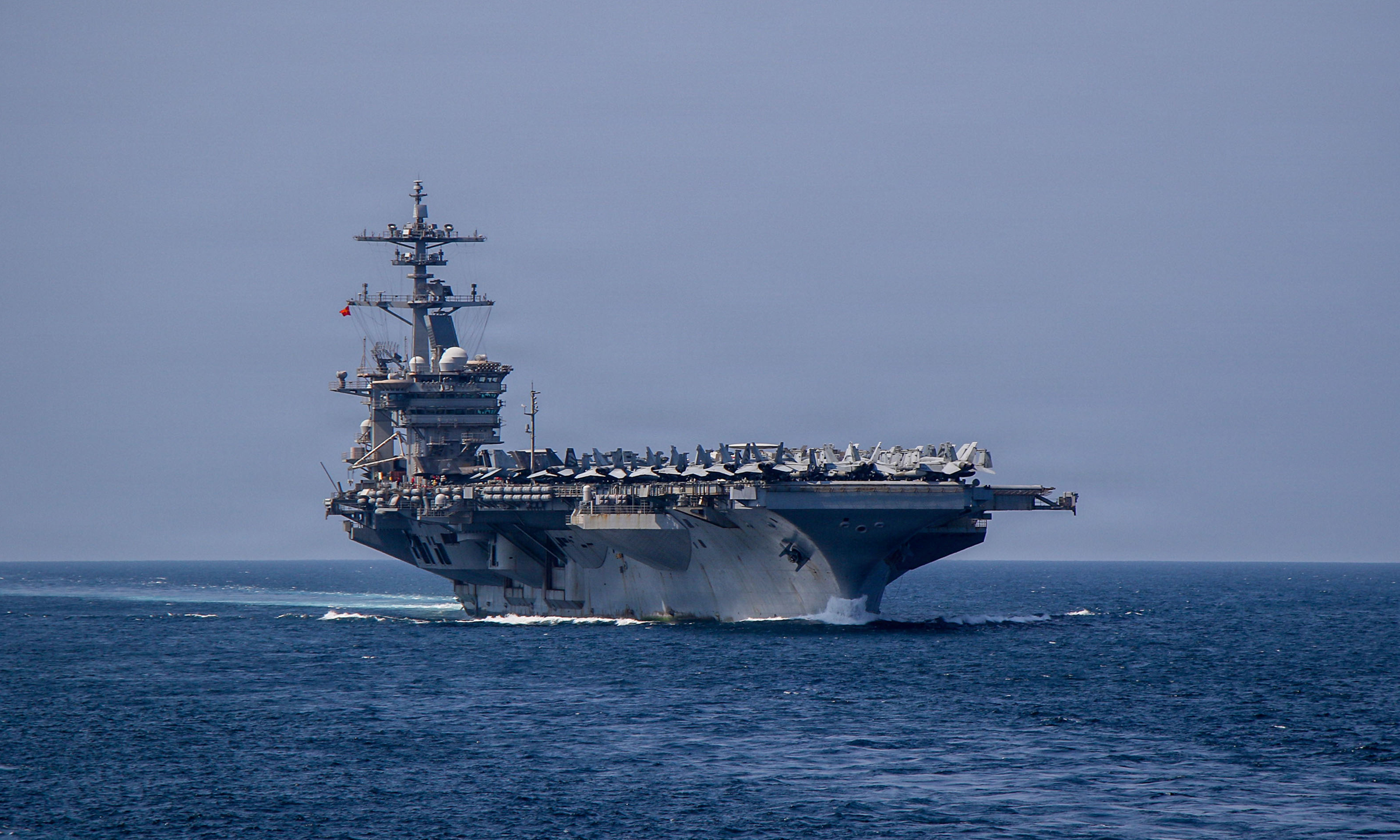
These comments come as the conflict between Iran, the US, and Israel approaches its 7th day, escalating tensions across the entire region. Several Gulf nations have suffered missile and unmanned aerial vehicle (UAV) attacks from Iran in retaliation for the US-Israel offensive.
Qatar, the world's second-largest producer of liquefied natural gas (LNG), has already been forced to halt production at its Ras Laffan plant following Iranian UAV attacks. Doha declared force majeure earlier this week due to the conflict.
US President Donald Trump described the ongoing war as "better than expected," noting US and Israeli control of Iranian airspace and continuous attacks. The US leader also did not rule out deploying ground troops to Iran, but believes it may not be necessary at present.
Meanwhile, Iran has responded with defiance, vowing continued retaliatory attacks and rejecting any need for negotiations with the US.
Vu Hoang (According to AFP, Reuters, Al Jazeera, Telegraph)