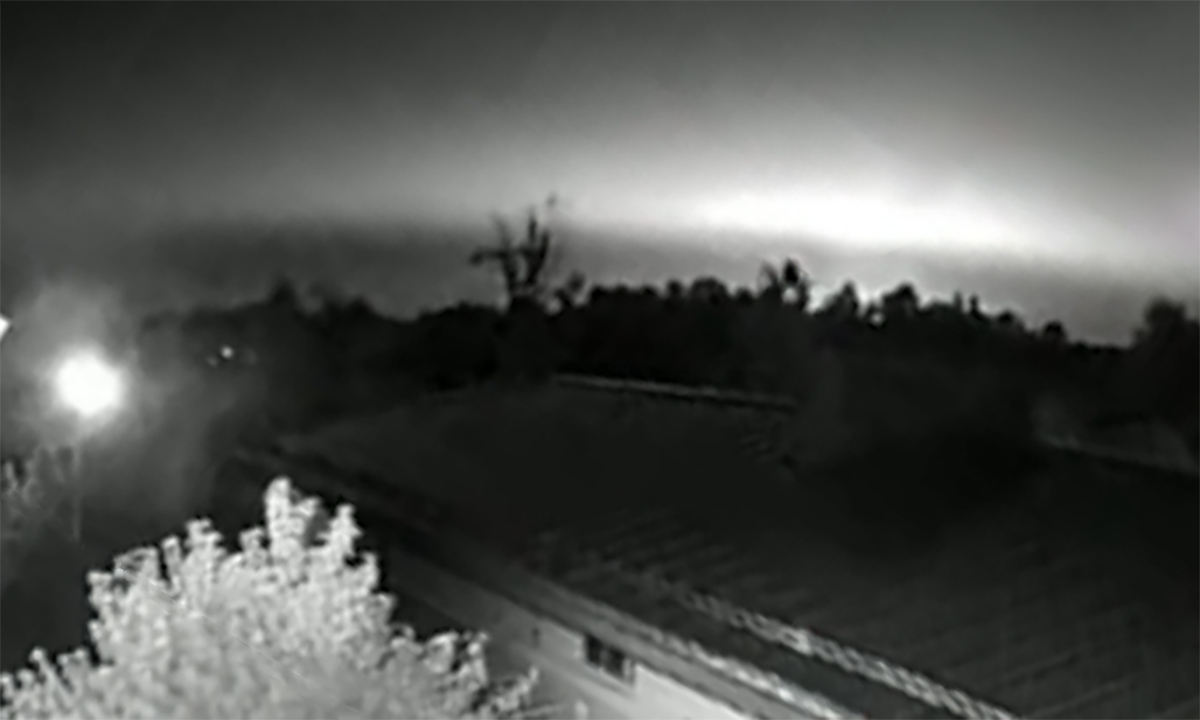
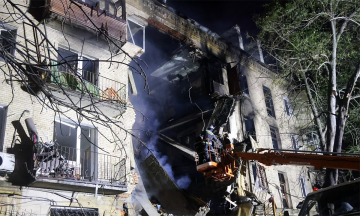
Russia has reportedly begun using an upgraded 9M723-2 ballistic missile, also known as the Iskander-1000, in its attacks on Ukraine. Ukraine's Defense Intelligence Directorate (GUR) stated on 27/8 that this new variant was first deployed during missile strikes on Kyiv last summer. The GUR released photographs showing missile fragments bearing the inscription "9M723-2," though it did not specify the exact components or where they were found.
The GUR claims the original 9M723-1 missile, part of the Iskander-M system, has a range of 390-400 km. In contrast, the upgraded 9M723-2 variant can strike targets up to 550 km away, a 40% increase in range attributed to an improved engine. Russian officials have not commented on this report.
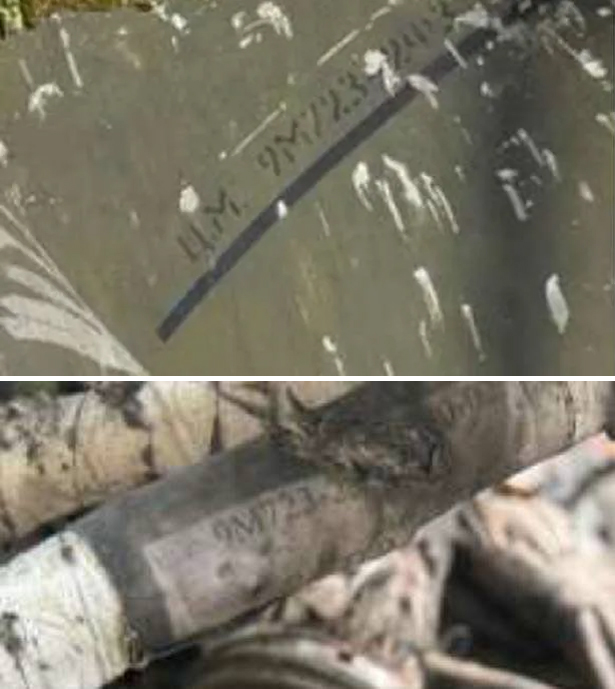 |
Debris believed to be from a 9M723-2 missile in an image released on 27/8. *Photo: GUR* |
Experts have offered varying perspectives on the timeline of the missile's deployment. Howard Altman and Tyler Rogoway, editors at the US military publication War Zone, noted that some information suggests the 9M723-2 missile might have been deployed as early as January, rather than mid-year as asserted by Ukraine intelligence. In 2025, reports emerged indicating Russia was preparing to produce a large quantity of Iskander-M ballistic missile variants with a range of nearly 1,000 km and enhanced accuracy. This type of missile was once prohibited under the Intermediate-Range Nuclear Forces (INF) Treaty, which Russia ceased to adhere to shortly after the US withdrew from the agreement.
The new Iskander-M variant presents a significant threat to Ukraine's rear areas. DnevnikDesantnika, an account believed to belong to a group of Russian Airborne Forces personnel, assessed that this upgraded missile can jeopardize facilities previously considered relatively secure deep within Ukraine. The missile's sustained maneuverability throughout its flight makes it challenging for enemy air defense systems to intercept. Furthermore, an expanded fuel compartment allows for an increased warhead mass and greater destructive power.
Russia's missile production is reportedly exceeding its targets. In an interview with RBC Ukraine published on 10/8, GUR deputy head Vadym Skibitsky stated that Russia's production of key missile types is surpassing planned levels by 10-20%, with some models even exceeding this rate. As of 5/8, Russia had added approximately 130 9M723 ballistic missiles for the Iskander-M system. While they aimed to produce 60 missiles per month, 65 units were manufactured in July.
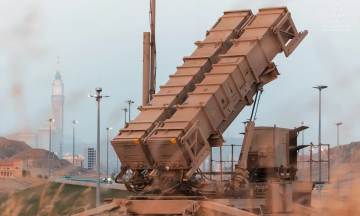
The intensification of Russian missile strikes comes as Ukraine's air defense capabilities face significant challenges. Ukraine's air defenses are depleting Patriot ammunition and are almost defenseless against ballistic missiles. President Volodymyr Zelensky announced on 25/8 that Ukraine had received a small quantity of Patriot missiles, yet he expressed concern about the unresolved issue of unstable supply. The increased range of the Iskander-M variant further complicates Ukraine's defense efforts. Rogoway commented that Russia's use of Iskander-M missiles with a significantly increased range will make it even harder for Ukraine to detect and target launchers.
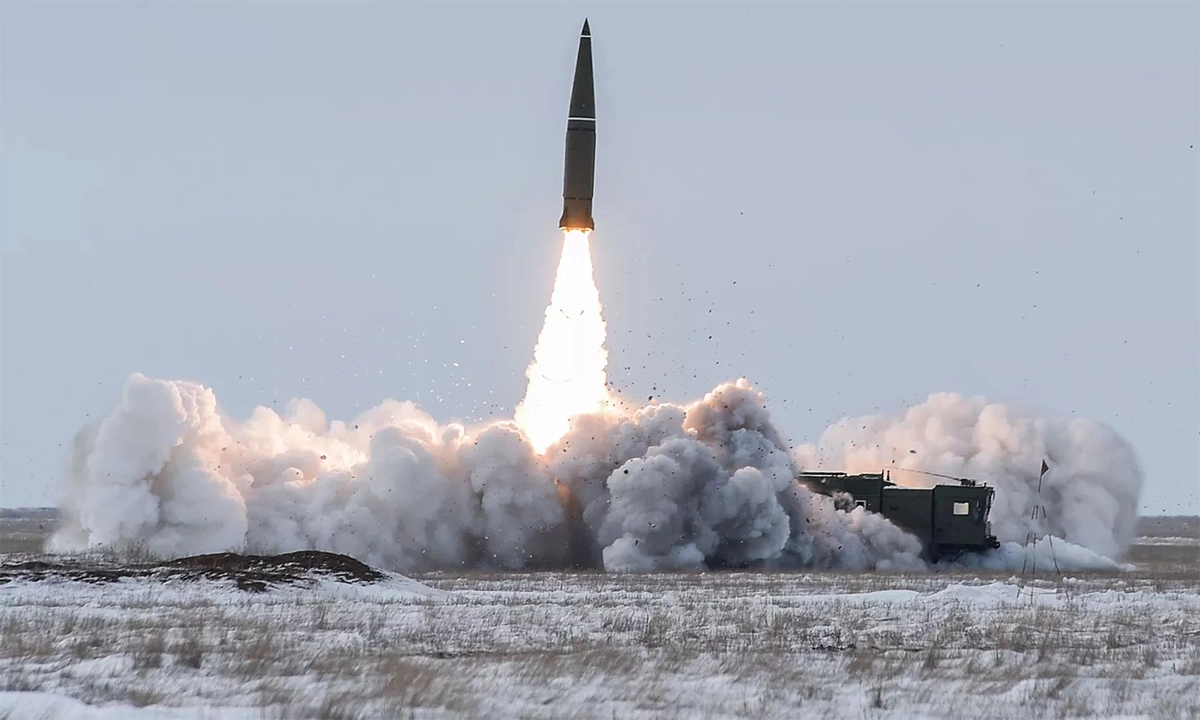 |
An Iskander-M missile firing at the Kapustin Yar training ground, Russia, 3/2018. *Photo: Russian Ministry of Defense* |
Ukrainian officials have also repeatedly sought permission from SpaceX to utilize Starlink services within Russian territory. This request aimed to control unmanned aerial vehicles (UAVs) to hunt targets such as Iskander missile launchers, but it has not been approved.
Nguyen Tien (According to War Zone, Reuters, AP)