 |
A scorch mark on the taxiway, where a US E-3G early warning aircraft was destroyed. Images from the scene released in recent months show the E-3G, which had an ex-factory price of over 500 million USD, broken in half and partially burned, beyond repair. |
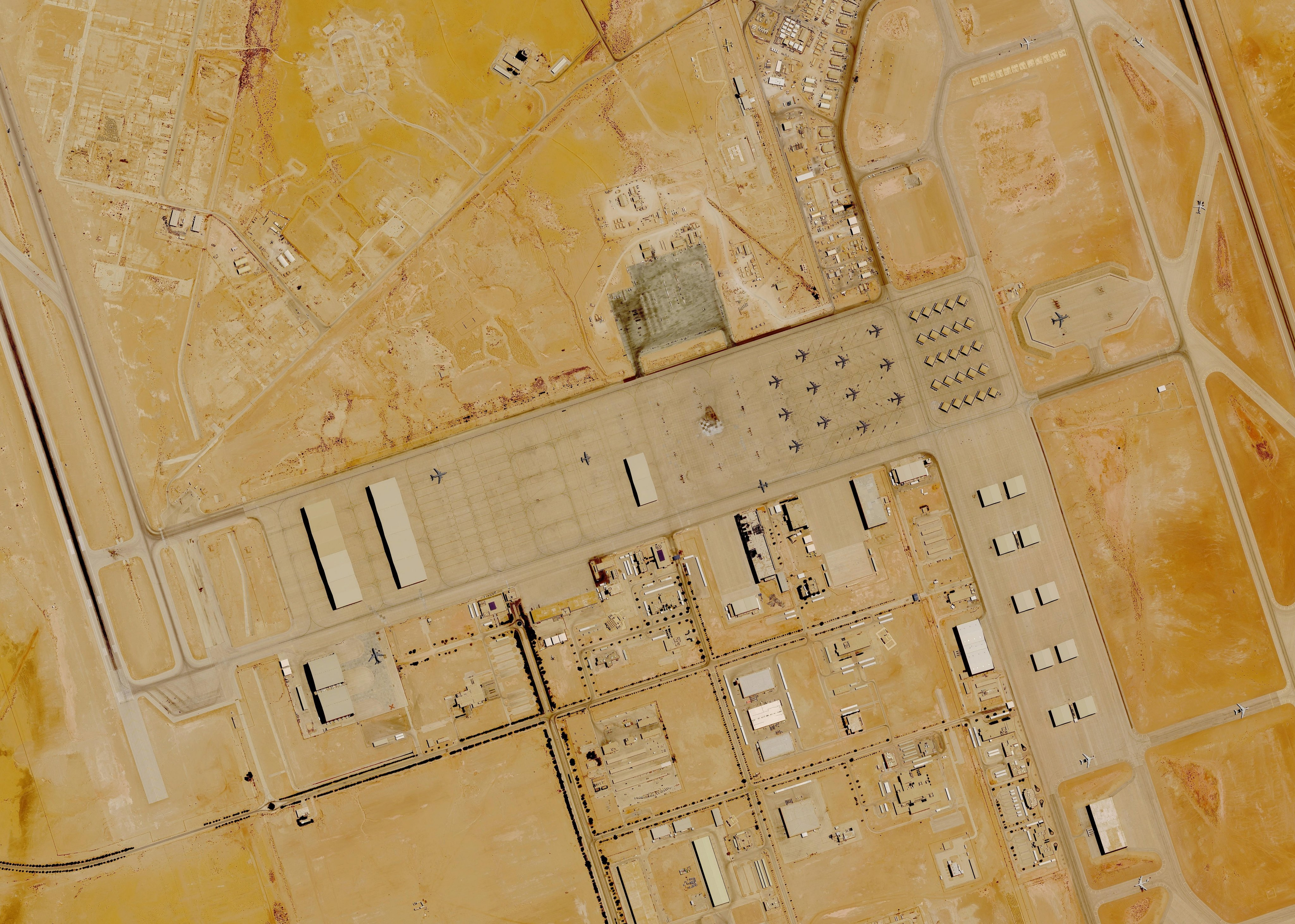
Google updated its Earth service on 3/10 with high-resolution commercial satellite images captured in June. Among these are photographs of Prince Sultan airbase, home to the US 378th Air Expeditionary Wing and the Saudi 6th Wing.
Prince Sultan military airfield, located in central Saudi Arabia, serves as a key overseas US base. Its strategic importance made Prince Sultan a primary target, having been repeatedly attacked by Iran during the most intense period of the Middle East conflict.
Satellite images taken before the conflict show that US forces deployed there included at least 19 KC-46A and KC-135 refueling aircraft, along with 6 E-3 Sentry early warning aircraft and 3 E-11A field communications aircraft.
 |
A structure resembling an aircraft hangar at Prince Sultan airbase after being hit by an attack. |
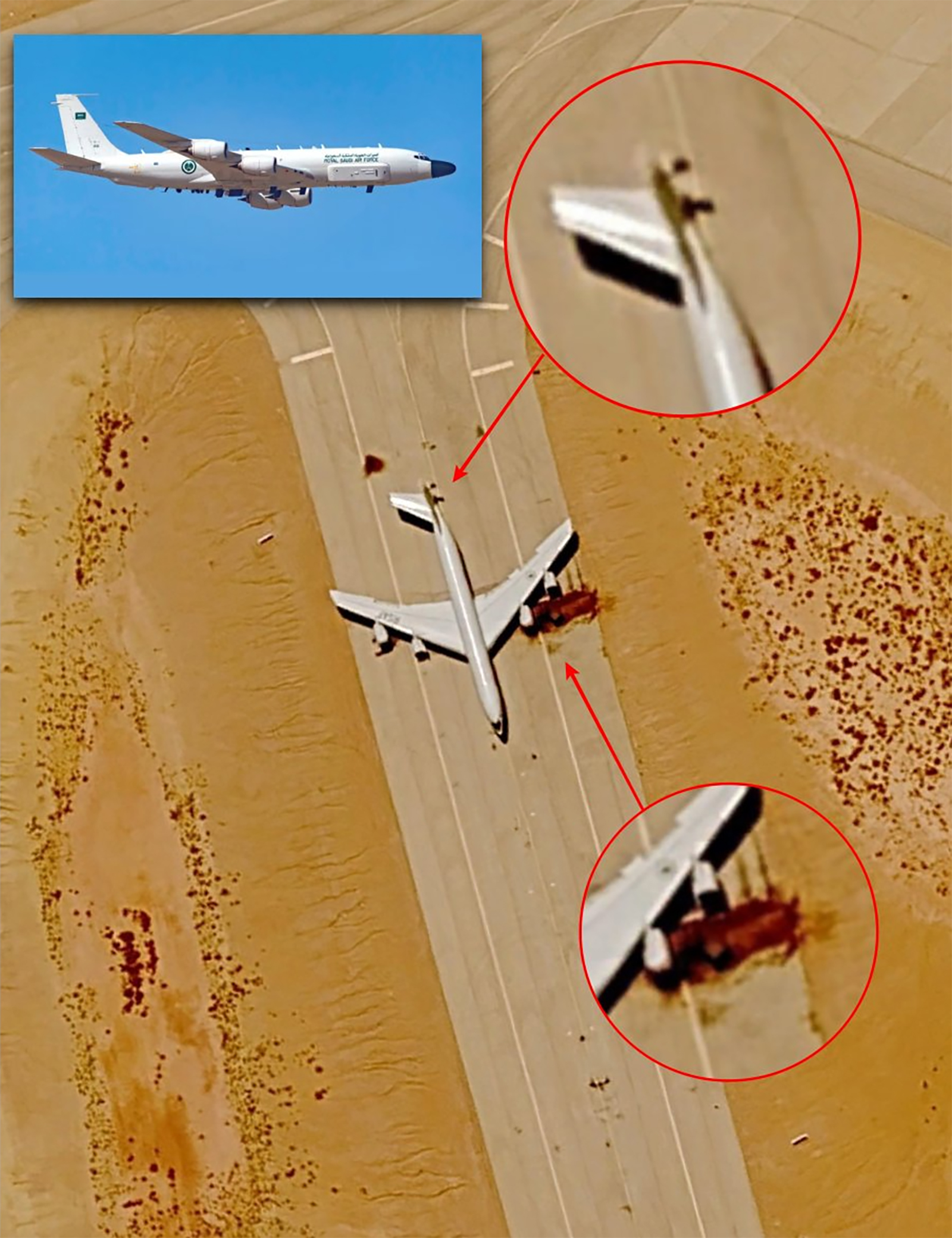
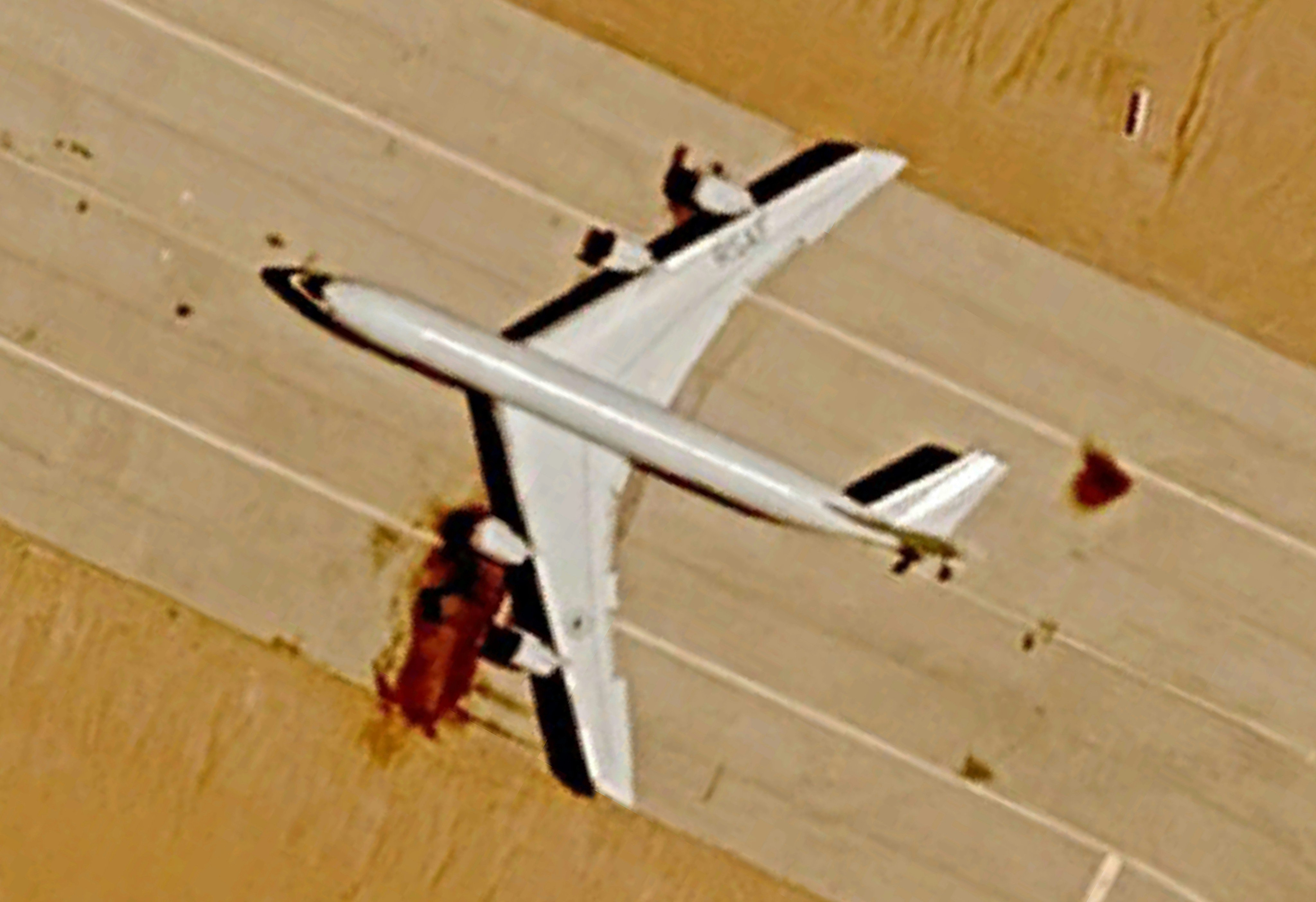
The high-definition images reveal that a Saudi Air Force RE-3 reconnaissance aircraft has lost its left horizontal stabilizer, with a fuel spill visible beneath its left wing. It remains unclear whether this aircraft can be repaired and returned to operational status.
This marks the first time information has emerged about a Saudi reconnaissance aircraft being hit, likely during Iran's retaliatory attack on 27/3.
NPR reported on 30/3, citing unnamed US officials, that two E-3 early warning aircraft were hit and over 10 service members were injured, some seriously. However, in a special report published on 14/9, the Office of the Inspector General (OIG) of the Pentagon only confirmed one E-3G was destroyed at Prince Sultan airbase.
 |
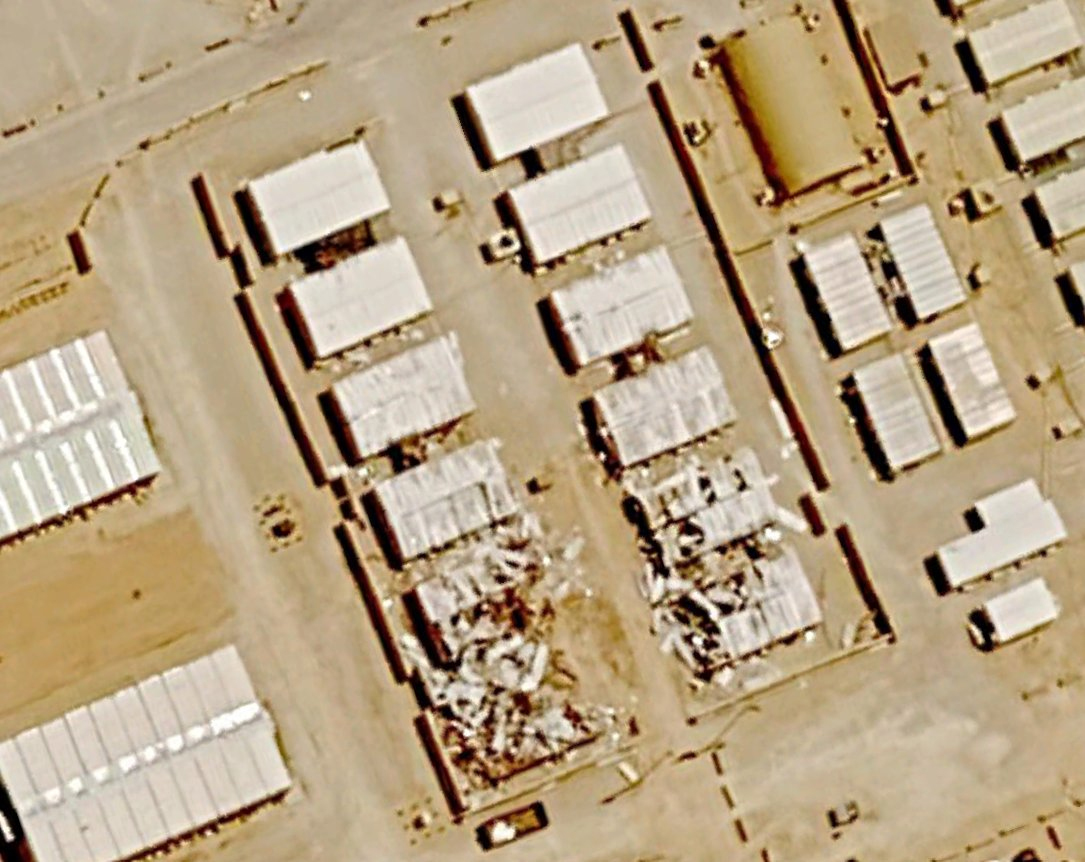
A number of destroyed buildings at the base. |
Before the outbreak of hostilities, the Saudi Air Force operated a total of 3 RE-3 aircraft, all KE-3A refueling aircraft converted into reconnaissance platforms. The fleet included two RE-3A aircraft, also known as the tactical airborne reconnaissance system (TASS), and one RE-3B aircraft, nicknamed the improved tactical airborne reconnaissance system (ITASS).
The RE-3 is among Saudi Arabia's most secretive assets, with its price kept confidential. However, the US Department of State approved a 582 million USD contract in 2023 to upgrade one Saudi RE-3A to the RE-3B standard.
According to US military specialized publication War Zone, Saudi RE-3 aircraft specialize in collecting signals intelligence, performing functions similar to the US and UK's RC-135V/W Rivet Joint "listening reconnaissance aircraft."
They intercept communications and locate radio signal sources, aiding in the creation of an enemy's "electronic order of battle," which identifies the distribution of radar stations, command centers, and radio transceivers.
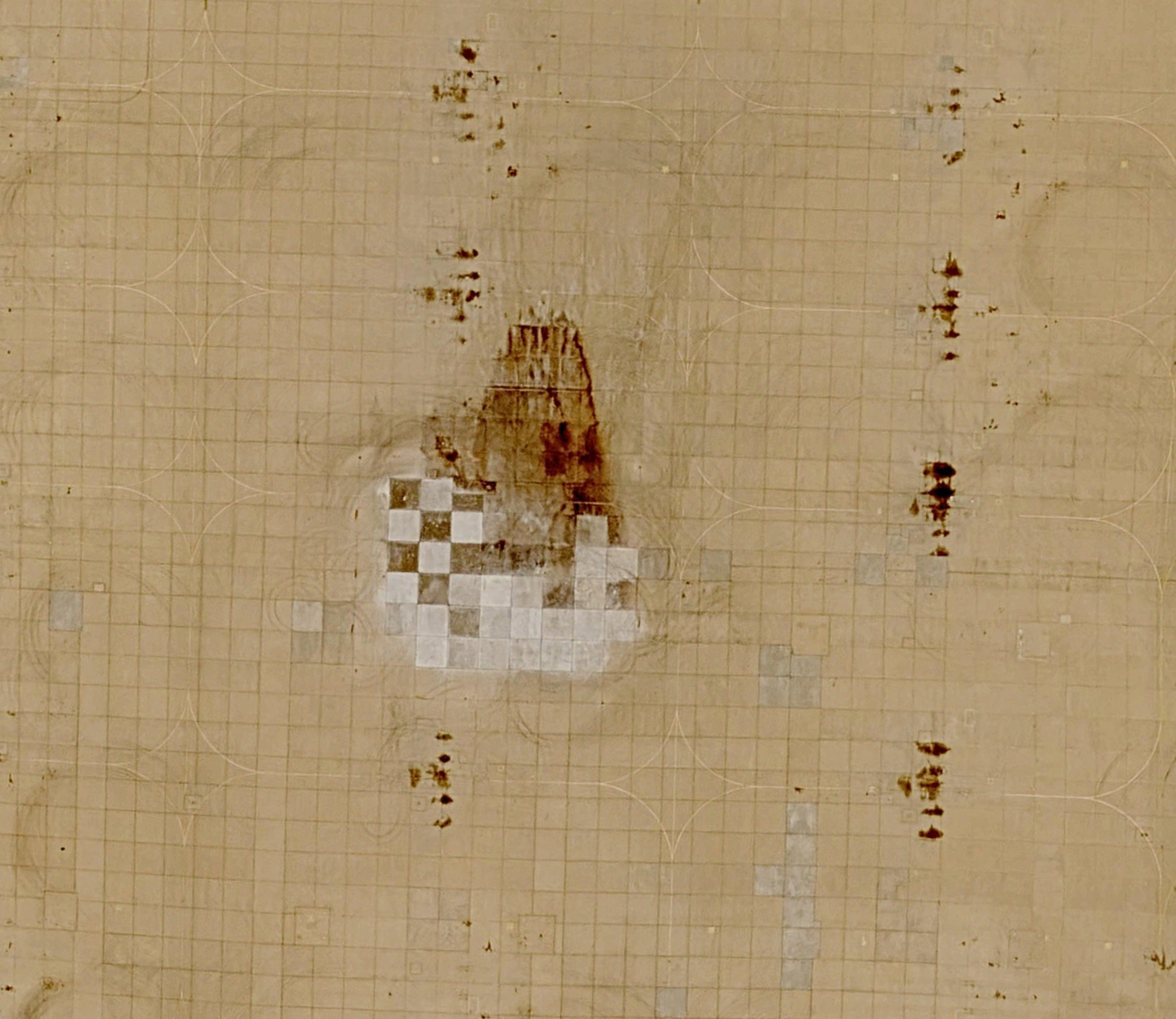 |
A scorched mark is visible at the parking position of a US KC-135 refueling aircraft.
US media reported on 13/3 that at least 5 refueling aircraft at Prince Sultan airbase were damaged in an Iranian attack. President Donald Trump later stated that 4 aircraft sustained minor damage and were repaired, while one was more severely damaged.
By late March, the Associated Press, citing two US officials familiar with the matter, reported that Iran's 27/3 attack on Prince Sultan caused "at least 10 US service members to be injured and a number of refueling aircraft to be damaged." The specific extent of the damage was not disclosed.
The OIG's special report confirmed that 5 KC-135 refueling aircraft were damaged during the attack on Prince Sultan airbase in Saudi Arabia early in the conflict.
 |
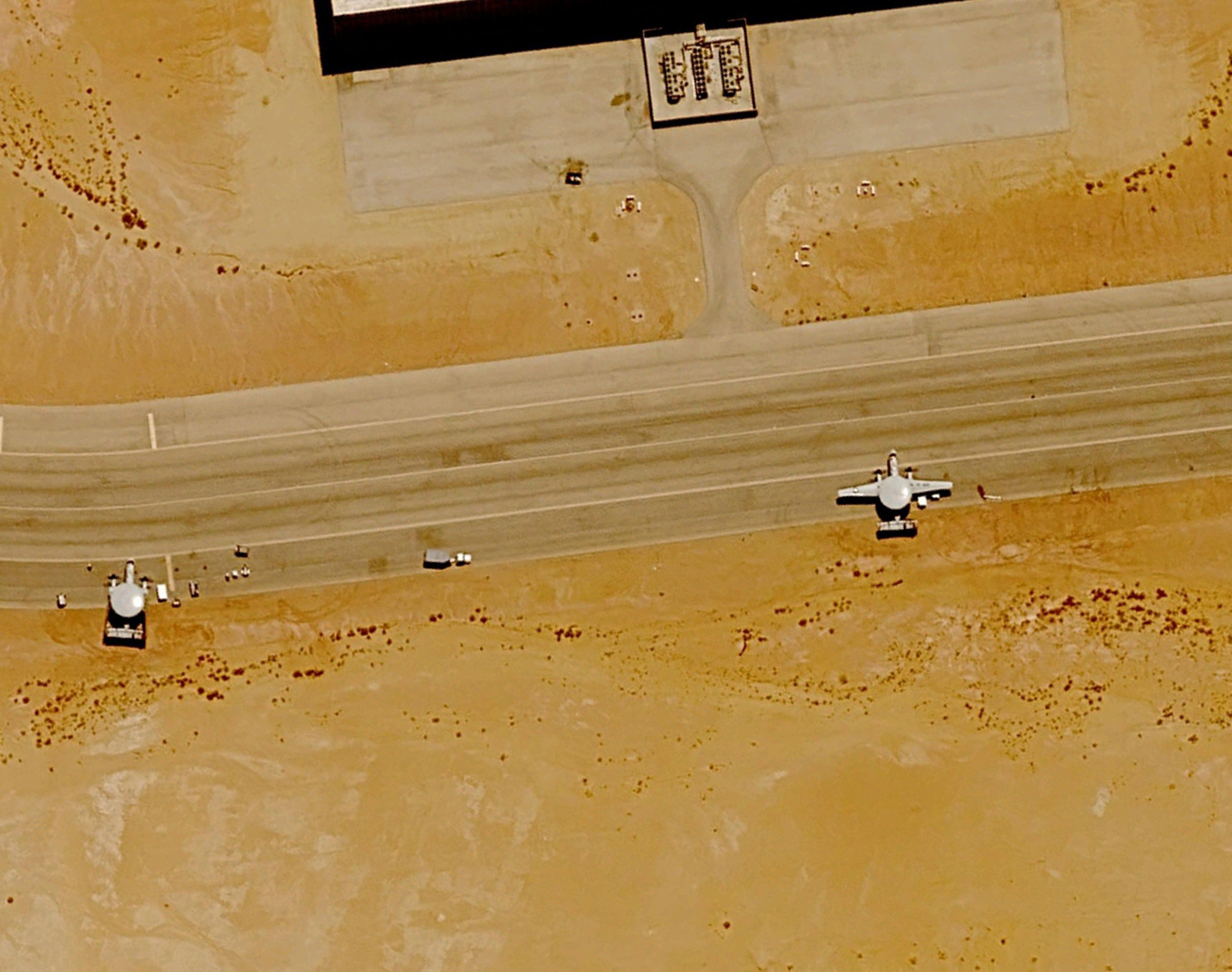 |
Two US Navy E-2D early warning and airborne command aircraft are parked on the taxiway at the base. The aircraft on the left appears to have its main wings folded and is surrounded by several vehicles.
"By June, the US military remained concerned about the threat from Iran and had to disperse assets across the base, with many aircraft parked on the taxiways," noted Egyosint, an X account monitoring the Middle East conflict.
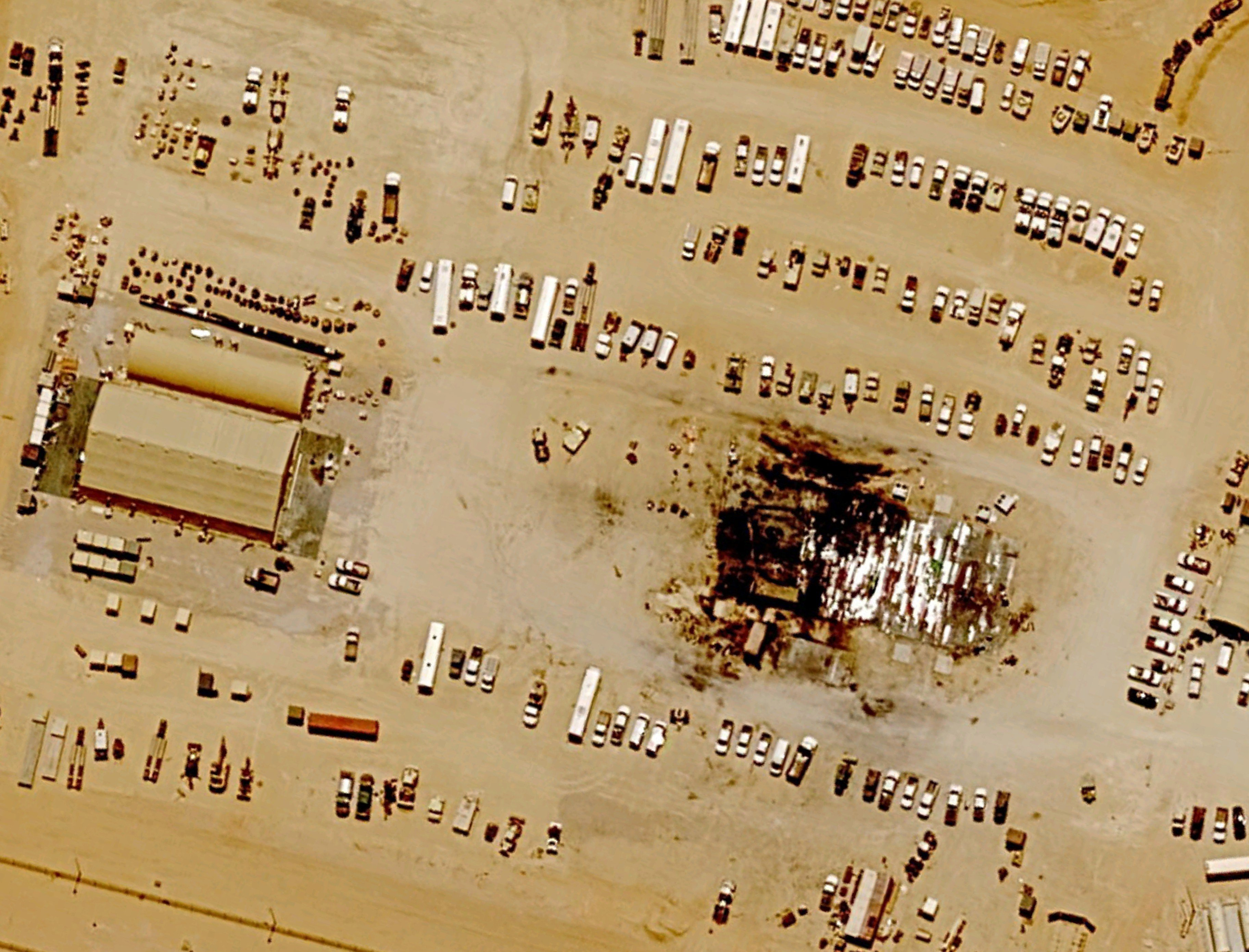 |
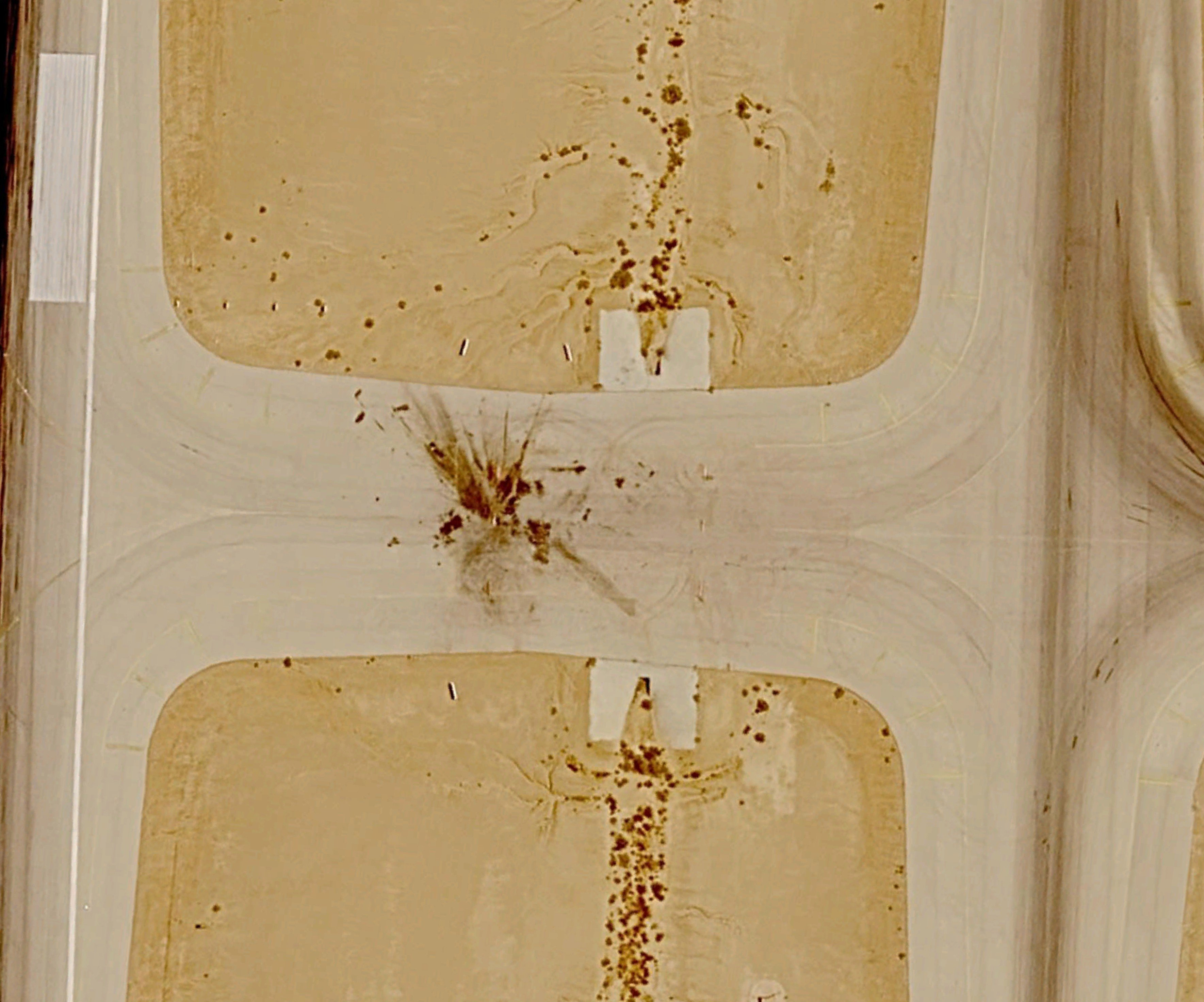
A scorch mark near the parking lot at Prince Sultan airbase.
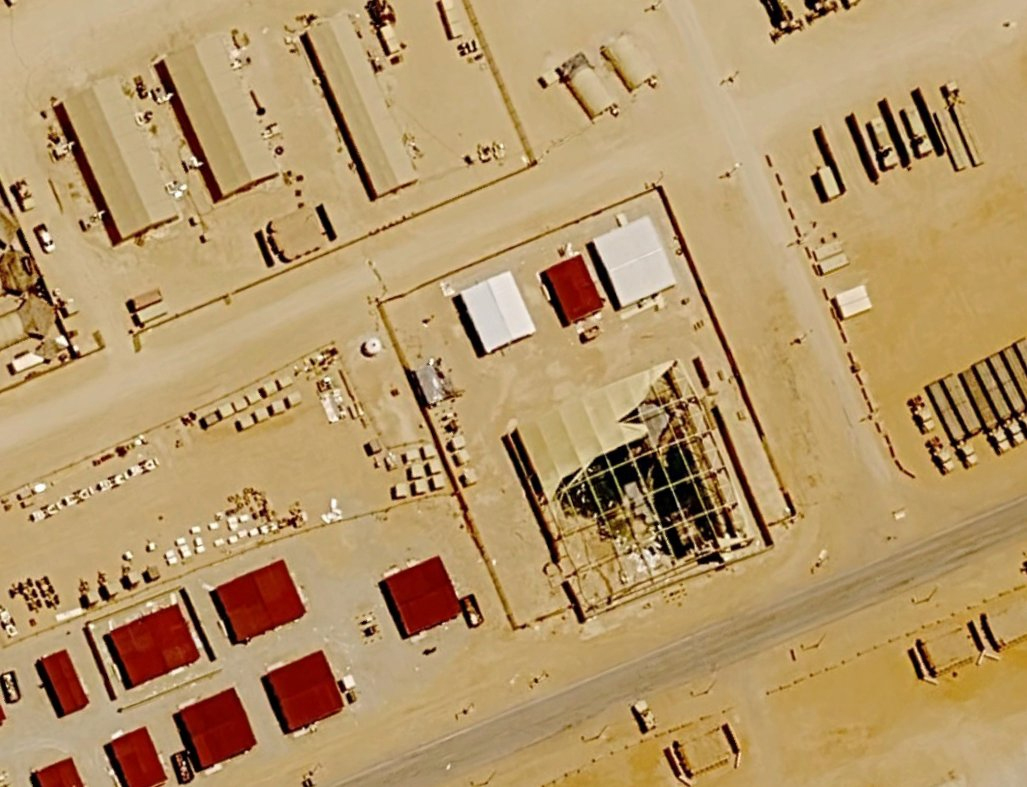
Many US military structures, including barracks, housing units, equipment depots, and a C-130 transport aircraft hangar, were destroyed or severely damaged by Iranian retaliatory strikes.
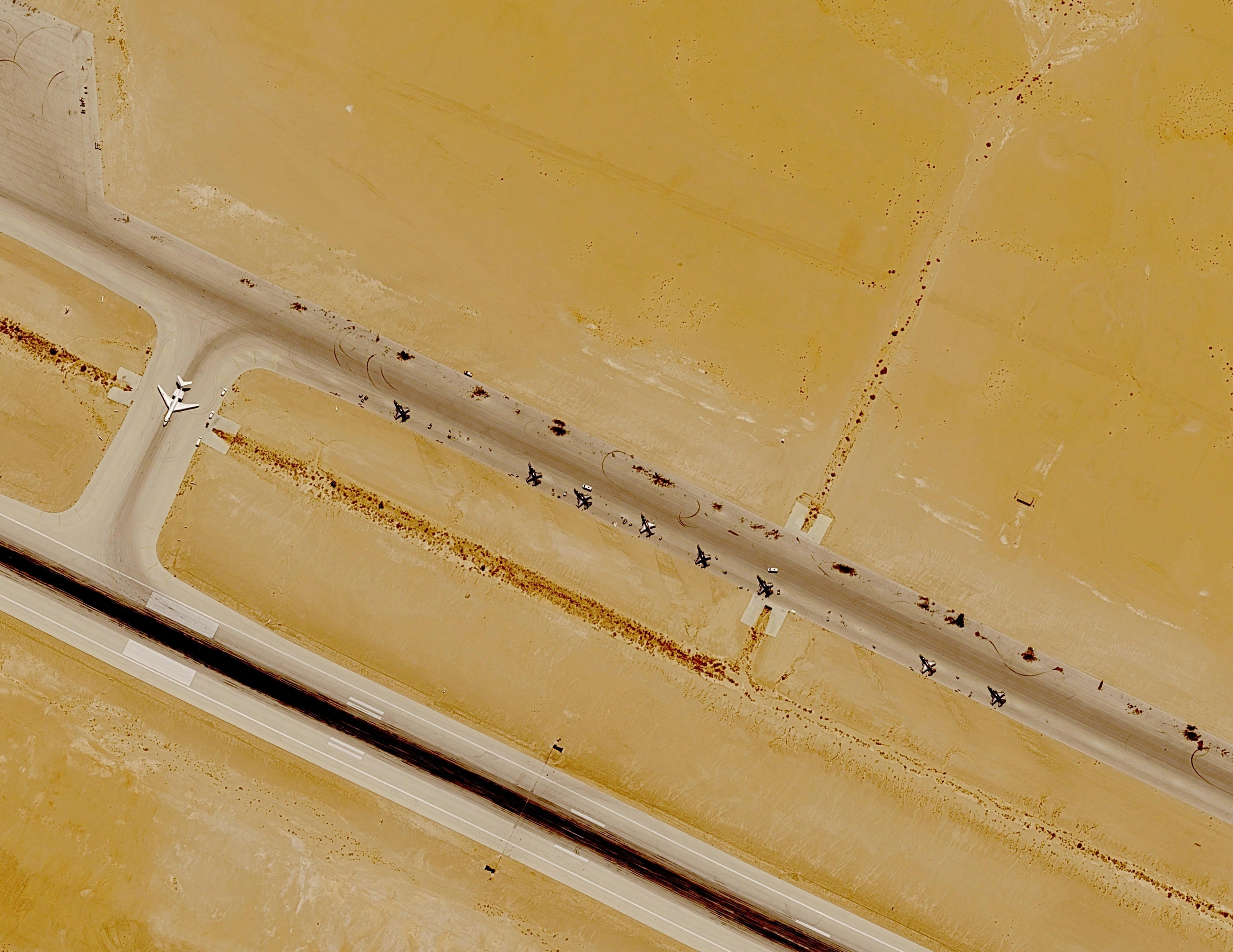 |
A number of F-16 light fighters and an E-11A communications support aircraft, also known as the "battlefield airborne communications node" (BACN).
BACN is considered an effective solution, enabling various US assets to "network" as one and connect ground troops with forward air traffic control or coalition air attack control, especially in complex terrain that affects communication signal transmission.
As of early this year, the US Air Force had only 7 E-11A aircraft in its inventory.
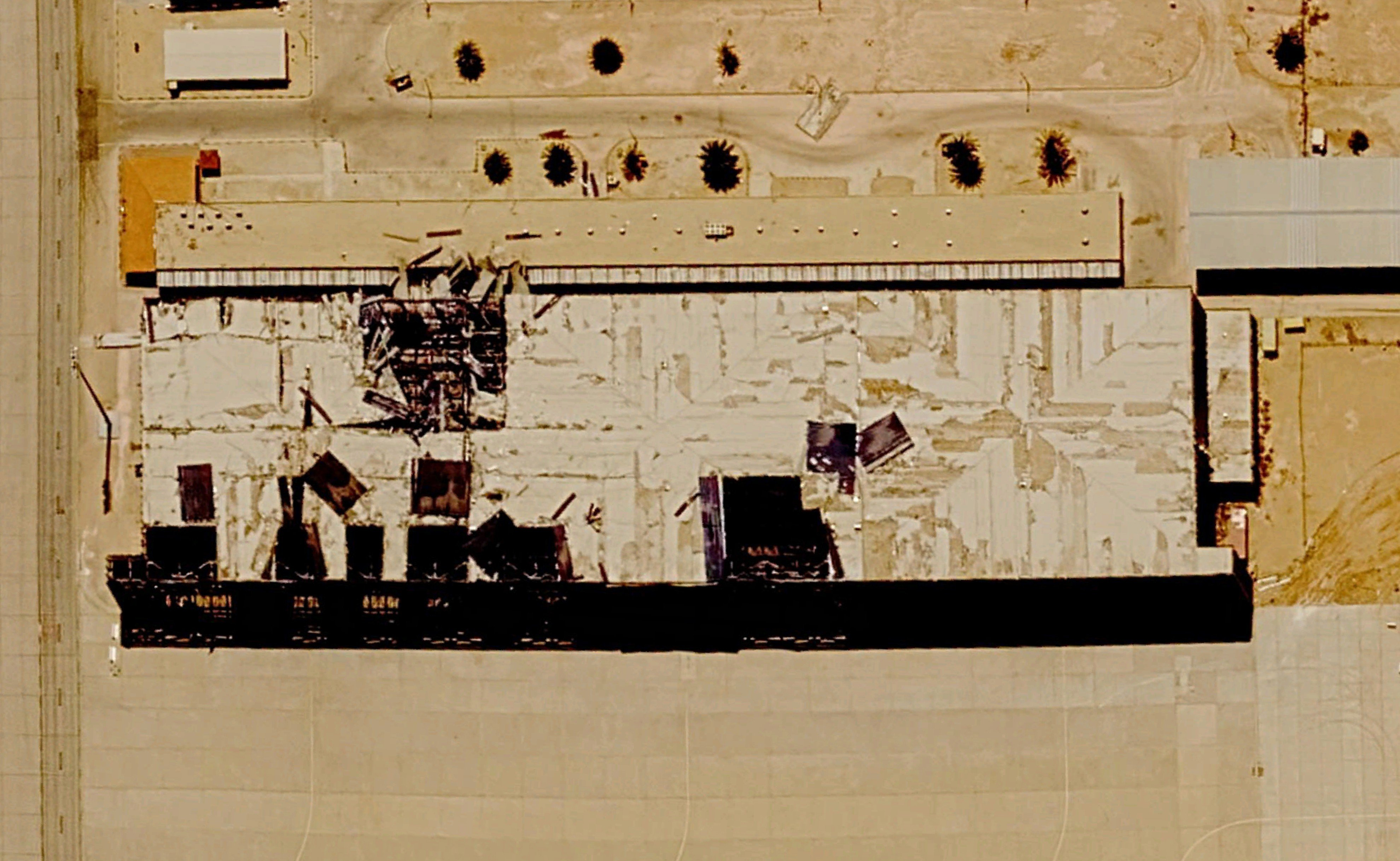 |
A large building at Prince Sultan airbase with a damaged roof.
The largest US commercial satellite imagery providers had restricted, delayed, or completely suspended the release of images of the Middle East region less than two weeks after the conflict began, at the request of the White House.
This complicated efforts to assess the damage caused by Iran during the conflict.
 |
 |
Nguyen Tien (Photos: Google Earth, EGYOSINT)